

Blog
What Are the Best Forex Trading Strategies for Beginners?

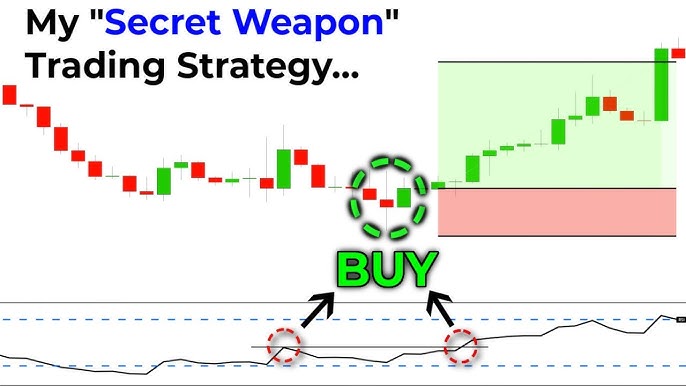
The best forex trading strategies for beginners include Price Action Trading, Trend Following, Range Trading, Breakout Trading, and Position Trading. These approaches are highly recommended because they are built on simple principles, have clear rules for entry and exit, and incorporate straightforward risk management, which helps new traders build confidence and discipline. Instead of overwhelming you with complex indicators, they focus on understanding core market behavior, providing a solid foundation for your trading journey.
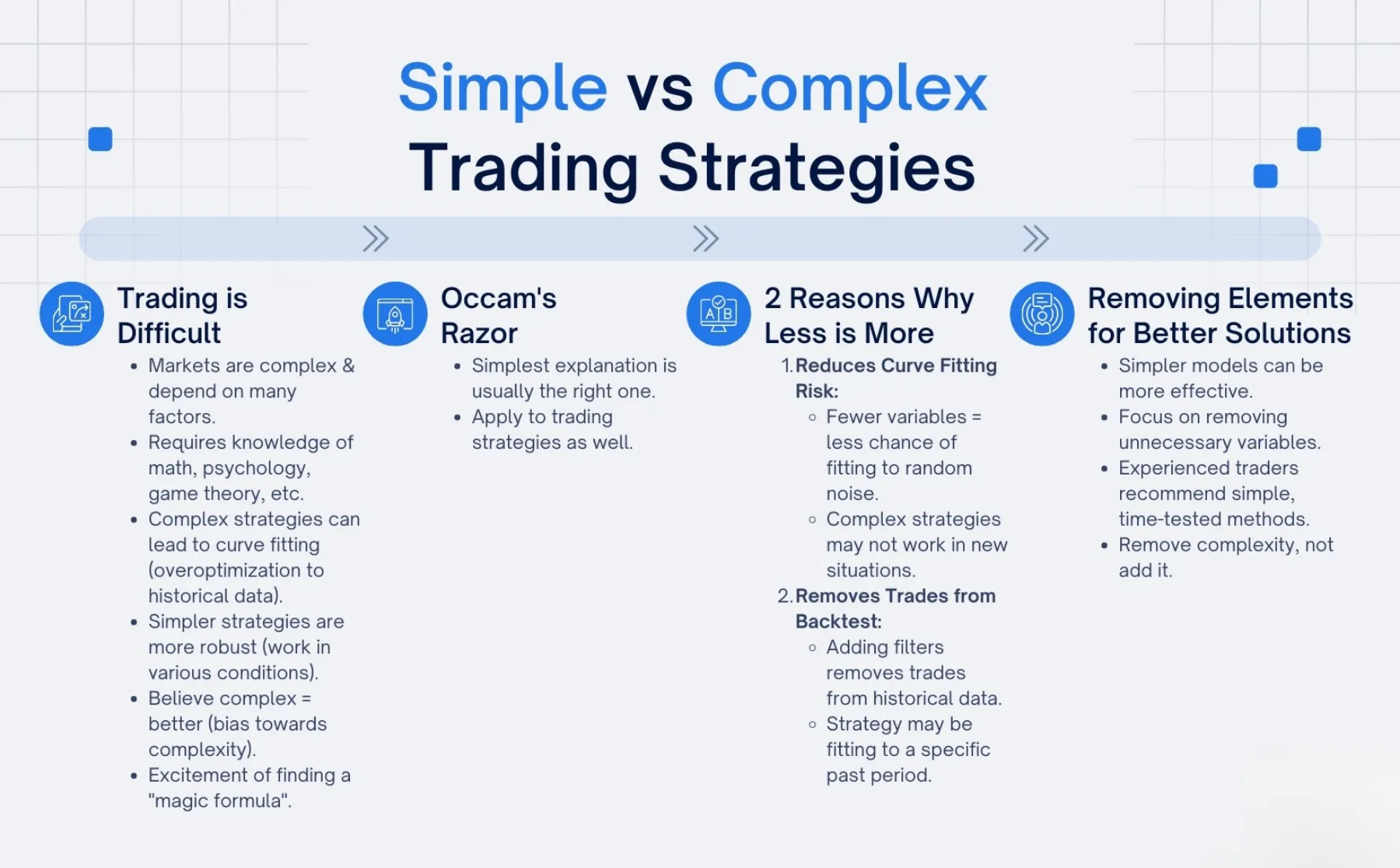
A strategy qualifies as “beginner-friendly” when it prioritizes simplicity, manageable risk, and clear, easy-to-follow rules. Complex strategies with numerous variables can lead to analysis paralysis and costly emotional mistakes. A simple, rule-based approach allows you to make decisions with clarity and consistency, which are the cornerstones of successful trading. It helps you focus on learning one concept at a time without getting lost in contradictory information.
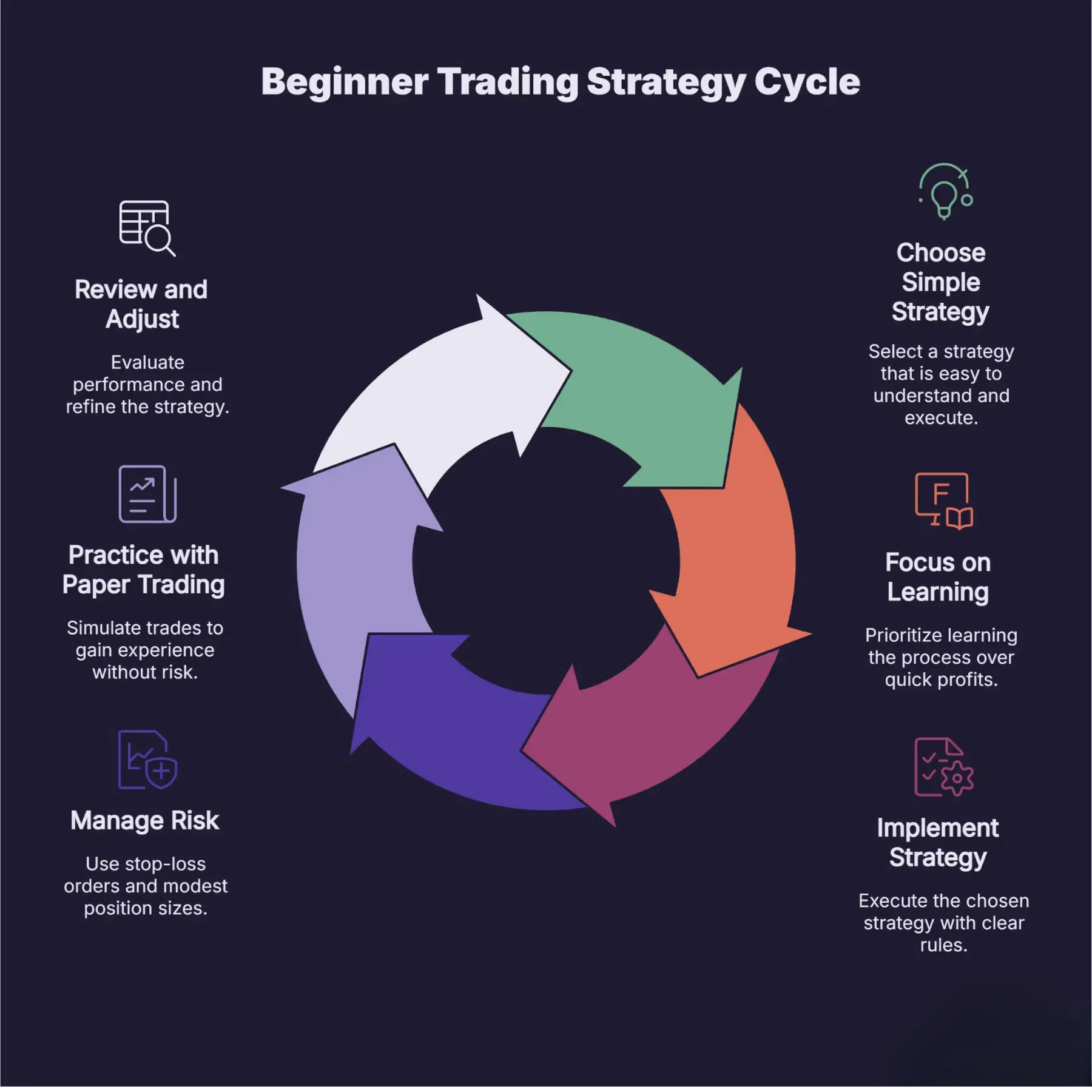
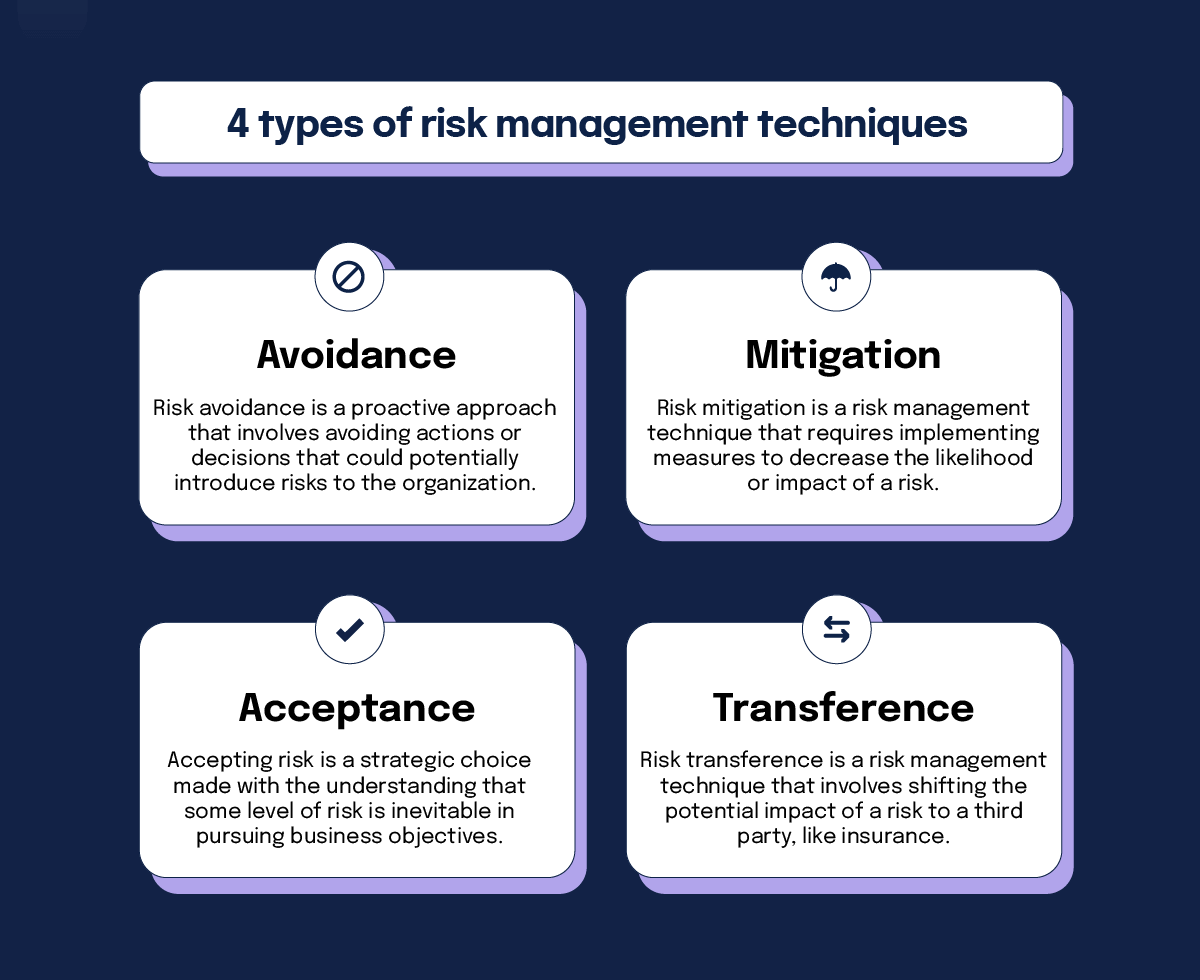
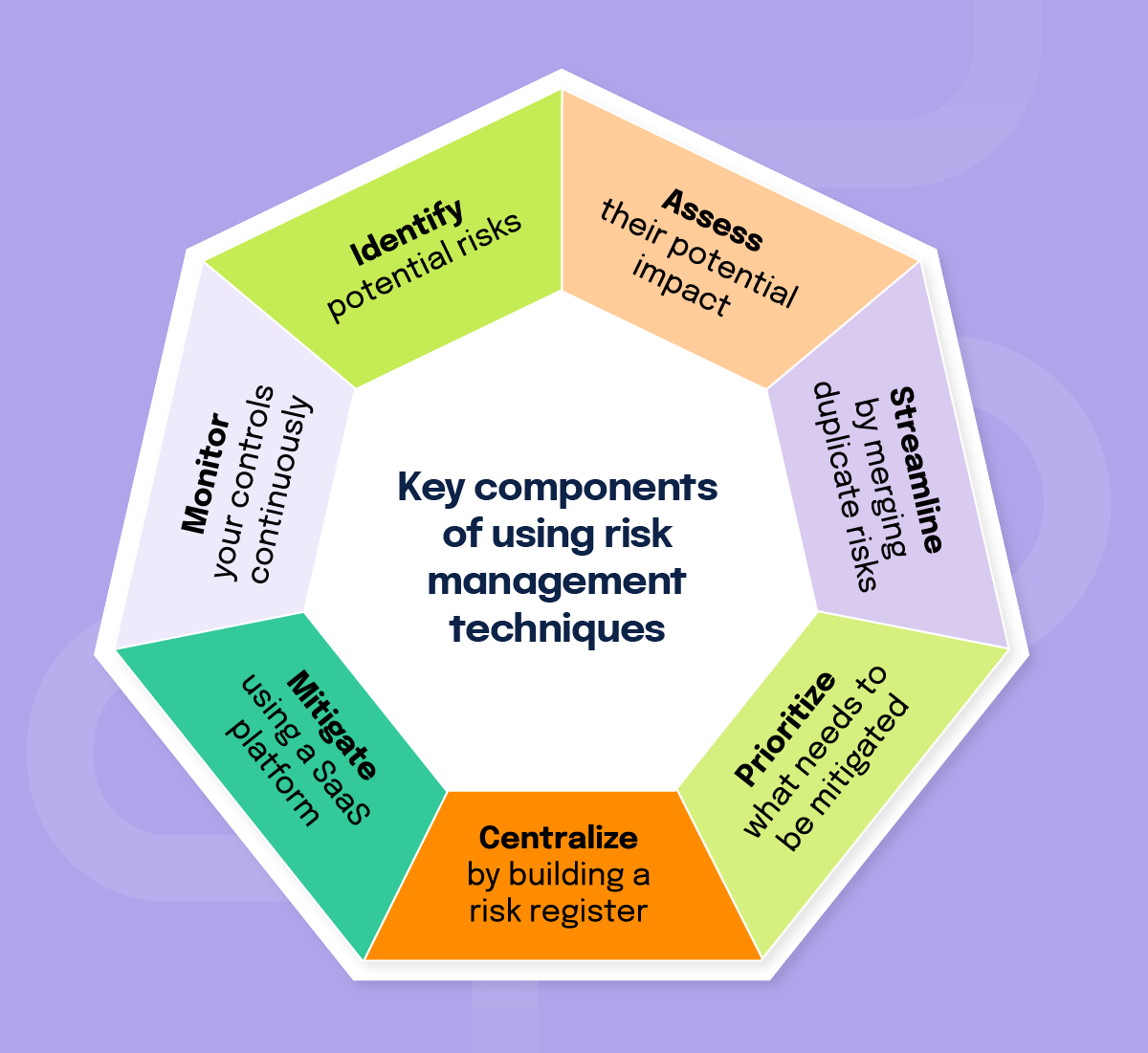
Before applying any strategy, you must first develop a solid understanding of risk management fundamentals and the discipline to follow a trading plan. No strategy can protect you from poor risk control. Mastering concepts like the 1% rule, setting proper stop-losses, and defining your entry and exit criteria in a written plan will be more important to your long-term success than the specific strategy you choose.
These foundational skills act as the guardrails that keep your trading account safe while you learn. The strategies discussed here are effective tools, but they work best when used by a trader who respects the market and prioritizes capital preservation above all else. With that in mind, let’s explore what makes a strategy truly suitable for someone just starting out.
What Qualifies as a “Beginner-Friendly” Forex Strategy?
A beginner-friendly forex strategy is one characterized by its simplicity, clear rules, and built-in risk management, making it easier for new traders to learn and apply consistently. These strategies are designed to reduce the common pitfalls that new traders face, such as emotional decision-making, over-complication, and poor risk control. They serve as a structured framework for interacting with the markets, helping you build good habits from day one. Instead of requiring you to interpret dozens of conflicting signals, a beginner-friendly approach focuses on a few high-probability concepts that are easy to identify and act upon. The goal is not to find a “perfect” strategy that never loses, but to find a logical process that you can execute consistently over time.
To understand this better, a good strategy for a newcomer is less about predicting the future and more about managing probabilities. It provides a clear roadmap: “If the market does A, then I will do B.” This rule-based approach removes guesswork and helps you build discipline. It also ensures that your risk is always defined before you even enter a trade, which is perhaps the most important skill a trader can learn. Let’s break down the key elements that make a strategy suitable for someone new to the forex market.
Why is a Simple Strategy Better for Beginners?
A simple strategy is better for beginners because it reduces the risk of “analysis paralysis” and helps build discipline. When you are just starting, the forex market can feel incredibly overwhelming. There are hundreds of indicators, news events, and analytical techniques. Trying to use too many of them at once is a classic mistake. A complex strategy, with five different indicators that all need to align perfectly, often leads to confusion. You might see three signals telling you to buy and two telling you to sell. What do you do? This conflict often causes hesitation, missed opportunities, or worse, emotional trades made out of frustration.

Simplicity fosters consistency. A strategy based on one or two core concepts, like identifying support and resistance, is much easier to apply repeatedly. This repetition is how you learn to recognize patterns and build trust in your system. For example, a simple trend-following strategy might only have two rules: 1. Is the price above the 50-period moving average? 2. If yes, wait for a small dip (a pullback) to the moving average and then enter a buy trade. This is clear, unambiguous, and repeatable.
Furthermore, a simple system allows you to easily identify what is working and what is not. If your trades are not successful, and your strategy only has a few variables, it is much easier to diagnose the problem. Was your trend identification wrong? Was your entry point too early? With a complex system, it is nearly impossible to figure out which of the many components is failing. By starting simple, you build a strong foundation based on core market principles rather than a fragile one based on a jumble of complicated, and often lagging, indicators.
How Do These Strategies Manage Risk?
Beginner-friendly strategies manage risk by incorporating clear, non-negotiable rules for placing stop-loss and take-profit orders. These rules are not arbitrary. They are based on logical price levels visible on the chart, which removes emotion and guesswork from the risk management process. For a new trader, the most dangerous habit is letting a losing trade run in the hope that it will turn around. A good strategy prevents this by defining your maximum acceptable loss before you even place the trade.
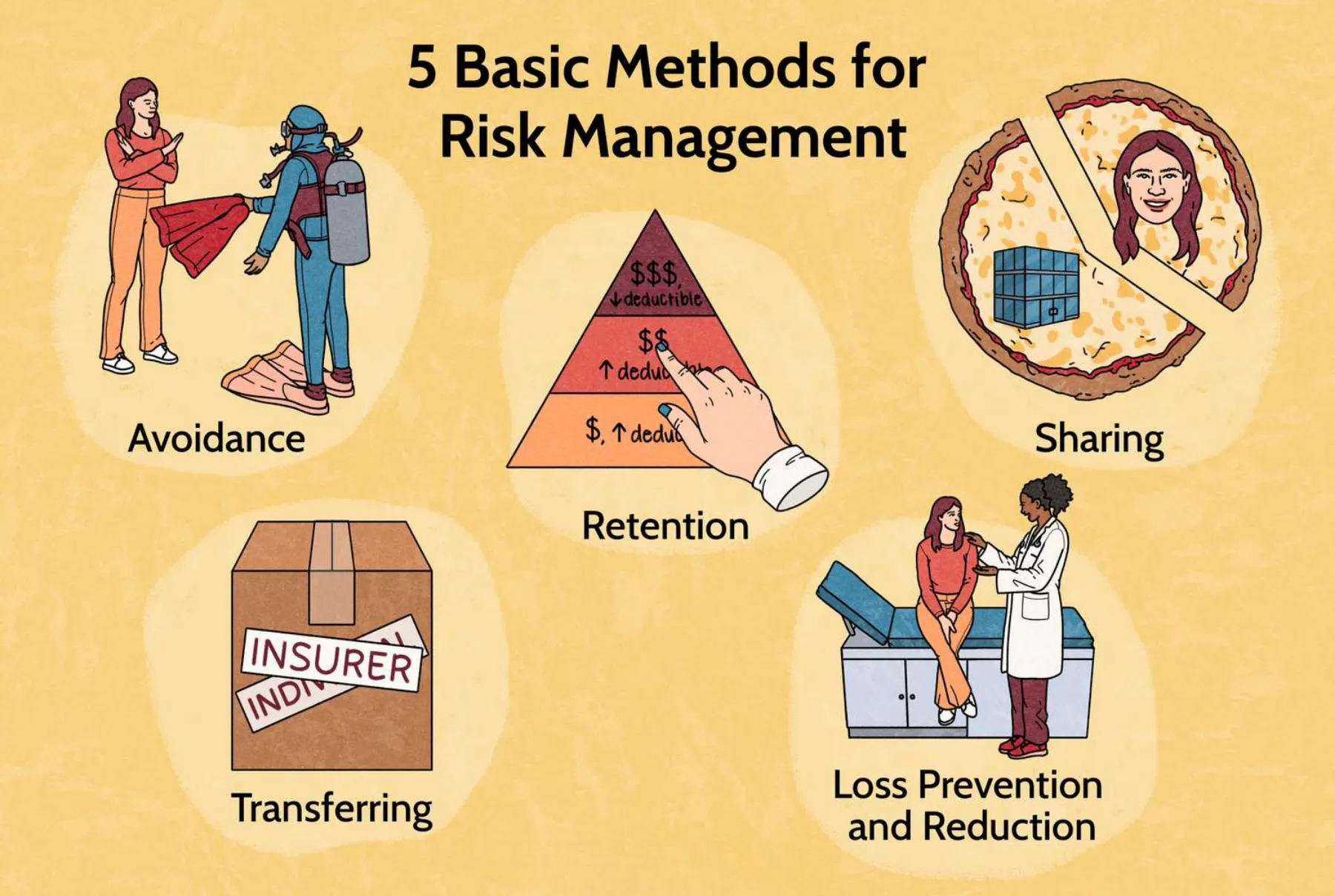
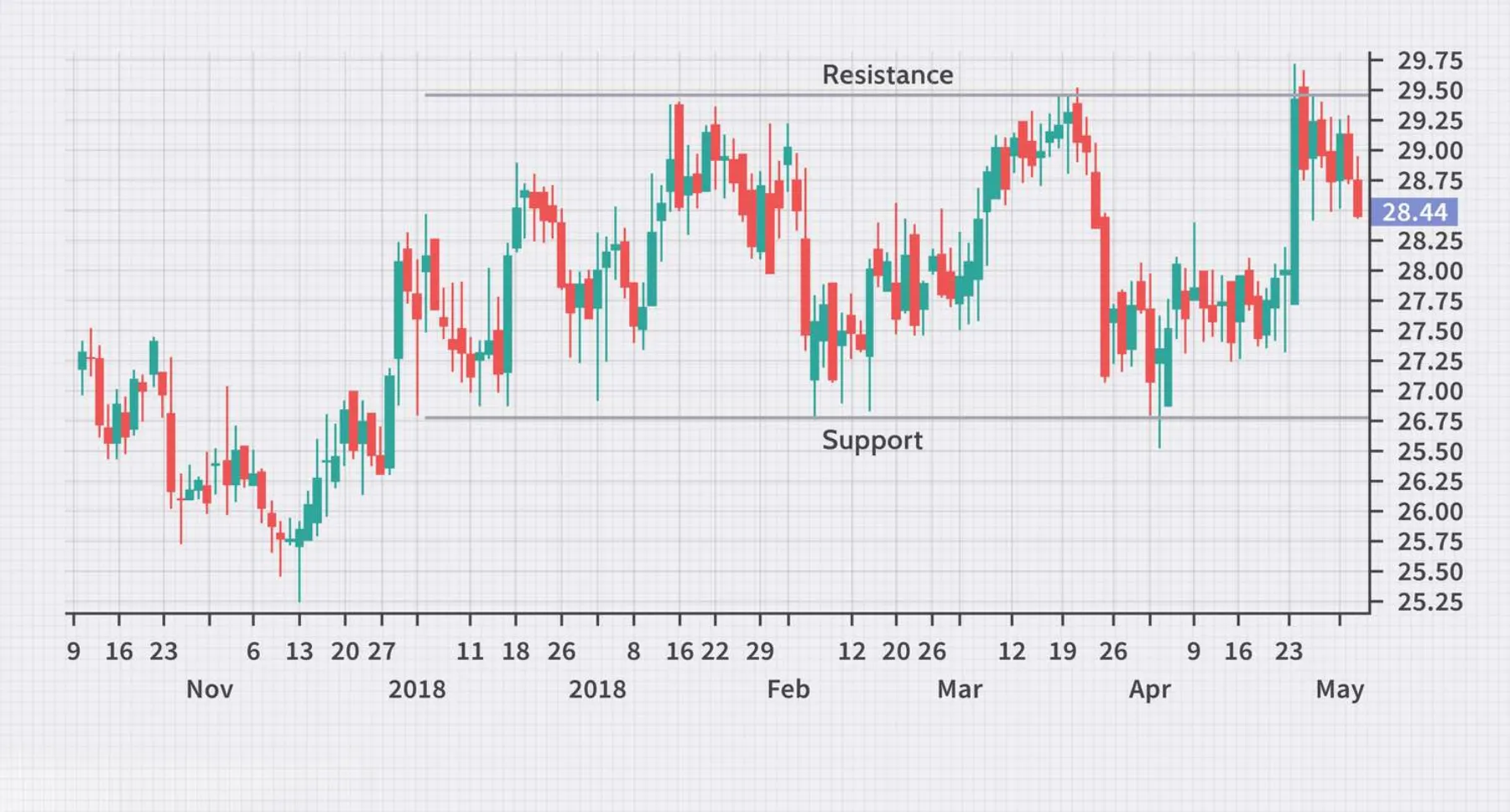
For instance, in a range trading strategy, you identify a “floor” (support) and a “ceiling” (resistance). If you buy near the support level, the strategy dictates that your stop-loss order should be placed just below that support level. If the price breaks below this floor, your assumption that the range would hold is proven wrong, and your trade is automatically closed for a small, manageable loss. Your take-profit target would be set just below the resistance level at the top of the range. This creates a predefined risk-to-reward ratio. You know exactly how much you stand to lose and how much you stand to gain.
Similarly, in a trend-following strategy, your stop-loss is often placed just below the most recent swing low in an uptrend. This is a logical place because if the price falls below that point, the uptrend structure may be broken. These built-in rules turn risk management from a stressful, emotional decision into a simple, mechanical step in your trading process. By making risk management an integral part of the strategy itself, it teaches you to think about protecting your capital first and foremost, which is the key to longevity in trading.
What Are the Top 5 Forex Trading Strategies for Beginners?
The top five forex trading strategies for beginners are Price Action Trading, Trend Following, Range Trading, Breakout Trading, and Position Trading, each offering a unique approach to analyzing the market. These strategies have been selected because they are relatively easy to understand and implement, and they teach foundational market concepts that will serve you throughout your trading career. Each one provides a different way to look at the market, allowing you to find a style that fits your personality and schedule. Some are designed for short-term action, while others take a much longer-term view.
Here’s a closer look at what each of these strategies involves. They are not mutually exclusive, and many successful traders combine elements from several of them. For a beginner, however, it is best to focus on mastering one at a time. This will help you build confidence and consistency before you start exploring more advanced techniques. Think of these as the fundamental building blocks of technical analysis. By learning how to identify a trend, a range, or a key price level, you are learning the language of the market.
What is Price Action Trading?
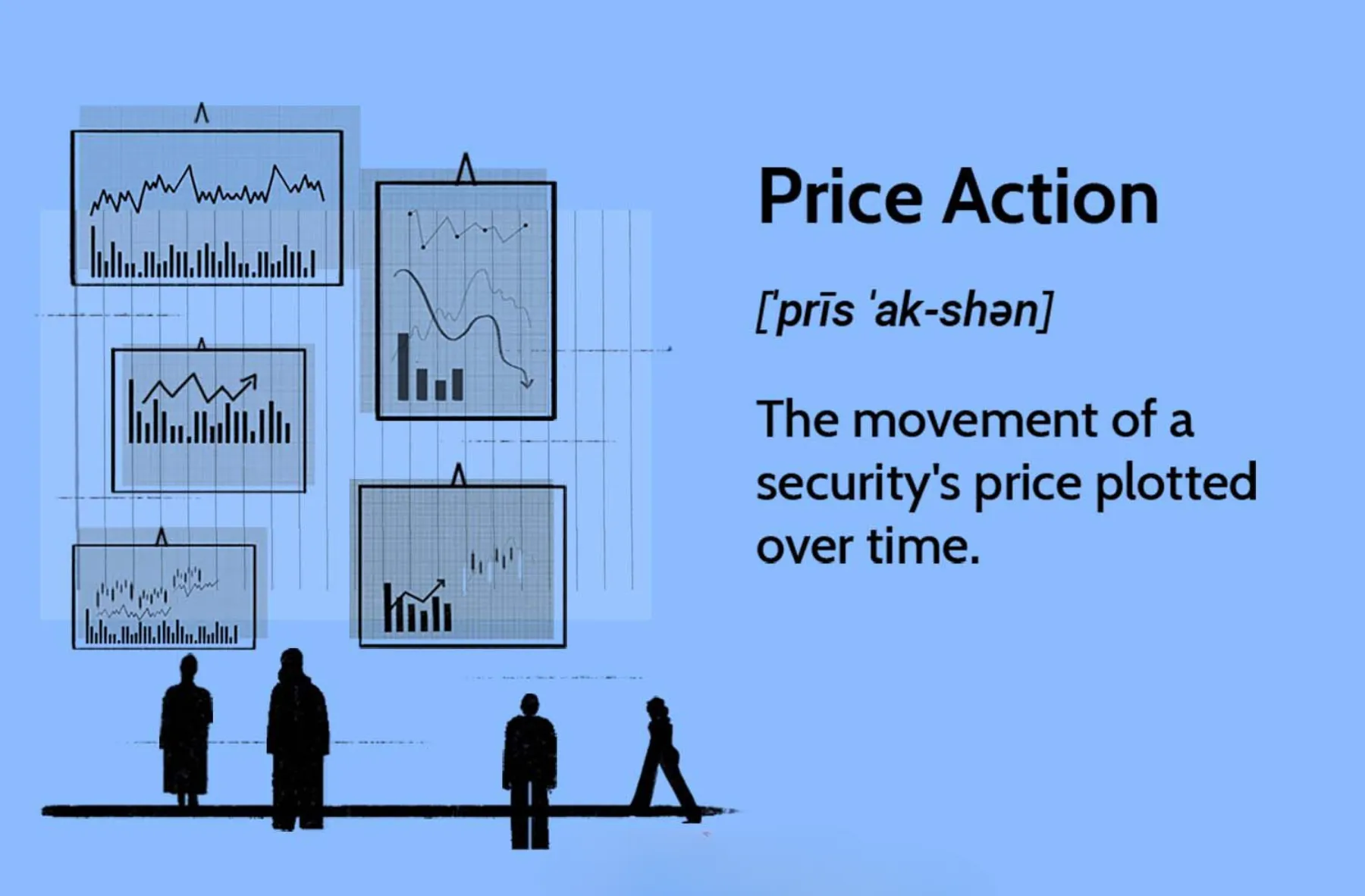
Price action trading is a strategy where decisions are based on the movement of price itself, rather than relying on secondary indicators derived from price. It is a clean and simple approach that involves reading the “story” the market is telling through its candlestick patterns and key price levels. The core idea is that all relevant market information, from economic data to trader sentiment, is already reflected in the price. By learning to interpret this price action, you can make high-probability trading decisions.
The two main components of price action trading are support and resistance levels and candlestick patterns.
- Support and Resistance: These are horizontal areas on a chart where the price has repeatedly struggled to move past. Support is a price “floor” where buying pressure tends to overcome selling pressure, causing the price to bounce up. Resistance is a price “ceiling” where selling pressure overcomes buying pressure, causing the price to turn back down. A price action trader will look to buy at support and sell at resistance.
- Candlestick Patterns: These are formations of one or more candlesticks that can signal potential reversals or continuations in price. For example, a Pin Bar (or hammer) has a long wick and a small body, suggesting that the market attempted to move in one direction but was strongly rejected. This is often a powerful reversal signal. Another common pattern is the Engulfing Candle, where a large candle completely “engulfs” the previous one, indicating a strong shift in momentum. A price action trader combines these patterns with support and resistance levels to find high-probability entry points.
What is Trend Following?
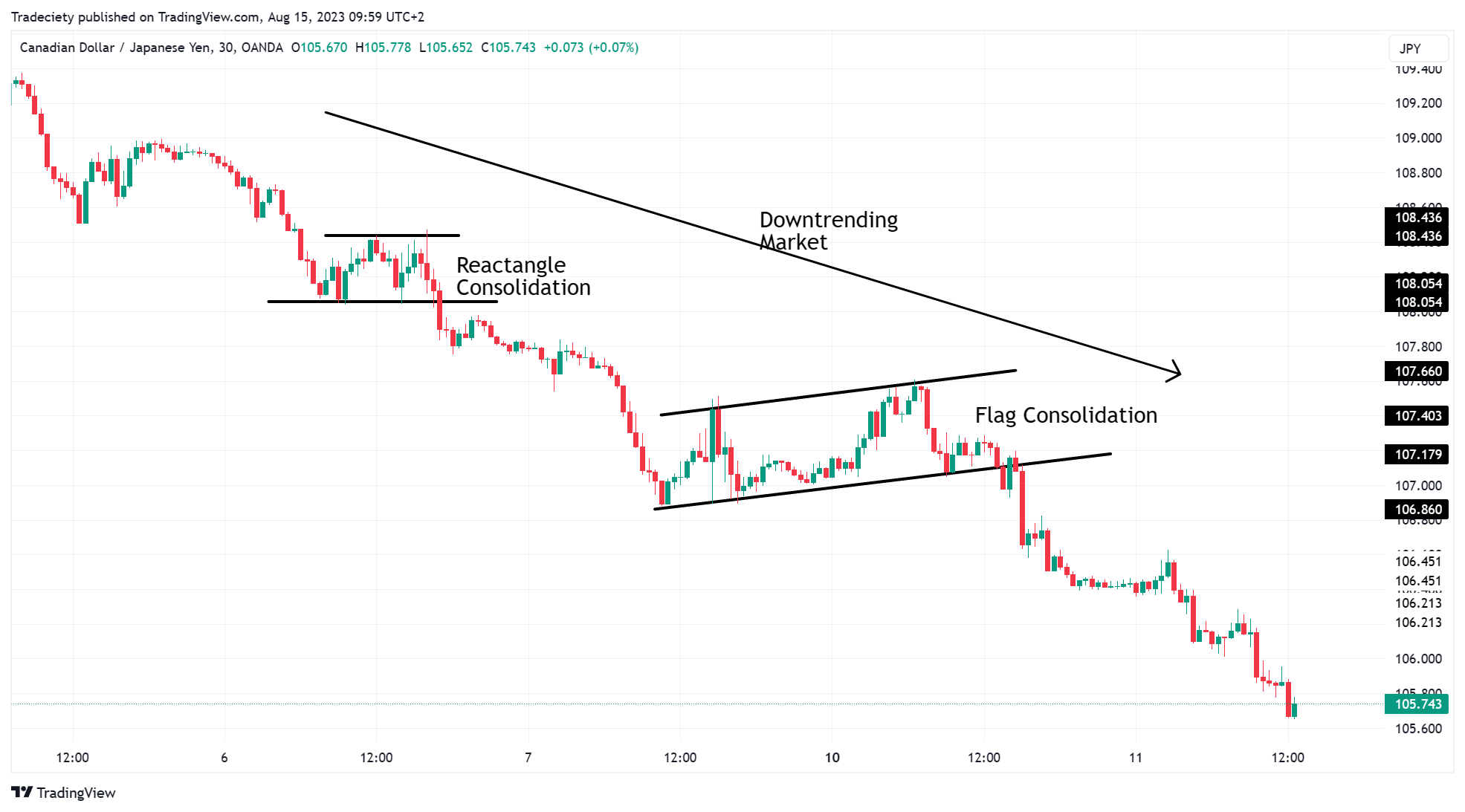
Trend following is a strategy based on the simple premise that markets often move in sustained directions, known as trends. The goal of a trend follower is to identify the direction of the main trend and place trades only in that direction. The famous trading maxim, “the trend is your friend,” is the guiding principle here. This strategy does not try to predict market tops or bottoms. Instead, it waits for a trend to establish itself and then joins in for the ride, aiming to capture the majority of the move.
One of the simplest tools for identifying a trend is the moving average. A moving average smooths out price data to create a single flowing line, making it easier to see the underlying trend direction. A common technique is to use two moving averages, for example, the 50-period and the 200-period moving averages.
- Uptrend: An uptrend is typically identified when the price is trading above both the 50 and 200 moving averages, and the 50 MA is above the 200 MA.
- Downtrend: A downtrend is identified when the price is below both moving averages, and the 50 MA is below the 200 MA.
The strategy itself is straightforward. In a confirmed uptrend, the trader does not just buy at any point. Instead, they wait for a pullback, which is a temporary dip in price back towards a moving average. This pullback offers a lower-risk entry point to join the trend. The trader would then place a buy order, with a stop-loss set just below the recent swing low, and ride the trend until there are signs of it weakening or reversing. This approach is systematic and helps prevent the common mistake of buying after a huge price spike or selling after a market crash.
What is Range Trading?
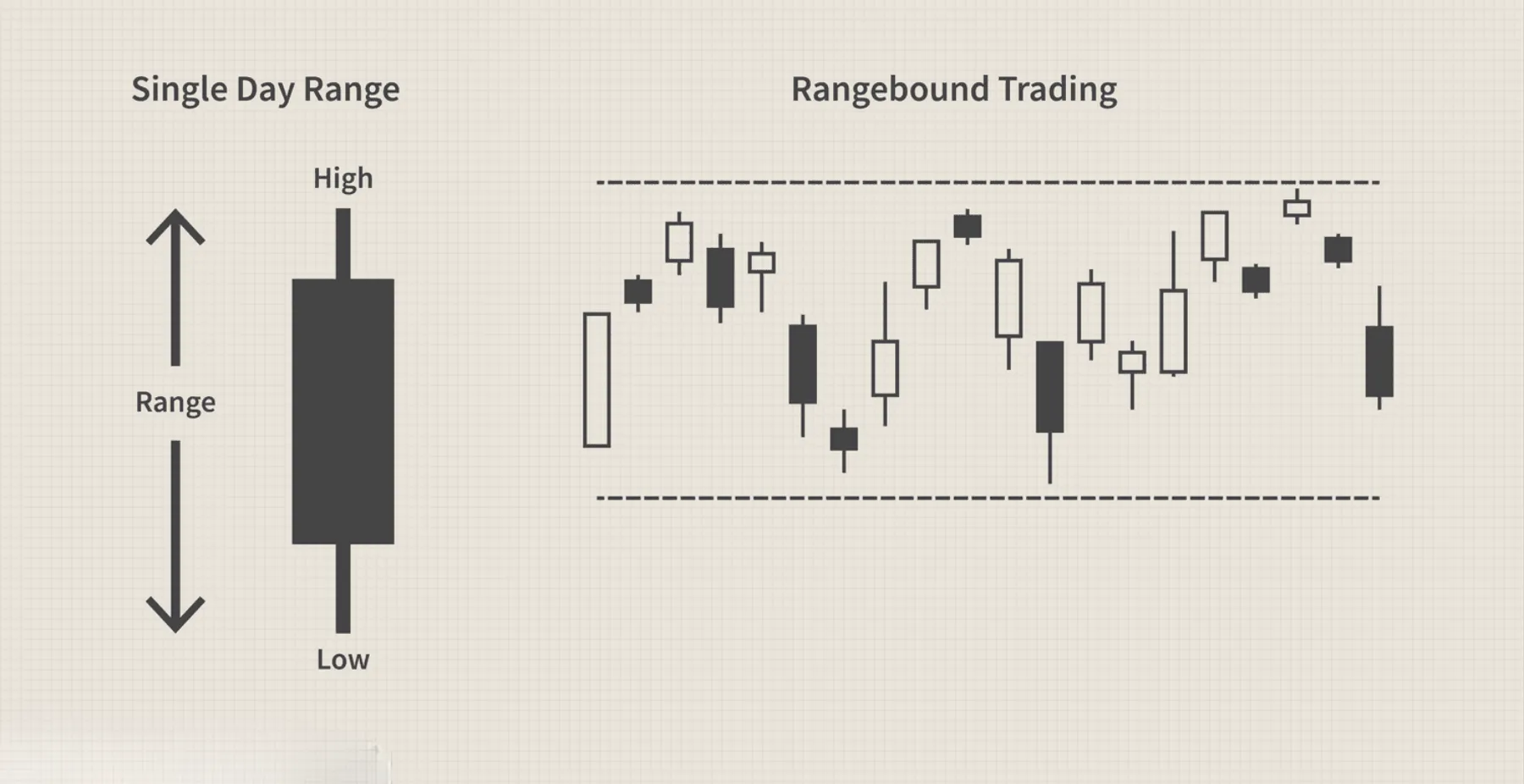
Range trading is a strategy used when a market is not trending in any clear direction but is instead bouncing between two predictable price levels. This is known as a “ranging” or “sideways” market. A range is defined by a clear support level (the floor) and a clear resistance level (the ceiling). The strategy is to buy when the price is near the support level and sell when the price is near the resistance level. It is a great strategy for beginners because the risk and reward are very clearly defined.
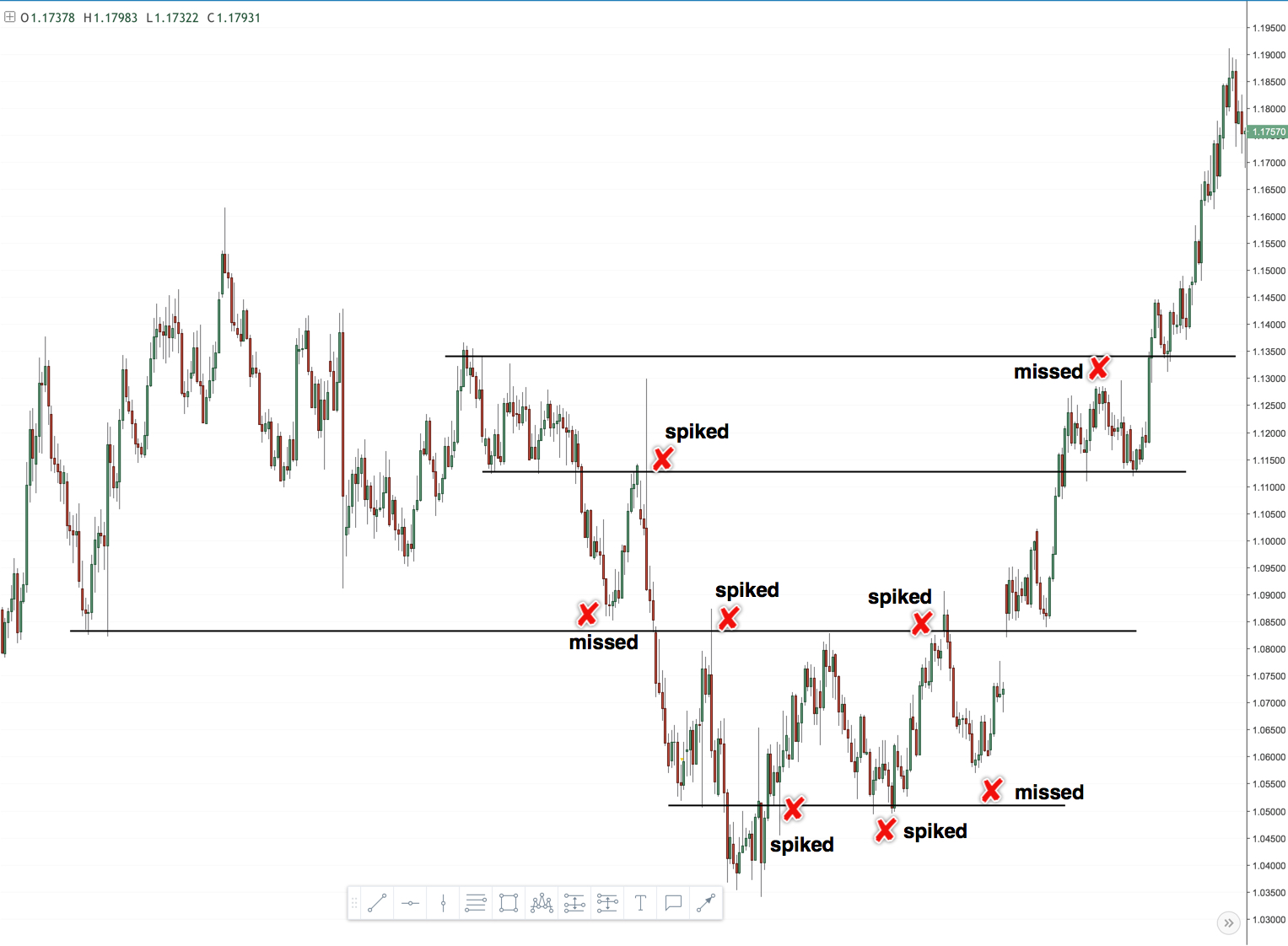
To implement this strategy, you first need to identify a market that is in a range. You can do this by drawing horizontal lines connecting the recent swing highs (resistance) and swing lows (support). The more times the price has touched and reversed from these levels, the stronger and more reliable the range is considered to be. Once the range is identified, the plan is simple:
1. Wait for the price to approach one of the boundaries. For example, wait for it to fall to the support level.
2. Look for confirmation. Do not just buy blindly because the price touched support. Wait for a candlestick pattern, like a pin bar, to show that buyers are stepping in and pushing the price back up. This confirms that the level is likely to hold.
3. Enter the trade. Place a buy order with a stop-loss just below the support level.
4. Set your profit target. Your take-profit order should be placed just below the resistance level at the top of the range.
This provides a very favorable risk-to-reward scenario. The distance to your stop-loss is small, while the distance to your profit target is much larger. Range trading works best in quieter market conditions and on currency pairs that are known to consolidate often.
What is Breakout Trading?
Breakout trading is a strategy that is almost the opposite of range trading. Instead of trading within a defined range, a breakout trader waits for the price to “break” through a key level of support or resistance, anticipating that this breakout will be the start of a new, strong trend. This strategy is based on the idea that when price is contained within a range or pattern, it is building up energy. When it finally breaks out of that containment, that stored energy is released in a powerful, directional move.
The key to breakout trading is correctly identifying significant levels. These could be the support and resistance levels of a range, a trendline, or the boundaries of a chart pattern like a triangle or flag. The process is as follows:
1. Identify the consolidation pattern. Draw the key levels that are containing the price.
2. Wait for the breakout. Be patient and wait for a strong candlestick to close decisively outside of the level. A common mistake is to enter too early, only for the price to reverse back into the range. This is known as a “false breakout” or “fakeout.”
3. Confirm the breakout. Some traders look for an increase in volume on the breakout candle as confirmation that there is real conviction behind the move. Another technique is to wait for a “retest,” where the price breaks out and then comes back to test the old level from the other side before continuing in the new direction.
4. Enter the trade. Once the breakout is confirmed, enter a trade in the direction of the break. The stop-loss is typically placed back inside the previous range or pattern.
Breakout trading can lead to quick and substantial profits when a new trend begins, but it requires discipline to avoid chasing false breakouts. It is best suited for more volatile market conditions when trends are likely to form.
What is Position Trading?
Position trading is a long-term strategy where traders hold positions for weeks, months, or even years. This approach is fundamentally different from the shorter-term strategies discussed above. Position traders are not concerned with minor, day-to-day price fluctuations. Instead, they focus on capturing major market trends that are driven by long-term fundamental factors, such as changes in interest rates, economic growth, and government policy.
Because of its long-term nature, position trading relies more on fundamental analysis than technical analysis, although technical analysis is still used to identify optimal entry and exit points. A position trader might analyze the economic health of two countries to decide which currency is likely to strengthen against the other over the next year. For example, if the U.S. Federal Reserve is raising interest rates while the European Central Bank is keeping them low, a position trader might decide to buy the U.S. dollar against the euro, expecting the dollar to appreciate over the long term.
One of the biggest advantages of position trading is that it requires a very low time commitment. A position trader might only spend a few hours per week analyzing the markets and managing their trades. This makes it an excellent choice for individuals who have a full-time job or cannot watch the charts all day. However, it requires a great deal of patience and the ability to withstand large price swings against your position without panicking. It also requires a larger trading account to handle the wider stop-losses that are necessary for long-term trades.
How Do These Beginner Strategies Compare?
These strategies compare primarily based on timeframe, risk level, and simplicity, with breakout and range trading suited for short-term traders, while trend following and position trading are better for long-term investors. Price action trading is a versatile skill that can be applied across all timeframes. Choosing the right one depends on your personality, how much time you can dedicate to trading, and your tolerance for risk. There is no single “best” strategy; there is only the best strategy for you.
Let’s break down which strategies fit different trading styles. Understanding these differences will help you select an approach that aligns with your personal goals and lifestyle. For example, a person who enjoys fast-paced action and can watch the markets for a few hours each day might prefer a short-term strategy. On the other hand, someone who wants a more hands-off approach would be better suited to a long-term strategy.
Here is a quick summary of how they stack up:
- Timeframe: Range and Breakout trading are typically short-term (minutes to hours). Trend Following is medium-term (days to weeks). Position Trading is long-term (weeks to months or years).
- Time Commitment: Short-term strategies require you to be actively watching the charts. Long-term strategies require much less screen time, perhaps only checking in once a day or even once a week.
- Risk Profile: Breakout trading can be psychologically challenging due to false breakouts. Range trading offers very defined and contained risk. Long-term strategies require wider stop-losses, meaning you risk more points per trade, but you generally trade less frequently.
Which Strategy is Best for Short-Term Trading?
For traders who prefer holding positions for minutes to hours and enjoy a more active approach, both Breakout Trading and Range Trading are excellent choices. They operate on lower timeframes, like the 15-minute or 1-hour charts, and aim to profit from daily price movements.

Range Trading is ideal for someone who is patient and methodical. It thrives in markets that are consolidating and not moving with strong momentum. The rules are very clear: buy at the bottom of the channel and sell at the top. This repetitive nature can be very calming for some traders. The risk is well-defined, as your stop-loss is placed just outside the range. It is a great way to practice discipline and execution because the setup is easy to identify. However, you must be careful when a market that has been ranging starts to trend, as the range boundaries will no longer hold.
Breakout Trading, on the other hand, is suited for traders who are more aggressive and seek excitement. It is designed to capture the explosive moves that happen when a market finally breaks out of a period of consolidation. The potential for quick, large profits is higher than in range trading. However, it also comes with the challenge of dealing with false breakouts, where the price teases a breakout only to snap back into the range. This can be frustrating and requires quick decision-making and a resilient mindset. If you enjoy volatility and can act decisively, breakout trading might be a good fit.
Which Strategy is Best for Long-Term Trading?
For traders who have limited time, a patient temperament, and prefer a “set and forget” style of trading, Trend Following and Position Trading are the best options. These strategies focus on capturing large, sustained market moves over weeks or months, filtering out the distracting “noise” of daily price swings.
Trend Following on higher timeframes (like the daily or 4-hour chart) is a great medium to long-term approach. You might identify a trend that lasts for several weeks and hold your trade to capture a significant portion of that move. This requires patience, as you will have to ride out several days of pullbacks that go against your position. The time commitment is low; you might only need 20-30 minutes at the end of each day to check your charts and manage your trades. It is a systematic, rule-based way to participate in major market swings without being glued to your screen.
Position Trading is the ultimate long-term strategy. It is more akin to investing than trading. You might hold a single position for many months or even years, based on your analysis of macroeconomic fundamentals. This approach requires the least amount of time, but it demands a deep understanding of economics and a very strong, patient mindset. You will need to be comfortable having a trade open through significant news events and periods of volatility. Your stop-losses will be very wide, measured in hundreds of pips, so a well-capitalized account is necessary. This is perfect for someone who wants to take a big-picture view of the markets and is not interested in the day-to-day action.
What Foundational Skills Must a Beginner Master?
A beginner must master two foundational skills above all else: disciplined risk management and the consistent use of a well-defined trading plan, as no strategy can succeed without them. Many new traders focus all their energy on finding the perfect entry signal, believing that a good strategy is all they need. However, professional traders know that long-term success comes from how you manage your trades and yourself, not just from how you enter them. These foundational skills provide the structure and discipline necessary to navigate the uncertainties of the market. They are the bedrock upon which any successful trading career is built.
To understand this better, think of a trading strategy as your vehicle. It can be a fast and powerful one, but without a steering wheel (your trading plan) and brakes (your risk management), you are destined to crash. Mastering these skills first will protect your capital while you are in the learning phase and will ultimately be the deciding factor between success and failure. Let’s look at what each of these skills involves in more detail.
What is Risk Management in Forex?
Risk management in forex is the set of rules and processes you use to protect your trading capital from significant losses. It is not about avoiding losing trades, because losses are a natural and unavoidable part of trading. Instead, it is about ensuring that your losses are always small and manageable, so that they never threaten the survival of your account. Effective risk management allows you to stay in the game long enough for your winning trades to make you profitable.
There are three core components to risk management that every beginner must master:
- The 1% Rule: This is one of the most important rules in trading. It states that you should never risk more than 1% of your total account balance on a single trade. For example, if you have a $2,000 trading account, the maximum you should be willing to lose on any one trade is $20. This simple rule prevents a single bad trade or a string of losses from wiping out your account. It forces you to stay disciplined and preserves your capital for future opportunities.
- Setting Stop-Losses: A stop-loss is an order you place with your broker to automatically close a trade at a specific price. It is your ultimate safety net. Every single trade you take must have a stop-loss. This pre-determined exit point for a losing trade removes emotion from the decision. You decide your maximum acceptable loss when you are calm and analytical, not in the heat of the moment when a trade is going against you.
- Risk-to-Reward Ratios: This concept involves only taking trades where the potential profit is significantly larger than the potential loss. A common minimum target is a 1:2 risk-to-reward ratio. This means for every $1 you are risking (the distance from your entry to your stop-loss), you are aiming to make at least $2 in profit (the distance from your entry to your take-profit). This powerful concept means you can be wrong more often than you are right and still be profitable. For instance, with a 1:2 ratio, you only need to win 40% of your trades to be profitable over time.
Why is a Trading Plan Essential?
A trading plan is your personal business plan for trading. It is a written document that outlines every aspect of your trading activity, from your strategy rules to your risk management protocols. Its purpose is to remove emotion, subjectivity, and impulsive decisions from your trading. When the market is moving quickly and you are feeling the pressure of a live trade, your trading plan is the objective guide that tells you exactly what to do. Trading without a plan is like trying to navigate a ship in a storm without a map or a compass.
A trading plan is essential because it enforces discipline and consistency. The market is designed to trigger emotional responses like fear and greed. Without a plan, you are likely to make decisions based on these emotions, such as closing a winning trade too early out of fear or holding a losing trade too long out of hope. By committing your rules to paper, you create a framework for objective decision-making. You are no longer guessing; you are executing a predefined plan.
A basic trading plan for a beginner should include the following components:
- Strategy Criteria: Clearly define the strategy you will use. What are the exact conditions that must be met for you to enter a trade? What currency pairs will you trade? What timeframes will you analyze?
- Entry and Exit Rules: Specify your precise rules for entering a trade and for exiting it. This includes your criteria for setting your take-profit target.
- Risk Management Rules: This section should detail your risk per trade (e.g., the 1% rule), how you will calculate your position size for every trade, and your exact methodology for placing your stop-loss order.
By creating and, most importantly, following a trading plan, you turn trading from a form of gambling into a structured, professional business.
What Else Should a Beginner Know About Forex Trading?
Beyond specific strategies, a beginner must understand market analysis, risk management, broker selection, and the psychological discipline required for long-term success. Furthermore, grasping these foundational concepts provides a solid framework that supports any trading strategy you choose to implement.
What is the Difference Between Technical and Fundamental Analysis?
Technical and fundamental analysis are two distinct methods used to forecast future price movements in the forex market. Technical analysis involves studying historical price charts and market statistics. Traders use indicators, chart patterns, and trend lines to identify trading opportunities based on the idea that all known information is already reflected in the price. It answers the question, “What is the market doing?” For example, a technical trader might use the Relative Strength Index (RSI) to spot overbought or oversold conditions. Most simple strategies for beginners are based on technical analysis because it provides clear, visual entry and exit signals.

In contrast, fundamental analysis focuses on the economic, social, and political forces that drive supply and demand. This method seeks to determine a currency’s intrinsic value by examining macroeconomic data.
- It analyzes factors like interest rates, inflation reports, gross domestic product (GDP), and employment figures.
- A fundamental trader might buy the US dollar if the Federal Reserve is expected to raise interest rates, as higher rates often attract foreign investment.
- This approach answers the question, “Why is the market moving in a certain direction?”
Are Automated Forex Robots (EAs) a Good Idea for Beginners?
Automated forex robots, known as Expert Advisors (EAs), can be tempting for beginners, but they carry substantial risks that often outweigh their benefits. An EA is a program that automatically executes trades on your behalf based on a pre-set algorithm. The primary appeal is that they can trade 24/7 without emotional interference. However, beginners should be extremely cautious. Many EAs sold online are scams or perform poorly in live market conditions, which are far more unpredictable than the historical data they were tested on. A major drawback is the “black box” nature of many robots, where you do not understand the logic behind the trades it takes.
It is highly recommended that beginners first learn to trade manually. By developing and testing your own strategy, you gain a deep understanding of market behavior, risk management, and the reasons behind your wins and losses.
- Manual trading builds foundational skills that an EA cannot teach, such as market intuition and adaptability.
- Understanding the “why” behind a trade is essential for long-term success and troubleshooting when a strategy stops working.
- Once you are consistently profitable with a manual strategy, you can then consider automating it, but not before.
What are the Most Common Mistakes Beginner Traders Make?
Beginner forex traders often make predictable and costly mistakes that can quickly deplete their trading capital. One of the most common is over-leveraging, which means using too much borrowed capital relative to your account size. This amplifies both gains and losses, and a single bad trade can wipe out an account. Another frequent error is revenge trading, where a trader tries to immediately win back money after a loss by making impulsive, high-risk trades that deviate from their plan. This emotional response almost always leads to further losses.
Finally, many newcomers fail to develop and follow a structured trading plan. A trading plan should define your strategy, risk tolerance, and rules for entering and exiting trades.
- Failing to use a stop-loss order on every trade is a critical mistake that leaves you exposed to unlimited risk.
- Risking too much per trade is another pitfall. A common guideline is to risk no more than 1-2% of your account balance on any single trade.
- Ignoring the bigger picture by focusing only on short-term charts can cause you to trade against a powerful, dominant trend.
How Do You Choose the Right Forex Broker?
Choosing the right forex broker is one of the most important decisions you will make as a trader, as it directly impacts your security, costs, and overall trading experience. The single most important factor is regulation. A broker regulated by a top-tier authority, such as the Financial Conduct Authority (FCA) in the UK or the Australian Securities and Investments Commission (ASIC), provides a high level of client fund protection and operational transparency. Avoid unregulated or offshore brokers at all costs.

Next, you should evaluate the trading costs. These primarily include the spread, which is the difference between the buy and sell price, and commissions. Low, transparent fees will improve your profitability over time. The trading platform is also key.
- Platform reliability and usability are very important. Most brokers offer MetaTrader 4 (MT4) or MetaTrader 5 (MT5), which are industry standards and excellent for beginners.
- Customer support should be responsive and helpful, available through channels like live chat, email, or phone.
- Account options, such as minimum deposit size and available leverage, should align with your financial situation and risk tolerance.
Can You Practice These Strategies Without Risking Money?
Yes, you can and absolutely should practice any trading strategy without risking real money by using a demo account. A demo account is a trading simulator provided by forex brokers that allows you to trade with virtual funds in a live market environment. This tool is invaluable for beginners because it provides a completely risk-free setting to learn the ropes. You can use it to get comfortable with your broker’s trading platform, practice executing orders, and test different strategies under real market conditions. The prices, charts, and data feeds are typically the same as those on a live account.

Using a demo account helps build the mechanical skills and confidence needed to trade successfully. It allows you to make mistakes and learn from them without any financial consequences.
- You can test the profitability and drawdown of a strategy over several weeks or months.
- It helps you master the technical aspects of your chosen platform, such as setting stop-loss and take-profit orders.
- It provides a safe space to develop the psychological discipline needed to follow your trading plan without the emotional pressure of real money.