

Blog
Forex vs Stock Trading: What are the 8 Key Differences for Traders?

Deciding between forex and stock trading involves understanding their core distinctions across market structure, assets, and risk factors. The 8 key differences for traders are the type of asset traded, market size and liquidity, trading hours, sources of volatility, available leverage, primary price influencers, market structure, and transaction costs. These elements shape everything from your trading strategy and schedule to your potential for profit and exposure to risk. A clear grasp of these differences is the first step toward choosing the market that best aligns with your financial goals and trading style.
For beginners, stock trading often provides a more understandable entry point due to stronger regulation and tangible asset ownership, while forex trading presents a steeper learning curve with its high leverage and complex macroeconomic factors. The concept of buying a piece of a familiar company like Apple or Google is more intuitive than trading currency pairs influenced by global economic policies. The robust regulatory frameworks governing stock exchanges also offer a greater sense of security for those new to the markets.
In terms of profitability, forex trading offers higher potential for short-term gains due to greater leverage, but this also amplifies risk, whereas stock trading typically aligns with long-term wealth growth through company performance. The high leverage in forex allows traders to control large positions with a small amount of capital, creating the potential for significant returns from minor price movements. Conversely, stock trading profits are often built over time, tied to a company’s success, innovation, and market position.
Ultimately, the choice between forex and stocks depends entirely on the individual trader. Your risk tolerance, capital, available time for trading, and analytical preferences will guide you toward the right market. This guide will break down each of these key differences in detail, providing the clarity needed to make an informed decision on your trading journey.
What is Forex Trading?
Forex trading is the act of speculating on the fluctuating exchange rates between national currencies within a decentralized global market. At its core, it involves the simultaneous buying of one currency while selling another, with traders aiming to profit from the change in their relative value. For example, if you believe the Euro (EUR) will strengthen against the U.S. Dollar (USD), you would buy the EUR/USD pair. If the Euro’s value rises as predicted, you can sell the pair for a profit. This massive, over-the-counter (OTC) market is the largest and most liquid financial market in the world, with trillions of dollars exchanged every day.
To understand this better, let’s explore the foundational concepts that define the forex market. The primary instrument you trade is a currency pair, which is the quotation of two different currencies, with the value of one currency being quoted against the other. The first listed currency is called the “base currency,” and the second is the “quote currency.” For the EUR/USD pair, the Euro is the base and the U.S. Dollar is the quote. The price tells you how many U.S. Dollars it takes to buy one Euro. Traders speculate on whether the base currency will rise or fall in value against the quote currency. The most traded pairs, known as the “majors,” all involve the U.S. Dollar and include pairs like EUR/USD, GBP/USD, and USD/JPY.
Unlike the stock market, the forex market is decentralized. This means there is no central physical exchange, like the New York Stock Exchange. Instead, trading is conducted electronically over-the-counter through a global network of banks, financial institutions, and individual traders. This global nature is why the market can operate 24 hours a day, five days a week. As trading closes in one part of the world, it opens in another, moving from financial centers like Sydney, to Tokyo, to London, and finally to New York. This continuous operation provides immense flexibility for traders worldwide.
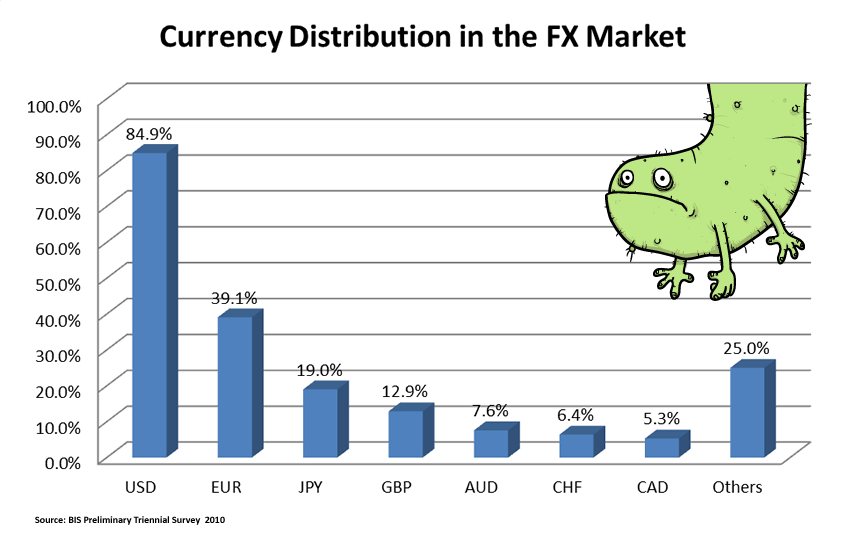
Finally, the most defining characteristic of the forex market is its extremely high liquidity. With an average daily trading volume exceeding $6 trillion, it dwarfs all other financial markets. This high volume means that under normal market conditions, you can buy or sell large amounts of major currencies almost instantly without causing a significant change in the price. This liquidity ensures price stability and tighter spreads, which is the difference between the buy (ask) and sell (bid) price, representing the primary cost of trading for many forex participants. This environment allows for smooth execution of trades, which is a major draw for short-term traders.
What is Stock Trading?
Stock trading is the buying and selling of ownership shares, or equity, in a publicly traded company. When you buy a stock, you are purchasing a small piece of that company, making you a shareholder. As a shareholder, you have a claim on the company’s assets and earnings. If the company performs well and its value increases, the price of your stock will likely rise, and you can sell it for a profit. Conversely, if the company performs poorly, its stock price may fall, leading to a loss. Stock trading is a fundamental component of the global economy, allowing companies to raise capital for growth and giving investors a chance to share in their success.
Let’s break down the key concepts that underpin stock trading. The core asset is a company share, also known as equity. These shares represent ownership and are traded on centralized exchanges. Unlike the decentralized forex market, stock exchanges are regulated marketplaces where buyers and sellers come together to trade securities. The most well-known exchanges include the New York Stock Exchange (NYSE) and the NASDAQ. These exchanges provide a structured, transparent, and regulated environment, with set trading hours, typically aligning with the business day of their home country. This centralized structure ensures that all participants have access to the same price information and that trades are executed fairly.
Another key concept is market capitalization, or “market cap,” which is the total market value of a company’s outstanding shares. It’s calculated by multiplying the current stock price by the total number of shares. Market cap is used to categorize companies into different sizes: large-cap (like Apple or Microsoft), mid-cap, and small-cap. This classification helps investors understand the company’s scale and associated risk. Large-cap stocks are generally seen as more stable and less volatile, while small-cap stocks often have higher growth potential but also come with greater risk.
The value of a stock is driven by a wide range of factors, but it primarily reflects market perception of the company’s future profitability. Investors and traders use two main types of analysis to make decisions. Fundamental analysis involves examining a company’s financial health, including its revenue, earnings, assets, and liabilities, as well as industry trends and overall economic conditions. The goal is to determine a stock’s intrinsic value. Technical analysis, on the other hand, focuses on chart patterns, trading volume, and other market statistics to predict future price movements. Many traders use a combination of both approaches to inform their strategies.
How Do Forex and Stock Trading Directly Compare?
Forex and stock trading differ primarily in market size and liquidity, operating hours, volatility characteristics, available leverage, and the core economic factors that influence prices. While both involve speculating on price movements to generate profit, the mechanics and environments of each market are fundamentally distinct. The forex market is a global, decentralized arena for trading currencies, whereas the stock market is a collection of centralized exchanges for trading ownership in specific companies. Understanding these differences is essential for any trader looking to choose the right market for their goals.
To understand this better, it helps to look at each point of comparison directly. The scale of the forex market creates an environment of deep liquidity that is unmatched, while the stock market’s structure offers tangible ownership and stricter regulatory oversight. The 24-hour nature of forex offers incredible flexibility, contrasting sharply with the fixed schedules of stock exchanges. Each of these distinctions has a direct impact on trading strategies, risk management, and the overall trading experience.
What is the Difference in Market Size and Liquidity?
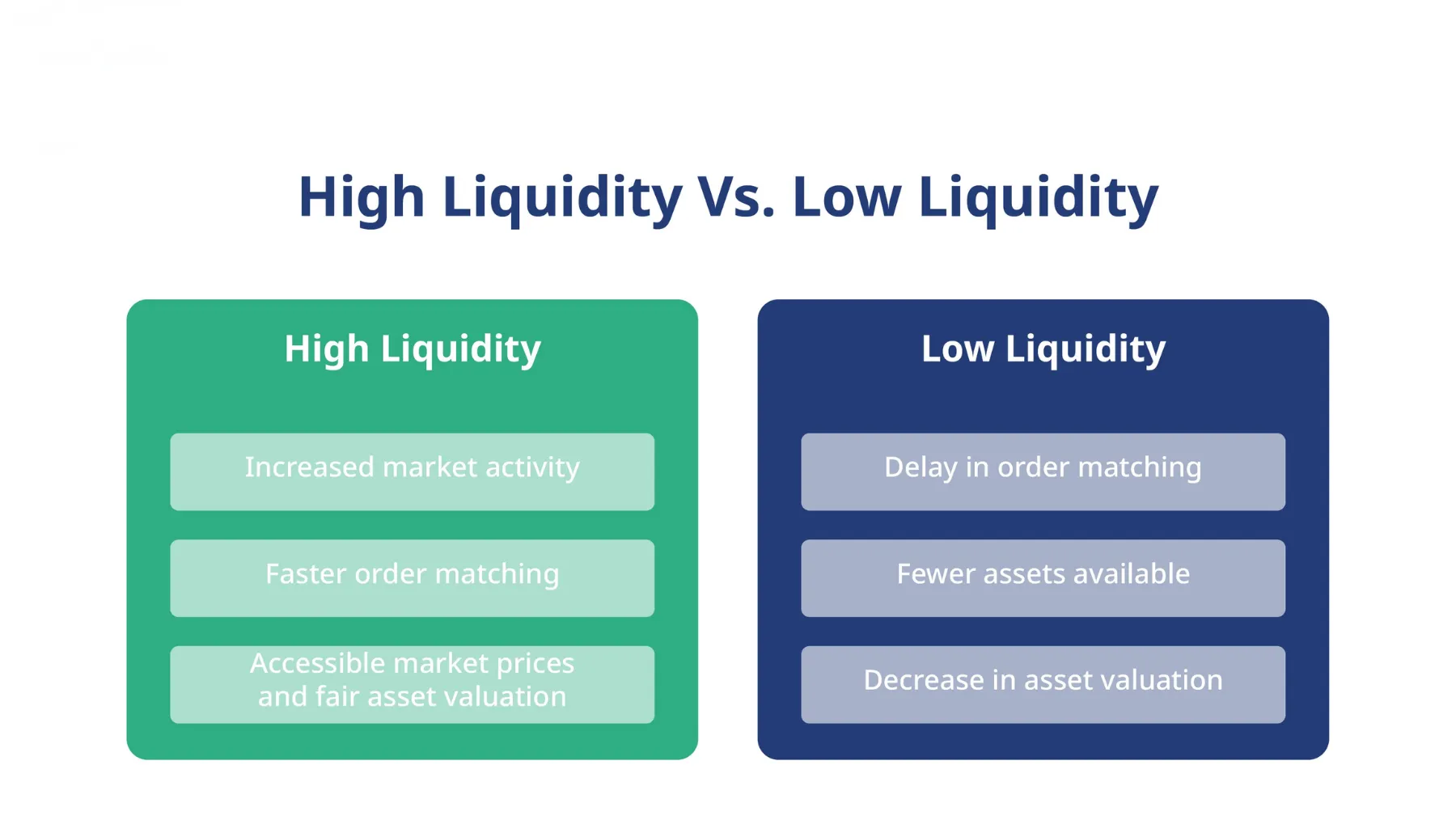
The most significant difference lies in the sheer scale of the two markets. The forex market is the largest financial market in the world by a wide margin. With a daily trading volume that exceeds $6 trillion, the forex market’s immense size results in extremely high liquidity. This means that for major currency pairs like the EUR/USD or GBP/USD, there are always buyers and sellers available. This deep liquidity allows traders to enter and exit large positions with minimal price slippage, which is the difference between the expected price of a trade and the price at which the trade is actually executed. For traders, this translates to faster trade execution and tighter bid-ask spreads, which lowers transaction costs.

In contrast, the stock market, while massive, is considerably smaller in daily trading volume. The total value of all global stock markets is large, but liquidity is fragmented across thousands of individual companies. For example, a blue-chip stock like Amazon or Apple has very high liquidity, and you can easily buy or sell millions of dollars worth of shares without dramatically impacting its price. However, a smaller, less-known company might have very low liquidity. Trying to sell a large block of shares in an illiquid stock could cause its price to drop sharply, making it difficult to exit a position at a favorable price. This variation in liquidity from one stock to another is a key consideration for stock traders.
How Do the Trading Hours Differ?
The operating hours of these two markets are a practical and defining difference for traders. The forex market operates 24 hours a day, five days a week, due to its global, decentralized nature. Because it is an over-the-counter market with no central exchange, trading simply follows the sun around the globe. The trading day begins with the opening of the Sydney session, followed by Tokyo, then London, and finally New York. This continuous cycle means you can trade forex at any time of day or night from Sunday evening to Friday afternoon, offering incredible flexibility to fit trading around a personal schedule. The highest liquidity typically occurs when major sessions overlap, such as the London and New York overlap.
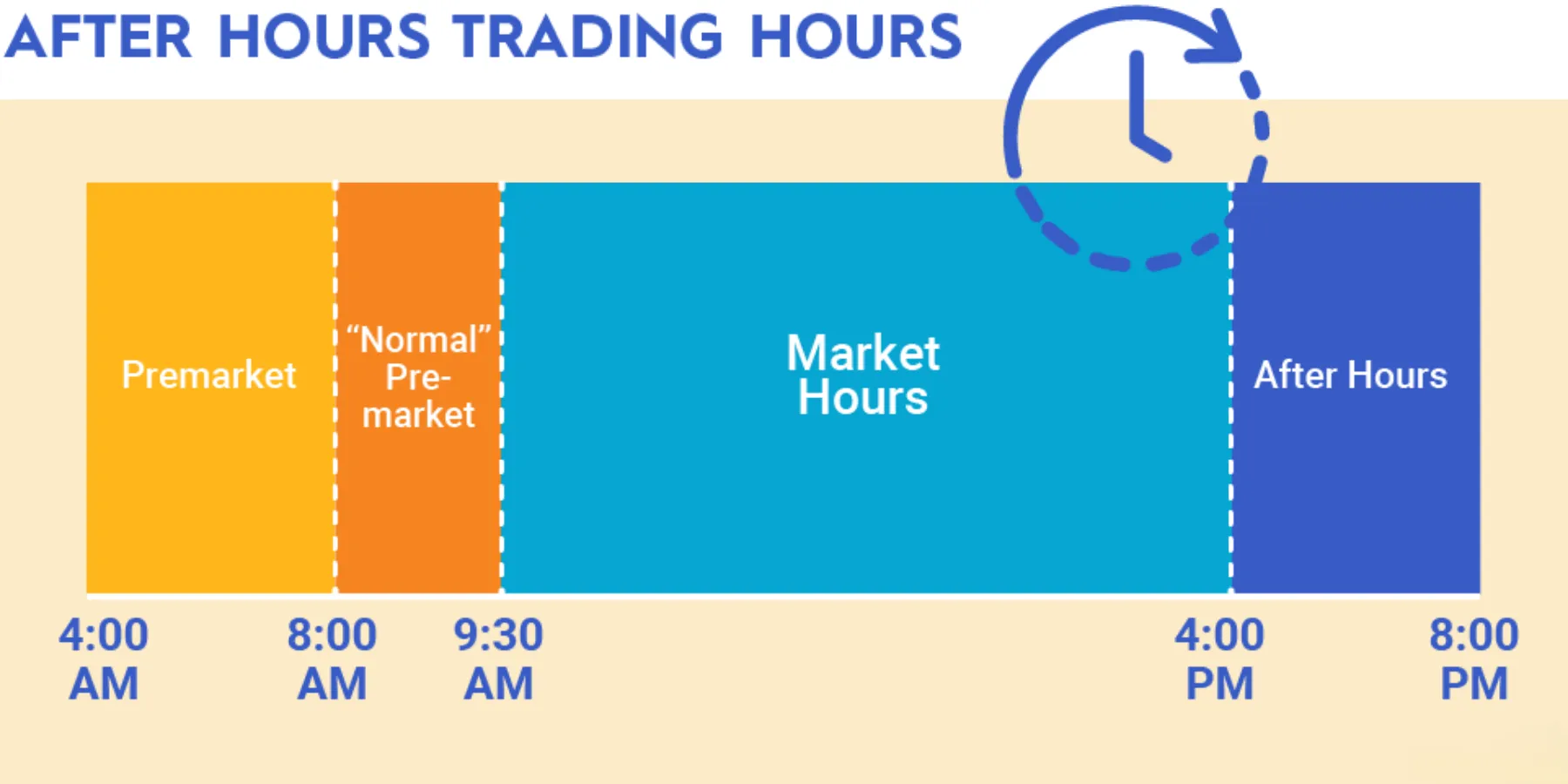
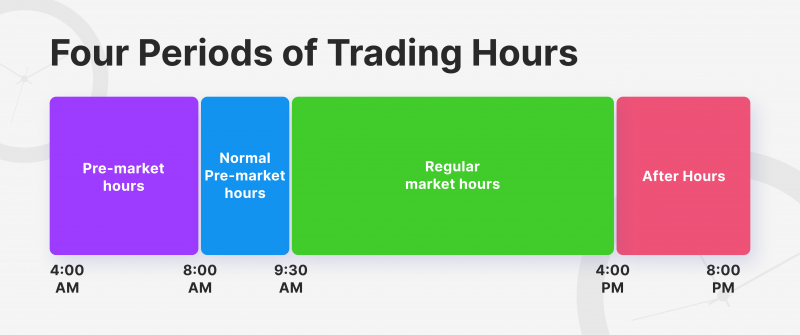
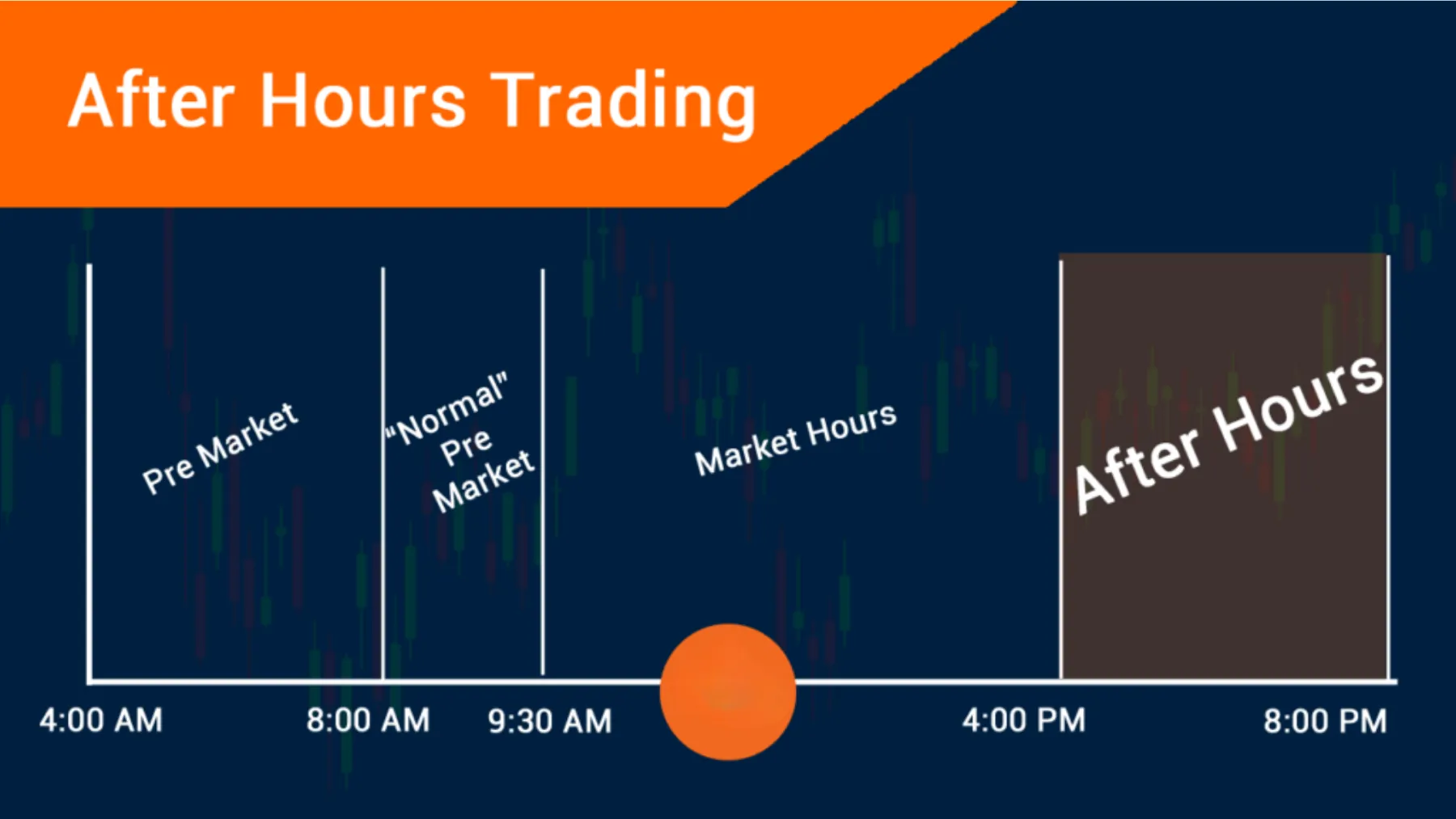
On the other hand, stock trading is restricted to the operating hours of its specific exchange. Stock exchanges have fixed trading sessions, which are generally limited to a country’s standard business day. For instance, the New York Stock Exchange (NYSE) and NASDAQ are open from 9:30 AM to 4:00 PM Eastern Time, Monday through Friday. While there is an opportunity for pre-market and after-hours trading, the volume and liquidity during these periods are significantly lower. This limited schedule means stock traders must operate within a defined window, and any major company news released outside of these hours can lead to a significant price gap when the market reopens the next day.
What is the Difference in Market Volatility?
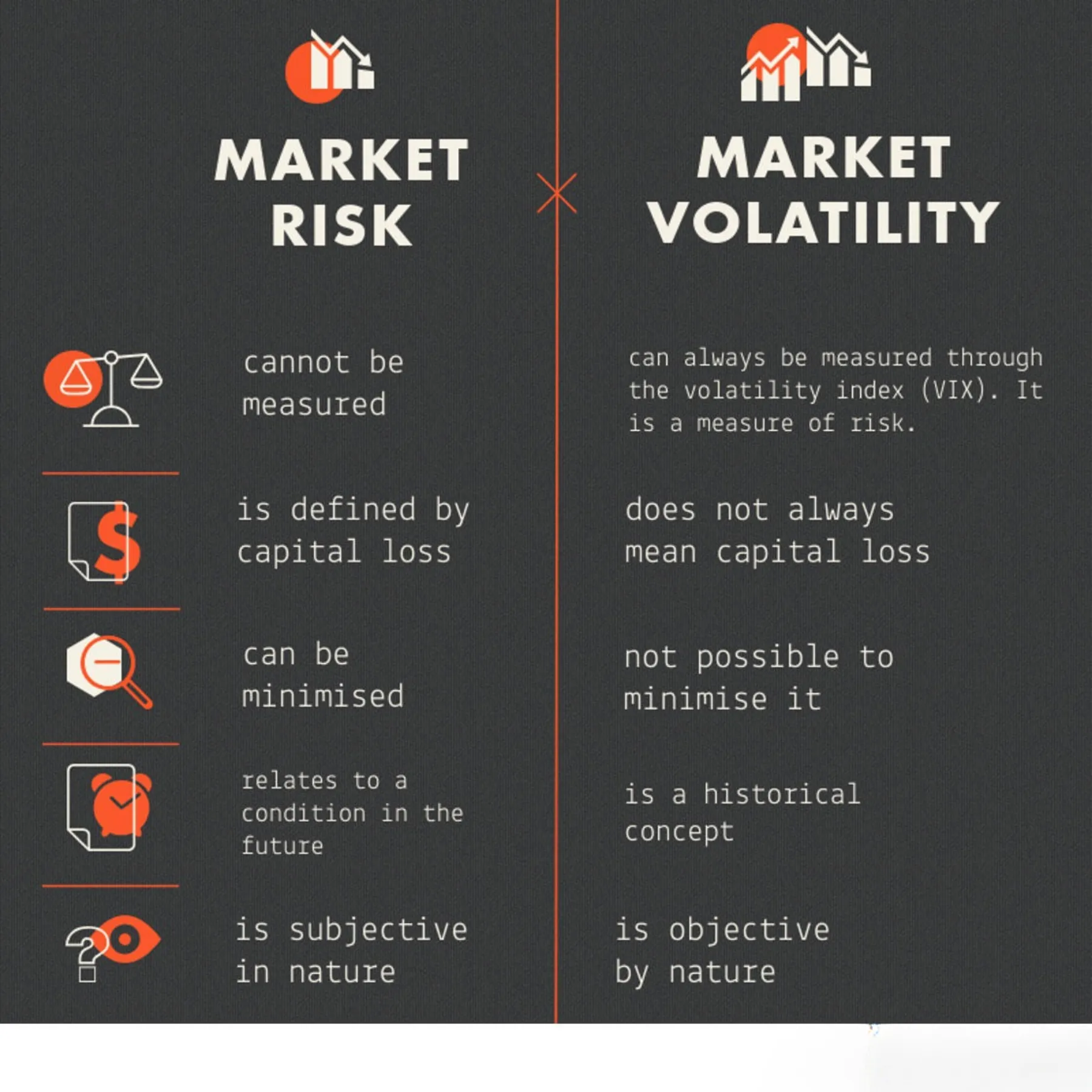
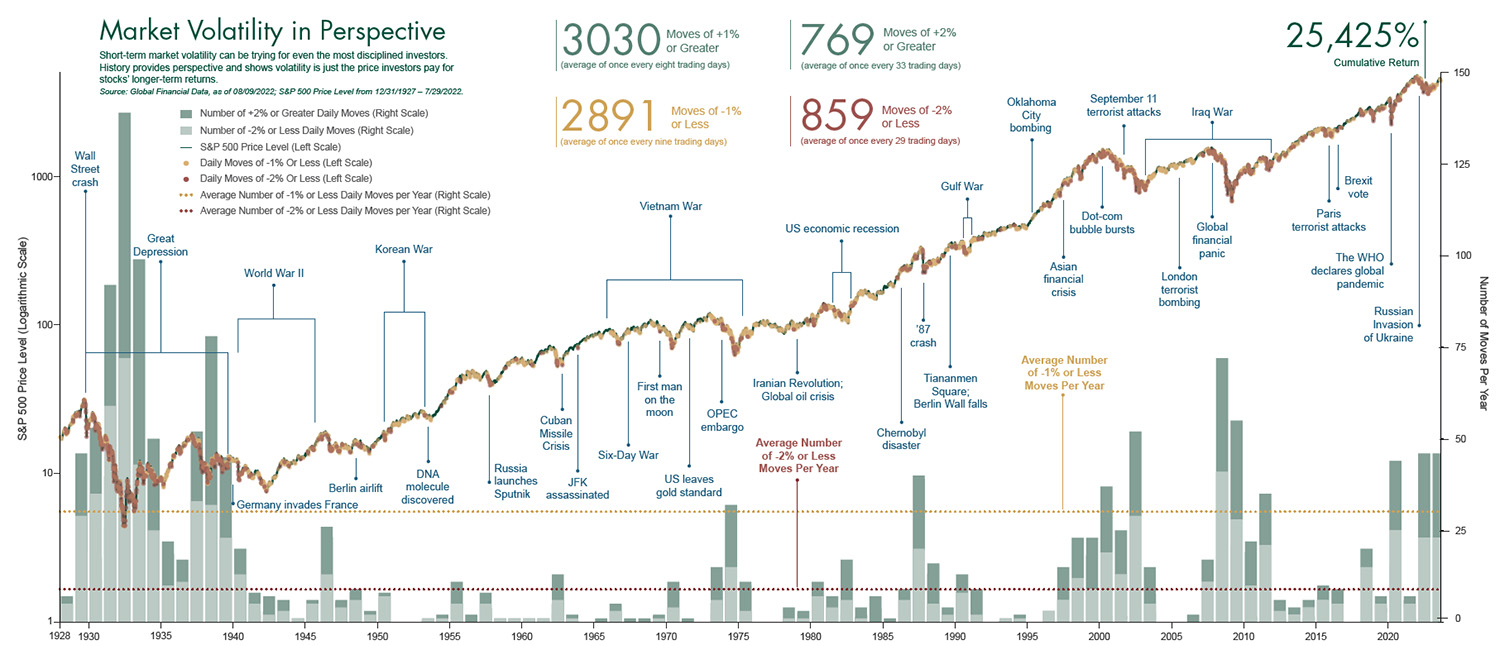
While both markets experience volatility, its nature and scale differ. In the forex market, price movements are typically smaller on a percentage basis. Forex volatility is characterized by frequent but small price changes, measured in “pips,” which represent a tiny fraction of a currency’s value. For example, a major currency pair like EUR/USD might move 70-100 pips on an average day, which is less than a 1% change. However, volatility can spike dramatically in response to major macroeconomic events, such as central bank interest rate announcements, inflation reports, or geopolitical news. The sheer depth and liquidity of the forex market help to absorb shocks, often preventing the extreme percentage swings seen in individual stocks.

In contrast, individual stocks can exhibit much higher volatility. A single stock can experience dramatic price swings based on company-specific news, such as quarterly earnings reports, product announcements, or management changes. It is not uncommon for a stock to jump or fall 10%, 20%, or even more in a single trading day following a positive or negative earnings surprise. This micro-level volatility is driven by factors directly related to the company’s performance and future outlook. While broad market indices like the S&P 500 tend to be less volatile, individual stock traders must be prepared for much larger and more sudden price movements.
How Does Leverage Compare Between Forex and Stocks?
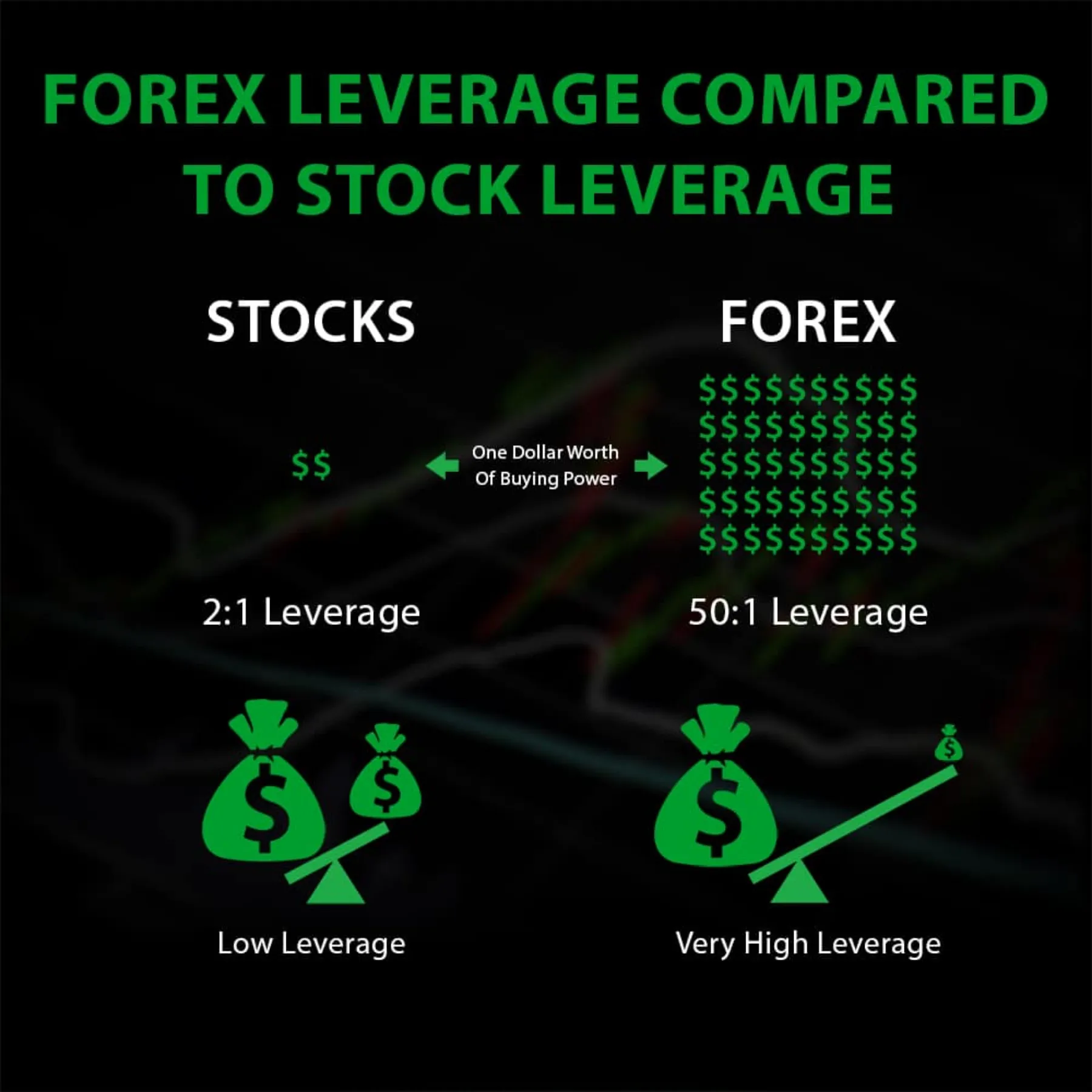
Leverage, the ability to control a large position with a small amount of capital, is one of the most stark differences between forex and stock trading. Forex brokers typically offer significantly higher leverage, often ranging from 30:1 in the U.S. for major pairs to as high as 500:1 or more in other jurisdictions. For example, with 50:1 leverage, a trader can control a $50,000 currency position with just $1,000 in their account. This ability to amplify trading positions means that even small price movements in a currency pair can result in substantial profits. However, the reverse is also true. Leverage is a double-edged sword that magnifies losses just as quickly, making risk management a critical skill for forex traders.
Stock brokers offer much more conservative levels of leverage. In the United States, regulations typically limit leverage for stock trading to 2:1 for overnight positions held in a margin account. This means you can borrow up to 50% of the purchase price of a stock from your broker. For qualified “pattern day traders,” the leverage can be increased to 4:1 for intraday trades, but the position must be closed by the end of the day. This lower level of leverage is a regulatory measure designed to protect retail investors from the amplified risks associated with borrowing heavily. It means stock traders generally need more capital to control positions of the same size compared to forex traders.
What Primary Factors Influence Their Prices?
The drivers behind price movements in each market come from different economic spheres. Forex prices are predominantly influenced by macroeconomic factors that affect entire nations or regions. These include interest rate decisions by central banks (like the Federal Reserve or the European Central Bank), Gross Domestic Product (GDP) growth rates, inflation data, unemployment figures, and political stability. For instance, if a country’s central bank raises interest rates, its currency often strengthens because higher rates attract foreign investment. Forex traders must pay close attention to the economic calendar and understand how global economic health impacts currency valuations.
Stock prices, however, are primarily driven by microeconomic factors related to the specific company and its industry. The performance of an individual company, its earnings reports, revenue growth, profit margins, and new product launches are the main catalysts for its stock price. While broad market sentiment and macroeconomic trends certainly play a role, the day-to-day movements of a stock are most closely tied to its own business fundamentals and future prospects. For example, a positive quarterly earnings report that beats analyst expectations can send a stock’s price soaring, regardless of the broader economic climate. Stock traders therefore focus heavily on company-specific research and industry analysis.
What are the Main Pros and Cons of Each Market?
Forex trading’s main advantages are its high liquidity and 24-hour access, while its primary risk is high leverage; stock trading offers asset ownership and strong regulation but is constrained by limited hours and lower leverage. Choosing between them requires a careful evaluation of these benefits and drawbacks against your personal trading style, risk tolerance, and financial goals. There is no universally “better” market, only the market that is a better fit for you as an individual trader. A disciplined, short-term trader might prefer the flexibility of forex, while a long-term, research-oriented investor might feel more comfortable with stocks.
To help you weigh your options, here is a detailed breakdown of the pros and cons associated with each market. This summary synthesizes the key differences we’ve discussed into a practical guide. By understanding these points, you can make a more strategic decision about where to allocate your capital and efforts. Let’s explore the distinct advantages and disadvantages that characterize both forex and stock trading.
What are the Advantages of Trading Forex?
The forex market offers several compelling benefits that attract traders from around the world.
- High Liquidity: As the world’s largest financial market, forex provides unparalleled liquidity. This ensures that you can execute trades quickly and at stable prices with minimal slippage, which is particularly beneficial for strategies that rely on precise entry and exit points.
- 24-Hour Market Access: The market’s continuous 24-hour, five-day-a-week operation offers unmatched flexibility. You can trade whenever it is convenient for you, whether that’s early in the morning, late at night, or during your lunch break, without being tied to the fixed hours of a stock exchange.
- High Leverage Availability: Forex brokers provide access to high leverage, allowing you to control a large position with a relatively small amount of capital. This can significantly amplify your potential profits from small price movements, making it possible to generate substantial returns from a modest initial investment.
- Lower Transaction Costs: Most forex brokers do not charge commissions. Instead, they make money from the spread, which is the small difference between the bid and ask price of a currency pair. This spread-based model often results in lower overall transaction costs compared to the commissions and fees sometimes associated with stock trading.
What are the Disadvantages of Trading Forex?
Despite its advantages, forex trading also comes with significant risks and challenges that every trader must consider.
- High Risk Due to Leverage: The same high leverage that amplifies profits can also magnify losses. A small market movement against your position can quickly wipe out your trading capital if not managed properly with stop-loss orders and sound risk management practices. This is the single greatest risk in forex trading.
- Less Regulatory Oversight: Because the forex market is decentralized and operates over-the-counter, it has less centralized regulation compared to stock markets. While reputable brokers in major jurisdictions like the U.S. and U.K. are regulated, the overall market is more fragmented, requiring traders to be diligent in choosing a trustworthy broker.
- Complexity of Macroeconomic Analysis: To succeed in forex, you need a strong understanding of global macroeconomics. Price movements are driven by a complex interplay of interest rates, inflation, political events, and economic data from multiple countries, which can be challenging for beginners to analyze effectively.
- Price Determination Can Be Opaque: Since there is no single, centralized exchange, the price of a currency pair can vary slightly from one broker to another. The market is dominated by large banks, and their activities can influence price movements in ways that are not always transparent to retail traders.
What are the Advantages of Trading Stocks?
Stock trading holds a traditional appeal for many investors and offers a unique set of benefits.

- Ownership of a Tangible Asset: When you buy a stock, you are purchasing a share of ownership in a real company. This provides a sense of connection to the asset that you don’t get with forex. As a part-owner, you may also be entitled to receive dividends, which are a share of the company’s profits.
- Stronger Regulatory Protection: Stock markets are highly regulated by government agencies like the Securities and Exchange Commission (SEC) in the United States. These regulations are designed to protect investors from fraud and ensure market transparency, providing a greater sense of security.
- Wealth of Readily Available Information: Publicly traded companies are required to release a vast amount of information, including quarterly earnings reports, annual financial statements, and other material disclosures. This transparency makes it easier for traders to conduct thorough fundamental analysis and make informed decisions.
- Wider Range of Strategic Choices: The stock market offers a diverse range of opportunities, from short-term day trading and swing trading to long-term value investing. You can choose from thousands of companies across various sectors, allowing you to build a portfolio that aligns with your specific interests and investment thesis.
What are the Disadvantages of Trading Stocks?
Stock trading is not without its drawbacks, which can impact a trader’s strategy and potential returns.
- Limited Trading Hours: The fixed trading sessions of stock exchanges mean you can only actively trade during specific hours of the day. This lack of flexibility can be a challenge for those with regular day jobs, and it exposes traders to the risk of overnight price gaps due to news released after hours.
- Lower Leverage: The leverage available for stock trading is significantly lower than in the forex market. This means you need more capital to control the same position size, which can limit your potential returns, especially for short-term trading strategies.
- Potential for Low Liquidity: While major blue-chip stocks are highly liquid, thousands of smaller stocks trade with very thin volume. Low liquidity can make it difficult to enter or exit positions without negatively impacting the price, creating a risk of slippage.
- Higher Transaction Costs: Trading stocks can involve more costs than forex. These can include broker commissions for each trade, exchange fees, and other charges. While many brokers now offer commission-free trading, other fees may still apply, and they can add up over time.
What Else Should You Consider When Comparing Forex and Stocks?
Beyond the primary differences, traders should also weigh factors like beginner accessibility, profit mechanics, underlying similarities, and regulatory environments. Furthermore, these secondary considerations often play a decisive role in determining which market aligns better with an individual’s financial goals, risk tolerance, and starting capital. Examining these aspects provides a more complete picture, helping you make a well-informed decision before committing your time and money.
Is Forex or Stock Trading Better for Beginners?
For beginners, stocks are often easier to understand conceptually, while forex is more accessible from a financial standpoint. The idea of owning a small piece of a familiar company like Apple or Microsoft is tangible and easy to grasp. A new trader can research a company’s products, leadership, and financial health to make an informed decision. The news surrounding a specific stock is often more direct and less abstract than the complex macroeconomic factors that influence currency pairs.
In contrast, the forex market is attractive to beginners because of its low barrier to entry. You can open an account with a small amount of capital, sometimes less than $100, and use leverage to control larger positions. The 24-hour market also offers flexibility for those who cannot trade during standard stock market hours. However, the concepts of currency pairs, pips, and leverage can be confusing at first. The high leverage, while appealing, also introduces significant risk that can quickly wipe out a small account if not managed properly. The choice often comes down to a trade-off:
- Stocks: Offer conceptual simplicity and a more direct connection to business performance.
- Forex: Provides greater financial accessibility and scheduling flexibility.
- Risk: Leverage in forex makes it riskier for undisciplined beginners, while stock trading requires more capital to start.
Which Market Offers Higher Profitability?
When it comes to profitability, neither market is inherently more profitable than the other because profit potential is determined by a trader’s skill, strategy, and risk management. A common misconception is that one market provides an easier path to wealth. In reality, successful traders can make substantial returns in both forex and stocks, while inexperienced traders can lose money just as easily in either. The key differentiator in how profits are generated is leverage.
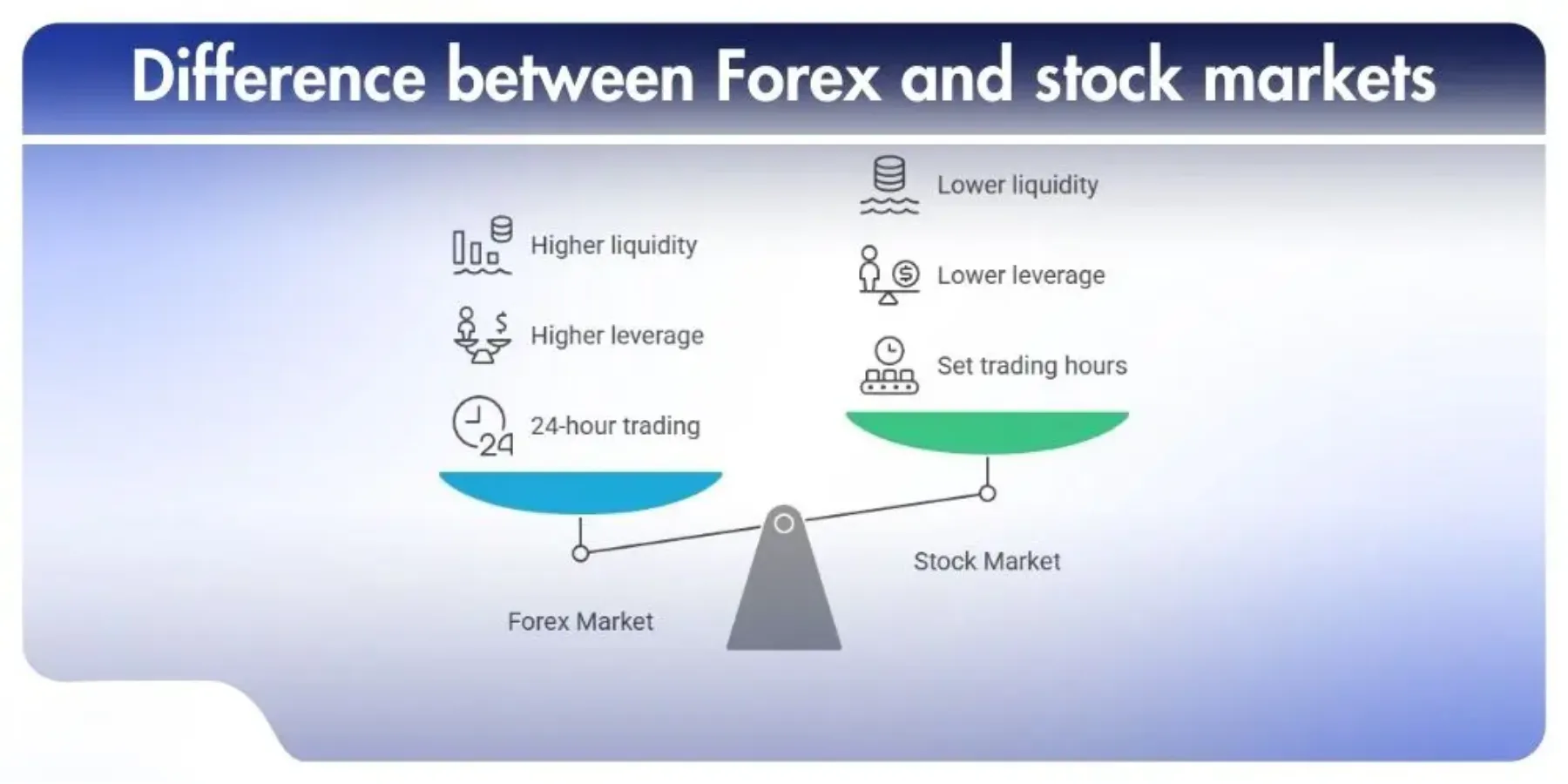
The forex market is known for its high leverage, which can be up to 50:1 or higher depending on the region and broker. This allows a trader to control a large amount of currency with a small deposit. For example, with $1,000 and 50:1 leverage, you can control a $50,000 position. A small positive price movement can result in a large percentage gain on your initial capital. Conversely, a small negative move can lead to an equally large loss. In the stock market, leverage (known as trading on margin) is typically much lower, often around 2:1 for overnight positions. Profitability in stocks is often pursued through capital gains over time or by capturing smaller price swings in day trading, but the amplification effect is less extreme.
- Forex Profitability: Driven by small price movements magnified by high leverage.
- Stock Profitability: Often comes from larger price movements or dividends, with less leverage amplification.
- The Deciding Factor: Ultimately, discipline and a well-executed strategy, not the market itself, dictate a trader’s success.
What are the Main Similarities Between Forex and Stock Trading?
Despite their many differences, forex and stock trading share fundamental principles, including a reliance on technical analysis, fundamental analysis, disciplined risk management, and sound trading psychology. These core pillars are universal to successful speculation in any financial market. Whether you are analyzing a chart for EUR/USD or for Tesla stock, the underlying skills required are remarkably similar. A trader who masters these principles in one market can often adapt their skills to the other with relative ease.

Both markets demand a methodical approach to succeed. Here is how the core similarities apply:
- Technical Analysis: Traders in both markets use price charts, patterns like head and shoulders, and indicators such as the Relative Strength Index (RSI) and Moving Averages to forecast future price direction. The art of reading price action is a transferable skill.
- Fundamental Analysis: The goal is to assess an asset’s intrinsic value, though the data sources differ. Stock traders analyze company earnings reports, balance sheets, and industry trends. Forex traders analyze macroeconomic data like interest rates, inflation reports, and geopolitical events.
- Risk Management: Success in both arenas depends on protecting capital. Techniques like setting stop-loss orders to limit potential losses, calculating appropriate position sizes, and aiming for a positive risk-to-reward ratio are essential practices for any serious trader.
- Trading Psychology: The emotional challenges of greed, fear, and impatience are present in every market. Maintaining discipline and sticking to a trading plan is equally important whether you are trading currencies or equities.
How Does Regulation and Oversight Differ?
The regulatory frameworks for forex and stocks are fundamentally different. Stock markets are typically centralized and overseen by a single, powerful national regulator like the SEC, whereas the global forex market is decentralized and regulated by various national bodies. This structural difference has important implications for trader protection and market transparency. In the United States, the stock market is heavily regulated by the Securities and Exchange Commission (SEC). The SEC enforces strict rules about financial reporting, prevents insider trading, and ensures that exchanges like the NYSE and Nasdaq operate fairly. This centralized oversight creates a relatively uniform and secure environment for investors.

In contrast, the forex market is an over-the-counter (OTC) market, meaning trades occur directly between two parties without a central exchange. Regulation is jurisdiction-dependent. A forex broker in the United Kingdom is regulated by the Financial Conduct Authority (FCA), while one in the U.S. is regulated by the Commodity Futures Trading Commission (CFTC). Other major regulators include the Australian Securities and Investments Commission (ASIC) and the Cyprus Securities and Exchange Commission (CySEC). This fragmented oversight means the level of protection can vary greatly. Traders must perform due diligence to ensure their chosen broker is regulated by a reputable authority in a top-tier jurisdiction.
- Stock Regulation: Centralized, with a strong national body (e.g., SEC) providing consistent oversight.
- Forex Regulation: Decentralized, with oversight varying by country (e.g., FCA, CFTC, ASIC).
- Trader Implication: Stock traders benefit from standardized protections, while forex traders must actively seek out brokers with strong regulatory credentials.
Do You Need More Capital to Start Trading Stocks than Forex?
Yes, in almost all cases, you need more starting capital to trade stocks effectively than you do for forex, primarily because of high leverage and the availability of micro lots in the currency market. Forex brokers have made their market exceptionally accessible by allowing traders to open live accounts with very small initial deposits, sometimes as low as $50 or $100. High leverage means that even with a small deposit, a trader can control a meaningful position size. Furthermore, the ability to trade micro lots (1,000 units of currency) and even nano lots (100 units) allows new traders to risk very small amounts per trade while learning.

On the other hand, entering the stock market traditionally requires more funds. While the advent of fractional shares allows you to buy a portion of a high-priced stock like Amazon for just a few dollars, active trading is a different story. To build a diversified portfolio of whole shares or to day trade stocks, a larger capital base is necessary to manage risk and absorb transaction costs. For instance, in the U.S., a trader who executes more than four day trades in a five-day period is classified as a Pattern Day Trader and is required to maintain a minimum account balance of $25,000. This rule does not exist in the forex market, making it far more accessible for those wishing to start active trading with less capital.