

Blog
How Do U.S. Elections Impact Forex Market Volatility and Currency Pairs?

U.S. elections introduce significant political and economic uncertainty, which directly increases forex market volatility and influences currency pairs tied to the U.S. Dollar. This volatility arises because traders and investors must price in potential shifts in fiscal policy, international trade relations, and monetary policy direction before the outcome is known. The period leading up to an election is often characterized by heightened price swings as markets react to polls, debates, and breaking news, creating a challenging but opportunity-rich environment for forex traders.
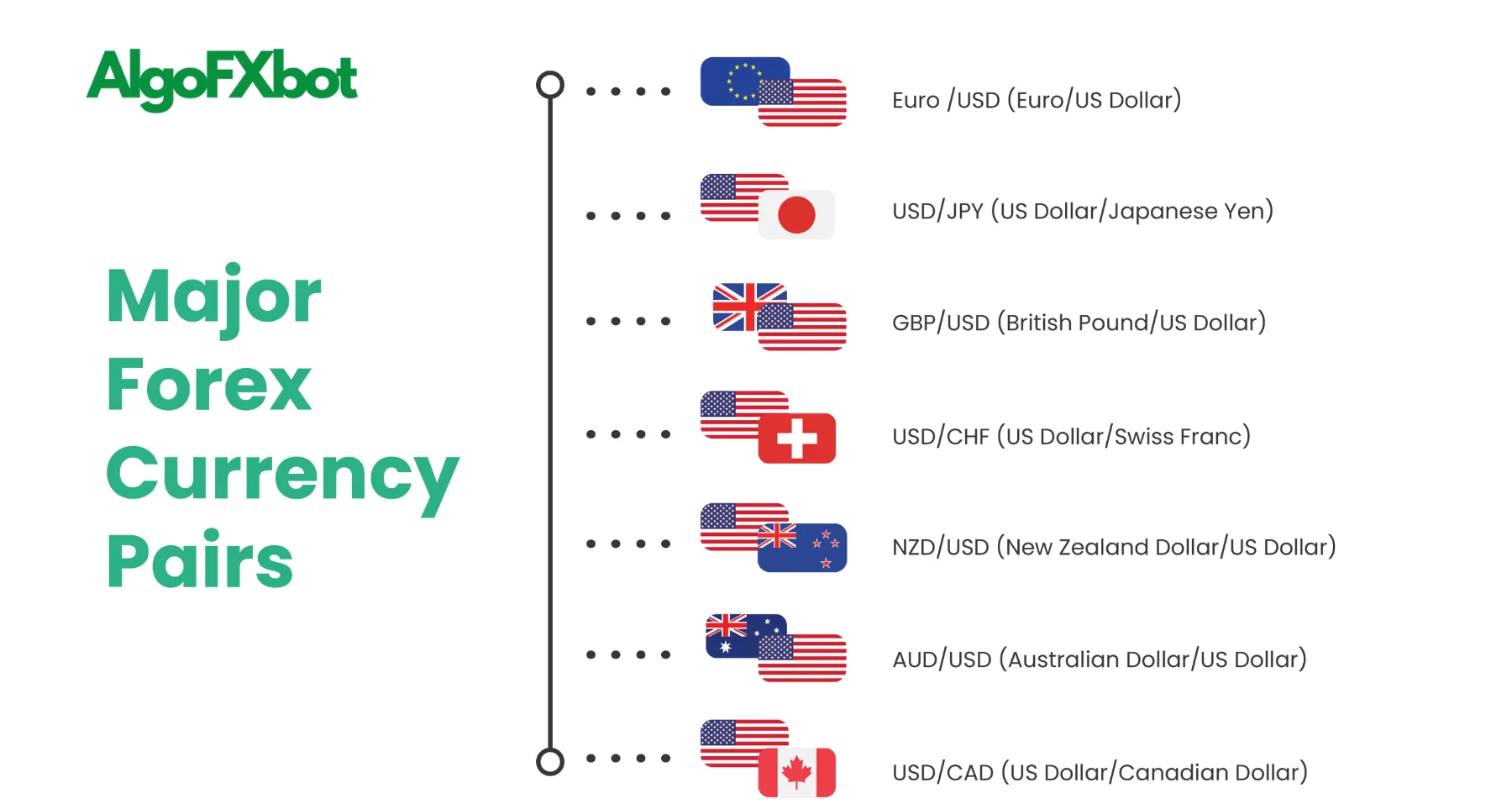
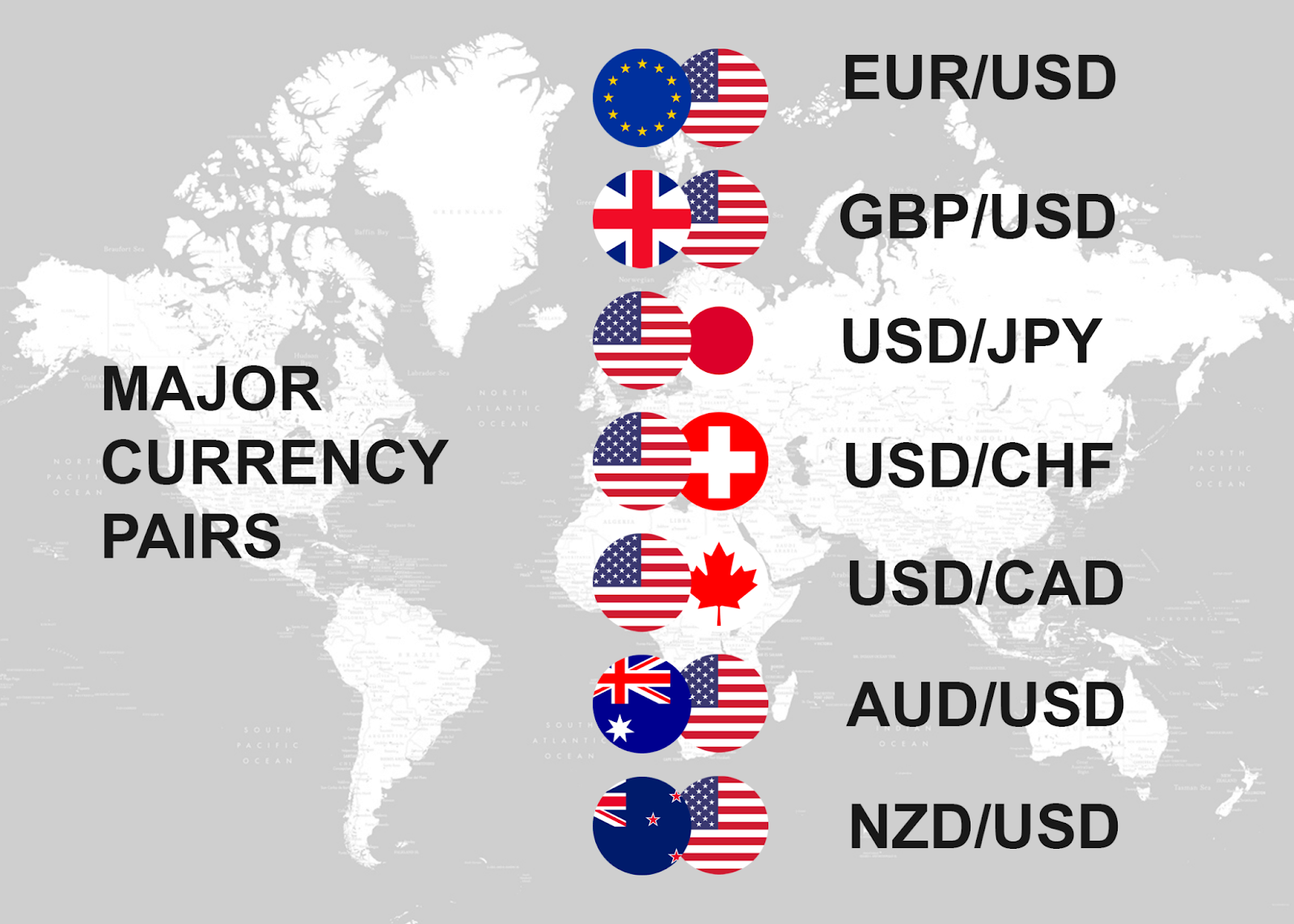
The currency pairs most affected are the majors involving the USD, such as EUR/USD, USD/JPY, and GBP/USD, along with safe-haven and commodity-linked currencies. These pairs experience direct impacts as investor sentiment toward the U.S. economy and its leadership changes. A candidate perceived as pro-business may strengthen the dollar, while one seen as unpredictable could weaken it, causing ripple effects across all major currency pairings and global financial markets.
Furthermore, safe-haven currencies like the Swiss Franc (CHF) and Japanese Yen (JPY) often strengthen as traders seek financial stability during periods of U.S. political uncertainty. This “flight to safety” is a common market reaction when the future direction of the world’s largest economy is unclear. Investors sell riskier assets, including the U.S. Dollar, and move their capital into currencies associated with stable governments and sound economic fundamentals, causing pairs like USD/CHF and USD/JPY to decline.
These market movements are not random. They are driven by the specific campaign promises made by candidates regarding taxes, government spending, and trade agreements. Each promise creates an expectation for future economic performance, influencing how traders value the U.S. Dollar against other currencies long before any policies are enacted. In the following sections, we will explore these connections in detail.
What is the relationship between U.S. elections and forex market volatility?
The primary relationship is that the political and economic uncertainty surrounding U.S. elections leads to a direct increase in forex market volatility as traders react to potential policy shifts. This connection is rooted in the fundamental driver of financial markets: information. When the future of U.S. economic policy is unknown, investors and traders become more cautious. This caution translates into more erratic price movements, wider bid-ask spreads, and a general state of unpredictability known as volatility. Market sentiment becomes the dominant force, often overriding traditional economic indicators in the short term.
Let’s explore this dynamic. A presidential election is not just about choosing a leader. It’s about choosing a direction for fiscal policy, international relations, trade agreements, and regulatory environments. A change in administration can mean a complete reversal of the previous government’s approach. For example, one candidate might promise tax cuts and deregulation, while the other might advocate for increased government spending and stricter regulations. Each path has profoundly different implications for corporate profits, national debt, and overall economic growth, all of which directly affect the value of the U.S. Dollar. The market must account for these multiple potential futures, and this process of adjustment and speculation is what creates volatility.
Why does market volatility typically increase before an election?
Volatility tends to ramp up in the weeks and months leading up to an election because this is the period of peak uncertainty. Traders are forced to act like political analysts, constantly adjusting their positions based on new information that could signal a particular outcome.
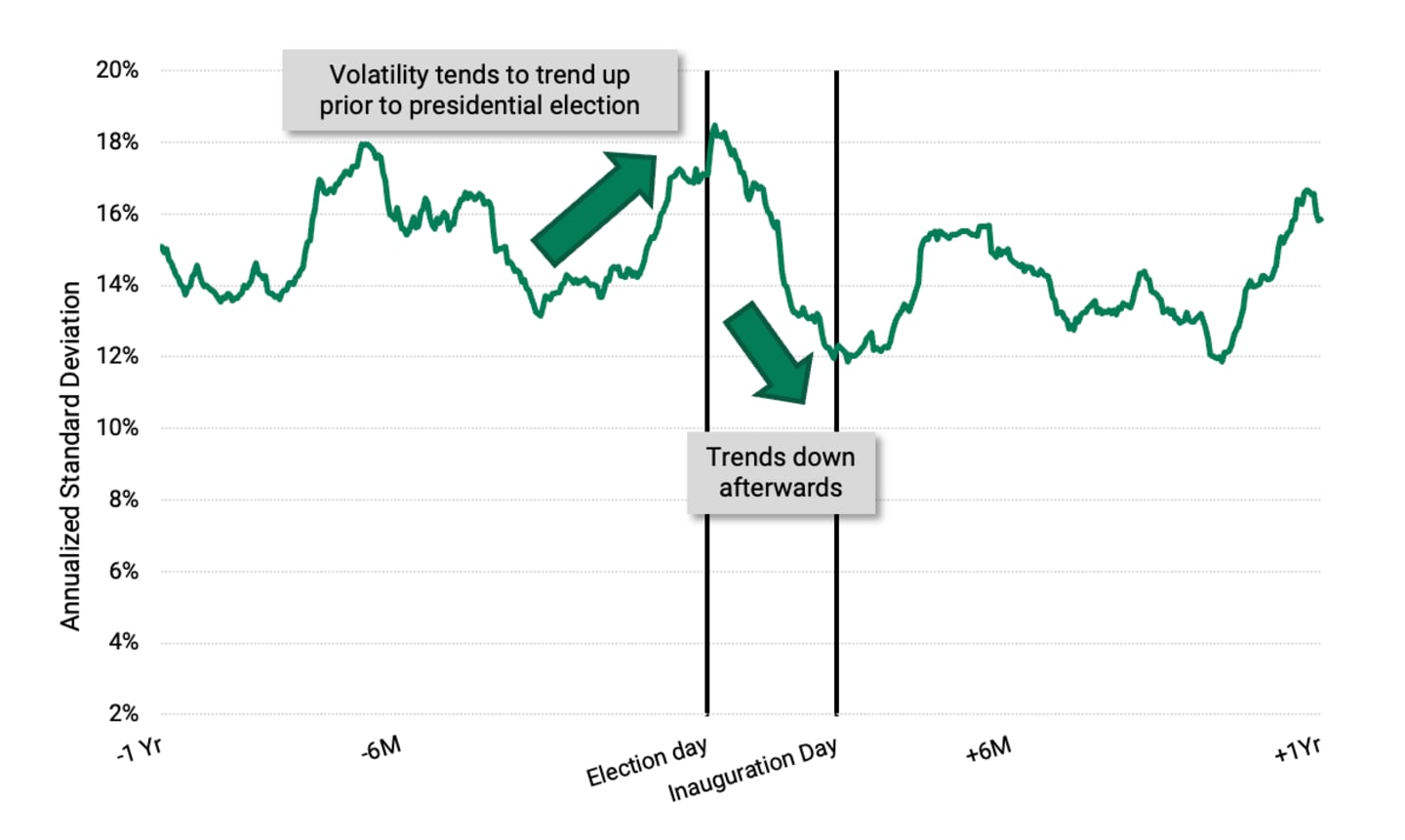
One of the main sources of this pre-election volatility is polling data. When polls show a tight race, the outcome is highly uncertain, and markets tend to become more agitated. Every new poll that shows a slight shift in favor of one candidate can trigger a wave of buying or selling. For instance, if a candidate seen as “market-friendly” gains a few points in the polls, the U.S. Dollar might temporarily strengthen. Conversely, if their opponent gains ground, the dollar might weaken. This constant back-and-forth based on polling creates a choppy and volatile trading environment.
Another key factor is pre-election debates. Debates are high-stakes events watched by millions, and a candidate’s performance can significantly sway public opinion and, by extension, market sentiment. A strong, confident performance can boost investor confidence in a candidate’s economic plan, leading to a rally in the U.S. Dollar. A poor performance or a major gaffe can have the opposite effect, introducing fresh doubts and causing traders to sell the currency. These events create sharp, short-term spikes in volatility because they deliver a large amount of new information to the market in a very condensed period.
Does forex volatility decrease after an election result is clear?
Once a clear winner is declared, forex volatility often decreases substantially. The reason is simple: clarity replaces uncertainty. With a known winner, the market no longer has to guess about the future direction of the country. Instead, it can begin the process of pricing in the new administration’s likely policies. Even if the market dislikes the winner, the fact that there is a winner at all is often enough to calm nerves.

This return to stability occurs because the “political risk premium” that was built into currency prices starts to fade. Traders can now analyze the president-elect’s economic team, their stated priorities, and the political makeup of Congress to make more informed predictions. For example, if the elected president has a clear mandate and their party controls Congress, the market can anticipate that their legislative agenda will pass, providing a clearer roadmap for the next four years.
However, there is an important exception. If the election result is contested, disputed, or takes a long time to certify, volatility can remain extremely high or even increase. The 2000 and 2020 U.S. presidential elections are prime examples. In these cases, the period of uncertainty was prolonged for weeks, leaving markets in a state of limbo. Without a clear winner, political risk remains elevated, and forex markets continue to experience erratic price swings until the final outcome is legally and politically settled.
How do U.S. election outcomes directly affect the U.S. Dollar (USD)?
Election outcomes affect the USD through the winning candidate’s proposed fiscal policies, trade stances, and their potential influence on the Federal Reserve, all of which shape investor sentiment. The market’s reaction is not just about who wins, but about the economic philosophy and specific plans the winner is expected to implement. A new administration can reshape the economic landscape, altering the fundamental drivers of the U.S. Dollar’s value, such as interest rates, inflation, and economic growth.
In detail, when a new president takes office, investors immediately begin to analyze their agenda. Will they pursue policies that attract foreign capital, or will their actions create uncertainty that causes capital to flee? The answers to these questions are what move the USD. For example, a president who advocates for tax cuts and deregulation is often perceived as pro-business. This can lead to a stronger stock market, attracting foreign investment. To buy U.S. stocks, foreign investors must first buy U.S. Dollars, which increases demand for the currency and pushes its value higher. Conversely, a president who proposes large spending programs without clear funding mechanisms might raise concerns about rising national debt and inflation, which could weaken the dollar over the long term.
How does a “strong dollar” or “weak dollar” policy from a new administration impact the USD?
A new administration’s stance on the currency’s value, whether explicitly stated or implied through its policies, has a powerful impact. A “strong dollar” policy typically involves actions that make the U.S. an attractive place for investment. This could include maintaining fiscal discipline to keep the national debt in check, promoting policies that lead to stable and non-inflationary growth, and fostering positive international relations. Such policies enhance global confidence in the U.S. economy, increasing demand for the USD from foreign investors and central banks, thereby strengthening it.

On the other hand, a “weak dollar” policy is often aimed at boosting exports. A cheaper dollar makes U.S. goods and services less expensive for foreign buyers, which can help reduce a trade deficit and support domestic manufacturing. An administration might achieve this indirectly by favoring lower interest rates or by engaging in trade disputes that create uncertainty. For instance, imposing tariffs can have a complex effect. Initially, it might be seen as protectionist and harmful, weakening the dollar. However, if it leads to better trade deals in the long run, the perception could change. Traders watch for signals, such as comments from the Treasury Secretary, to gauge the administration’s preference.
How does the market’s perception of a candidate influence the USD?
The market’s perception of a candidate can cause significant USD movements long before election day. This is all about investor confidence. Financial markets generally prefer predictability, stability, and candidates with clear, pro-growth economic plans. A candidate viewed as a steady hand, likely to maintain the status quo or implement well-understood, market-friendly policies, will often see the dollar strengthen as their chances of winning increase. Investors feel confident that the business environment will remain stable, reducing perceived risk.

In contrast, a candidate seen as a populist, a radical reformer, or simply unpredictable can create anxiety among investors. If such a candidate gains in the polls, traders might begin to sell the USD as a hedge against potential disruption. Their policies might be seen as inflationary, hostile to international trade, or likely to increase the national debt. This negative perception leads to a decline in investor confidence, and capital may flow out of the U.S. and into safer assets. In essence, the forex market holds its own election every day, casting votes with buy and sell orders based on its collective judgment of who will be a better steward of the world’s largest economy.
Which currency pairs are most affected by U.S. elections?
The currency pairs most affected are the major pairs involving the USD, safe-haven pairs, and commodity-linked currencies, each reacting differently to U.S. political shifts. These categories cover the currencies with the most direct and indirect exposure to changes in the U.S. economy. Because the U.S. Dollar is the world’s primary reserve currency, any event that impacts its value will have far-reaching consequences, but some pairs are certainly more sensitive than others.
Let’s break down why these groups are so responsive. The major pairs, like EUR/USD, are the most liquid and heavily traded markets in the world, so they are the first to react to any news out of the U.S. Safe-haven currencies, like the Japanese Yen and Swiss Franc, act as a barometer for global risk sentiment. When a U.S. election introduces uncertainty, these currencies see inflows from investors seeking shelter. Commodity currencies, such as the Australian and Canadian Dollars, are affected because U.S. policy influences global growth and, therefore, the demand for raw materials. Understanding how each group reacts is key to navigating the forex market during an election cycle.
How are major pairs like EUR/USD, USD/JPY, and GBP/USD impacted?
Major currency pairs are at the epicenter of U.S. election-driven volatility because the U.S. Dollar is one half of every pairing. Their movements are a direct reflection of shifting sentiment toward the USD.

- EUR/USD: As the most traded currency pair globally, EUR/USD is extremely sensitive to U.S. political events. If an election outcome is perceived as positive for the U.S. economy (e.g., leading to higher growth or interest rates), the USD will strengthen, causing the EUR/USD pair to fall. Conversely, if the outcome creates uncertainty or is seen as negative for the U.S., the USD will weaken, and EUR/USD will rise.
- USD/JPY: This pair is interesting because it involves a dynamic between the world’s primary reserve currency (USD) and a primary safe-haven currency (JPY). During periods of high uncertainty leading up to an election, traders often sell USD and buy JPY for safety. This causes the USD/JPY pair to decline. After the election, if the outcome is viewed as stable and pro-growth, confidence returns, and traders may sell the JPY and buy back the USD, pushing the pair higher.
- GBP/USD: Often called “Cable,” this pair’s reaction is influenced by both U.S. election dynamics and UK-specific factors. A U.S. election outcome that is expected to weaken the dollar will generally cause GBP/USD to rise. However, the magnitude of the move can be amplified or muted by concurrent events in the UK, such as Brexit developments or Bank of England policy decisions.
How do safe-haven currencies like the Swiss Franc (CHF) and Japanese Yen (JPY) react?
Safe-haven currencies thrive on uncertainty. The Swiss Franc (CHF) and Japanese Yen (JPY) are considered safe havens because Switzerland and Japan have stable governments, strong financial systems, and historically low inflation. During times of global stress, such as a contentious U.S. election, investors engage in what is known as a “flight to quality” or “flight to safety.”
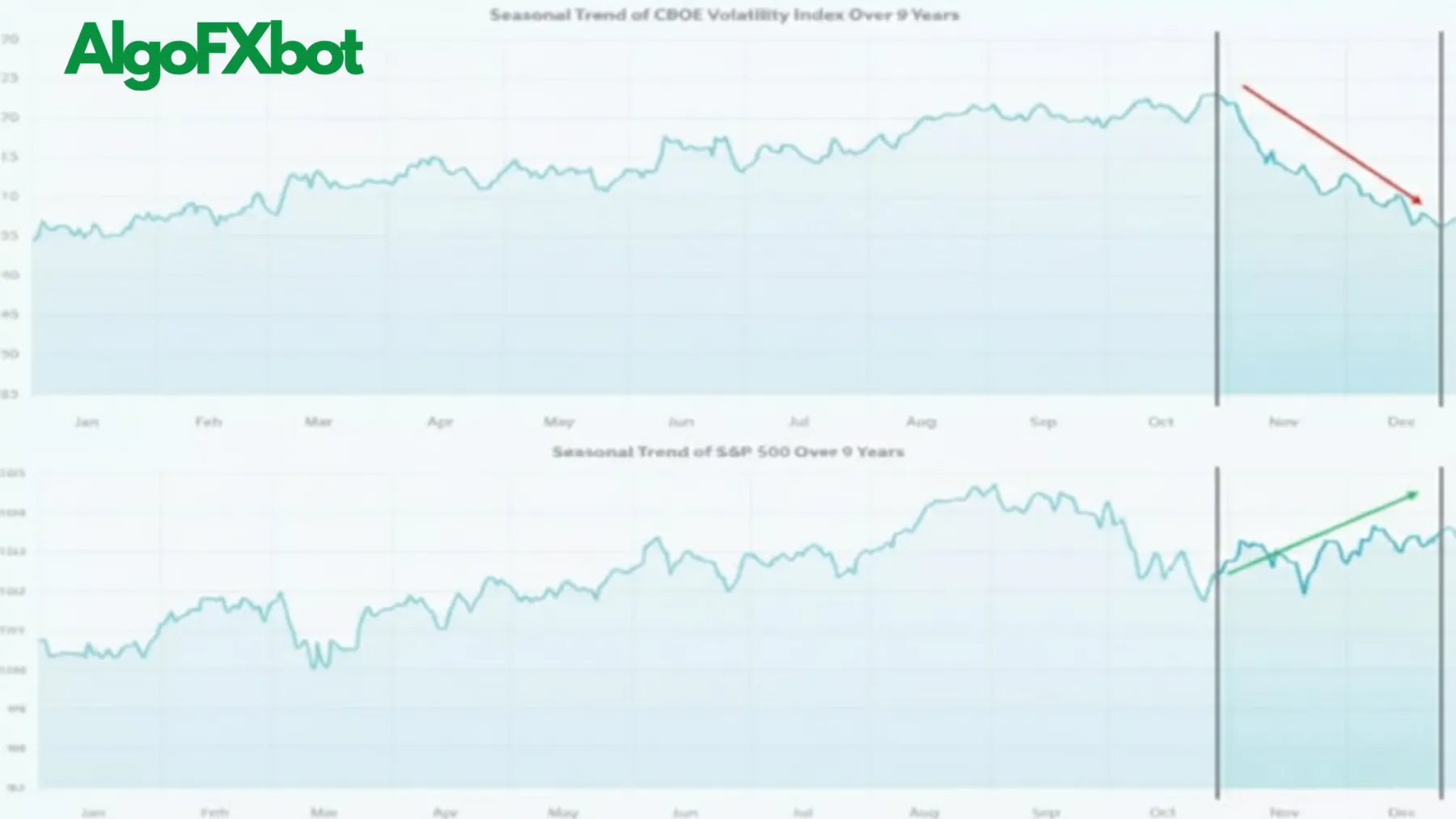
This process involves selling assets perceived as risky, including the USD if its future is uncertain, and buying assets denominated in safe-haven currencies. This increased demand for CHF and JPY causes their value to appreciate. As a result, you will typically see the currency pairs USD/CHF and USD/JPY fall during periods of high pre-election anxiety. The more uncertain or contested the election appears, the stronger the demand for these safe havens becomes. Once the election is resolved and a clear path forward for the U.S. is established, this trend often reverses, with capital flowing back into the U.S. Dollar.
Are commodity currencies like AUD, CAD, and NZD affected?
Yes, commodity currencies like the Australian Dollar (AUD), Canadian Dollar (CAD), and New Zealand Dollar (NZD) are definitely affected by U.S. elections, though often indirectly. The value of these currencies is closely tied to the global prices of the raw materials they export, such as iron ore (Australia), oil (Canada), and dairy products (New Zealand).

The connection to U.S. elections comes from the U.S. president’s influence on global trade and economic growth. A new administration’s policies can either stimulate or hinder the global economy. For example, a president who pursues open trade policies and fiscal stimulus could boost global growth. This would increase demand for commodities, driving up their prices and strengthening the AUD, CAD, and NZD.
On the other hand, a president who enacts protectionist measures like tariffs could trigger trade wars, slowing global economic growth. This would reduce demand for commodities, causing their prices to fall and weakening the associated currencies. The Canadian Dollar (CAD) is particularly sensitive because Canada’s economy is deeply integrated with that of the U.S. Any policy change affecting U.S.-Canada trade has a direct and immediate impact on the value of the CAD.
What is the connection between election promises and forex market movements?
The connection is that election promises regarding fiscal policy, trade, and regulation create market expectations about future economic conditions, driving trading activity long before a candidate takes office. Forex markets are forward-looking, meaning traders make decisions based on what they think will happen in the future, not just what is happening now. Campaign promises provide a blueprint for a potential future, and traders use this blueprint to adjust their currency positions.
Specifically, when a candidate makes a promise, analysts and traders immediately begin to model its potential economic impact. For instance, a promise to cut corporate taxes might be interpreted as bullish for the stock market and, by extension, the U.S. Dollar. Traders might start buying the dollar in anticipation of this policy being enacted. A pledge to renegotiate major trade deals, however, could be seen as a source of instability, prompting traders to sell the dollar. These reactions are based entirely on expectations. The market essentially prices in the probability of a candidate winning and then prices in the likely effects of their promised policies. This is why currency markets can be so volatile during an election campaign, as every speech and policy announcement offers new information to be digested.
How do proposed changes in fiscal policy (taxes and spending) influence currency value?
Proposed changes in fiscal policy, which covers government taxes and spending, have a powerful and direct influence on a currency’s value. The market analyzes these proposals through the lens of economic growth, national debt, and inflation.
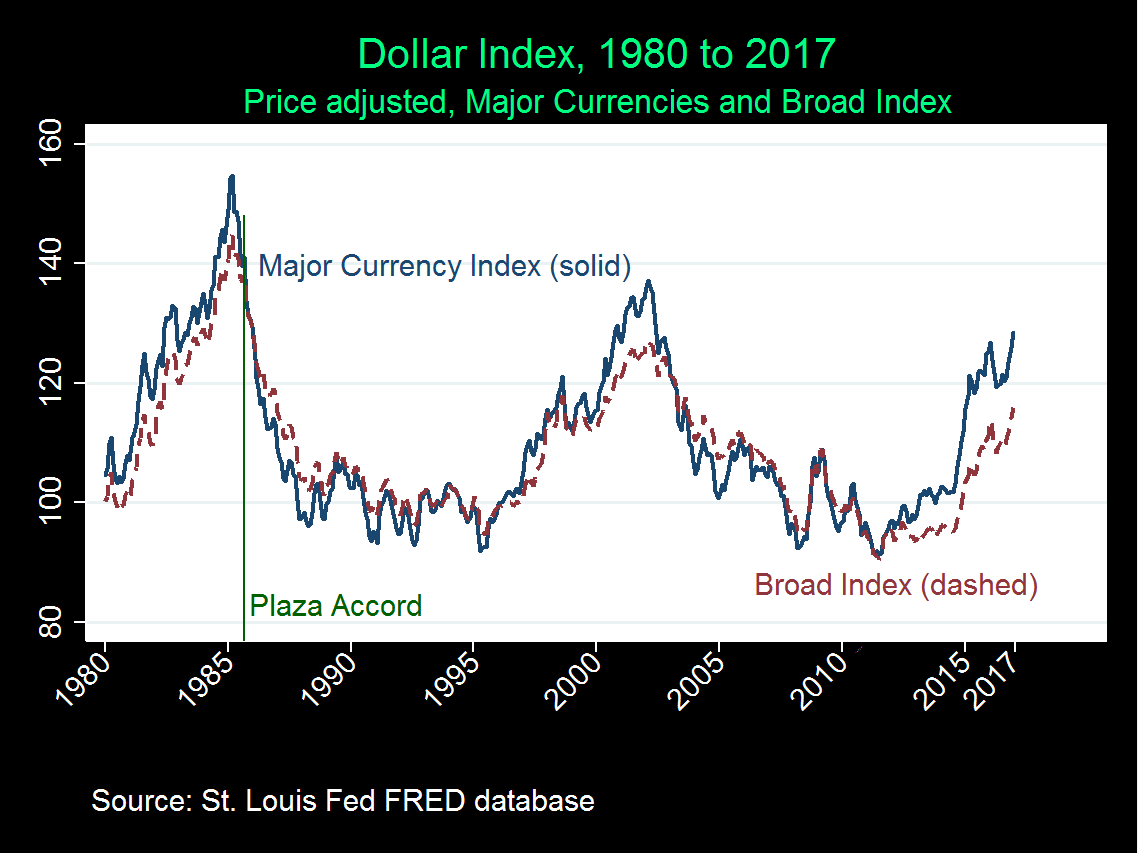
When a candidate proposes significant tax cuts, the initial market reaction is often positive. Lower taxes can leave more money in the hands of consumers and businesses, potentially stimulating spending and investment. This can lead to stronger economic growth, which is typically good for a currency. However, traders also look at the other side of the coin: how will the tax cuts be paid for? If they lead to a massive increase in the national debt, it could raise long-term concerns about the country’s financial health and lead to inflation, which would ultimately weaken the currency.
Similarly, promises of large government spending programs, such as on infrastructure or social services, can be a double-edged sword. In the short term, this spending can act as a powerful economic stimulus, boosting GDP and strengthening the currency. But again, if the spending is financed through heavy borrowing, it swells the national debt. A rising debt-to-GDP ratio can erode investor confidence over time, as it may signal future tax hikes or inflation to manage the debt, both of which are negatives for the currency.
How does an election outcome affect the Federal Reserve’s monetary policy?
While the U.S. Federal Reserve is an independent institution, an election outcome can indirectly influence its monetary policy, which is a primary driver of currency values. The president has the power to appoint the Federal Reserve Chair and other members of the Board of Governors. Over a four-year term, a president can significantly reshape the committee that sets the nation’s interest rates.

The market pays close attention to a candidate’s views on monetary policy. A candidate who criticizes the Fed for keeping interest rates too high might be expected to appoint more “dovish” members, who favor lower rates to stimulate growth. Lower interest rates generally make a currency less attractive to foreign investors seeking higher returns, which would cause the U.S. Dollar to weaken.
Conversely, a candidate who emphasizes the importance of controlling inflation might be expected to appoint “hawkish” members, who are more inclined to raise interest rates. Higher interest rates offer better returns, attracting foreign capital and strengthening the U.S. Dollar. Therefore, the election outcome sets expectations for the future composition and philosophy of the Federal Reserve. Forex traders will price in these expectations, causing the dollar to move based on the anticipated direction of future interest rates, long before any new appointments are actually made.
What are other key considerations for trading forex during U.S. elections?
Beyond initial volatility, traders should evaluate election types, party platforms, historical precedents, specific trading strategies, and the influence of polling data to navigate the market effectively. Additionally, a comprehensive approach requires looking past the headline event and understanding the subtle forces that shape currency movements before, during, and after an election is decided.
What is the difference between a presidential and a midterm election’s impact on forex?
The primary difference lies in the scale and duration of market impact. Presidential elections typically generate far greater volatility in the forex market because they determine the head of the executive branch. This single outcome can signal sweeping changes in fiscal policy, international trade agreements, and regulatory philosophy for the next four years. Markets react strongly to the possibility of a new administration with a different economic agenda, causing significant and often sustained moves in the U.S. dollar and its major pairs.
In contrast, midterm elections determine the composition of the legislative branch, Congress. While a shift in control of the House or Senate can create short-term volatility, its impact is generally more muted. A midterm result that leads to a divided government, where the president’s party does not control Congress, might lead to legislative gridlock. Forex markets often interpret this as a neutral or slightly positive event, as it reduces the likelihood of extreme policy changes. The impact is therefore more about constraining the current administration than setting a new national direction.
How do different political party outcomes (Democrat vs. Republican) affect the forex market?
The economic platforms of the two major U.S. parties create different expectations for currency traders, though reactions can vary based on the specific economic environment. A Republican victory is often associated with policies like tax cuts, deregulation, and a focus on domestic energy production. Historically, markets have viewed these policies as pro-business, which can attract foreign investment and strengthen the U.S. dollar. However, recent Republican platforms have also included protectionist trade policies, such as tariffs, which can create global economic friction and potentially weaken the dollar against currencies of key trading partners.
A Democratic victory is typically linked to increased government spending on social programs and infrastructure, higher corporate and individual taxes, and greater environmental or financial regulation. Forex markets may initially interpret these policies as a negative for corporate earnings, which could put downward pressure on the USD. At the same time, large-scale fiscal stimulus from government spending can boost economic growth, which may support the dollar over the medium term. The market’s ultimate reaction depends on which policies are emphasized and the Federal Reserve’s corresponding monetary policy stance.
What are historical examples of U.S. elections moving the forex market?
Past elections provide clear examples of how political outcomes can drive sharp currency movements. Analyzing these events helps traders prepare for potential scenarios.

- 2016 Election: The surprise victory of Donald Trump is a prime example of an unexpected result causing extreme volatility. As results favored Trump, the Mexican Peso (MXN) plummeted over 10% against the USD due to his stance on trade and immigration. Initially, the USD weakened against safe havens like the Japanese Yen (JPY), but it sharply reversed and began a multi-week rally on expectations of fiscal stimulus and deregulation.
- 2008 Election: Occurring in the middle of a global financial crisis, the election of Barack Obama saw a more subdued immediate reaction. The outcome was largely anticipated by polls, so it was already priced into the market. The dollar’s movement at the time was more heavily influenced by the Federal Reserve’s quantitative easing measures and global risk aversion than by the election itself.
- 2020 Election: This election was marked by prolonged uncertainty, as mail-in ballots delayed the final result for days. A widely predicted “blue wave” did not happen, resulting in the likelihood of a divided government. The USD actually strengthened in the immediate aftermath, as traders reasoned that a split Congress would prevent the major tax increases and spending programs proposed by the Democratic platform, creating a more stable and predictable policy environment.
What are common forex trading strategies used during an election period?
Traders adopt various strategies to manage the heightened risk and potential reward associated with U.S. elections. The chosen approach often depends on an individual’s risk tolerance and market outlook.
- Trading Volatility: This high-risk strategy is suited for experienced traders. It involves capitalizing on the large price swings expected on election night and the following days. Traders might use technical indicators to trade breakouts from established price ranges or employ options strategies like straddles to profit from a large move in either direction. This method requires constant monitoring and strict risk management, including the use of stop-loss orders.
- Range Trading Before the Event: In the days or weeks leading up to an election, uncertainty can cause currency pairs to become range-bound, oscillating between clear support and resistance levels. Traders can attempt to profit from these smaller movements. However, it is critical to close these positions before the election results begin to be released, as unpredictable gaps in price can lead to substantial losses.
- Waiting for a Post-Election Trend: A more conservative and widely used strategy is to avoid trading altogether during the peak uncertainty. Instead of guessing the outcome, traders wait for a clear winner to be declared and for the market to establish a new, durable trend. Once a direction is confirmed, they can enter the market with more confidence, aiming to ride the trend that could last for weeks or months.
How does polling data influence forex trading decisions before an election?
Polling data is a key tool that traders use to assess probabilities and position themselves ahead of an election. As polls show one candidate gaining a lead, the market begins to “price in” the expected impact of their policies. For instance, if a candidate with a strong pro-growth agenda has a consistent lead in the polls, the U.S. dollar might gradually strengthen in the weeks leading up to the vote. This pricing-in mechanism means that the most dramatic market moves often occur not because of the result itself, but when the result is a surprise relative to polling expectations.
The 2016 U.S. presidential election serves as the ultimate case study. The majority of polls predicted a victory for Hillary Clinton, and the market was positioned accordingly. When Donald Trump won, it forced a massive and rapid unwinding of those positions, triggering immense volatility. This demonstrates that traders use polling data for two main purposes: to understand the baseline market expectation and to identify the potential for a high-impact surprise. A close race with conflicting polls often leads to higher implied volatility, as the outcome is less certain and the potential for a market-moving surprise is greater.