

Blog
What Is Fundamental Analysis in Forex and How Does It Work?

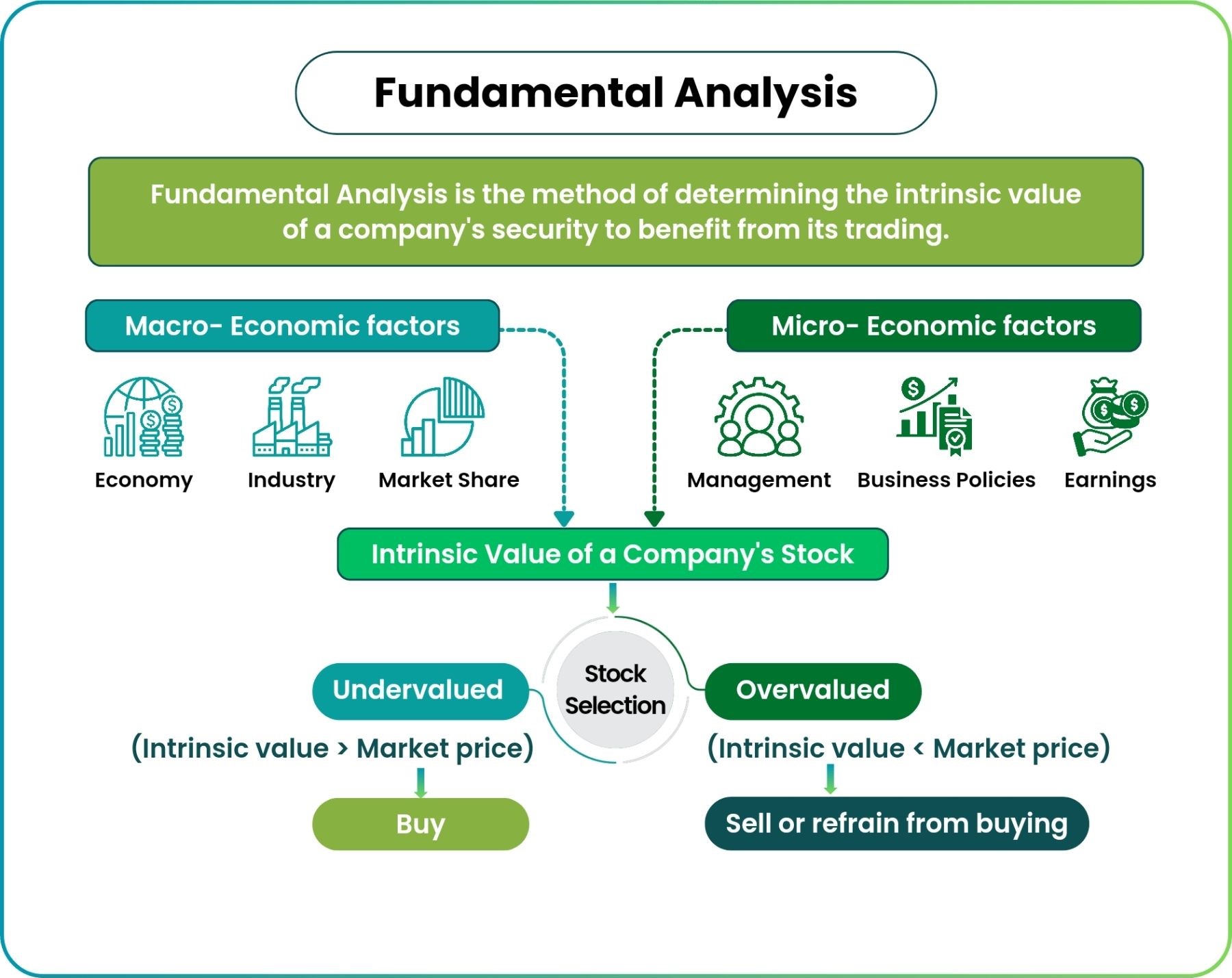
Fundamental analysis in forex is a method of evaluating a currency’s intrinsic value by examining underlying economic, social, and political forces that affect its supply and demand. Unlike technical analysis, which focuses on price charts and patterns, fundamental analysis looks at the bigger picture to determine if a currency is fairly valued. By analyzing a country’s economic health, interest rates, and political stability, traders can forecast potential long-term movements in its exchange rate.
Fundamental analysis works by assessing a country’s economic health through key indicators, allowing traders to forecast whether its currency is likely to strengthen or weaken over the long term. A trader might compare the Gross Domestic Product (GDP) growth, inflation rates, and employment figures of two countries. If one country shows consistently stronger economic data, its currency is generally expected to appreciate against the currency of the weaker economy. This approach is based on the idea that a strong economy attracts foreign investment, increasing demand for its currency.
The main goal is to determine if a currency is overvalued or undervalued, which helps in making informed, long-term trading decisions rather than reacting to short-term market noise. For example, if a country’s central bank is expected to raise interest rates to combat inflation, fundamental analysts would predict that its currency will strengthen. They use this information to build a directional bias, or a reasoned expectation for where a currency pair’s price is headed over weeks, months, or even years.
This method provides a logical framework for understanding why currency markets move the way they do. It connects real-world events, from an employment report release to a presidential election, directly to the value of a nation’s currency. As we move forward, we will break down the specific factors that analysts watch, how they interpret them, and where you can find this critical information to inform your own trading.
What Does Fundamental Analysis Mean in Forex?
Fundamental analysis in forex is a methodology for forecasting currency prices by assessing a country’s economic health, geopolitical stability, and monetary policy. It is a holistic approach to market analysis that seeks to understand the “why” behind price movements. Instead of looking at charts to find patterns, a fundamental analyst looks at economic reports, central bank statements, and political news to gauge the overall strength or weakness of a country’s economy. The core belief is that a country’s currency is a direct reflection of its economic well-being. If an economy is growing and stable, its currency is more likely to be strong and in demand. Conversely, if an economy is struggling, its currency will likely weaken. This type of analysis is less concerned with daily price fluctuations and more focused on the long-term trend of a currency pair, making it a cornerstone strategy for many position traders and long-term investors who aim to capitalize on sustained market moves. It provides the context needed to make sense of market volatility and predict future direction.
What Is the Primary Goal of Fundamental Analysis?
The primary goal of fundamental analysis is to calculate a currency’s intrinsic or “fair” value to determine if it is currently overvalued or undervalued in the market. By comparing this intrinsic value to the current market price, traders can identify potential long-term trading opportunities. For example, if analysis suggests that the British pound is undervalued based on the UK’s strong economic outlook, a trader might decide to buy GBP/USD with the expectation that its price will rise over time to reflect its true worth.
This approach is fundamentally different from technical analysis, which focuses on short-term price action and market sentiment. While a technical trader might look for a specific chart pattern to signal a buy or sell opportunity that could last a few hours or days, a fundamental trader is building a long-term thesis. They are not trying to predict the next five minutes of price movement. Instead, they want to forecast the direction of a currency over the next several weeks or months. This long-term perspective helps traders avoid being shaken out of positions by minor market noise and allows them to focus on the powerful economic forces that drive exchange rates. The ultimate objective is to make strategic, informed decisions that align with the underlying economic realities of the countries involved.
How Does Fundamental Analysis Determine a Currency’s Value?
Fundamental analysis determines a currency’s value based on the simple principle that a currency is a reflection of its nation’s economic health. A strong, growing, and stable economy will naturally have a strong and sought-after currency. This happens because a healthy economy attracts foreign investment. When international companies and investors want to invest in a country, whether by building factories, buying stocks, or purchasing government bonds, they must first convert their own currency into that country’s currency. This process increases the demand for the target currency, causing its value to rise.
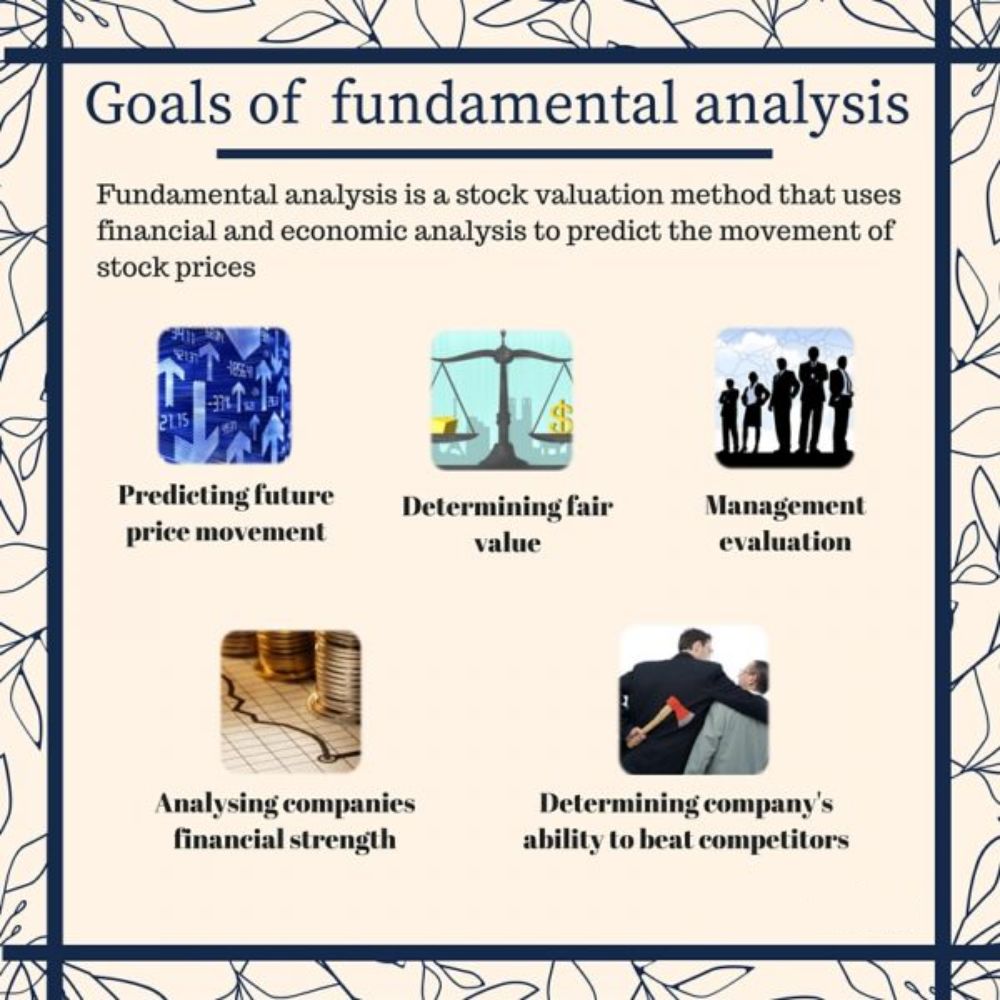
For instance, if the United States reports higher-than-expected GDP growth and low unemployment, it signals a robust economy. Global investors see this as a safe and profitable place to put their money. An investor from Japan wanting to buy U.S. stocks would need to sell Japanese Yen (JPY) and buy U.S. Dollars (USD). This action, repeated by thousands of investors worldwide, pushes the value of the USD up relative to the JPY. Conversely, if a country faces a recession, high unemployment, or political instability, investors will pull their money out, selling that country’s currency and causing its value to fall. By tracking key economic data points, analysts can build a clear picture of a country’s economic condition and, by extension, forecast the long-term trajectory of its currency.
What are the Key Factors in Forex Fundamental Analysis?
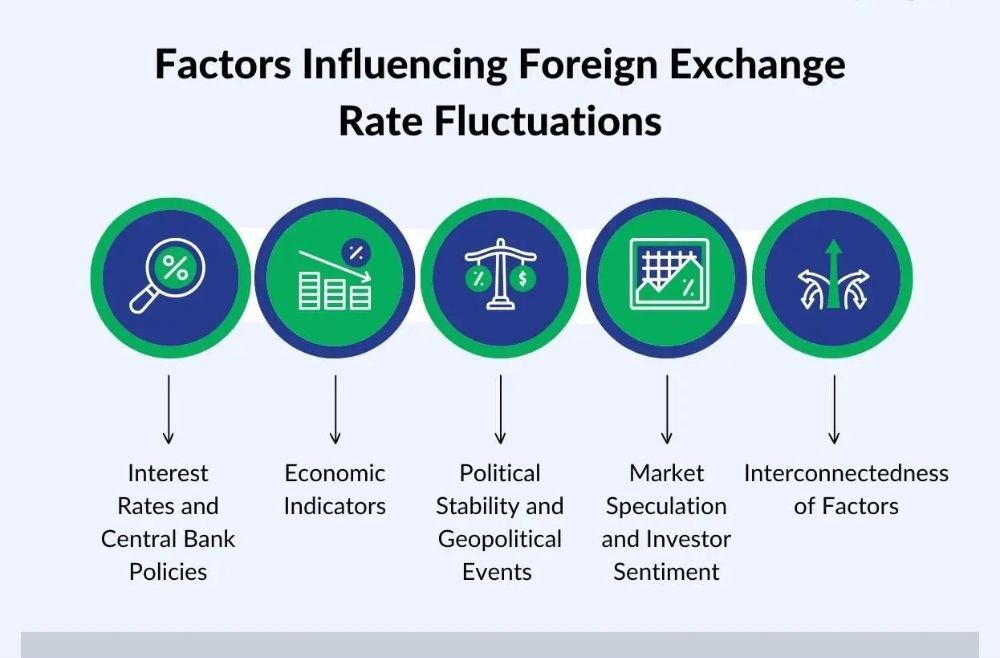
The key factors in forex fundamental analysis are economic indicators, central bank monetary policy, and geopolitical events. These three pillars provide a comprehensive view of the forces that influence a currency’s supply and demand. Economic indicators offer a scorecard on a country’s performance, monetary policy dictates the cost of borrowing and the attractiveness of holding a currency, and geopolitical events introduce elements of risk and uncertainty. A skilled fundamental analyst synthesizes information from all three categories to form a coherent view on whether a currency is likely to appreciate or depreciate. By understanding how these components interact, traders can move beyond simply reacting to price changes and start anticipating them based on real-world developments. This structured approach helps organize the vast amount of available information into a clear, actionable framework for making trading decisions.
What Economic Indicators Influence Currency Prices?
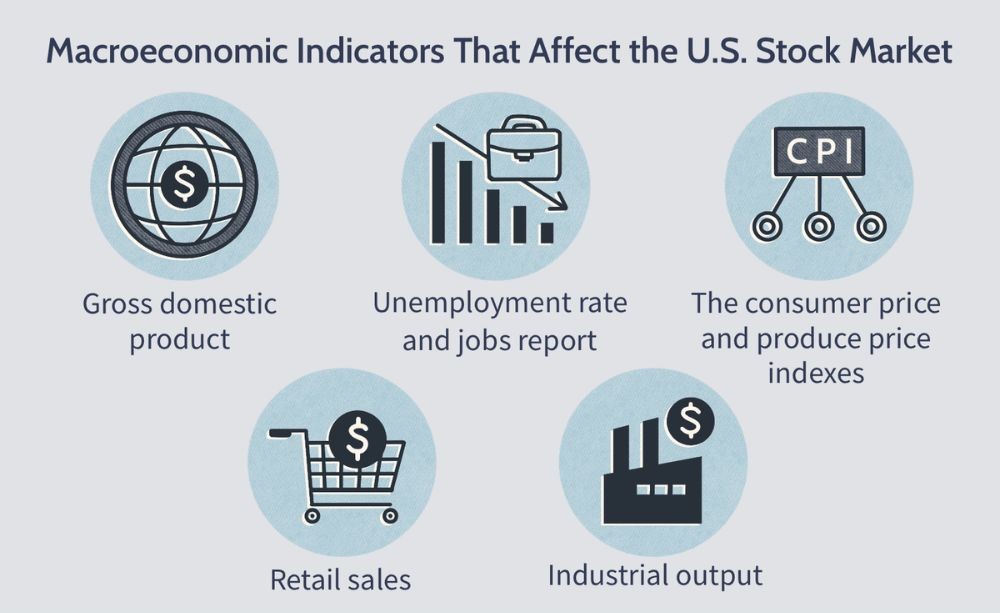
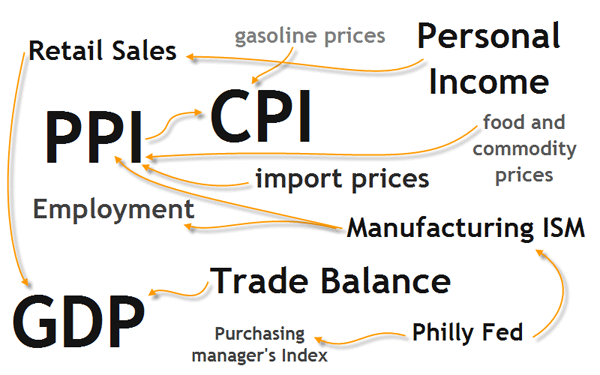
Economic indicators are statistics that provide a snapshot of a country’s economic health, and they are among the most powerful drivers of currency prices. Traders watch these releases closely because they offer clues about future growth and inflation. Major indicators include:

- Gross Domestic Product (GDP): This is the broadest measure of a country’s economic activity. A high or rising GDP growth rate indicates a strong economy, which typically leads to a stronger currency as it attracts foreign investment.
- Consumer Price Index (CPI): CPI measures inflation, or the rate at which the prices of goods and services are rising. High inflation can be a double-edged sword. While it erodes purchasing power, it often prompts the central bank to raise interest rates to control it, which can strengthen the currency.
- Employment Reports: Data like the U.S. Non-Farm Payrolls (NFP) report or a country’s unemployment rate are critical. High employment signals a healthy economy where consumers have money to spend, fueling economic growth and supporting a stronger currency.
- Retail Sales: This report tracks consumer spending, which is a major component of most economies. Strong retail sales figures suggest consumer confidence and a robust economy, which is bullish (positive) for the currency.
- Trade Balance: This measures the difference between a country’s exports and imports. A trade surplus (exports are greater than imports) means more foreign currency is flowing into the country than flowing out, increasing demand for the domestic currency and strengthening it.
How Does Monetary Policy Affect Forex Rates?
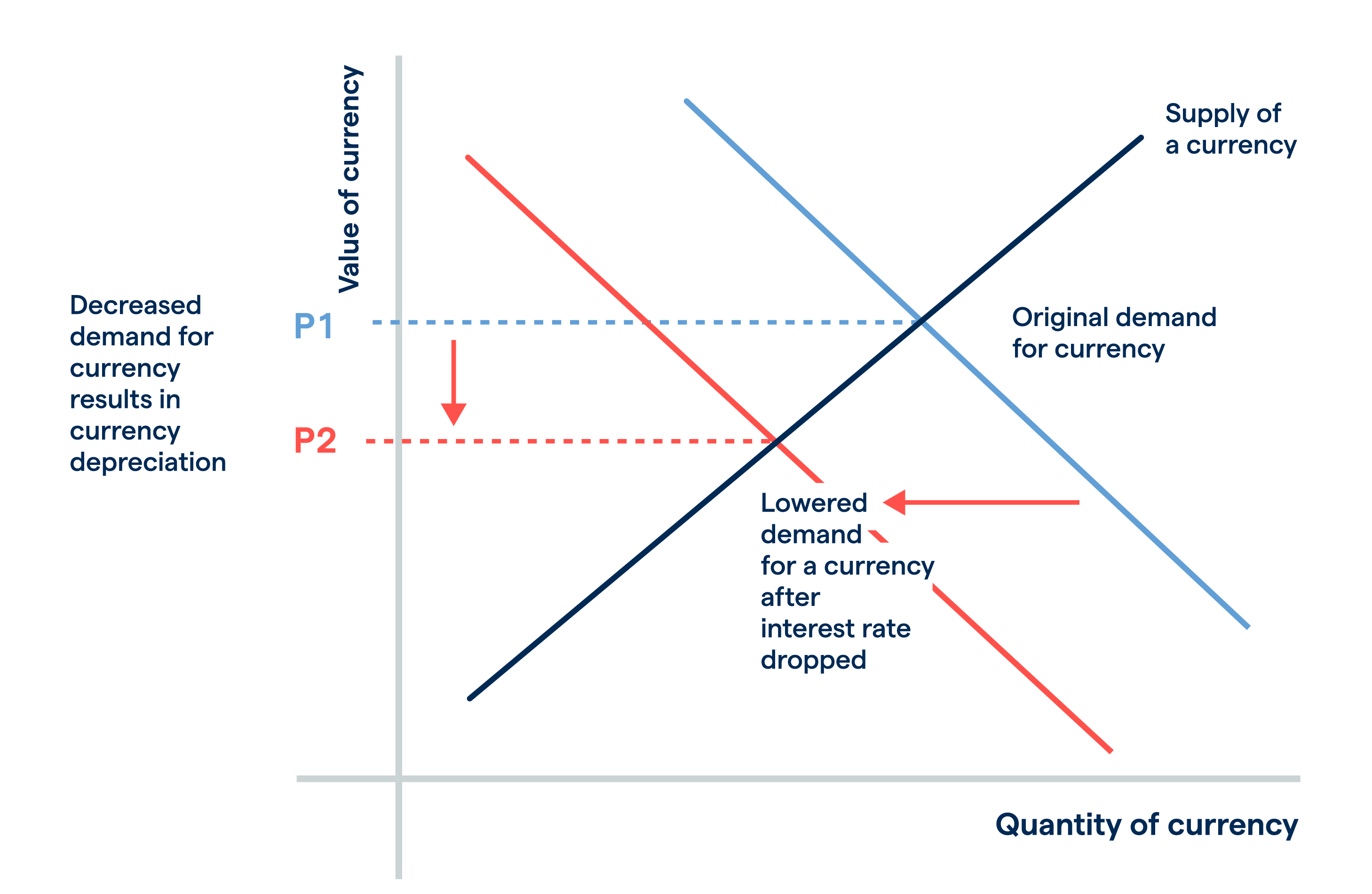
Monetary policy, set by a country’s central bank, is one of the most direct influences on forex rates. Central banks, like the U.S. Federal Reserve (Fed) or the European Central Bank (ECB), have powerful tools to manage their economies, and their actions have immediate consequences for currency values. The most important tool is the interest rate. When a central bank raises its key interest rate, it becomes more attractive for foreign investors to hold that country’s currency because they can earn a higher return on their investments. This increased demand strengthens the currency. Conversely, cutting interest rates makes the currency less attractive, often causing it to weaken.
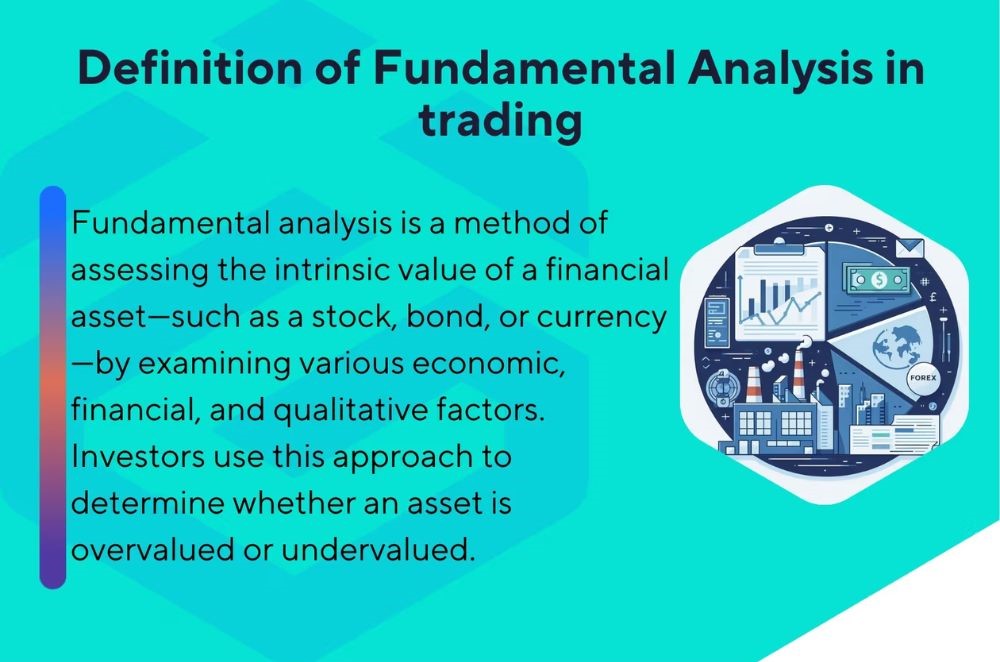
Another key tool is quantitative easing (QE). During a recession, a central bank might implement QE by creating new money to buy government bonds. This action increases the money supply, which generally devalues the currency. Finally, traders pay close attention to forward guidance, which refers to the statements and speeches made by central bank officials. These communications provide hints about future policy decisions. For example, if the head of the central bank sounds “hawkish” (suggesting future rate hikes), the currency will often strengthen in anticipation. If they sound “dovish” (hinting at rate cuts), the currency may weaken.
What Is the Role of Geopolitical Stability in Forex?
Geopolitical stability plays a huge role in forex because capital flows toward safety and predictability. Political instability, trade disputes, and international conflicts create uncertainty, which makes investors nervous. When a country faces political turmoil, such as a contentious election, civil unrest, or a sudden change in government, investors often sell off that country’s currency to move their capital to a safer location. This “capital flight” can cause a sharp and sustained decline in the currency’s value.
International relations are also important. For example, the imposition of trade tariffs or the breakdown of a major trade agreement can damage a country’s economic prospects, leading to a weaker currency. On the other hand, countries with stable governments, predictable policies, and peaceful international relations are seen as safe havens for investment. During times of global uncertainty, traders and investors often flock to so-called safe-haven currencies like the U.S. dollar (USD), the Japanese yen (JPY), and the Swiss franc (CHF). This demand increases their value, even if their own domestic economies are not performing particularly well. Therefore, monitoring the political landscape is just as essential as tracking economic data for a complete fundamental analysis.
How Do You Perform a Basic Fundamental Analysis?
You perform a basic fundamental analysis in three steps: compare the key economic data of two countries, form a directional bias based on that comparison, and monitor for upcoming events. This systematic process helps you build a logical case for why one currency should perform better than another over the long term. It transforms trading from a guessing game into a research-driven strategy. By following these steps, you can identify which economy is fundamentally stronger and position yourself to benefit from the expected currency appreciation. This approach allows you to filter out short-term market noise and focus on the underlying trends that drive currency movements, providing a solid foundation for your trading decisions.
How Do You Compare the Economies of Two Countries?
To compare the economies of two countries, you must look at their key economic indicators side-by-side. Let’s use the EUR/USD currency pair as an example, which represents the Eurozone economy versus the United States economy. The first step is to gather the most recent data for both regions across several categories:
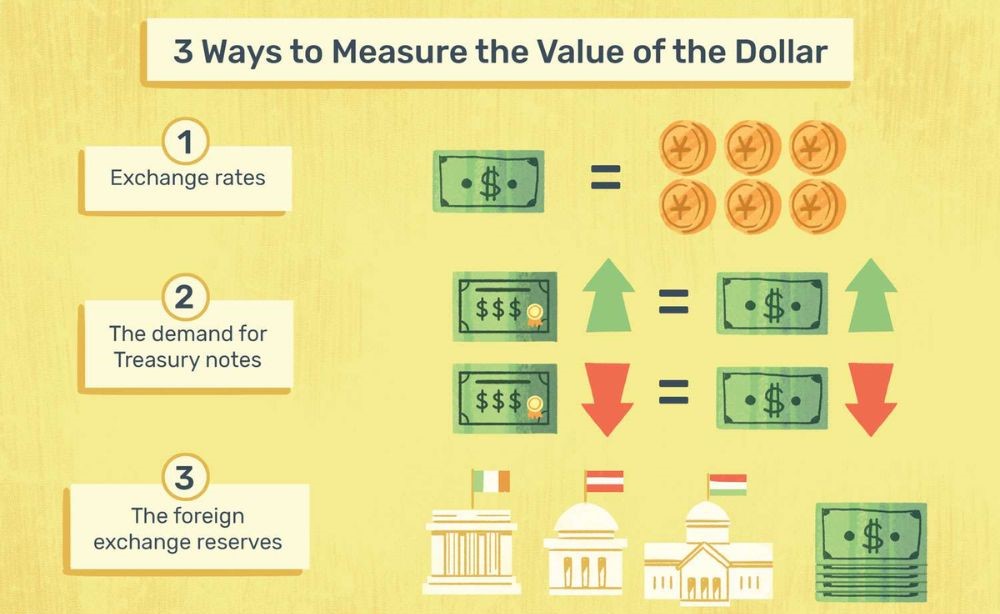
- GDP Growth: Is the U.S. economy growing faster than the Eurozone’s, or vice versa? A higher growth rate is a bullish sign for that country’s currency.
- Inflation (CPI): Is inflation higher in the U.S. or the Eurozone? Higher inflation might pressure the central bank (the Fed or the ECB) to raise interest rates, which would strengthen its currency.
- Interest Rates: Check the current policy rates set by the Federal Reserve and the European Central Bank. The country with the higher interest rate generally has the stronger currency, as it offers a better return to investors.
- Unemployment Rate: A lower unemployment rate signals a healthier labor market and a stronger economy. Compare the U.S. unemployment rate to the overall rate in the Eurozone.
By creating a simple table or scorecard with these data points, you can quickly see which economy has the fundamental advantage. For instance, if the U.S. has higher GDP growth, a higher interest rate, and lower unemployment than the Eurozone, the fundamental picture clearly favors a stronger USD relative to the EUR.
How Do You Form a Directional Bias Using Fundamental Data?
Once you have compared the economic data, the next step is to synthesize this information to form a directional bias. This means deciding whether you expect the currency pair to go up or down over the long term. Continuing with the EUR/USD example, let’s assume your research shows the following:
- U.S. GDP is growing at 3%, while Eurozone GDP is at 1%.
- The U.S. Federal Reserve’s interest rate is 5.50%, while the ECB’s is 4.50%.
- U.S. unemployment is 3.5%, while Eurozone unemployment is 6.5%.
Based on this information, the U.S. economy is clearly outperforming the Eurozone. The higher GDP growth suggests a more dynamic economy, the higher interest rate makes holding dollars more profitable, and the lower unemployment rate points to greater economic stability. From this analysis, you would form a bearish bias on the EUR/USD pair. This means you expect the value of the Euro to fall relative to the U.S. Dollar. Your trading decisions would then align with this bias. For example, you might look for opportunities to sell EUR/USD, anticipating that the price will trend downward over the coming weeks or months as the market digests this economic reality. This directional bias acts as your strategic guide, helping you stay focused on the bigger picture.
Where Can You Find Data for Fundamental Analysis?
You can find reliable data for fundamental analysis from three main sources: dedicated economic calendars, official government and central bank websites, and reputable financial news outlets. These sources provide the raw information needed to assess economic health and make informed trading decisions. Economic calendars are excellent for tracking upcoming data releases in real-time, while official government sources offer the most accurate and detailed reports. Financial news outlets help you understand the context and market sentiment surrounding the data. Using a combination of these resources ensures you have a comprehensive and well-rounded view of the fundamental landscape. It is essential to rely on trusted sources to avoid misinformation and ensure the data you are using for your analysis is accurate and timely.
What Are the Best Economic Calendars for Forex Traders?
Economic calendars are essential tools for fundamental traders because they consolidate all upcoming economic releases from around the world into one place. They allow you to see what data is coming out, which currency it will affect, and what the market expects. Some of the most popular and reliable economic calendars include:
- Forex Factory: Widely known for its simple, color-coded interface that ranks events by impact (red for high, orange for medium, yellow for low). It also shows the “Forecast,” “Previous,” and “Actual” figures, making it easy to see if a data release beat or missed expectations.
- Investing.com: Offers a highly customizable and comprehensive calendar with filtering options by country, category, and importance. It provides historical data charts for each indicator, which can be useful for deeper analysis.
- DailyFX: This calendar is provided by a major forex broker and is known for its clean layout and expert commentary alongside the data releases.
To read a calendar effectively, you should focus on high-impact events for the currencies you are trading. If the “Actual” number released is better than the “Forecast,” it is generally positive for the currency. For example, if the U.S. NFP report shows 250,000 new jobs were created when the forecast was only 180,000, this is a strong positive surprise that would likely boost the U.S. dollar.
Which Official Sources Provide Reliable Economic Data?
For the most accurate and unbiased information, it is best to go directly to the primary sources. These are the government agencies and central banks that compile and release the data. While their websites can be dense, they are the definitive authority. Key official sources include:
- Central Banks: The websites of central banks are the best place for information on monetary policy. Key sites include the U.S. Federal Reserve (federalreserve.gov) for interest rate decisions and policy statements, the European Central Bank (ecb.europa.eu), and the Bank of England (bankofengland.co.uk).
- Government Statistics Agencies: These organizations are responsible for publishing key economic indicators. For U.S. data, the Bureau of Labor Statistics (bls.gov) releases employment and inflation (CPI) data, while the Bureau of Economic Analysis (bea.gov) releases GDP data. Similar agencies exist for every major economy.
- International Organizations: For a broader, global perspective, organizations like the International Monetary Fund (IMF.org) and the World Bank (worldbank.org) publish regular economic outlooks and in-depth reports on countries and regions around the world.
Using these official sources ensures you are basing your analysis on the most reliable data available, straight from the entities that produce it.
What Are Some Related Questions About Forex Fundamental Analysis?
Traders often ask how fundamental analysis compares to technical analysis, what its limitations are, if it works for short-term trading, what strategies it supports, and whether it is superior to other methods. Additionally, exploring these questions gives traders a more complete understanding of how to apply fundamental principles effectively in the dynamic forex market. By addressing these common points of curiosity, a trader can build a more resilient and informed strategy.
What Is the Difference Between Fundamental and Technical Analysis?
The primary difference between fundamental and technical analysis lies in their core focus and the tools they use to evaluate currency pairs. Fundamental analysis is concerned with the economic health and stability of a country to determine the intrinsic value of its currency. It answers the question, “Why should a currency move?” To do this, analysts examine macroeconomic data like interest rates, Gross Domestic Product (GDP), inflation reports, and employment figures. This approach is generally suited for long-term or swing trading, as economic trends develop over weeks, months, or even years.

In contrast, technical analysis ignores the underlying economic factors and focuses exclusively on price history. It aims to answer the question, “When and where might a currency move next?” Technical analysts use price charts to identify patterns, trends, and key levels of support and resistance. Their tools include various indicators like moving averages, the Relative Strength Index (RSI), and MACD. Because it centers on price action and market psychology reflected in charts, technical analysis is very popular for short-term strategies like day trading and scalping, where timing is paramount.
What Are the Main Limitations of Using Fundamental Analysis?
While powerful, fundamental analysis has several key limitations that traders must manage. One of its biggest challenges is its lack of precision in timing market entries and exits. For example, fundamental data might clearly indicate that a currency is undervalued, but it offers no signal as to when the market will recognize this and correct the price. A currency can remain seemingly overvalued or undervalued for extended periods, frustrating traders who act solely on fundamentals.
Another significant drawback is that market sentiment can easily override economic data, especially in the short term. Fear, greed, and unexpected geopolitical events can drive prices in a direction opposite to what the fundamentals suggest. Finally, many economic reports are lagging indicators. Data on GDP or inflation reflects past performance, and by the time it is released, the information may already be priced into the market. This delay can make it difficult to find a true trading edge based on the news release alone, as professional traders have often already positioned themselves.
Can You Use Fundamental Analysis for Short-Term Trading?
Yes, fundamental analysis can be adapted for short-term trading, primarily through a strategy known as news trading. This approach involves trading around high-impact economic data releases, such as the U.S. Non-Farm Payrolls report, central bank interest rate decisions, or inflation (CPI) announcements. These events can trigger immediate and substantial price volatility, creating opportunities for quick profits. Short-term traders either try to anticipate the outcome of the report and enter a position beforehand or wait for the data release and react instantly to the market’s initial move.
However, this is an extremely high-risk strategy. The volatility surrounding major news events causes bid-ask spreads to widen significantly, increasing transaction costs. There is also a high risk of slippage, where a trade is executed at a much different price than intended due to rapid market movement. Furthermore, the market’s reaction is not always logical or predictable. A strong economic report does not always lead to a stronger currency, as the result may have been priced in or overshadowed by other factors.
What Are the Main Types of Fundamental Trading Strategies?
Several popular trading strategies are built upon fundamental principles, each targeting different economic drivers. One of the most well-known is the Carry Trade. This long-term strategy involves buying a currency with a high interest rate while simultaneously selling a currency with a low interest rate. The goal is to profit from the interest rate differential, which is paid to the trader daily. This strategy thrives in low-volatility, risk-on environments where investors are confident in the stability of the high-yielding currency’s economy.

Another common strategy is trading based on Economic Divergence. This involves identifying two countries whose economic policies or performance are moving in opposite directions. For instance, if the U.S. Federal Reserve is raising interest rates to combat inflation while the Bank of Japan is keeping rates low to stimulate its economy, a trader might buy the U.S. Dollar and sell the Japanese Yen (a long USD/JPY trade). Finally, there is Risk-On/Risk-Off Sentiment Trading, which relies on broad market mood. In “risk-on” periods, traders buy commodity-linked currencies like the Australian or New Zealand Dollar. In “risk-off” periods, they seek safety in currencies like the Japanese Yen, Swiss Franc, or U.S. Dollar.
Is Fundamental Analysis Better Than Technical Analysis?
Neither fundamental nor technical analysis is inherently “better” than the other. Instead, they are two distinct methodologies that provide different, and often complementary, perspectives on the market. The choice between them often depends on a trader’s personality, preferred trading timeframe, and overall strategy. Some traders achieve success using one method exclusively, but a large number of experienced traders find value in combining both.

The most effective approach often involves using fundamental analysis to determine the long-term direction and technical analysis for trade execution. In this hybrid model, fundamental analysis answers “why” a currency pair might move. For example, a strengthening economy might provide a fundamental reason to be bullish on its currency. From there, technical analysis answers “when” to enter or exit a trade. A trader might use chart patterns, support and resistance levels, or indicators to find a low-risk entry point that aligns with the broader fundamental trend. This combination allows for a more complete view, using macroeconomics for direction and price action for timing and risk management.