

Blog
How Does Inflation Affect Forex Trading for Currencies and Central Banks?

Inflation directly impacts forex trading by altering the real-world value and purchasing power of a country’s currency. As a country’s inflation rate rises, its currency’s ability to buy goods and services diminishes, which generally causes that currency to weaken or depreciate relative to currencies with lower inflation. Forex traders closely monitor inflation data because it serves as a primary signal for future central bank policy, which is the most powerful driver of currency movements. A currency’s strength is fundamentally tied to the economic health and monetary policy of its home country, and inflation is a critical barometer of both.
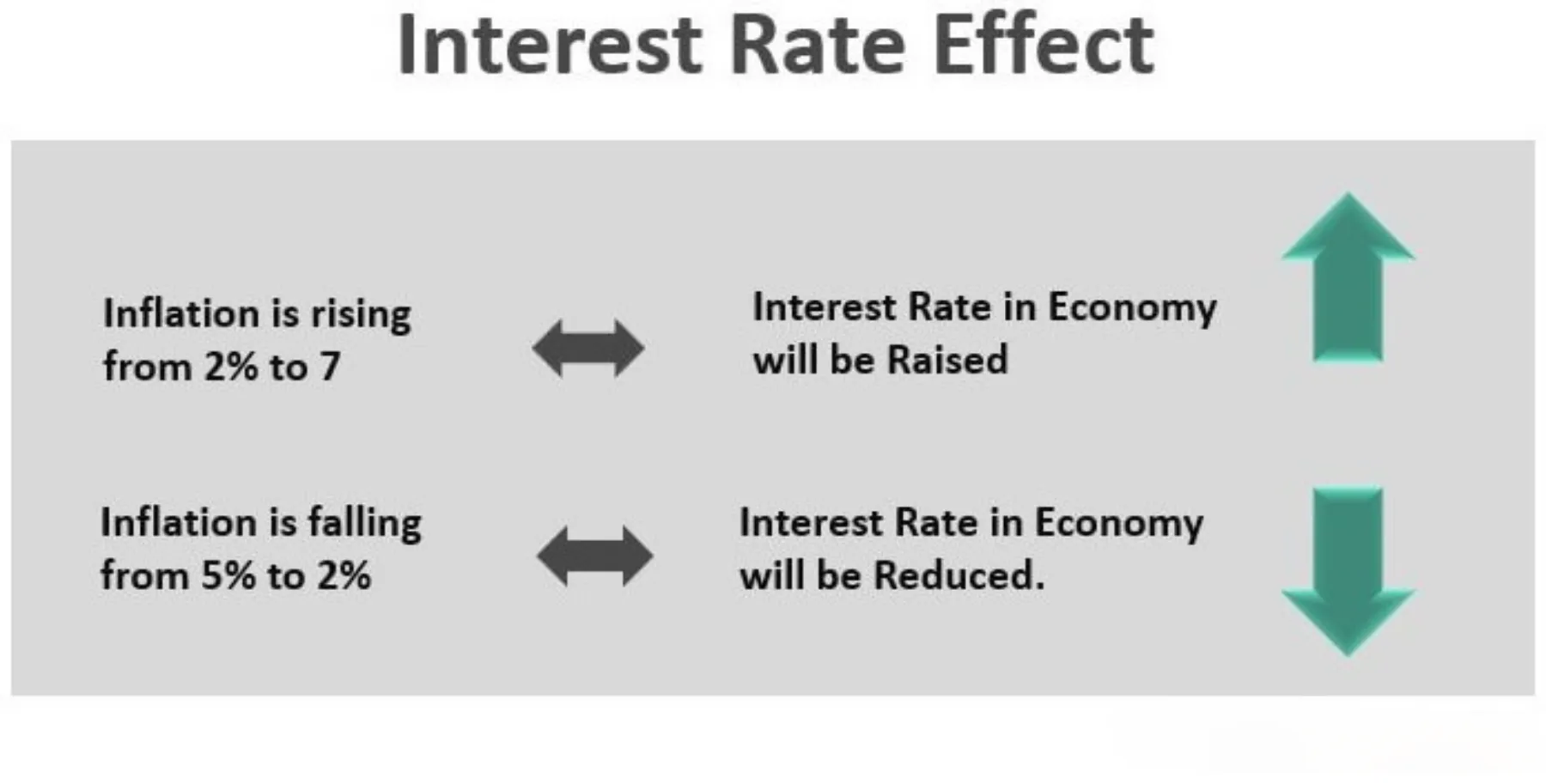
Central banks respond to rising inflation by implementing tighter monetary policies. The main tool central banks use to control inflation is the policy interest rate; by raising rates, they make borrowing more expensive, which slows economic activity and curbs price pressures. This action has a profound effect on the forex market. Higher interest rates attract foreign investment from individuals and institutions seeking better returns on their capital, a phenomenon known as “hot money flows.” This influx of foreign capital increases demand for the local currency, causing it to strengthen.
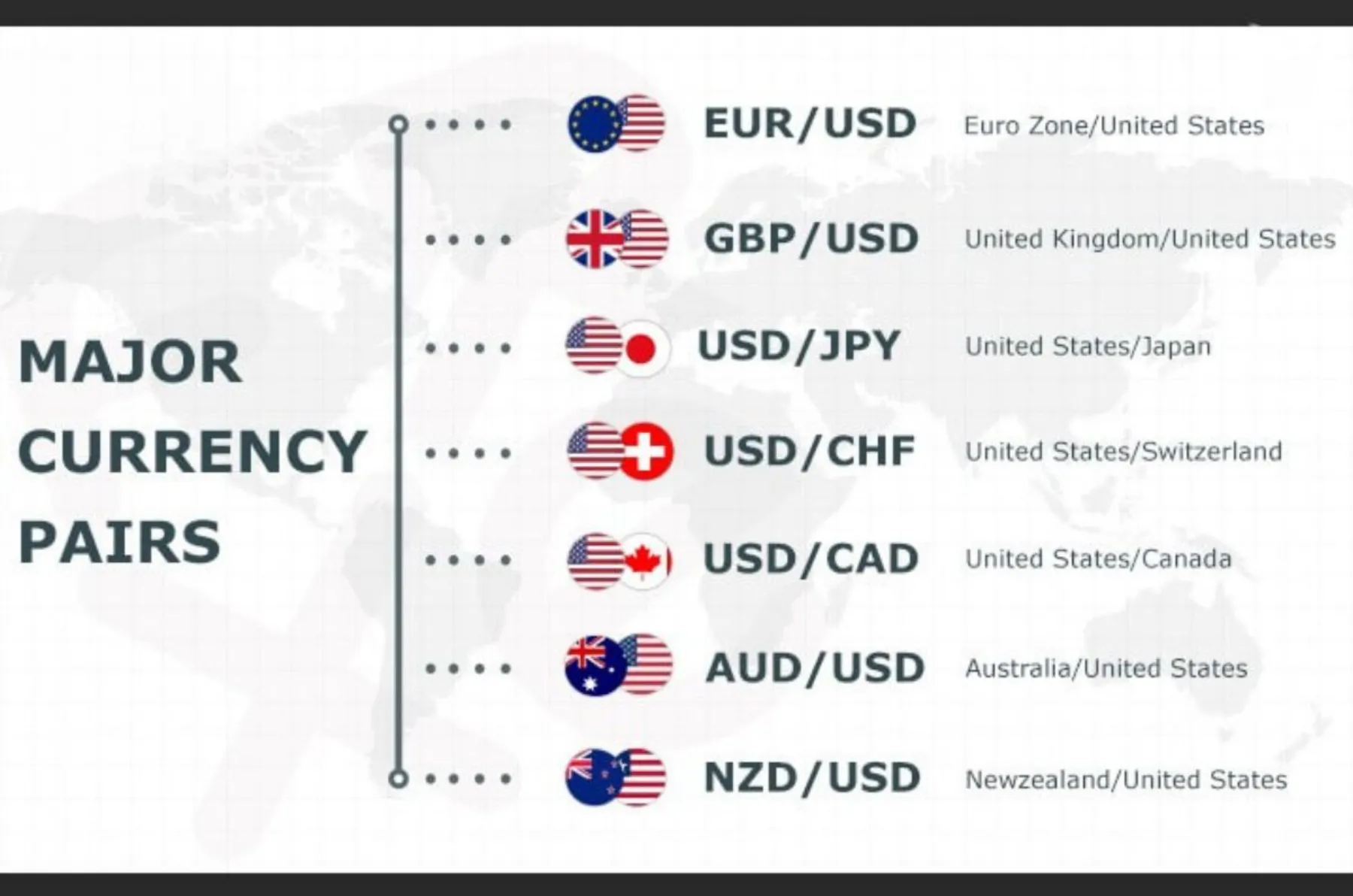
The currency pairs most affected by inflation are those involving the world’s major economies whose central banks actively manage monetary policy. Major pairs like EUR/USD, USD/JPY, and GBP/USD are extremely sensitive to inflation reports because they directly influence the policy decisions of the Federal Reserve, European Central Bank, Bank of Japan, and Bank of England. Traders who focus on these pairs pay meticulous attention to economic calendars and inflation data releases, such as the Consumer Price Index (CPI), to anticipate central bank actions and subsequent market volatility.
Understanding this chain reaction, from inflation to central bank response to currency valuation, is the cornerstone of fundamental analysis in forex trading. It allows traders to build strategies based not just on chart patterns but on the underlying economic forces that shape global financial markets. By correctly interpreting inflation trends, traders can position themselves to capitalize on the predictable, yet powerful, responses of central banks and the resulting shifts in currency values.
What is the Fundamental Relationship Between Inflation and Forex?
The fundamental relationship is an inverse one, where higher inflation in a country typically leads to a depreciation of its currency’s value on the forex market. This connection is rooted in the concept of purchasing power. To understand this better, let’s break down what inflation is and how its effects ripple through an economy to ultimately influence its exchange rate against other currencies. This principle is a cornerstone of fundamental analysis for any forex trader, as it helps predict long-term currency trends beyond short-term market noise. The expectation of future inflation can often move a currency just as much as the current reported numbers, highlighting the forward-looking nature of the forex market. A country consistently struggling with high inflation is often seen as having poor economic management, which further erodes investor confidence and adds to the downward pressure on its currency.
What is Inflation?
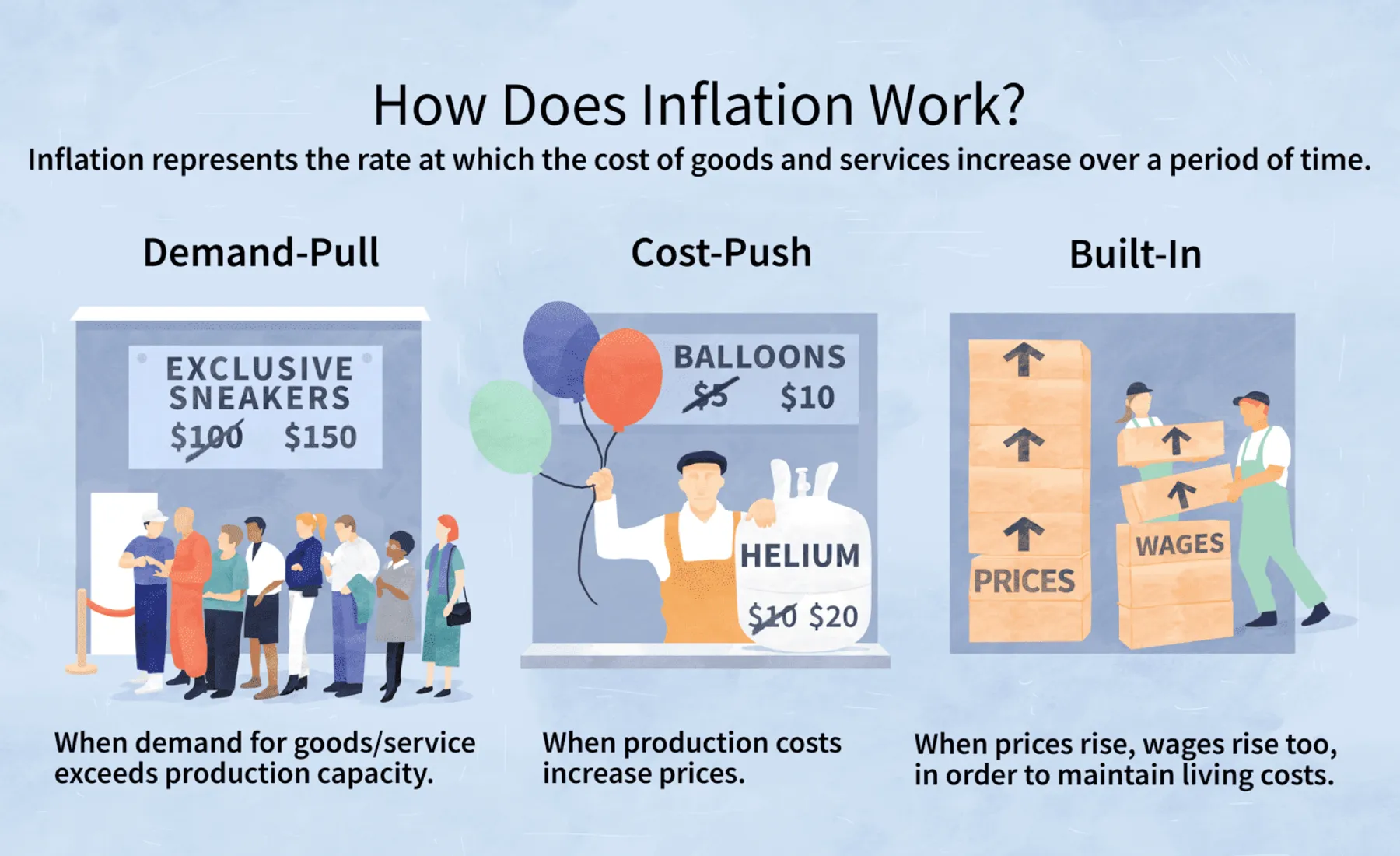
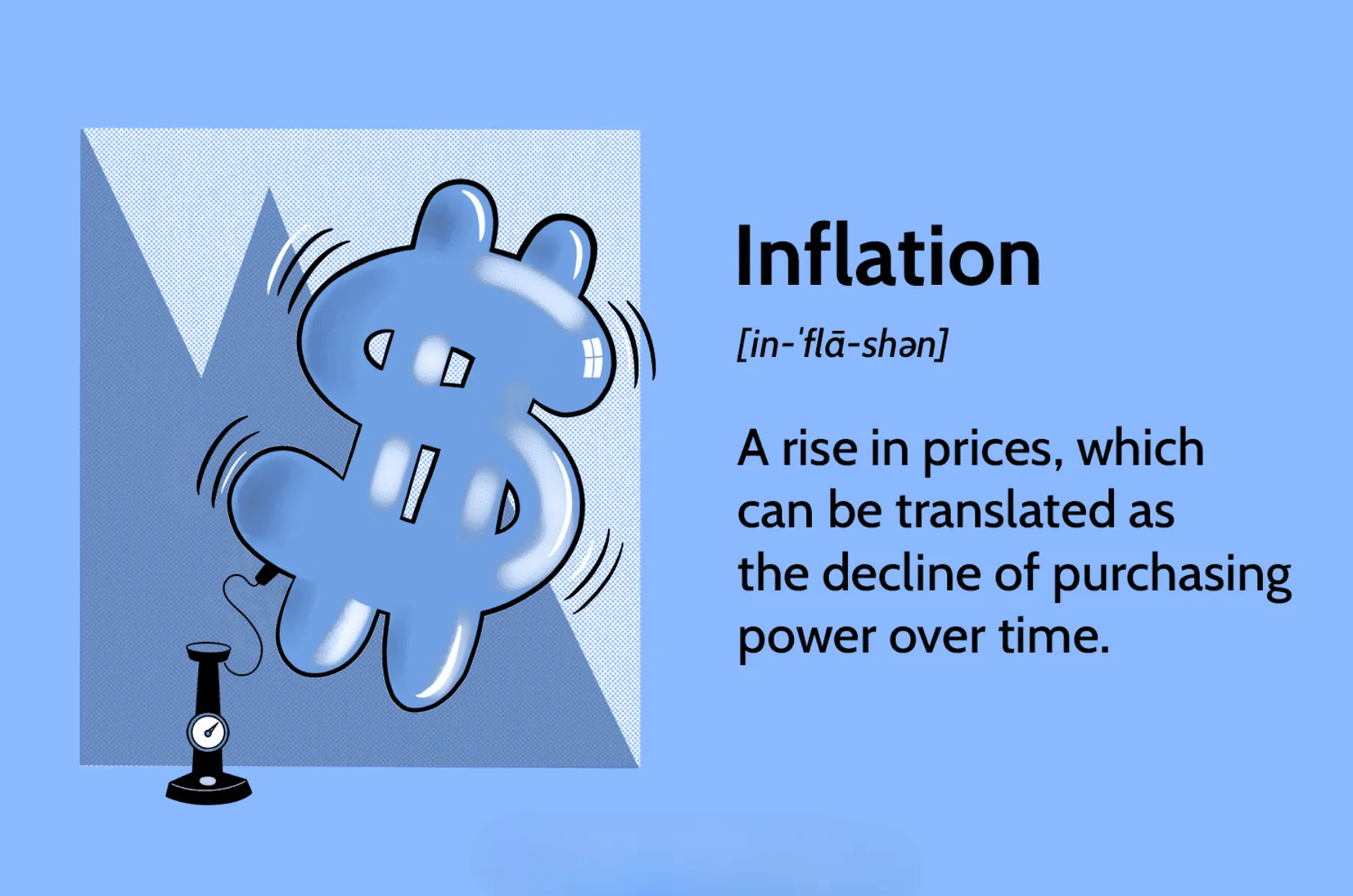
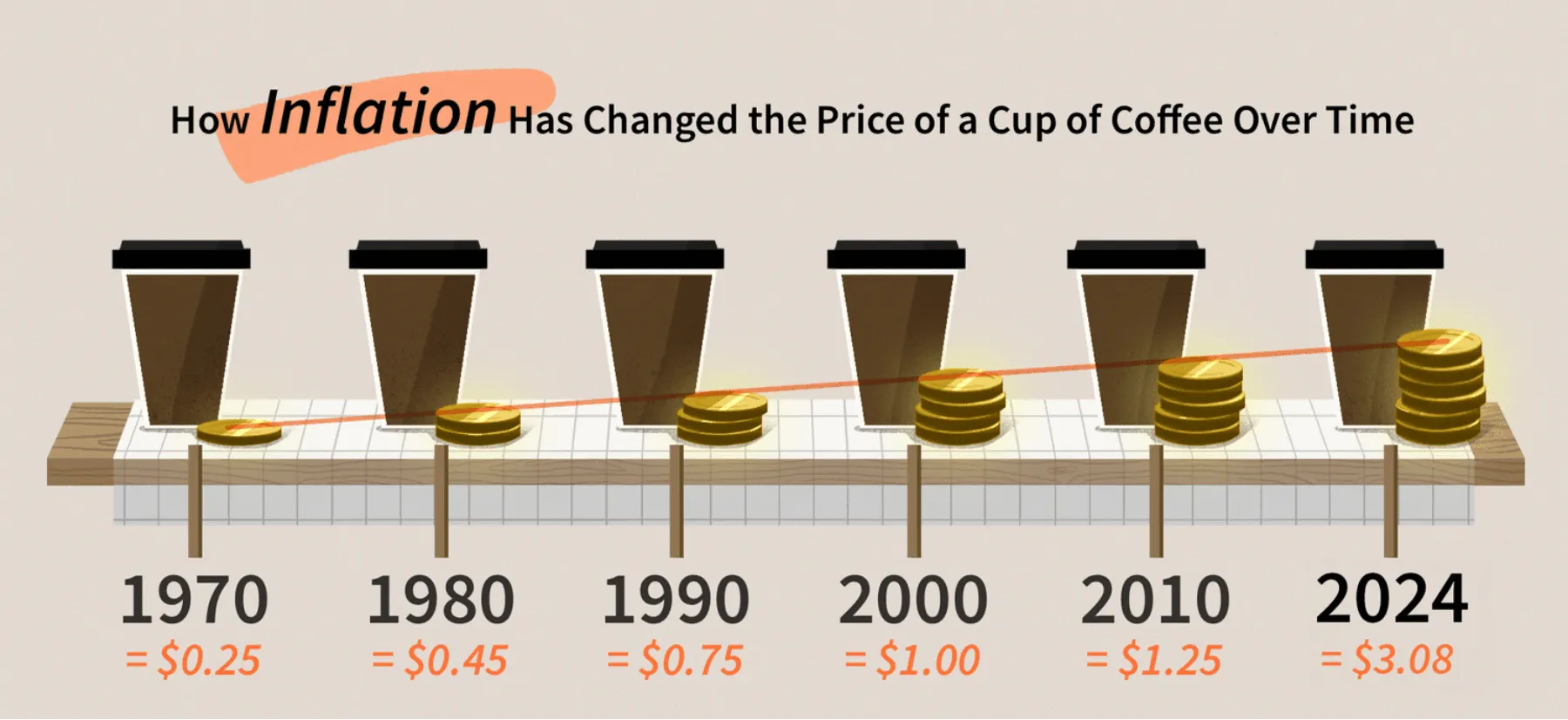
Inflation is the rate at which the general level of prices for goods and services rises, and subsequently, a currency’s purchasing power falls. When you hear that the inflation rate is 3%, it means that on average, a basket of goods and services you bought a year ago now costs 3% more. This means each dollar, euro, or yen in your pocket buys a little less than it did before. For a simple example, imagine a cup of coffee costs exactly $2.00 this year. If the annual inflation rate is 5%, that same cup of coffee will cost $2.10 next year. Your two dollars can no longer buy a full cup of coffee. The money itself has not changed, but its value, or what it can purchase, has decreased. This erosion of purchasing power is the central effect of inflation. It impacts everything from household budgets to corporate investment decisions and, most importantly for our topic, the international valuation of a currency.
How Does Inflation Weaken a Currency?
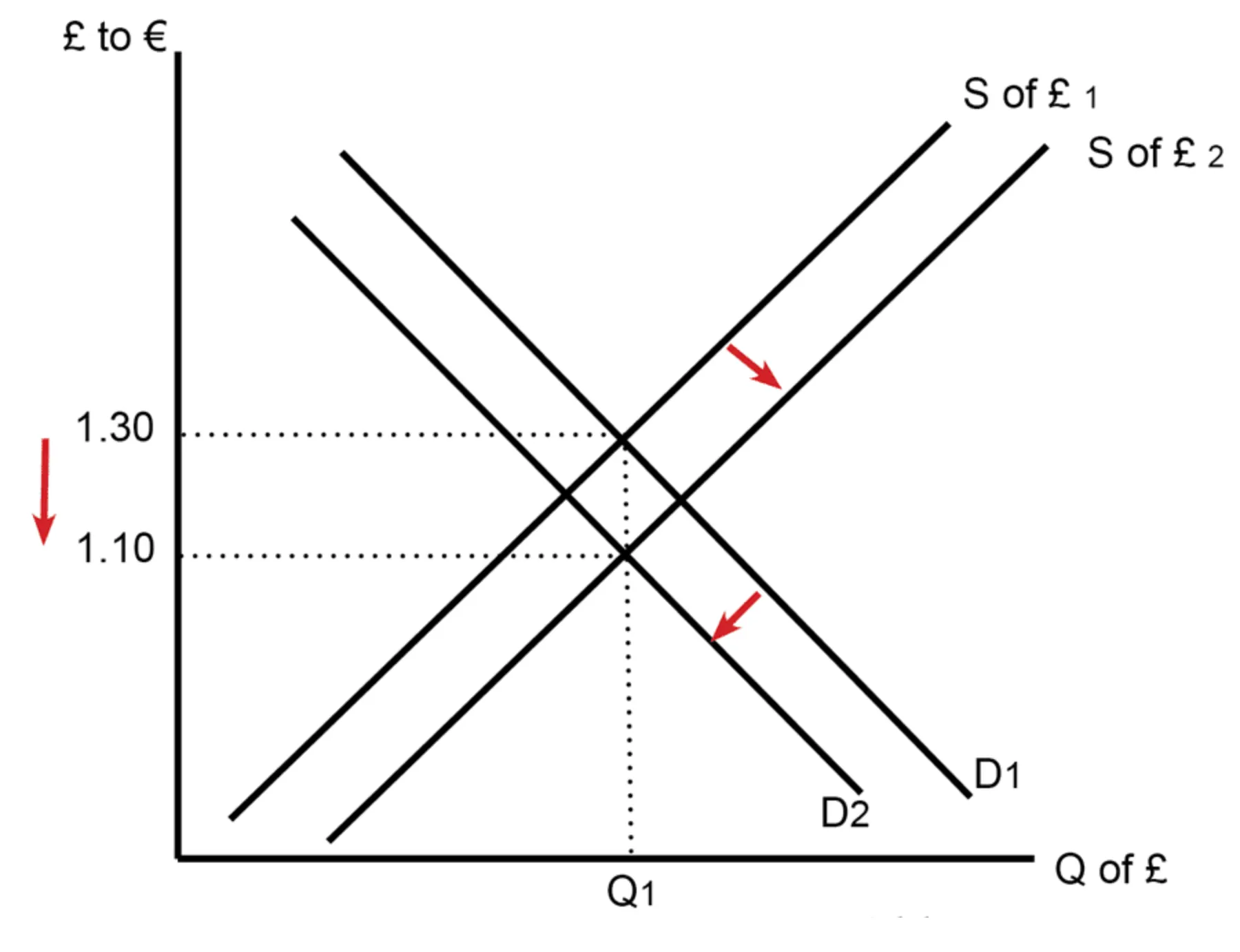
Inflation weakens a currency through a straightforward process tied to purchasing power, international trade, and investor sentiment. As domestic prices rise, each unit of that currency buys fewer goods and services. This reduction in purchasing power makes the currency fundamentally less valuable. On an international scale, this has two major consequences. First, it affects trade balances. If prices in the United States are rising quickly due to high inflation, American-made goods become more expensive for buyers in other countries. Consequently, foreign consumers and businesses may choose to buy cheaper alternatives from countries with lower inflation. This reduces demand for U.S. goods and, in turn, reduces the international demand for U.S. dollars needed to purchase them. At the same time, foreign goods become relatively cheaper for American consumers, increasing imports and causing more U.S. dollars to flow out of the country. This combination of lower demand and higher supply on the global market pushes the currency’s value down. Second, investors become hesitant to hold assets denominated in a high-inflation currency because the real return on their investment is being eroded. An investor earning a 4% return on a bond is actually losing purchasing power if inflation is running at 5%. This encourages them to sell that currency and move their capital to countries with lower inflation and more stable economies, further increasing the selling pressure and weakening the currency.
How Do Central Banks Use Interest Rates to Manage Inflation and Forex?
Central banks combat inflation by raising interest rates, which cools the economy and simultaneously attracts foreign capital, thereby strengthening the currency. This dual-impact mechanism is the primary way monetary authorities, like the U.S. Federal Reserve (the Fed) or the European Central Bank (ECB), influence their domestic economy and their currency’s standing on the global stage. Let’s explore this process. When a central bank changes its key policy rate, it creates a ripple effect across the entire financial system, affecting borrowing costs for consumers, investment decisions for businesses, and the flow of capital from international investors. For forex traders, understanding a central bank’s mandate, its inflation targets, and its likely reaction to economic data is perhaps the single most important skill. The speeches, meeting minutes, and forecasts released by central bankers are scrutinized word-for-word by traders looking for clues about future interest rate movements, as these are the clearest signals for long-term currency direction.
Do Central Banks Raise Interest Rates to Fight Inflation?
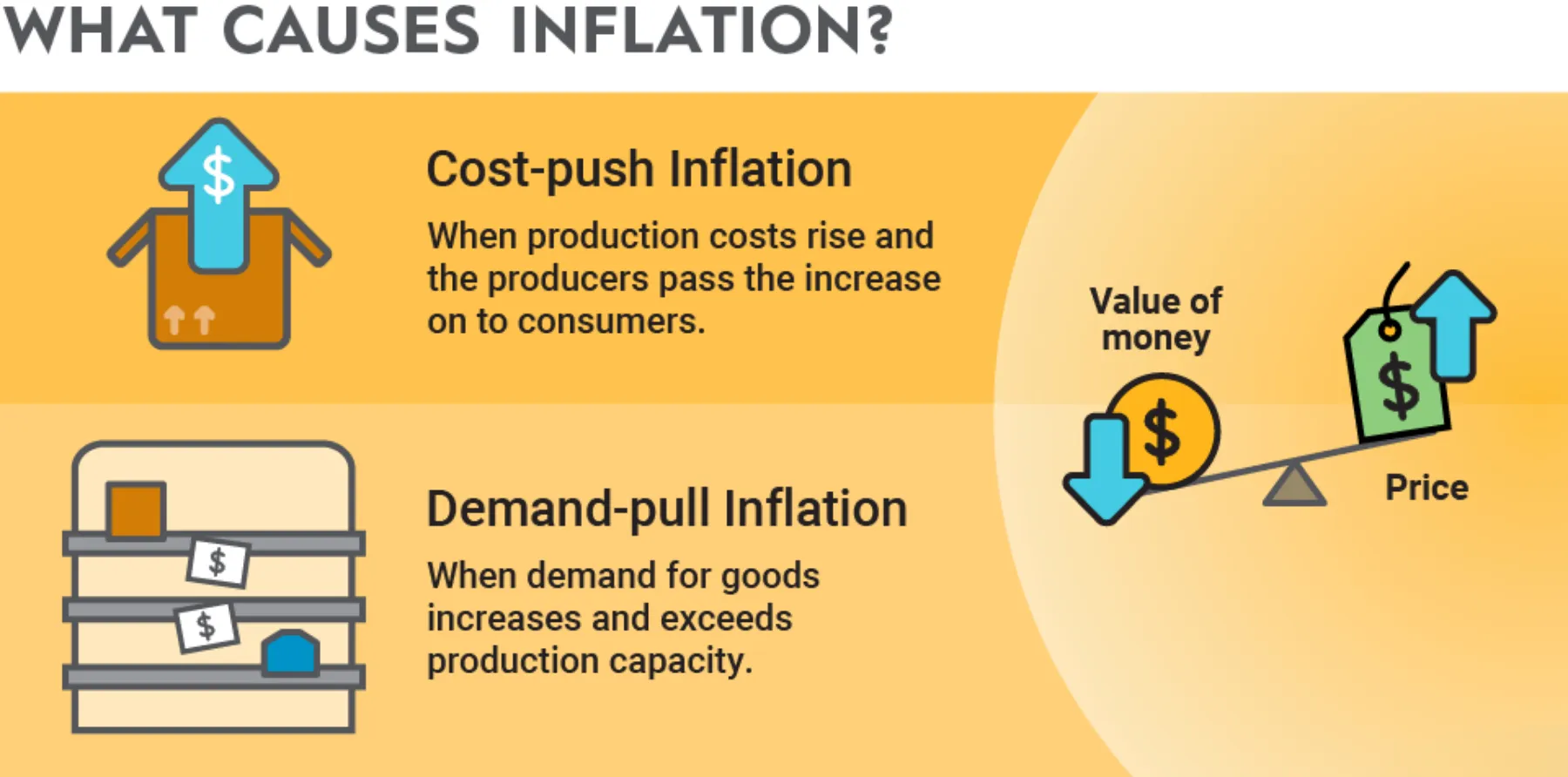
Central banks absolutely raise interest rates as their primary tool to fight inflation. When an economy is growing too quickly, demand for goods and services can outstrip supply, causing prices to rise rapidly. To cool things down, a central bank will increase its benchmark interest rate. This makes borrowing money more expensive for commercial banks, and those banks, in turn, pass on the higher costs to their customers. As a result, mortgage rates, car loans, and credit card interest rates all go up. This discourages consumers from making large purchases and taking on new debt, which reduces overall spending in the economy. For businesses, higher borrowing costs make it less attractive to invest in new projects, expand operations, or hire more staff. This reduction in both consumer and business spending lessens the overall demand in the economy. With less money chasing the same amount of goods, the upward pressure on prices eases, and inflation begins to slow down. This process is often described as “tapping the brakes” on the economy to prevent it from overheating.
What is the Effect of Higher Interest Rates on a Currency?
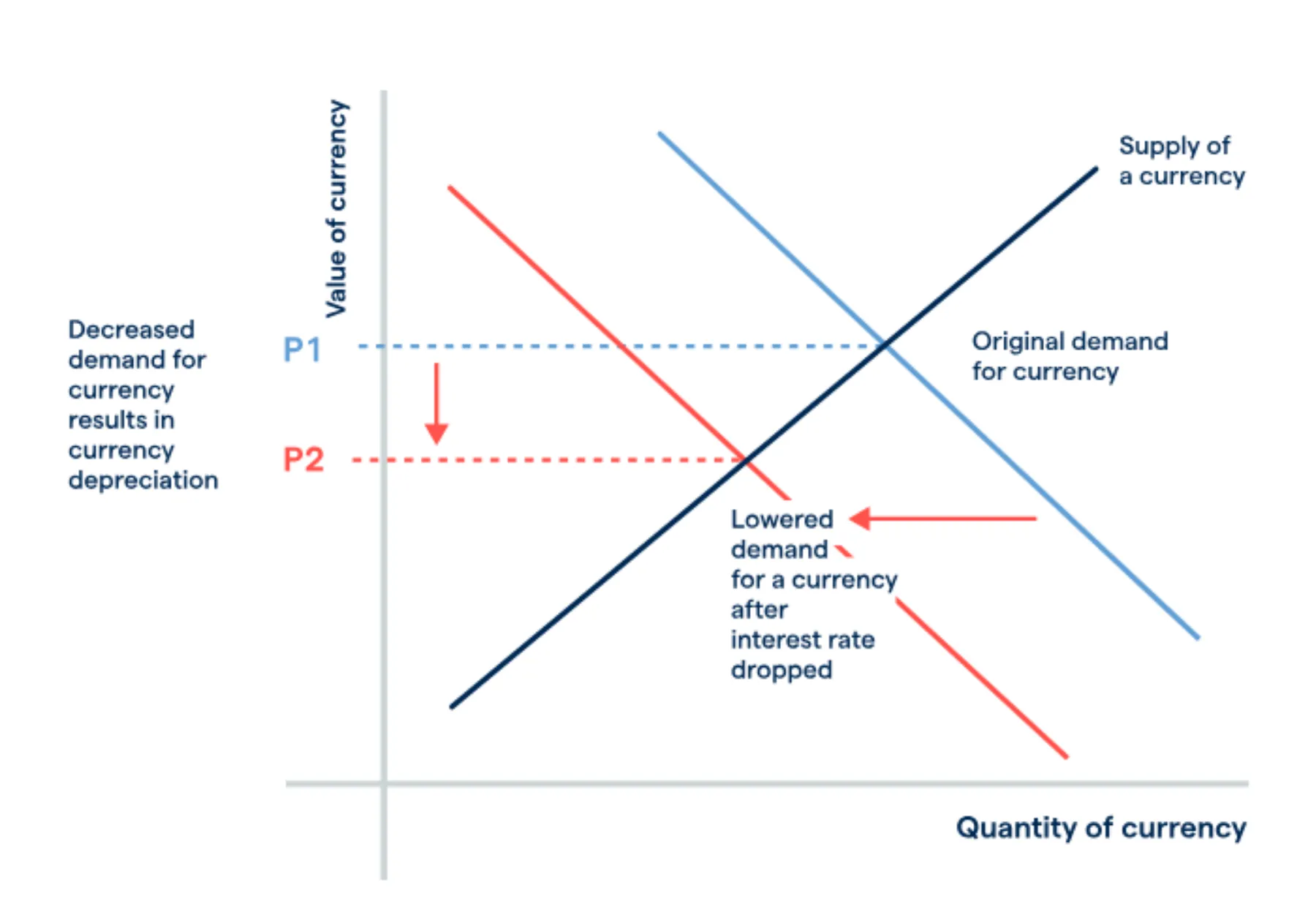
Higher interest rates have a powerful strengthening effect on a currency for one primary reason: they attract foreign investment. Global financial markets are a vast ecosystem of investors constantly searching for the highest possible return on their capital with an acceptable level of risk. When a country’s central bank raises its interest rates, the return offered on government bonds and other fixed-income assets in that country becomes more attractive compared to other countries. For instance, if the interest rate on a U.S. government bond is 4% while a German government bond offers 2%, international investors seeking higher yields will be incentivized to invest their money in the U.S. To buy that U.S. bond, an investor in Germany must first sell their euros and buy U.S. dollars. This act of buying U.S. dollars increases the demand for the currency on the foreign exchange market. Just like with any other asset, when demand increases while supply remains relatively constant, the price goes up. This inflow of capital, often called “hot money” because it moves quickly to where returns are highest, causes the value of the dollar to appreciate against the euro. This is why announcements of interest rate hikes are one of the most significant market-moving events for a currency.
Which Currency Pairs are Most Sensitive to Inflation News?
The currency pairs most sensitive to inflation news are the majors, such as EUR/USD, USD/JPY, GBP/USD, and AUD/USD, along with commodity-linked currencies. These pairs are highly responsive because they involve economies with influential central banks that have clear mandates to control inflation, meaning any surprising inflation data is likely to trigger a strong policy response. Let’s explore why these specific groups of currencies react so sharply. The sensitivity is driven by market expectations. Traders build forecasts for inflation, and when the actual released data, like the Consumer Price Index (CPI), deviates from these forecasts, it creates volatility. A higher-than-expected inflation number can signal that a central bank may need to raise interest rates more aggressively than previously thought, leading to a sudden surge in demand for that currency. Conversely, a lower-than-expected number can have the opposite effect.
What are the Major Currency Pairs to Watch?
The major currency pairs represent the most traded and liquid markets in the world, and their movements are heavily dictated by the monetary policies of their respective central banks.
- EUR/USD: This is the most traded currency pair globally. It pits the U.S. Federal Reserve against the European Central Bank. Both institutions are laser-focused on inflation, so CPI releases from either the Eurozone or the United States can cause significant swings in this pair. Traders watch for divergences in policy, for example, if one central bank is hiking rates while the other is holding steady.
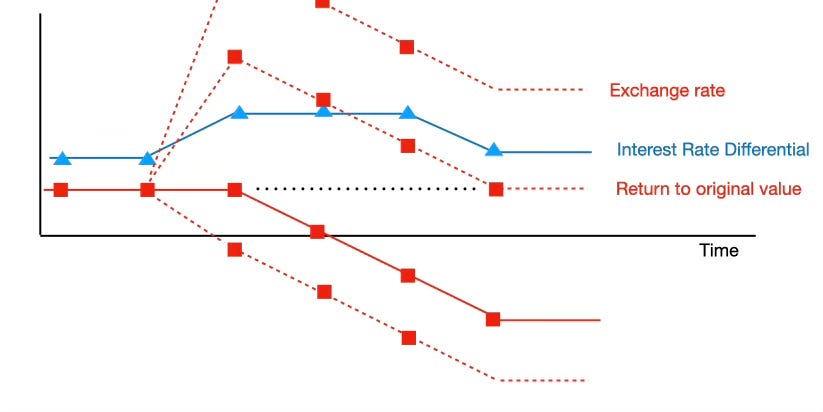
- USD/JPY: This pair is famously sensitive to interest rate differentials. The Bank of Japan has historically maintained very low, or even negative, interest rates, while the U.S. has had more dynamic rate cycles. When U.S. inflation rises and the Fed raises rates, the yield difference between U.S. and Japanese bonds widens, often leading to strong and sustained buying of USD/JPY.
- GBP/USD: Known colloquially as “Cable,” this pair is influenced by inflation data and the subsequent policy decisions of the Bank of England and the U.S. Federal Reserve. The UK economy has faced unique inflationary pressures, making the Bank of England’s response a key driver of volatility for the pound sterling.
- AUD/USD: The Australian Dollar is a major currency but also has strong ties to commodity prices. This pair is sensitive to both U.S. inflation data, which affects the USD, and domestic Australian inflation, which dictates the policy of the Reserve Bank of Australia.
Are Commodity Currencies Affected by Inflation?
Commodity currencies are uniquely and profoundly affected by inflation, often in a more direct way than other currencies. Currencies like the Australian Dollar (AUD), Canadian Dollar (CAD), and New Zealand Dollar (NZD) belong to countries whose economies rely heavily on the export of raw materials. The AUD is tied to iron ore and coal, the CAD to oil, and the NZD to dairy products. The connection to inflation works in two ways. First, a rise in global commodity prices is often a primary driver of global inflation itself. When the price of oil surges, for example, it increases transportation and manufacturing costs worldwide, pushing up the prices of finished goods. This surge in oil prices directly benefits Canada’s economy, leading to a stronger Canadian dollar even before global inflation becomes widespread. Second, rising commodity prices boost the exporting country’s terms of trade, meaning it earns more for its exports. This increases national income and strengthens the currency. Therefore, traders often view commodity currencies as a leading indicator of, or a direct hedge against, global inflation. When inflation fears are rising, these currencies can strengthen as investors anticipate both higher commodity revenues and eventual interest rate hikes from their central banks.
What are Key Forex Trading Strategies for Inflationary Environments?
Key strategies involve trading interest rate differentials, reacting to inflation data releases, and monitoring central bank communications for future policy hints. An inflationary environment creates clear trends and volatility that savvy traders can use to their advantage. Instead of being a chaotic period, it often brings a degree of predictability, as the actions of central banks become the market’s primary focus. Here’s a breakdown of actionable strategies that are built on the principles of how inflation, interest rates, and currency values are interlinked. Successful execution requires a solid understanding of fundamental analysis, diligent monitoring of economic calendars, and disciplined risk management. The goal is to anticipate or react quickly to the predictable chain of events that inflation sets in motion, from data releases to central bank policy shifts.
How Can Traders Use Interest Rate Differentials?
Traders can use interest rate differentials to implement a strategy commonly known as the “carry trade.” This strategy is designed to profit from the difference in interest rates between two countries. The execution is straightforward: a trader buys a currency with a high and/or rising interest rate while simultaneously selling a currency with a low and stable interest rate. For example, imagine Australia’s central bank is aggressively raising interest rates to 4% to combat inflation, while Japan’s central bank keeps its interest rate at 0.1%. A carry trader would buy the Australian dollar (AUD) and sell the Japanese yen (JPY), a trade known as long AUD/JPY. The trader aims to profit in two ways. First, they earn the net interest rate difference, or the “positive carry,” for every day they hold the position. Second, and often more importantly, they anticipate that the AUD will appreciate against the JPY as global capital flows into Australia to chase the higher yield, providing a profit from the currency’s price movement. This strategy is most effective in a low-volatility market where investor confidence is high, allowing these interest-rate-driven trends to persist.

Is Trading Based on Inflation Data Releases a Viable Strategy?
Trading based on inflation data releases is a very common and viable strategy, often referred to as “news trading,” but it requires speed and a clear plan for managing risk. The strategy revolves around the economic calendar, where traders pinpoint the exact dates and times for the release of key inflation indicators like the Consumer Price Index (CPI) or the Producer Price Index (PPI). Market analysts provide consensus forecasts for these numbers. The trading opportunity arises when the actual reported number is significantly different from the forecast. For instance, if the U.S. CPI is expected to be 0.3% for the month but comes in at 0.6% (“hotter” than expected), this signals stronger inflation. Traders will immediately anticipate that the Federal Reserve might be more likely to raise interest rates in the future. In response, they will quickly buy the U.S. dollar against other currencies, causing a rapid spike in pairs like USD/JPY or a sharp drop in pairs like EUR/USD. To execute this, a trader must be ready right at the moment of the release. Because the market can move very quickly and be extremely volatile, using predefined entry points and protective stop-loss orders is essential to manage the high risk involved.

What are Advanced Economic Concepts Linking Inflation and Forex?
Advanced concepts like stagflation, safe-haven dynamics, and central bank policies like Quantitative Easing provide deeper insights into how inflation influences currency movements. Furthermore, understanding the nuances between leading and lagging economic indicators helps traders anticipate market reactions with greater accuracy.
What is the Difference Between CPI and PPI for Forex Traders?
For forex traders, the key difference between the Consumer Price Index (CPI) and the Producer Price Index (PPI) lies in their timing and predictive power. CPI measures the average change in prices paid by urban consumers for a basket of goods and services, representing inflation at the retail level. In contrast, PPI tracks the average change in selling prices received by domestic producers for their output. It measures inflation at the wholesale level, before goods reach the consumer. This distinction makes the PPI a valuable leading indicator for CPI. When producers pay more for raw materials and energy, those higher costs are often passed on to consumers.

A trader who sees a sharp increase in the PPI report can anticipate that a future CPI report might also show higher inflation. This gives them an early signal to prepare for potential central bank responses, such as interest rate hikes, which typically strengthen a currency.
- CPI Focus: Measures price changes for the final consumer.
- PPI Focus: Measures price changes for domestic producers.
- Trader’s Edge: Using a rising PPI as a forecast for future CPI inflation.
How Does Hyperinflation Differ from Deflation in Forex?
Hyperinflation and deflation represent opposite economic extremes with vastly different impacts on a currency’s value. Hyperinflation is an out of control, rapid increase in prices that completely erodes a currency’s purchasing power. In the forex market, a hyperinflating currency experiences a catastrophic collapse. Traders abandon it entirely, as its value plummets daily or even hourly. There is no demand for a currency that is becoming worthless, leading to extreme volatility and ultimately making it untradable on major platforms. Historical examples include Germany in the 1920s and Zimbabwe in the 2000s, where the national currencies lost all credibility.
Deflation is the opposite; it is a sustained decrease in the general price level of goods and services. Paradoxically, deflation can cause a currency to strengthen in the short term. As prices fall, each unit of currency can buy more, increasing its real value. However, this is a sign of deep economic weakness, as it indicates falling demand, lower corporate profits, and rising unemployment. Central banks combat deflation aggressively with rate cuts and other stimulus, which ultimately weaken the currency in the long run.
- Hyperinflation: Causes a currency’s complete and rapid collapse.
- Deflation: Can temporarily strengthen a currency but signals severe economic trouble.
- Forex Impact: One makes a currency worthless, while the other creates a misleading short-term strength followed by long-term weakness.
What are Safe-Haven Currencies During High Inflation?
Safe-haven currencies are currencies that traders and investors seek out during periods of global economic uncertainty and high inflation. These currencies are expected to retain or even increase in value while other assets and currencies decline. The primary safe havens include the Swiss Franc (CHF), the Japanese Yen (JPY), and often the U.S. Dollar (USD). They earn this status because they belong to economies with immense political stability, sound fiscal policies, and large, stable financial systems. Investors trust that these governments will not default on their debt and that their central banks will act responsibly to protect the currency’s value.
During periods of high global inflation, capital flows out of riskier currencies and into these safe havens. This increased demand causes the safe-haven currencies to appreciate against others. For example, if inflation is surging across Europe, a trader might sell the Euro (EUR) and buy the Swiss Franc (CHF) to preserve their capital.
- Swiss Franc (CHF): Backed by Switzerland’s political neutrality, low debt, and financial stability.
- Japanese Yen (JPY): Supported by Japan’s status as the world’s largest creditor nation.
- U.S. Dollar (USD): Benefits from being the world’s primary reserve currency and the depth of U.S. financial markets.
How Does Stagflation Impact Forex Trading Decisions?
Stagflation presents one of the most challenging scenarios for forex traders because it sends conflicting signals about a currency’s future direction. This toxic economic mix consists of high inflation, high unemployment, and stagnant economic growth. Normally, a central bank would raise interest rates to combat high inflation, which would strengthen the currency. However, raising rates during a period of slow growth and high unemployment would worsen the economic downturn, creating a serious policy dilemma. If the central bank instead lowers rates to stimulate growth, it risks fueling even higher inflation, which would devalue the currency.
This policy paralysis makes it extremely difficult for traders to predict central bank actions. The currency can become highly volatile and directionless, swinging based on which problem, inflation or unemployment, the market is focused on at any given moment. Trading a currency experiencing stagflation is inherently risky because traditional economic correlations break down. Traders must pay close attention to central bank communications for any hint of which economic evil they intend to prioritize.
- The Dilemma: Fight inflation with rate hikes and kill growth, or boost growth with rate cuts and fuel inflation.
- Market Reaction: High uncertainty and volatility with no clear trend.
- Trader Strategy: Requires extreme caution and a focus on central bank guidance over standard economic data.
What is the Role of Quantitative Easing (QE) in Currency Inflation?
Quantitative Easing (QE) is a monetary policy tool used by central banks to stimulate an economy when conventional methods, like cutting interest rates, are no longer effective. Under QE, the central bank creates new digital money to purchase financial assets, primarily government bonds, from commercial banks. This action increases the money supply and injects liquidity into the financial system. The primary role of QE is to lower long-term interest rates, encourage lending and investment, and prevent deflation. However, this process is inherently inflationary. By massively expanding the monetary base, the central bank devalues each existing unit of the currency.
For forex traders, QE is a strong signal of future currency weakness. While the initial announcement might cause some market volatility, the long-term effect of increasing the supply of a currency is a reduction in its value relative to other currencies whose supplies are not being expanded. It is a fundamental application of the law of supply and demand. More supply with the same level of demand leads to a lower price. Therefore, a country engaging in sustained QE will generally see its currency depreciate over the long term.
- Mechanism: A central bank digitally prints money to buy government bonds.
- Goal: To lower borrowing costs and stimulate economic activity.
- Forex Consequence: A larger money supply leads to long-term currency devaluation.