

Blog
What Are the Best Position Sizing Strategies to Protect Forex Trading Capital?

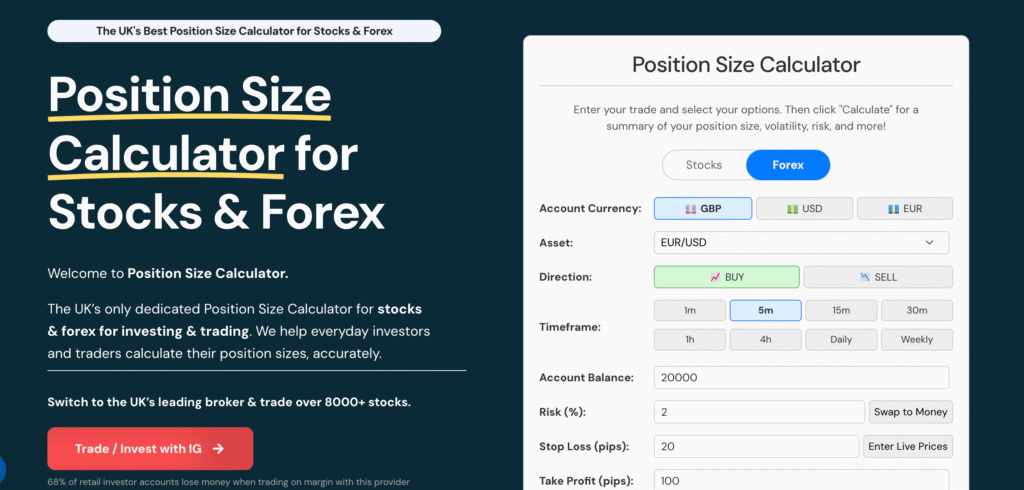
The best position sizing strategies to protect forex trading capital are those that systematically control risk on a per-trade basis, with the Fixed Percentage Risk model being the most effective for long-term capital preservation and growth. This method involves risking a small, predetermined percentage of your total account equity, such as 1% or 2%, on any single trade. Its strength lies in its dynamic nature. As your account grows, your position size increases, allowing for compounding. Conversely, during a losing streak, your position size automatically decreases, protecting your remaining capital from catastrophic losses.
Position sizing is essential because it is the single most important tool for risk management and long-term survival in the forex market. While a good trading strategy helps you identify opportunities, position sizing determines whether you can withstand the inevitable losses that come with trading. It transforms risk from an abstract concept (pips) into a concrete, manageable dollar amount, ensuring no single trade can severely damage your account. This proactive control over potential losses is what separates professional traders from gamblers.
Calculating your forex position size is a straightforward process that relies on four key inputs: your total account balance, your chosen risk percentage, the distance of your stop-loss in pips, and the pip value of the currency pair you are trading. By combining these variables in a standard formula, you can determine the exact number of lots to trade. This calculation ensures that if your stop-loss is triggered, the resulting loss will match the exact dollar amount you were willing to risk beforehand.
Mastering this skill removes guesswork and emotion from your risk management decisions. It provides a disciplined framework that protects your capital, allowing you to stay in the game long enough for your trading edge to produce profits. Understanding how to calculate your position size and choosing the right strategy for your goals are foundational steps toward becoming a consistently profitable trader.
What is Position Sizing in Forex Trading?
Position sizing is the risk management process of determining the precise number of currency units (lots) to trade to keep potential losses within a predetermined and acceptable limit. It is not about predicting the market’s direction but about controlling the financial impact if your prediction is wrong. Let’s explore this foundational concept.
At its core, position sizing answers the most critical question a trader faces after deciding to enter a trade: “How much should I trade?” Many new traders focus exclusively on finding the perfect entry and exit points, but they neglect to manage the size of their trades. This oversight is often the primary reason for blowing up a trading account. A fantastic trading strategy with poor position sizing will almost always fail, while even an average strategy can be profitable over the long term if coupled with disciplined position sizing. It acts as the ultimate defense for your trading capital.
To understand this better, think of it like a professional poker player. They don’t go “all-in” on every hand they think is good. Instead, they carefully calculate their bet size based on the strength of their hand, the size of their chip stack, and the potential risk versus reward. In forex, your account balance is your chip stack, and your position size is your bet. By correctly sizing your position, you ensure that you can survive a series of losing hands (trades) and still have capital left to play when a great opportunity arises.
In forex, trade sizes are measured in lots.
- Standard Lot: Represents 100,000 units of the base currency.
- Mini Lot: Represents 10,000 units (0.10 of a standard lot).
- Micro Lot: Represents 1,000 units (0.01 of a standard lot).
Your position sizing calculation will tell you exactly how many of these lots to trade to align with your risk tolerance. For instance, if you have a $10,000 account and decide you only want to risk 1% ($100) on a trade, your position sizing formula will tell you the exact lot size that makes your potential loss equal to $100, based on where you place your stop-loss. This proactive approach gives you complete control over your risk before you even click the “buy” or “sell” button, making it the most powerful tool for capital protection.
Why is Position Sizing Essential for Capital Protection?
Position sizing is essential for capital protection because it directly controls the amount of money you can lose on a single trade, preventing devastating losses and ensuring your long-term survival in the market. It is the practical application of risk management that keeps you in the game. To understand this better, let’s look at how it functions as your primary financial shield.
First, it is important to distinguish position sizing from simply using a stop-loss. A stop-loss order sets the price point at which you will exit a losing trade. It defines your risk in terms of pips. For example, if you buy EUR/USD at 1.0850 and set a stop-loss at 1.0800, your risk is 50 pips. However, this tells you nothing about how much actual money you will lose. That 50-pip risk could represent a $50 loss, a $500 loss, or even a $5,000 loss. The variable that determines the financial damage is your position size. Position sizing is the crucial step that translates your abstract pip risk into a concrete, controlled dollar amount. Without it, a stop-loss is only half of the risk management equation.
The primary function of position sizing is to prevent catastrophic losses. Imagine a trader with a $5,000 account who gets overly confident and enters a trade with a large lot size, effectively risking 25% of their capital ($1,250) on one idea. It would only take four consecutive losses like that to wipe out their entire account. Now, consider a disciplined trader with the same $5,000 account who uses a 1% risk rule. Their maximum loss per trade is just $50. This trader could endure a losing streak of ten trades and would have only lost $500, or 10% of their capital, leaving them with plenty of funds to continue trading. This demonstrates how proper sizing ensures your survival through the inevitable drawdowns that every trader experiences.
Furthermore, disciplined position sizing fosters emotional stability and psychological resilience. When you know with certainty that the absolute most you can lose on a trade is a small, manageable amount, you remove a significant amount of fear and greed from your decision-making. You are less likely to panic and close a trade prematurely or widen your stop-loss in desperation, hoping the market will turn around. This emotional control allows you to stick to your trading plan with objectivity and discipline, which is a hallmark of professional trading. By pre-defining your risk, you can focus on executing your strategy flawlessly rather than worrying about the outcome of a single trade.
How Do You Calculate a Forex Position Size?
The main method involves a simple four-step calculation using your account balance, risk percentage, stop-loss distance, and the pair’s pip value to determine the precise lot size for a trade. This calculation removes all guesswork and ensures your risk is perfectly aligned with your plan. Let’s break down the inputs and the formula required to execute this critical task.
What Inputs Are Required for Position Size Calculation?
To accurately calculate your position size, you must first define four specific variables for every trade you plan to take. These inputs form the foundation of your risk management.
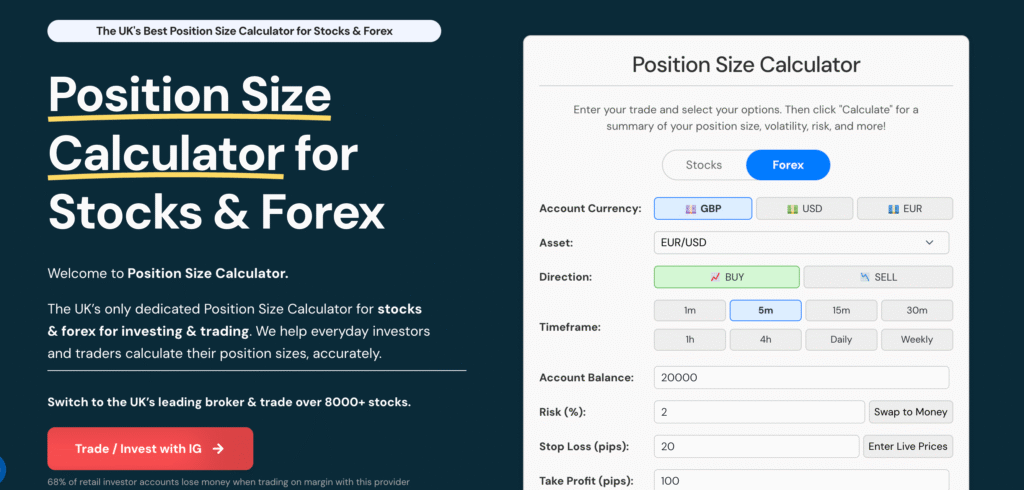
1. Account Balance: This is the current total equity in your trading account. It is the starting point for all risk calculations. For example, let’s assume your account balance is $10,000.
2. Risk Percentage per Trade: This is the maximum percentage of your account balance that you are willing to lose on a single trade. This is a personal decision based on your risk tolerance, but a professional standard is typically between 1% and 2%. Sticking to a low percentage ensures that a losing streak will not severely deplete your capital. For our example, we will use 1%.
3. Stop-Loss Distance in Pips: This is the distance between your planned entry price and your stop-loss price. Crucially, your stop-loss should be placed based on technical analysis, such as below a key support level or above a resistance level, not based on an arbitrary number of pips. Let’s say your analysis for a trade on GBP/USD indicates a 50-pip stop-loss is appropriate.
4. Pip Value: The pip value is the monetary value of a one-pip move for a specific currency pair. This value changes depending on the pair you are trading and the size of your lot. For the purpose of the calculation, we use the pip value of a standard lot (100,000 units). For any pair where the USD is the quote currency (e.g., EUR/USD, GBP/USD, AUD/USD), the pip value is a fixed $10 per standard lot. For other pairs, you may need to use an online calculator to find the exact value.
What is the Standard Formula for Position Size?
Once you have your four inputs, you can plug them into a standard formula to determine your ideal position size. The formula ensures that if your stop-loss is hit, you will lose exactly your predetermined risk amount.
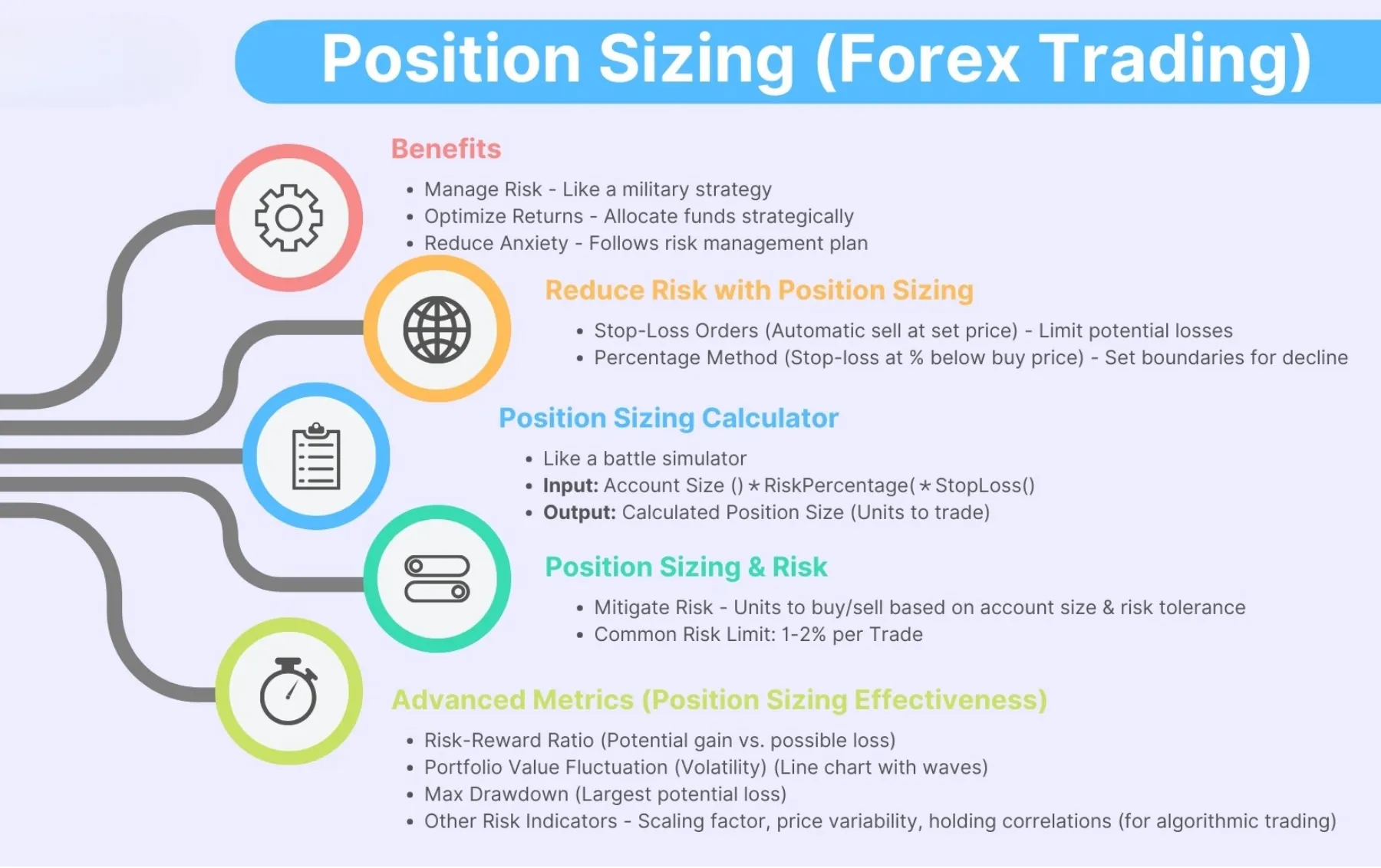
The formula is:
Position Size (in lots) = [(Account Balance Risk Percentage) / (Stop Loss in Pips Pip Value)]
Let’s use our example inputs to walk through a worked example:
- Account Balance: $10,000
- Risk Percentage: 1% (or 0.01)
- Stop-Loss in Pips: 50 pips
- Pip Value (Standard Lot): $10
Step 1: Determine Your Risk in Dollars
First, calculate the maximum dollar amount you are willing to lose.
- Risk in Dollars = Account Balance * Risk Percentage
- Risk in Dollars = $10,000 * 0.01 = $100
Step 2: Determine the Value of Your Stop-Loss per Standard Lot
Next, calculate how much money you would lose if you traded one standard lot and your stop-loss was hit.
- Loss per Standard Lot = Stop Loss in Pips * Pip Value
- Loss per Standard Lot = 50 pips * $10 = $500
Step 3: Calculate Your Final Position Size
Finally, divide your acceptable dollar risk by the loss per standard lot to find the correct position size.
- Position Size = Risk in Dollars / Loss per Standard Lot
- Position Size = $100 / $500 = 0.20 Standard Lots
The result, 0.20 lots (or 2 mini lots), is the exact position size you should use for this specific trade. If your 50-pip stop-loss is triggered, your loss will be precisely $100, which is exactly 1% of your account capital.
What are the Fundamental Position Sizing Strategies?
The three fundamental position sizing strategies are the Fixed Percentage Risk, Fixed Lot Size, and Fixed Dollar Amount Risk models, categorized by how they determine and apply risk to each trade. Each method offers a different approach to managing capital, with its own set of advantages and disadvantages. Choosing the right one depends on your trading style, experience level, and risk tolerance.
Here’s a detailed breakdown of these core strategies, which form the bedrock of professional risk management. Understanding how each one works will empower you to select the model that best aligns with your goal of protecting and growing your trading capital. While other complex models exist, mastering these fundamental approaches is essential for any serious forex trader.
What is the Fixed Percentage Risk Strategy?
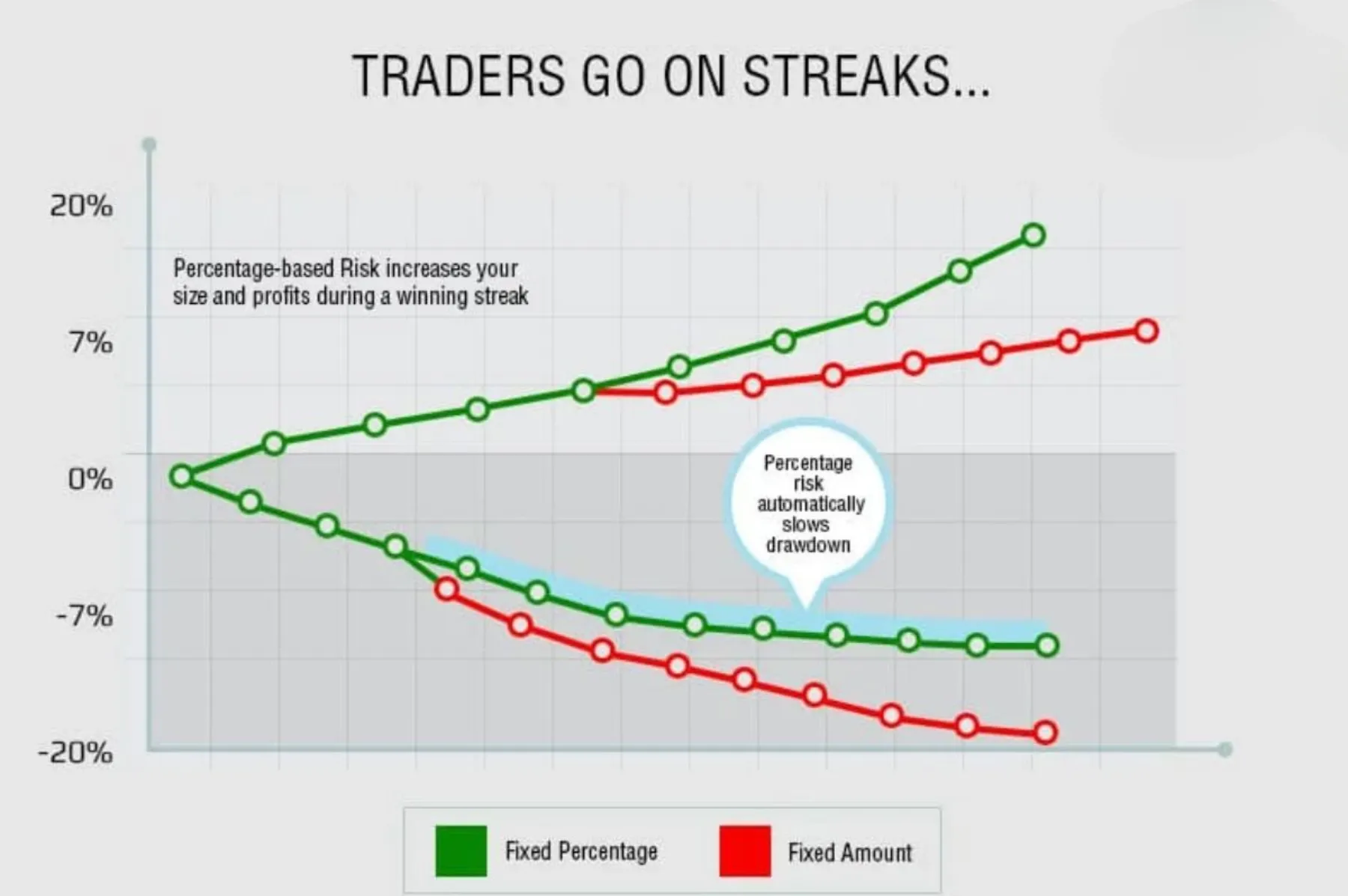
The Fixed Percentage Risk strategy is a dynamic model where you risk a consistent, small percentage of your account equity on every trade. This is widely regarded by professional traders as one of the most effective methods for long-term capital management. For example, a trader might decide to risk 1% of their capital on any single trade. If their account balance is $10,000, their maximum risk per trade is $100. If their account grows to $12,000, their 1% risk automatically adjusts to $120. Conversely, if the account falls to $8,000 after a series of losses, their 1% risk is reduced to $80.

The primary advantage of this model is its built-in mechanism for both capital protection and organic growth. During a losing streak, the position sizes automatically get smaller, which slows down the drawdown and protects the remaining capital. This is a powerful psychological and financial buffer. During a winning streak, the position sizes get larger, allowing the trader to capitalize on their success and accelerate account growth through the power of compounding. The main drawback is that it requires a calculation before every single trade, as the position size must be adjusted based on the current account balance and the specific stop-loss distance of the new trade setup.
What is the Fixed Lot Size Strategy?
The Fixed Lot Size strategy is the simplest of all models. A trader using this method decides on a single lot size, such as 0.05 lots or 1 mini lot, and uses it for every trade they take, regardless of the stop-loss distance or fluctuations in their account balance. This approach is very easy to implement because it requires no pre-trade calculations. A trader simply decides on their lot size and executes their trades.

However, its simplicity is also its greatest weakness. The primary drawback is that it leads to inconsistent and uncontrolled risk exposure. For instance, using a 0.10 lot size on a trade with a 30-pip stop-loss exposes the trader to a different dollar risk than using the same 0.10 lot size on a trade with a 100-pip stop-loss. In this scenario, the risk on the second trade is more than three times larger than the first. This inconsistency violates the core principle of sound money management, which is to keep risk uniform across all trades. While it might be suitable for absolute beginners learning the platform with micro-lots, it is generally not recommended for serious traders looking to manage risk professionally.
What is the Fixed Dollar Amount Risk Strategy?
The Fixed Dollar Amount Risk strategy is a hybrid model that shares similarities with the percentage risk strategy but with a key difference. Instead of risking a percentage, the trader decides to risk a specific, predetermined amount of money on each trade, such as $50 or $100. This dollar amount remains constant for every trade until the trader manually decides to adjust it. Just like the percentage model, this strategy still requires a position size calculation for each trade to ensure that the lot size, combined with the stop-loss distance, equates to the target dollar risk.

The main benefit of this approach is its predictability and psychological comfort. The trader always knows the exact dollar amount they stand to lose, which can simplify the mental aspect of risk. It can also allow for a slightly faster recovery from a drawdown compared to the percentage model, because the risk amount does not decrease after a loss. However, its primary disadvantage is that it lacks the automatic scaling of the percentage model. The trader must remember to periodically reassess their fixed risk amount as their account grows or shrinks. If they fail to increase their risk amount as their account grows, they will be underutilizing their capital. More dangerously, if they fail to decrease it during a significant drawdown, their risk as a percentage of their remaining capital will become excessively high.
What Advanced Concepts and Common Pitfalls Affect Position Sizing?
Advanced concepts like volatility adjustments and mid-trade scaling, along with pitfalls like emotional sizing and ignoring trading style, greatly affect the success of any position sizing strategy. Furthermore, understanding these nuances separates disciplined traders from those who consistently expose their capital to unnecessary risk.
What are the Most Common Position Sizing Mistakes Forex Traders Make?
Many traders undermine their strategies with simple yet costly position sizing errors. The most frequent mistake is risking too much capital per trade, often exceeding the recommended 1-2% rule out of impatience or a desire for quick profits. This single error can lead to a rapid account drawdown. Another common pitfall is using a fixed lot size for every trade, regardless of market conditions or the stop loss distance. A 0.10 lot size on a trade with a 20-pip stop carries far less risk than the same lot size on a trade with a 100-pip stop. Lastly, emotional decision making often derails a sound plan. After a string of losses, a trader might reduce their size out of fear, missing a winning opportunity. Conversely, after a big win, they might increase their size out of overconfidence, a practice known as “revenge trading” or “euphoria trading,” which often leads to giving back profits.
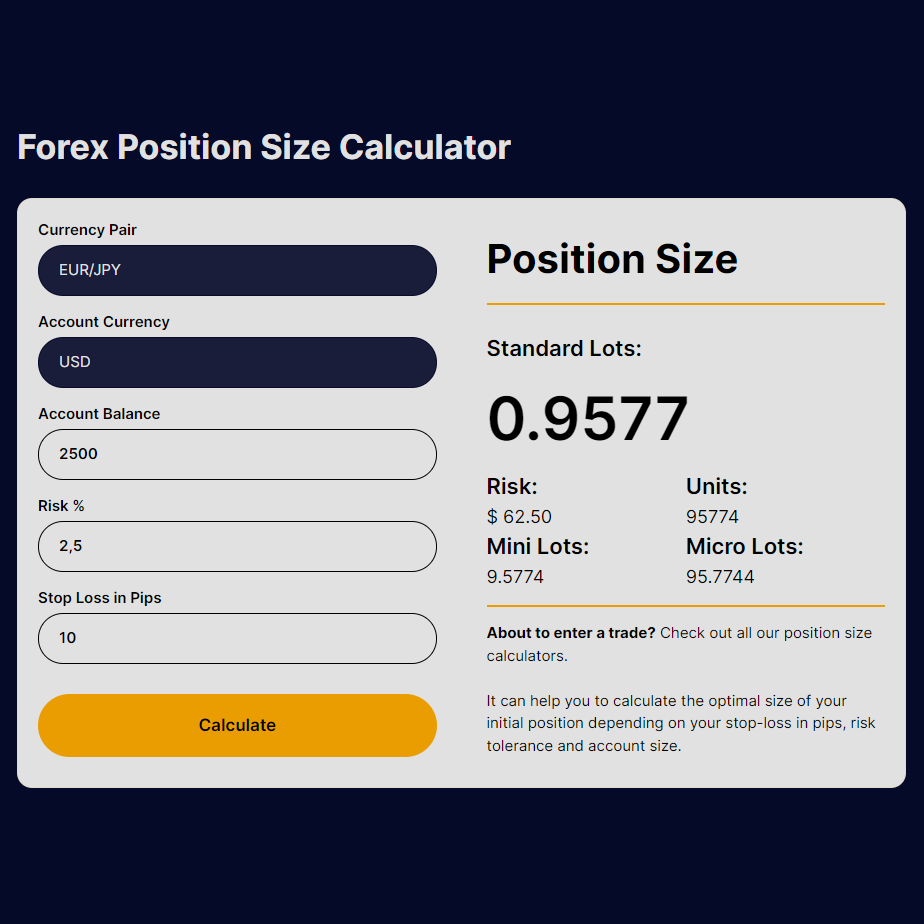
These errors stem from a lack of discipline and a misunderstanding of risk management fundamentals. To avoid them, traders should:
- Strictly adhere to a predetermined risk percentage on every single trade.
- Always calculate position size based on the specific stop loss distance for that trade.
- Follow a trading plan consistently, removing emotion from sizing decisions.
How Does Volatility Impact Position Sizing Decisions?
Volatility is a critical factor that directly influences how a trader should size their positions to maintain consistent risk exposure. In high-volatility environments, currency pairs experience larger price swings, meaning stop loss levels often need to be placed further away from the entry point to avoid being prematurely triggered by market noise. To maintain a fixed risk percentage, such as 1% of the account, the position size must be smaller when the stop loss is wider. Conversely, in low-volatility markets with tighter price ranges, a trader can use a closer stop loss, which allows for a larger position size while keeping the same dollar amount at risk. This inverse relationship is fundamental to adapting to changing market conditions.
An effective tool for measuring and incorporating volatility is the Average True Range (ATR) indicator.
- The ATR calculates the average price range over a specific number of periods.
- Traders can use a multiple of the ATR value to set a dynamic stop loss. For example, setting a stop at 2x the current ATR value.
- By using an ATR-based stop, the position size calculation automatically adjusts for current volatility, becoming smaller when the ATR is high and larger when it is low.
What is the Difference Between Position Sizing for a Scalper vs. a Swing Trader?
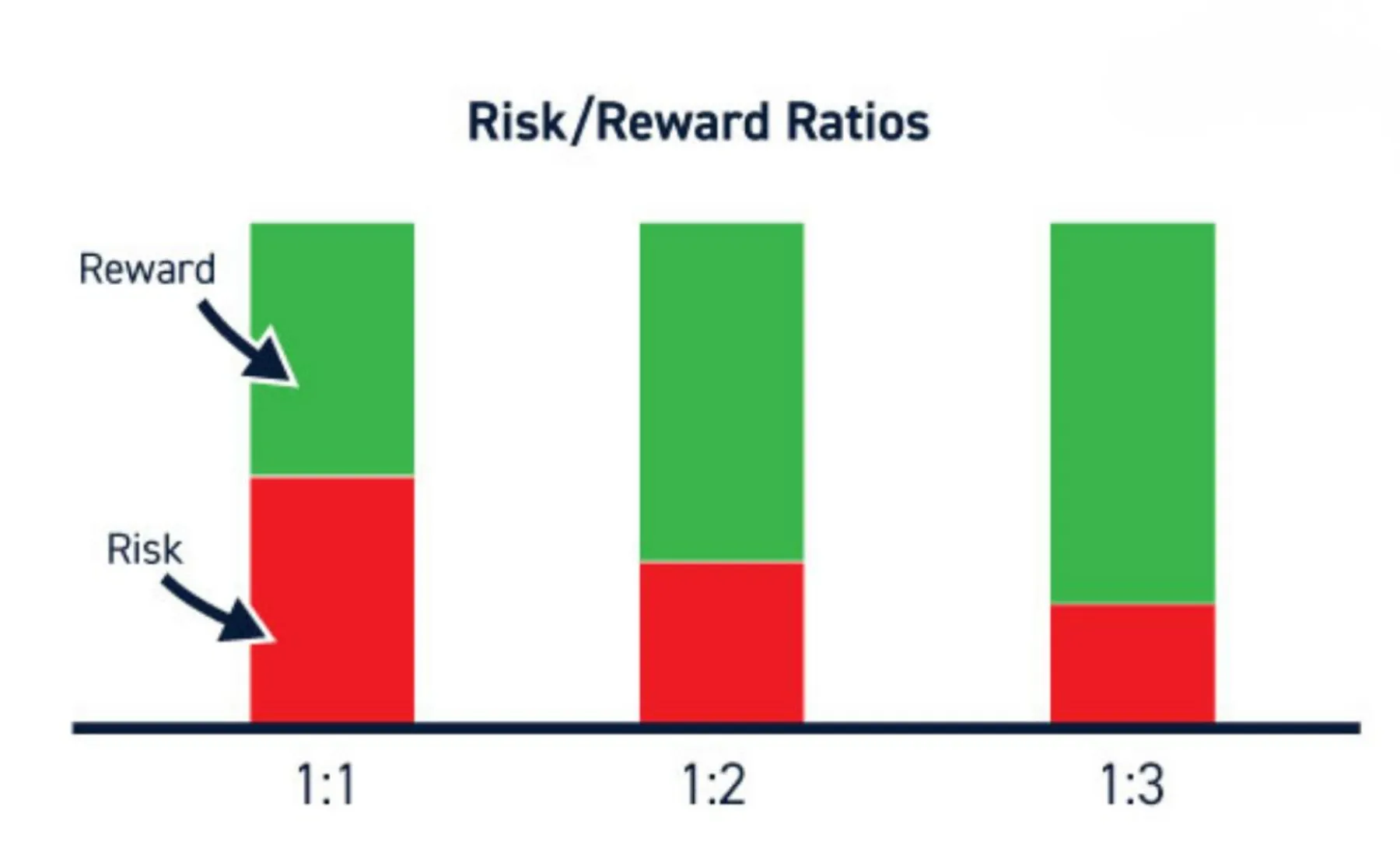
A trader’s chosen style has a profound impact on position sizing because it dictates the typical stop loss distance and trade duration. A scalper, who aims to capture small price movements over minutes, will use very tight stop losses, perhaps only 5-15 pips. A swing trader, who holds positions for days or weeks to capture larger trends, will use much wider stops, potentially 50-200 pips or more, to accommodate daily price fluctuations. While their risk tolerance might be identical, for example, 1% of their account, their position sizes will be vastly different. The scalper’s tight stop allows for a much larger position size to meet that 1% risk threshold. In contrast, the swing trader must use a significantly smaller position size to ensure their wide stop loss does not risk more than the same 1%.
Let’s look at an example with a $10,000 account and a 1% risk rule ($100 per trade).
- Scalper: With a 10-pip stop, their position size would be 1 standard lot ($10 per pip). A 10-pip loss equals a $100 loss.
- Swing Trader: With a 100-pip stop, their position size must be reduced to 0.1 standard lots ($1 per pip). A 100-pip loss also equals a $100 loss.
- Both traders risk the exact same dollar amount, but the swing trader’s smaller position size is necessary to account for the greater price distance their stop loss covers.
Should You Ever Adjust Your Position Size Mid-Trade?
Adjusting a position size after a trade is open is an advanced tactic that carries both potential rewards and significant risks. The two primary methods are scaling in and scaling out. Scaling in involves adding to a winning position as the price moves in your favor. The idea is to capitalize on a confirmed trend and maximize profits from a high-conviction trade. However, this increases your overall risk exposure. If the market reverses, your losses will be larger than initially planned. A disciplined approach to scaling in requires adding to the position only at predefined levels and moving the stop loss on the entire position to break-even or better to protect capital.
Scaling out is the opposite process, where a trader partially closes a winning position to lock in profits. This can be a valuable psychological tool, as it secures some gains and reduces the pressure of managing the full position. For example, a trader might close half of their position when the price reaches their first profit target and move the stop loss on the remaining half to their entry point. This creates a “risk-free” trade, allowing them to capture further upside potential without risking their initial capital. While scaling out can reduce the maximum potential profit of a trade, it improves the consistency of returns and can help manage emotional responses to market fluctuations.
What is the Kelly Criterion Model in Position Sizing?
The Kelly Criterion is a mathematical formula used to determine the optimal size for a series of bets to maximize long-term capital growth. Originally developed for telecommunications and later adopted by gamblers and investors, it calculates the percentage of capital to allocate to a single trade. The formula is: Kelly % = W – [(1 – W) / R], where W is the historical winning probability of the trading system, and R is the historical average win/loss ratio (average gain from winning trades divided by the average loss from losing trades). This model is highly aggressive because it aims for maximum growth rather than simple capital preservation. A higher win rate and a larger win/loss ratio will suggest a larger position size.
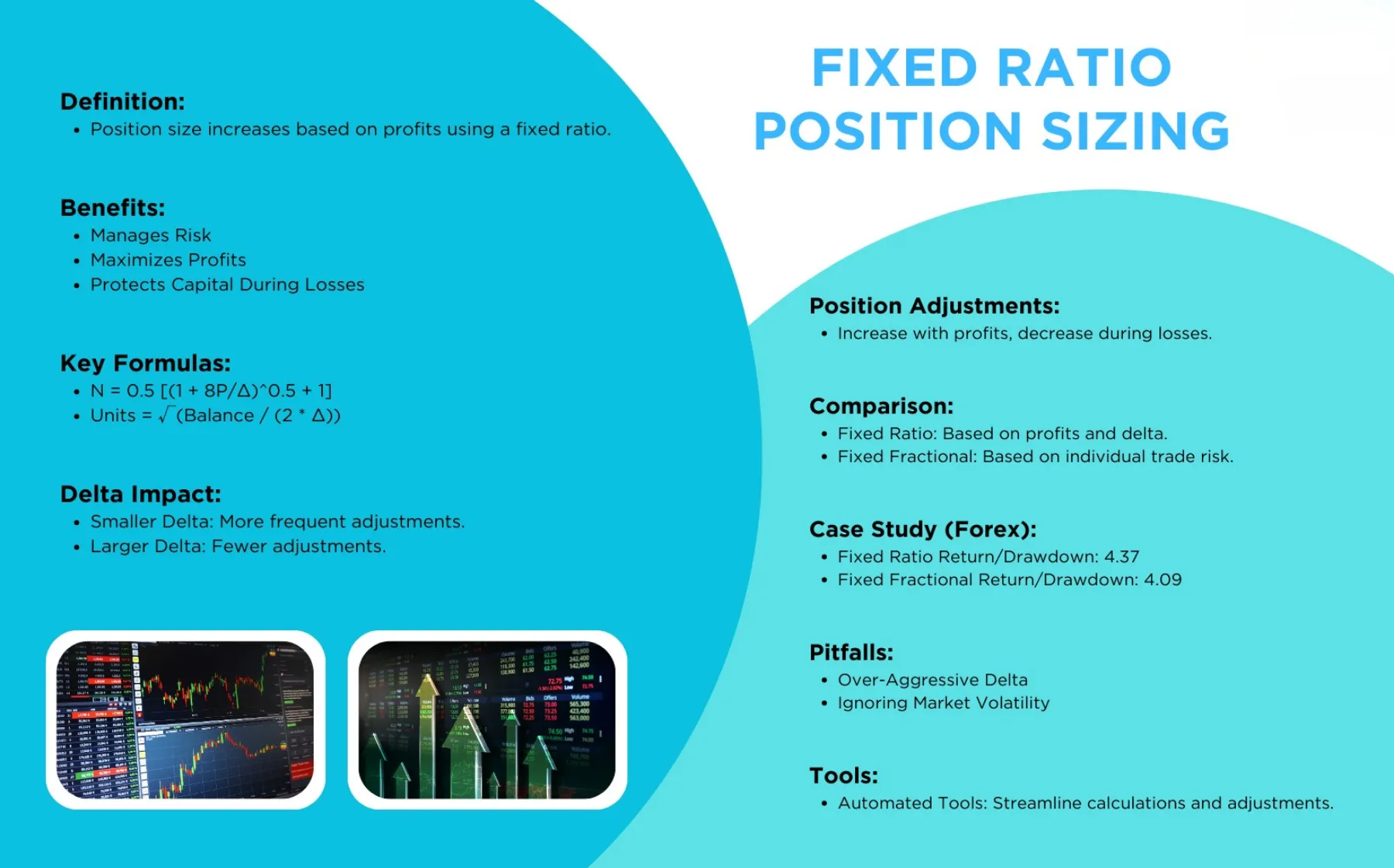
While theoretically powerful, the Kelly Criterion has major drawbacks for forex traders, especially in a leveraged environment.
- Requires Accurate Data: The formula’s output is only as good as the historical data used. An over-optimistic estimate of your win rate or win/loss ratio can lead to catastrophic risk.
- High Volatility: The full Kelly percentage often suggests risking a very large portion of your account on a single trade, which can lead to extreme drawdowns that are psychologically difficult to endure.
- Leverage Amplifies Risk: Applying the Kelly formula to a leveraged product like forex can easily lead to a margin call and a complete account wipeout. For this reason, many traders who use it apply a “fractional Kelly,” using only a fraction (e.g., one-quarter or one-half) of the suggested position size to moderate risk.