

Blog
What Is a Forex VPS, How Does It Work, and Do You Need One?

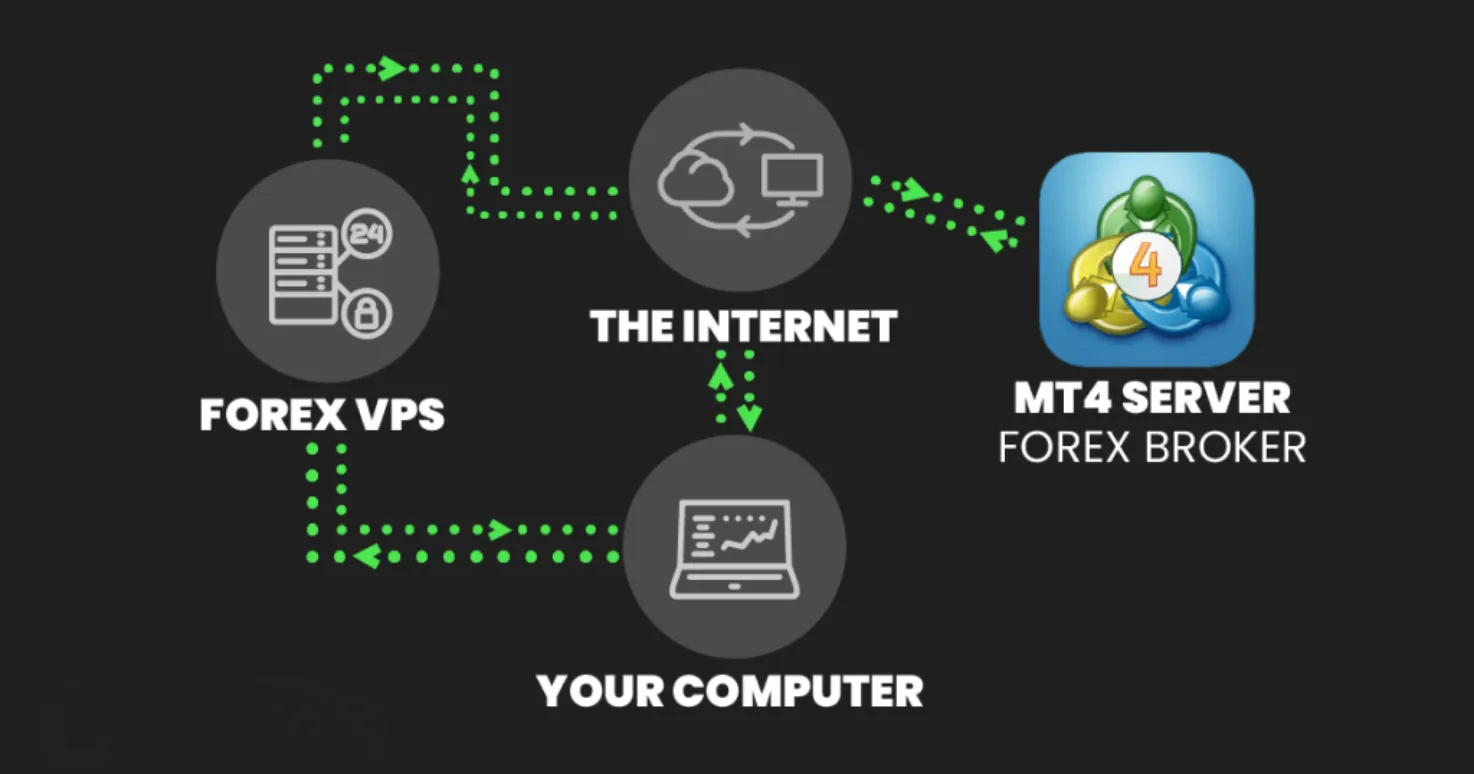
A Forex Virtual Private Server (VPS) is a remote, cloud-based computer specifically optimized to run trading platforms and automated strategies 24/7 with superior speed and reliability. Think of it as a dedicated trading computer that lives in a professional data center, ensuring your trades are always online and execute as fast as possible, completely independent of your personal computer’s status or internet connection. You access and manage it from anywhere, but it continues to work even when you are offline.
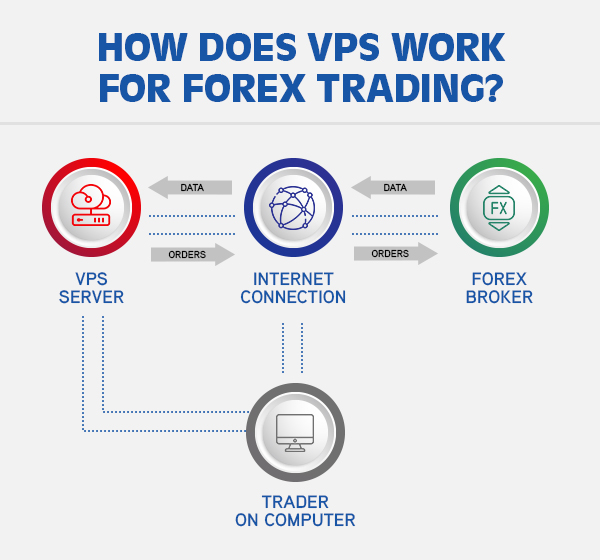
A Forex VPS works by hosting your trading software, like MetaTrader 4 or 5, on a server that is always on and connected to a high-speed network. This server is typically located in the same data center as your forex broker’s main server. This physical proximity drastically reduces the time it takes for your trade orders to travel, a factor known as latency. You connect to your VPS using a remote desktop application to install your platform and Expert Advisors, and once set up, it runs your strategies continuously without any further input.
You need a Forex VPS if your trading strategy relies on automation, requires low-latency execution, or if your home internet and power are unreliable. Traders using Expert Advisors (EAs) or other trading bots benefit the most, as a VPS guarantees their strategies run without interruption. Similarly, scalpers who depend on split-second execution to profit from small price movements find a VPS essential for minimizing slippage and getting the best possible order fills.
This setup provides a stable and secure environment, protecting your trading from common issues like power outages, internet disruptions, and system crashes that can affect a home computer. By moving your trading operations to a professional server, you create a more robust and efficient system. We will explore exactly how it achieves this and help you determine if this tool is the right fit for your specific trading style.
What Is a Forex Virtual Private Server (VPS)?
A Forex VPS is a cloud-based remote server specifically configured to host trading platforms and run automated strategies 24/7 with high speed and reliability. To understand this better, think of it as renting a personal, always-on computer that is located in a high-tech data center, optimized purely for trading. Instead of running your trading platform like MetaTrader 4 (MT4) or MetaTrader 5 (MT5) on your home desktop or laptop, you install it on this remote server. You can then access this server from any device with an internet connection to manage your platform, but the key advantage is that it continues to run your trading strategies even after you disconnect and turn off your own computer. This service is designed to solve the most common technical problems that plague forex traders, especially those who rely on automation. It provides a stable, secure, and lightning-fast environment that a typical home setup simply cannot match, ensuring your trading operations are protected from unexpected interruptions.
How Is a Forex VPS Different from a Personal Computer?
A Forex VPS might look and feel like a standard Windows desktop when you connect to it, but it operates on a completely different level of performance and reliability compared to a personal computer. The core differences come down to uptime, connectivity, power, and dedicated focus.
First, a VPS is built for near-perfect uptime. Reputable VPS providers guarantee 99.9% uptime, meaning the server is almost never offline. This is achieved through redundant hardware and professional maintenance. Your home PC, on the other hand, is subject to software updates that require reboots, accidental shutdowns, hardware failures, and operating system crashes, any of which could take your trading platform offline at a critical moment.
Second, the internet stability is vastly superior. A VPS is housed in a data center with multiple, high-speed fiber optic connections to the internet backbone. This provides a stable and incredibly fast connection that is immune to local ISP outages or the network slowdowns you might experience at home.
Third, a VPS has a redundant power supply. Data centers are equipped with industrial-grade Uninterruptible Power Supplies (UPS) and massive backup generators. This means a local power outage that would shut down your home computer will have no effect on your VPS, which will continue running your trades without a hiccup.
Finally, a VPS provides dedicated resources for trading. Your home PC likely runs dozens of other applications, from web browsers to email clients, all competing for CPU and RAM. A Forex VPS is a clean slate where the only mission-critical software is your trading platform. This dedicated environment prevents performance lags and freezes, ensuring your platform has all the resources it needs to operate smoothly.
What Is the Main Purpose of Using a VPS for Forex Trading?
The main purpose of using a VPS for forex trading is to enable uninterrupted, 24/7 automated trading. This is particularly important for traders who use algorithmic strategies, commonly known as Expert Advisors (EAs) or trading bots, on platforms like MetaTrader 4 and MetaTrader 5. These automated systems need to be running constantly to analyze the market and execute trades based on their programmed logic. If the platform they are running on goes offline, they stop working, potentially missing profitable trade opportunities or failing to manage open positions correctly.

By hosting your trading platform on a VPS, you are placing it in an environment that is always on, always connected, and always available. You can set up your EAs, close your remote connection, and turn off your personal computer with full confidence that your strategies will continue to execute around the clock. This completely removes your home setup as a point of failure. Whether you are sleeping, at work, or on vacation, the VPS ensures your trading system is active during all market sessions, from the Asian open to the New York close. This continuous operation is the fundamental reason traders turn to VPS solutions; it provides the robust infrastructure needed to deploy automated strategies seriously and professionally.
What Are the Key Benefits of Using a Forex VPS?
The key benefits of using a Forex VPS include reduced trading latency, the ability to run automated strategies 24/7, and improved reliability and security for your trading setup. These advantages work together to create a professional-grade trading environment that can lead to better execution and peace of mind. By moving your trading platform from a potentially unstable home computer to a dedicated server in a data center, you eliminate many of the technical risks that can negatively impact performance. The server’s constant uptime ensures your strategies never miss an opportunity, while its proximity to broker servers can give you a critical speed advantage. Let’s explore each of these advantages in more detail to see how they directly affect trading outcomes.
Does a Forex VPS Reduce Trading Latency and Slippage?
Using a Forex VPS can significantly reduce trading latency and, as a result, help minimize slippage. Latency is the technical term for the time delay it takes for your trade order to travel from your trading platform to your broker’s server for execution. This delay is measured in milliseconds (ms), and even small delays can matter, especially in fast-moving markets. The physical distance between your computer and the broker’s server is a major factor in latency.
A Forex VPS reduces this latency by allowing you to choose a server located in the same data center, or at least the same city, as your broker. For example, if your broker’s servers are in London, you can rent a VPS in London. This shortens the physical distance your data has to travel from hundreds or thousands of miles to just a few feet. The result is a much faster connection, often reducing latency from 100-200 ms on a home connection down to just 1-5 ms on a co-located VPS.
This reduction in latency directly impacts slippage, which is the difference between the price you expect to get on a trade and the actual price at which it is executed. While you can’t eliminate slippage caused by extreme market volatility, you can reduce slippage caused by execution delays. With lower latency, your order reaches the broker faster, increasing the probability that it gets filled at your requested price before the market moves. For scalpers and high-frequency traders, this small improvement in execution quality can be the difference between a profitable and a losing strategy.
Does a Forex VPS Allow for 24/7 Automated Trading?
A Forex VPS is specifically designed to allow for continuous, 24/7 automated trading. This is one of its most powerful benefits. Automated trading strategies, such as Expert Advisors (EAs) on the MetaTrader platform, must be running constantly to monitor market conditions and execute trades according to their rules. The forex market itself operates 24 hours a day, five days a week, and opportunities can arise at any time, including when you are asleep or away from your computer.
If you run an EA on your home computer, it is vulnerable to numerous interruptions. Your computer might automatically install updates and restart, you could lose power, your internet connection could drop, or you might simply shut it down by mistake. Any of these events would cause your EA to stop working, potentially leaving open trades unmanaged or missing new entry signals.
A VPS eliminates these risks entirely. Because the VPS is an “always-on” server located in a professional data center with redundant power and network connections, it ensures your trading platform and EAs run without interruption. Once you have everything set up on the VPS, you can log off and even turn your personal computer off. The VPS will continue to run your strategies autonomously, executing trades day and night as programmed. This provides traders with the peace of mind that their automated system is working exactly as intended, around the clock.
Can a Forex VPS Improve Reliability and Security?
A professional Forex VPS service provides a major upgrade in both reliability and security compared to a standard home computer setup. The reliability comes from the industrial-grade infrastructure of the data centers where these servers are housed. These facilities are built with redundancy at every level. They feature multiple high-speed internet connections from different providers, ensuring that if one connection fails, another instantly takes over. They also have comprehensive power backup systems, including large-scale battery backups (UPS) and on-site diesel generators, which protect against any possibility of a power outage. This results in an uptime guarantee of 99.9% or higher, meaning your trading platform remains online and active virtually all the time.

From a security perspective, a VPS is also a significant improvement. Data centers employ stringent physical security measures to prevent unauthorized access to servers. On the digital front, VPS providers manage robust firewalls and often include protection against Distributed Denial of Service (DDoS) attacks, which could otherwise knock your platform offline. Furthermore, because you are using the VPS for the sole purpose of trading, you reduce the risk of accidentally downloading malware or viruses that are common threats on personal computers used for general web browsing and email. This isolated and professionally managed environment protects your trading capital and strategies from a wide range of external threats.
Do You Need a Forex VPS for Your Trading Strategy?
You need a Forex VPS if you rely on automated trading, require low latency for your strategy, or face issues with your local internet or power stability. For many traders, it is not a luxury but a necessary tool for consistent execution. However, it is not essential for everyone. The decision ultimately depends on your trading style, your reliance on technology, and the quality of your personal computer setup. To figure out if a VPS is the right choice for you, let’s look at who benefits the most and who can likely go without one. By understanding the specific use cases, you can make an informed decision about whether the monthly cost is a worthwhile investment for your trading business.
Who Should Use a Forex VPS?
Certain types of traders will see an immediate and substantial benefit from incorporating a VPS into their workflow. If you fall into one of the following categories, a VPS is strongly recommended:
- Algorithmic and Automated Traders: This is the primary group of users. If you use Expert Advisors (EAs), cBots, or any other form of trading bot that needs to run 24/5, a VPS is practically a requirement. It ensures your strategies are always active to scan for, enter, and manage trades without depending on your local computer.
- Scalpers and High-Frequency Traders: These traders profit from tiny price fluctuations and execute a large number of trades in a short period. For them, every millisecond counts. A VPS located close to the broker’s servers provides the lowest possible latency, leading to faster execution and reduced slippage, which is critical for the profitability of such strategies.
- Traders with Unreliable Infrastructure: If your home internet connection is unstable, prone to dropouts, or if you live in an area with frequent power outages, a VPS is a lifesaver. It moves your trading operations to a stable environment, insulating you from local technical problems that could cost you money.
- Traders Who Need Remote Accessibility: A VPS acts as a centralized trading hub. You can log in and manage your trading platform from any device, whether it’s your work computer, a tablet, or a smartphone, without having to leave your main computer running at home. This provides flexibility and constant access to your trading setup.
Who Does Not Need a Forex VPS?
While a VPS offers powerful advantages, it is an additional expense and complexity that is not necessary for every trader. You likely do not need a Forex VPS if your trading style fits one of these profiles:
- Manual Discretionary Traders: If you analyze the charts and place all of your trades by hand, a VPS offers very little benefit. This group includes most swing traders and position traders who hold trades for several days or weeks. Since their strategies do not depend on split-second execution or 24/7 automation, a reliable home computer and internet connection are perfectly sufficient.
- Traders with Highly Reliable Setups: If you have invested in a high-quality home trading environment, you may not need a VPS. This would include having a fast, stable fiber optic internet connection, a dedicated and modern computer used only for trading, and a battery backup or uninterruptible power supply (UPS) to handle short power disruptions.
- Beginners Learning the Basics: If you are new to forex and are focused on learning fundamental and technical analysis, chart patterns, and manual trading discipline, a VPS is an unnecessary complication. At this stage, your focus should be on developing a solid trading foundation rather than optimizing a high-tech setup. You can always add a VPS later if your strategy evolves to require automation.
What Are the Typical Costs and Drawbacks of a Forex VPS?
The primary drawbacks of a Forex VPS are the recurring monthly subscription cost and the minor technical learning curve required for the initial setup and management. Although a VPS provides a more professional trading environment, it is not a free service, and it does introduce an extra technological layer to your process. These factors represent a trade-off for the increased reliability, speed, and security it offers. While a VPS offers many advantages, it’s important to weigh them against these potential downsides to determine if the benefits justify the investment for your particular trading needs.
How Much Does a Forex VPS Usually Cost?
The cost of a Forex VPS can vary widely, but most plans suitable for retail traders fall within a range of $5 to $60 per month. The price you pay is primarily determined by the server’s resources, which you can choose based on your specific needs. The key factors that influence the monthly cost include:
- RAM (Random Access Memory): This is often the most important specification. A basic plan might come with 1-2 GB of RAM, which is enough to run one or two instances of a trading platform like MetaTrader 4. If you plan to run multiple platforms, several charts, and complex Expert Advisors, you will need a plan with more RAM, such as 4 GB or more, which will increase the cost.
- CPU (Central Processing Unit): The number of CPU cores and their speed affect how quickly the server can process information. A more powerful CPU is useful for running complex calculations, backtesting strategies, or using multiple EAs simultaneously without lag.
- Storage Space: Most providers now offer fast SSD (Solid State Drive) storage. The amount of space you need is typically not very high for trading platforms, so basic plans are usually sufficient. However, larger storage options are available for a higher price.
- Server Location: Some providers may charge a premium for servers located in prime financial data centers like London, New York, or Tokyo, as these locations offer the lowest latency to major brokers.
It’s also worth noting that many forex brokers offer a free VPS service to clients who meet certain conditions, such as maintaining a minimum account balance or reaching a specific monthly trading volume. This can be an excellent way to get the benefits of a VPS without the extra cost.
Are There Any Technical Challenges with Using a Forex VPS?
For most users, the technical challenges of using a Forex VPS are minimal and are typically confined to the initial setup. It does not require advanced technical skills, but it does involve a few steps that might be new to someone who has never used a remote server before. The primary process involves connecting to your VPS using a Remote Desktop Protocol (RDP) client. This software is built into all modern versions of Windows (as “Remote Desktop Connection”) and is available as a free download for macOS, iOS, and Android.
Once you receive your login credentials (IP address, username, and password) from your provider, you simply enter them into the RDP client to connect. This will open a window on your screen that shows the desktop of your remote server. From there, the experience is almost identical to using a new Windows computer. You will need to open the web browser on the VPS, navigate to your broker’s website, and download and install your trading platform, such as MT4 or MT5. After that, you install your Expert Advisors and indicators just as you would on your local PC.
While the process is straightforward, it can feel a bit unfamiliar at first. However, nearly all reputable Forex VPS providers offer detailed tutorials and responsive customer support to help you through every step. Once the initial setup is complete, ongoing management is very low. You only need to log in periodically to perform maintenance, like installing new EAs or updating your platform.
What Should You Consider When Choosing and Managing a Forex VPS?
You should primarily consider technical specifications, provider reliability, server location, and the specific needs of your trading strategy. Furthermore, understanding the differences between specialized and general hosting can prevent performance issues and unnecessary costs.
What Technical Specifications Are Most Important for a Forex VPS?
When evaluating a Forex VPS, the most important technical specifications are RAM, CPU, and storage type, as these directly impact the performance of your trading platform. Random Access Memory (RAM) is perhaps the most immediate factor. A trading terminal like MetaTrader 4 or MetaTrader 5 requires memory to run, and this need increases with every chart, indicator, and expert advisor (EA) you use. A minimum of 2GB of RAM is recommended for running a single platform instance smoothly. If you plan to run multiple terminals or use complex, memory-intensive EAs, you should look for plans with 4GB of RAM or more to avoid system freezes.
Beyond memory, other specifications play a supportive role.
- CPU (Central Processing Unit): The CPU processes the instructions from your trading software. A single-core processor is often adequate for simple strategies, but multi-core CPUs are better for backtesting or running several EAs at once.
- SSD Storage: Always choose a VPS with a Solid-State Drive (SSD) over a traditional Hard Disk Drive (HDD). SSDs offer much faster data access speeds, which means your operating system and trading platforms will load and respond more quickly. A storage capacity of 25GB to 40GB is typically plenty.
- Bandwidth: Forex trading itself does not consume large amounts of data, so most standard bandwidth offerings are sufficient. The key is consistent connectivity, not high volume.
How Do You Choose the Best Forex VPS Provider?
Selecting the best Forex VPS provider involves evaluating criteria beyond raw technical specs. Your goal is to find a reliable partner that minimizes downtime and latency. One of the top factors is server location, as the physical distance between your VPS and your broker’s server directly affects execution speed. A provider with data centers near major financial hubs like London, New York, or Tokyo gives you a distinct advantage. Another consideration is the uptime guarantee. Look for providers that offer a 99.9% uptime Service Level Agreement (SLA), which promises that your server will be operational almost all the time.
A provider’s support and reputation also matter greatly.
- Customer Support: The forex market runs 24/5, so you need access to 24/7 technical support. Test their responsiveness before signing up to see if they can quickly resolve potential issues.
- Pricing and Scalability: Compare pricing plans from different providers like FXVM or Beeks Financial Cloud. Check if they offer easy scalability, allowing you to upgrade your plan’s RAM or CPU as your trading needs grow.
- Security: Ensure the provider offers robust security features, including DDoS protection and regular backups, to protect your trading environment from external threats.
How Is a Forex VPS Different from a Standard VPS?
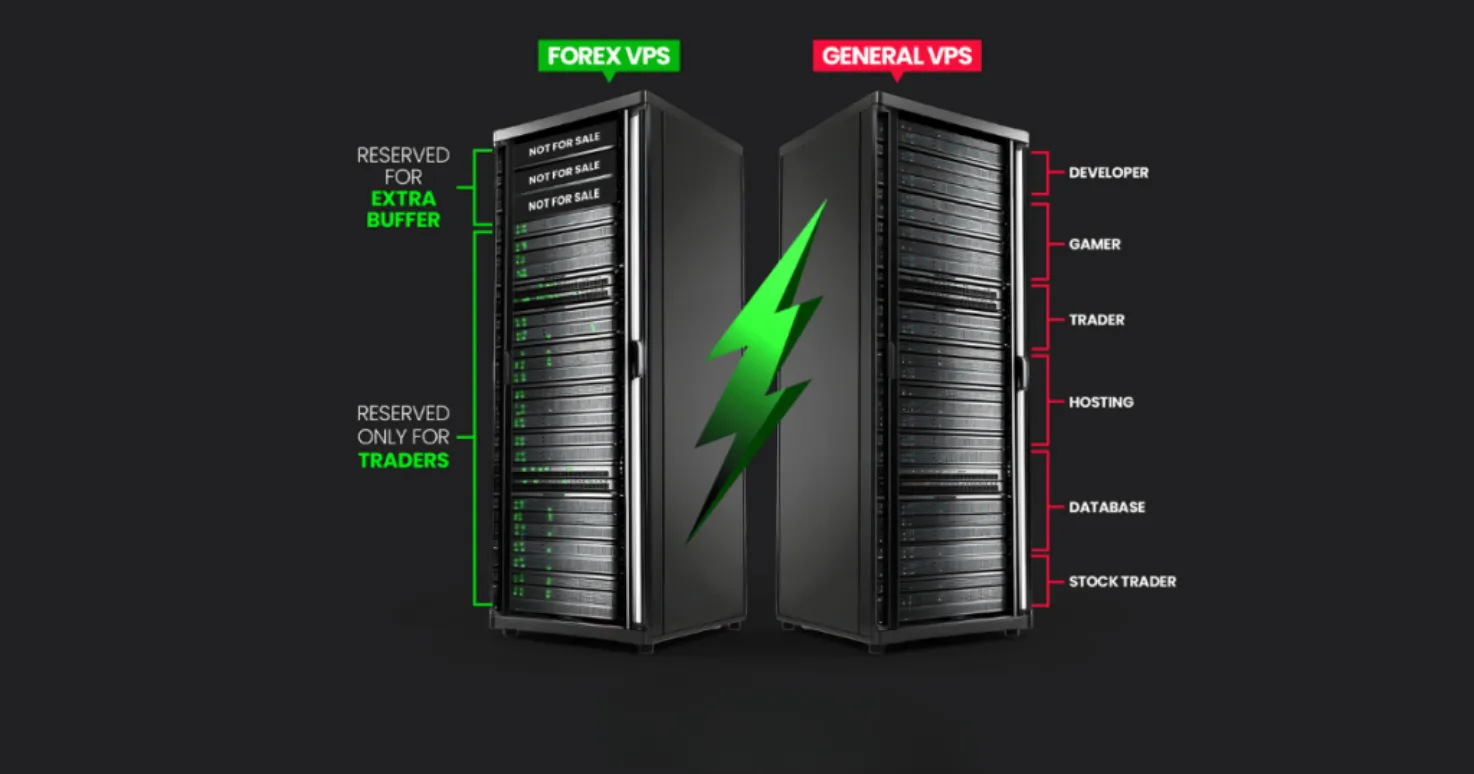
A Forex VPS differs from a standard VPS in its optimization and intended use. While both provide a private virtual server, a Forex VPS is a specialized product fine-tuned for traders, whereas a standard VPS is a general-purpose tool for hosting websites, applications, or game servers. The primary distinction lies in network optimization. Forex VPS providers focus on establishing low-latency connections to the servers of major forex brokers. They achieve this by strategically placing their data centers in the same facilities as brokerage servers, a practice known as co-location. This drastically reduces the time it takes for a trade order to travel, minimizing slippage.
You can also see key differences in their setup and support.
- Pre-Configuration: Forex VPS plans often come pre-installed with popular trading platforms like MetaTrader 4, MetaTrader 5, and cTrader, saving you setup time.
- Expert Support: The customer support team at a Forex VPS company is trained to handle trading-specific issues, such as platform crashes or connectivity problems with a broker.
- Resource Allocation: Resources on a Forex VPS are dedicated to ensuring the stable performance of trading software, unlike a standard VPS where resources might be shared in ways that could cause performance spikes or drops.
Can You Get a Forex VPS for Free?
Yes, it is possible to get a Forex VPS for free, as many brokers offer this as a perk to incentivize active and well-capitalized traders. Instead of paying a third-party provider a monthly fee, you can qualify for a complimentary VPS by meeting certain conditions set by your broker. This arrangement benefits both parties: the trader gets a high-performance trading tool without an extra subscription cost, and the broker encourages higher trading volumes and larger account deposits. Brokers like XM, Tickmill, and FP Markets are known for offering such programs.
To qualify for a free VPS, you generally need to meet specific requirements.
- Minimum Deposit: Many brokers require you to maintain a minimum account balance, which could range from $500 to $5,000 or more.
- Monthly Trading Volume: Another common condition is executing a minimum number of lots per month. For example, a broker might require you to trade at least 5 standard lots each calendar month.
- Account Status: The offer is typically available for live trading accounts, not demo accounts, and may be restricted to certain account types. If you fail to meet these conditions in any given month, the broker may charge you a standard fee for the VPS or discontinue the service.
What Is the Importance of Server Location for a Forex VPS?
The server location of your Forex VPS is one of the most important factors for achieving optimal trade execution, as it directly determines latency. Latency is the time delay, measured in milliseconds (ms), for data to travel from your VPS to your broker’s trading server and back. In a market where prices change in fractions of a second, high latency can lead to slippage, which is the difference between the price you expected and the price at which your trade was actually filled. A lower latency gives your trading platform a faster connection, ensuring your orders are executed closer to the price you see on your screen.
To minimize this delay, you should choose a VPS located in the same data center as your forex broker.
- Co-location: This is the practice of placing servers in close physical proximity. Major financial data centers, such as Equinix LD4 in London or NY4 in New York, host the servers for many brokers and liquidity providers. A VPS in the same facility can reduce latency to less than 5ms.
- Geographic Proximity: If co-location is not an option, choose a VPS in the same city as your broker’s server. For example, if your broker is hosted in London, a VPS located in London is far superior to one in Los Angeles.
- Slippage Reduction: By minimizing the physical distance data has to travel, you reduce the risk of negative slippage on market entry and exit, which can save you a substantial amount of money over time, especially for high-frequency trading strategies.