

Blog
Forex vs Crypto: Which Market Is More Profitable?


Determining whether Forex or crypto is more profitable depends heavily on a trader’s strategy, risk tolerance, and time horizon. While both markets offer significant opportunities, the cryptocurrency market generally presents a higher potential for explosive profits due to its extreme price volatility, but this comes with substantially greater risk. The Forex market, in contrast, provides a more stable environment where profitability is often achieved through the strategic use of high leverage on smaller, more predictable price movements. Ultimately, there is no single “more profitable” market, only the market that is more profitable for your specific trading style.
For beginners looking to generate a profit, the Forex market is often considered the more accessible option due to its established educational resources, lower volatility, and structured nature. The learning curve is well-defined, with decades of data and analytical strategies to study. In contrast, the crypto market’s unpredictable nature and lack of historical precedent can make it a challenging environment for newcomers to navigate profitably without first experiencing significant losses.
When comparing risk, the crypto market unequivocally involves a higher level of risk to your capital. This is a result of its wild price swings, susceptibility to market manipulation, evolving regulatory landscape, and security vulnerabilities like exchange hacks. While Forex trading is also risky, especially with leverage, the risks are more conventional and related to economic and geopolitical factors, making them somewhat more predictable and manageable for a disciplined trader.
The choice between Forex and crypto often comes down to a fundamental trade-off. Are you seeking consistent, incremental gains in a highly liquid and established market, or are you pursuing potentially life-changing returns in a new, unpredictable, and high-risk asset class? Answering this question will guide you toward the market that best aligns with your financial goals and personal temperament. This article will break down the key factors affecting profitability, risk, and suitability for each market.
Is Forex Trading More Profitable Than Crypto Trading?
The cryptocurrency market offers higher potential percentage returns on individual trades due to its extreme volatility, while the Forex market provides more consistent profitability through high leverage and deep liquidity. Neither is definitively more profitable, as success depends entirely on a trader’s skill, risk management, and chosen strategy. To understand this better, it’s essential to compare the core elements that drive profit in each market. A disciplined Forex trader might achieve steady, reliable gains over time, whereas a fortunate or skilled crypto trader could see exponential growth in a much shorter period, alongside the risk of rapid, catastrophic losses. The structure of each market favors different paths to profitability.
What is a Quick Comparison of Forex vs. Crypto Profitability?
A side-by-side comparison reveals how distinct market characteristics create different types of profit opportunities. The table below outlines the key differences that directly influence a trader’s potential for returns.
| Feature | Forex Market | Cryptocurrency Market |
|---|---|---|
| Average Volatility | Low to Moderate | Extremely High |
| Leverage Available | High (e.g., 50:1, 100:1) | Low to Moderate (e.g., 5:1, 20:1) |
| Market Size | Largest (over $7.5 trillion daily) | Smaller (approx. $2 trillion total cap) |
| Trading Hours | 24 hours, 5 days a week | 24 hours, 7 days a week |
| Typical Profit Potential | Incremental, consistent gains amplified by leverage. | Potential for explosive, high-percentage gains on single assets. |
As you can see, Forex’s profitability is rooted in its massive scale and the availability of powerful tools like leverage. Traders can profit from very small price changes, known as pips, because leverage magnifies the value of their position. Conversely, crypto profitability relies on the asset’s inherent price movement. Traders don’t need high leverage when a coin like Bitcoin or an altcoin can jump 20% or more in a single day. However, this same volatility is what makes it incredibly risky, as a similar drop can occur just as quickly.
Which Market Is Better for Beginners to Make a Profit?
For beginners aiming to build skills and achieve profitability, the Forex market is generally a more suitable starting point. The primary reason is its structured and predictable environment, which is more forgiving for those still learning. The learning curve in Forex is steep but well-documented. There are countless books, courses, and analytical strategies developed over decades that a new trader can study. Fundamental analysis is tied to real-world economic data, like inflation reports and central bank decisions, which are more tangible than the sentiment-driven crypto space.

Initial capital requirements also favor Forex for beginners. Due to high leverage, a trader can open a micro account with as little as $100 and control meaningful positions. This allows them to learn the mechanics of trading with real, albeit small, amounts of money. In crypto, while you can buy fractions of a coin, making a significant profit from a small initial investment often requires either picking a low-cap coin that explodes in value (which is akin to gambling) or exposing a large portion of your capital to a highly volatile asset.
Finally, risk management is more straightforward in Forex. The lower volatility of major currency pairs like EUR/USD or GBP/USD means that price movements are less erratic. Beginners can use tools like stop-loss orders with greater confidence, knowing that a sudden 50% price crash overnight is exceptionally rare. In crypto, such events are not uncommon, and a single unexpected tweet or regulatory announcement can wipe out a new trader’s account before they have a chance to react.
How Do Key Market Characteristics Affect Profitability in Forex and Crypto?
Key market characteristics like volatility, leverage, and liquidity directly determine profitability by defining the size of potential price moves, the capital required to trade, and the efficiency of executing trades. Each of these factors works very differently in Forex and crypto, creating distinct opportunities and risks. Understanding how these mechanics function is central to choosing the right market for your goals. Volatility creates profit opportunities, leverage amplifies them, and liquidity ensures you can capture them efficiently. Let’s explore how these three pillars of trading shape the profit landscape in both arenas.
How Does Volatility Impact Potential Profits in Each Market?
Volatility, or the rate at which an asset’s price changes, is the engine of trading profits. Without price movement, there is no opportunity to buy low and sell high.
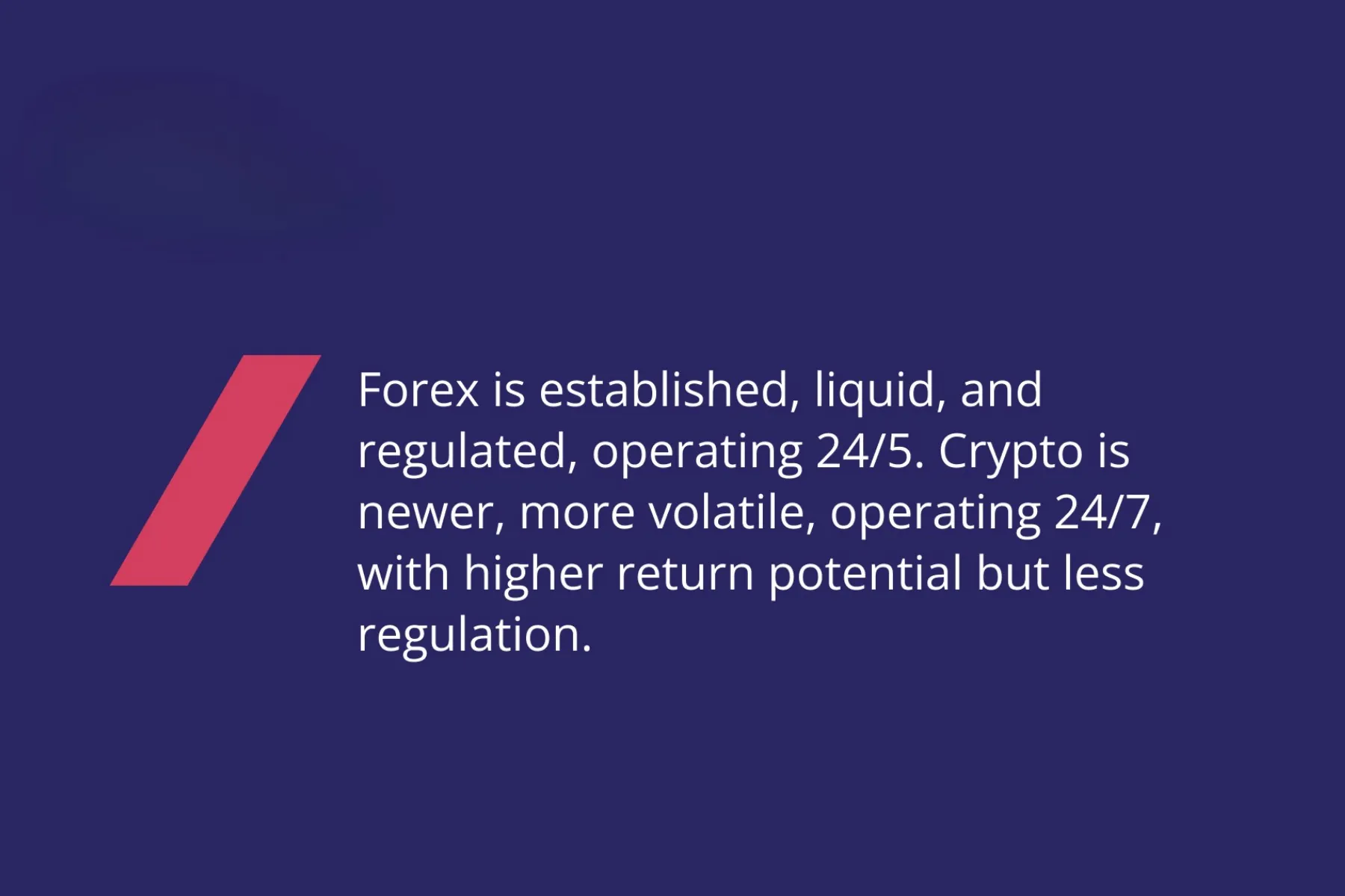
In the cryptocurrency market, high volatility is its defining feature. It is not unusual for a digital asset to surge or plummet by double-digit percentages within a 24-hour period. For a trader, this creates the potential for immense profits. For example, buying a cryptocurrency before a major announcement could lead to a 50% or 100% gain in just a few days. This is the primary allure of crypto trading; the potential for exponential returns is always present. However, this is a double-edged sword. The same volatility that generates massive profits can also inflict devastating losses with equal speed. A position can be wiped out just as quickly as it was built, making risk management paramount.
In contrast, the Forex market, particularly with major currency pairs, exhibits much lower volatility. The price of the EUR/USD pair, for instance, might only move by 0.5% to 1% on a typical day. These smaller, more predictable price movements offer a different kind of profit opportunity. Instead of relying on dramatic price swings, Forex traders aim for consistency. They use technical analysis to predict small fluctuations and leverage to make those small moves financially meaningful. The profit potential on a single trade is smaller than in crypto, but the stability of the market allows for more systematic and repeatable trading strategies.
What Is the Role of Leverage in Forex and Crypto Profitability?
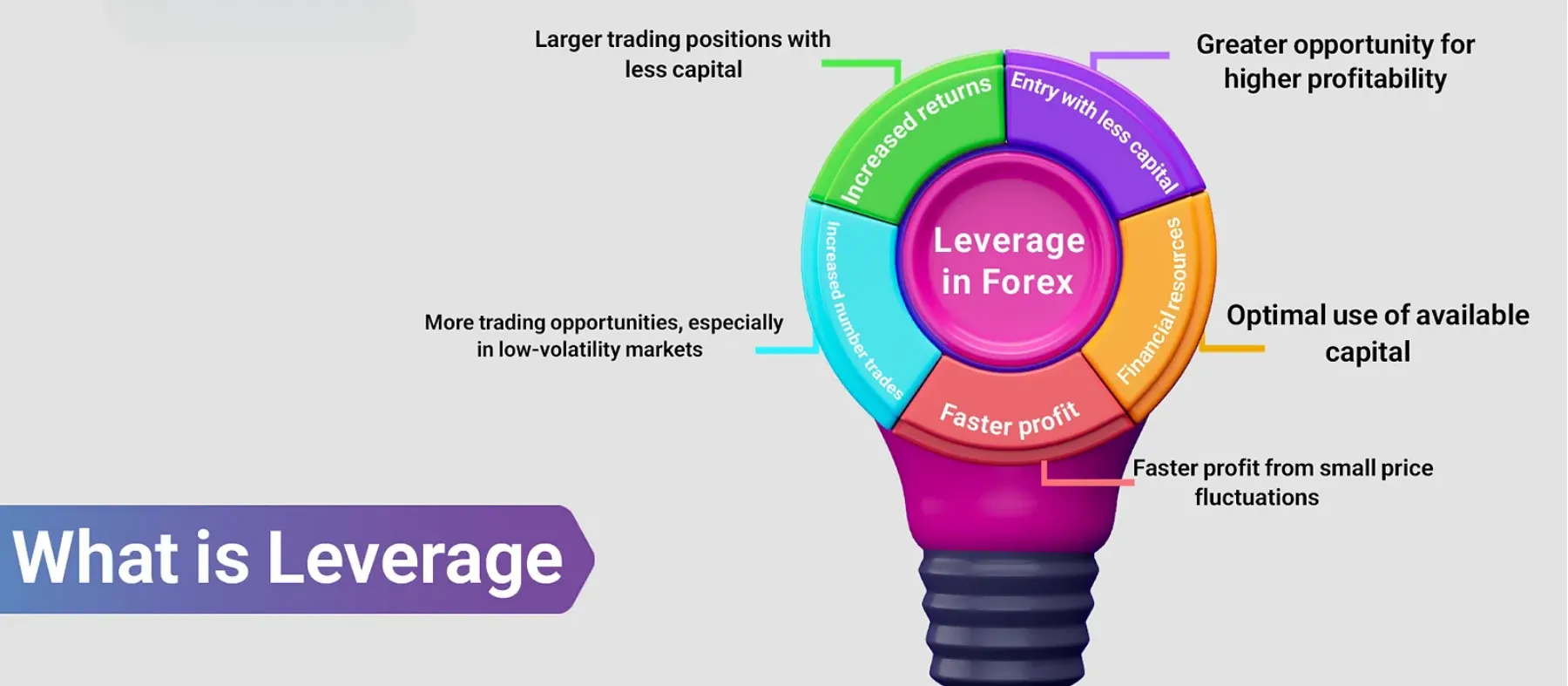
Leverage allows you to control a large position with a small amount of capital, effectively amplifying your trading power. Its role in profitability is immense, but so is its role in amplifying risk.
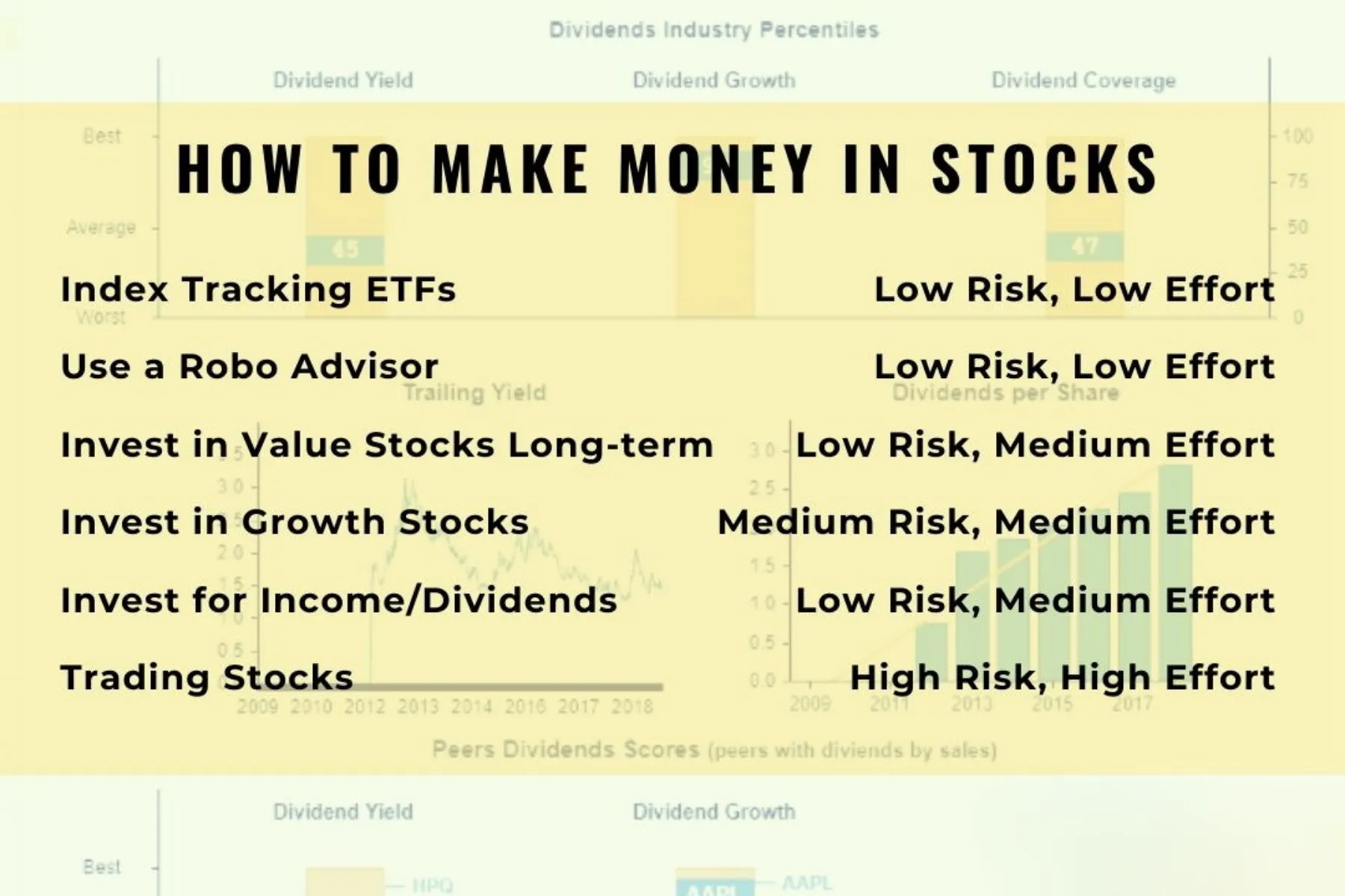
In Forex, high leverage is a standard and essential tool. Brokers commonly offer leverage ratios of 50:1, 100:1, or even higher, depending on regulatory jurisdiction. This means with just $1,000 in your account, you could control a position worth $100,000. Because currency prices move in tiny increments (pips), leverage is necessary to turn these small movements into substantial profits. For instance, a 50-pip move on a standard lot ($100,000) of EUR/USD could result in a $500 profit. Without leverage, a retail trader would need a huge amount of capital to see such returns. This tool is what makes Forex accessible and potentially profitable for the average person.
In the crypto market, leverage is available but is typically much lower and used more cautiously. Crypto exchanges might offer leverage of 5:1, 10:1, or perhaps 20:1 on major assets like Bitcoin and Ethereum. The reason for this is the market’s innate high volatility. Combining high volatility with high leverage is a recipe for disaster. If an asset that regularly moves 10% a day were traded with 50:1 leverage, even a small adverse price movement could instantly liquidate a trader’s entire account. Therefore, crypto profitability relies less on amplifying small moves and more on capturing the large, organic price swings of the assets themselves.
How Does Market Size and Liquidity Influence Trading Profits?
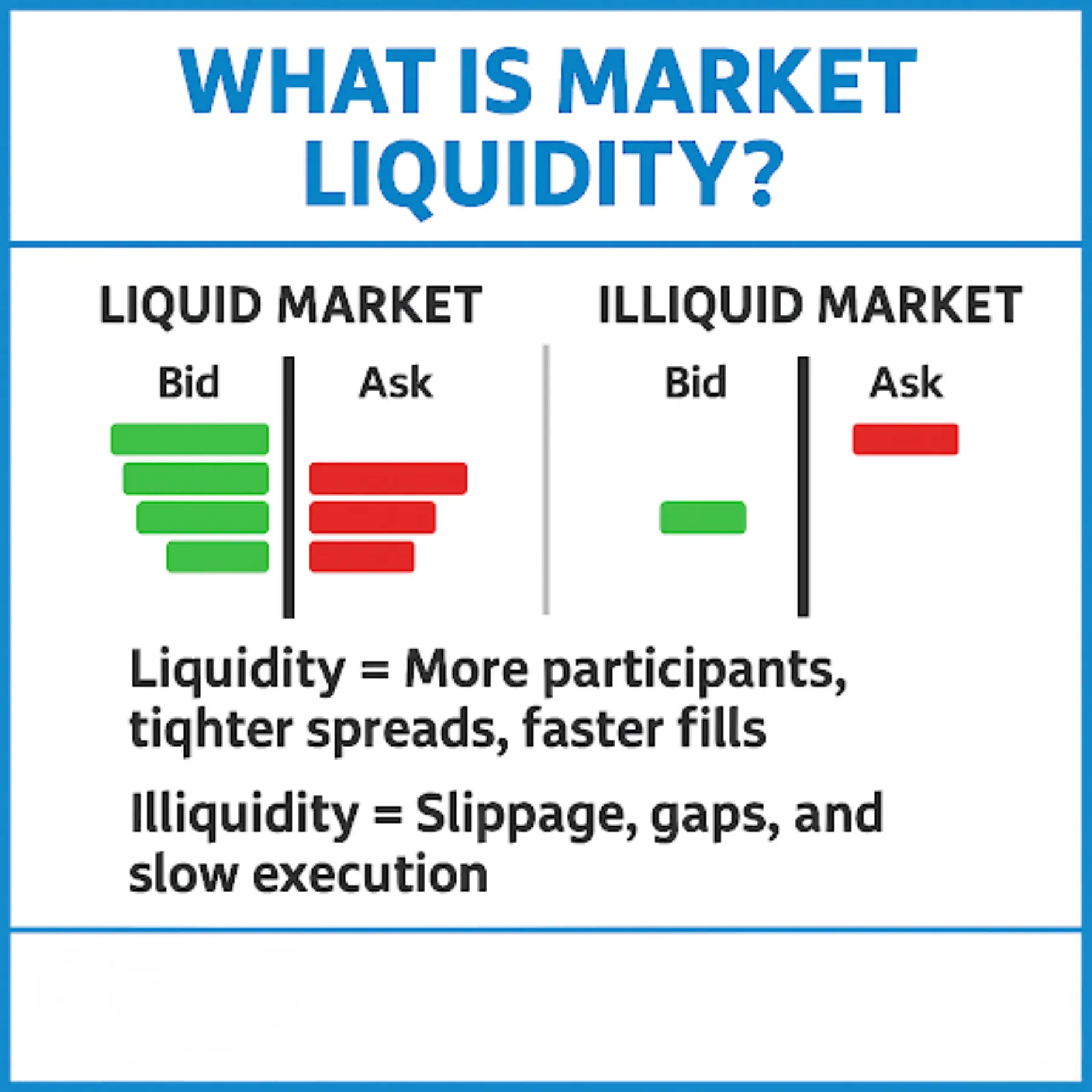
Market size and liquidity refer to the overall trading volume and the ease with which you can buy or sell assets without causing a significant price change. This directly impacts transaction costs and trade execution, which are vital for profitability.

The Forex market is the largest and most liquid financial market in the world, with over $7.5 trillion traded daily. This massive liquidity has a direct benefit for traders: tighter spreads. The spread is the small difference between the bid (buy) and ask (sell) price, and it functions as the broker’s commission. In a highly liquid market like Forex, spreads are razor-thin, often less than one pip on major pairs. This means your transaction costs are very low, allowing you to keep more of your profits. Furthermore, high liquidity ensures that you can enter or exit a trade at your desired price almost instantly, a concept known as smooth order execution.
The cryptocurrency market, while large, is significantly smaller and more fragmented. Liquidity is concentrated in a few major coins like Bitcoin and Ethereum on large exchanges. For the thousands of other altcoins, liquidity can be very thin. This results in wider spreads, meaning the cost of entering and exiting a trade is higher. Additionally, low liquidity can lead to slippage, which occurs when you place an order to buy at a certain price, but by the time the order is filled, the price has moved against you. Both wider spreads and slippage can eat away at potential profits, making efficient trading more challenging than in the Forex market.
Which Market Involves Greater Risk for Your Capital?
The cryptocurrency market involves substantially greater risk for your capital due to its extreme volatility, lack of regulation, and unique security vulnerabilities. While all trading carries risk, the nature and magnitude of the risks in crypto are on a different level compared to the more established and regulated Forex market. Understanding these specific risks is not just an academic exercise; it is essential for protecting your investment. Let’s break down the primary dangers inherent to each market, as profitability can never be separated from the potential for loss.
What Are the Primary Risks of Trading Forex?
Trading in the Forex market comes with its own set of well-understood risks that traders must manage to be successful. These risks are primarily financial and macroeconomic in nature.
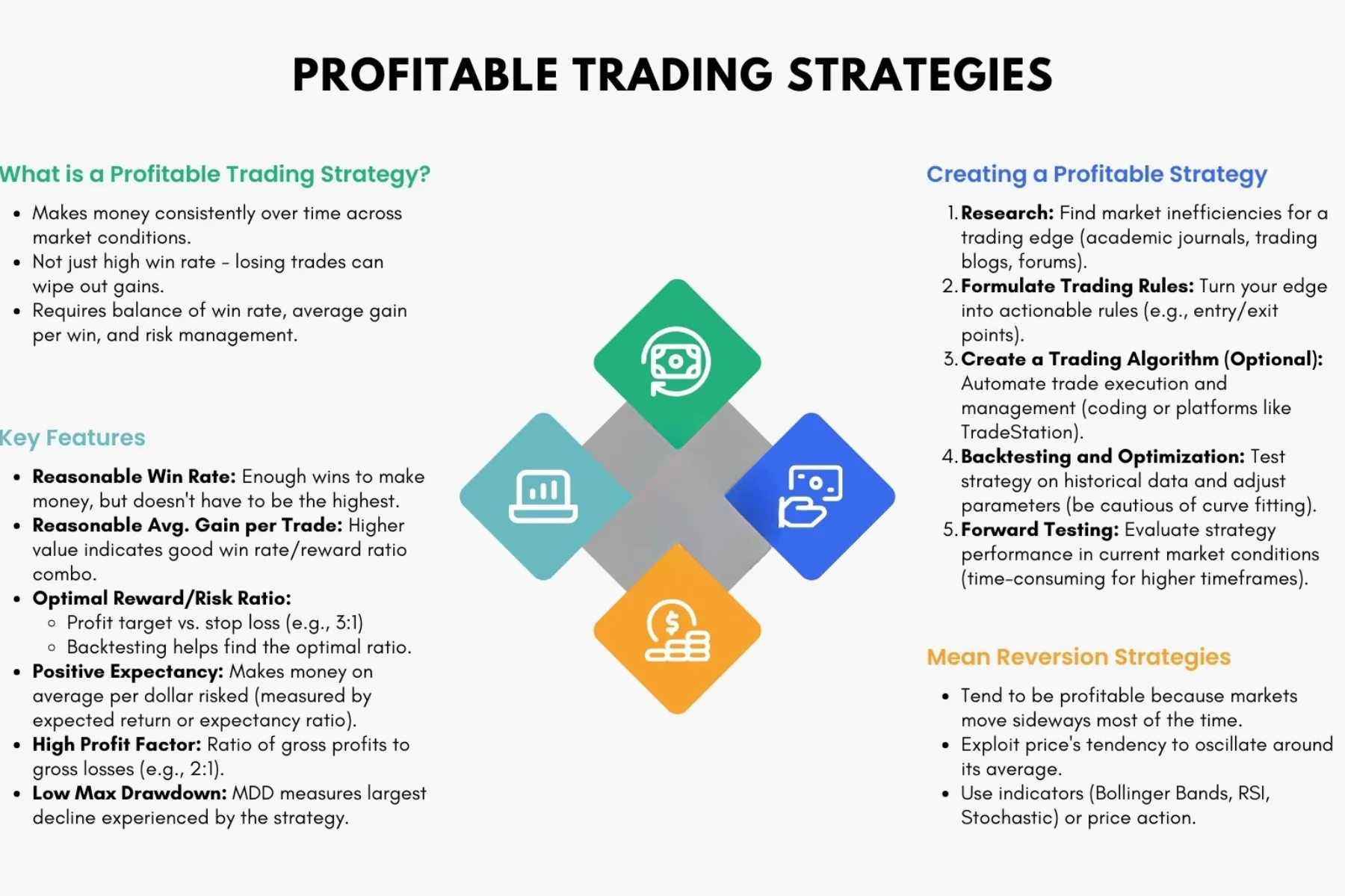
The most significant risk is leverage risk. Leverage is the tool that makes Forex so accessible, but it’s also its greatest danger. When you use 100:1 leverage, your potential for profit is amplified 100 times, but so is your potential for loss. A small price movement in the wrong direction can result in a loss that exceeds your initial deposit, leading to a margin call where your broker demands more funds or automatically closes your position at a loss.
Another major factor is interest rate risk. Central banks around the world set interest rates for their currencies. Unexpected changes in these rates can cause dramatic and sudden shifts in currency valuations. For example, if the U.S. Federal Reserve raises interest rates more than expected, the U.S. dollar will likely strengthen rapidly, causing a short position on the dollar to incur heavy losses.
Finally, traders face geopolitical risk. Currencies are direct reflections of their country’s economic and political stability. Events such as elections, trade disputes, social unrest, or military conflicts can introduce extreme, unpredictable volatility into the market. A stable trend can reverse in an instant based on a single news headline, catching unprepared traders off guard.
What Are the Primary Risks of Trading Cryptocurrencies?
The risks in the crypto market are more varied and often more severe than those in Forex, stemming from the technology’s novelty and the market’s “Wild West” reputation.
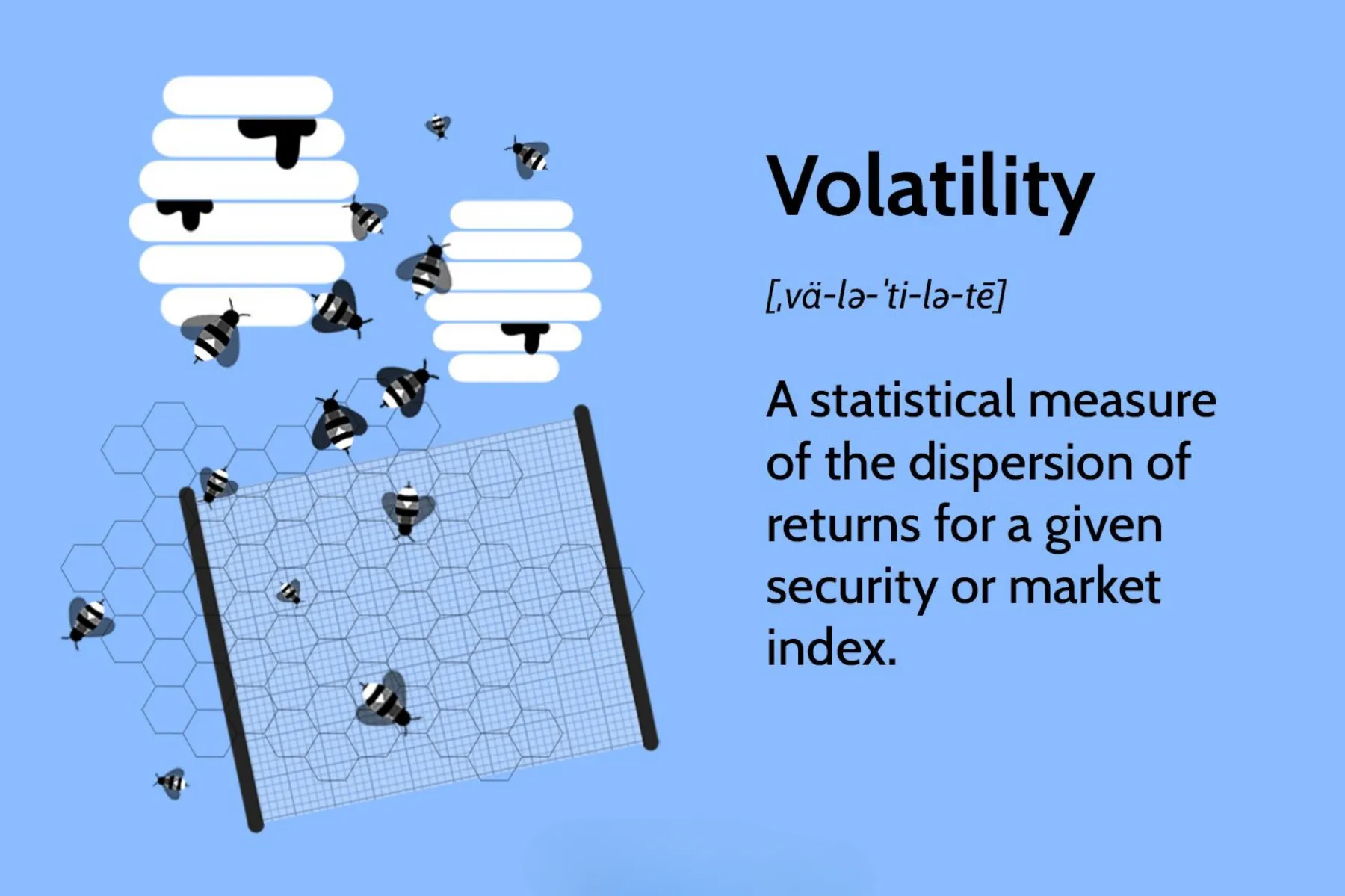
First and foremost is extreme volatility. It is the source of crypto’s high profit potential, but it is also its greatest risk. It’s not unheard of for a cryptocurrency to lose over 50% of its value in a matter of days or even hours. This level of price instability can lead to catastrophic losses, especially for those who invest more than they can afford to lose.
Next is regulatory uncertainty. Unlike the heavily regulated Forex market, cryptocurrencies exist in a legal gray area in many parts of the world. A government can announce a ban or strict new regulations at any moment, causing the market to crash. This regulatory unpredictability adds a layer of risk that is almost impossible to forecast with traditional analysis.
There are also significant security risks. Cryptocurrencies are digital assets stored in wallets or on exchanges. These can be targets for hackers. If an exchange is compromised or you lose the private keys to your personal wallet, your funds can be stolen with little to no chance of recovery. Unlike bank deposits, there is often no insurance or legal recourse for lost or stolen crypto. Lastly, the market is prone to manipulation, such as “pump and dump” schemes where influencers artificially inflate the price of a small-cap coin only to sell off their holdings, leaving other investors with worthless assets.
What Trader Profile Is Best Suited for Each Market?
Forex is best suited for disciplined, analytical traders with a lower risk tolerance who prefer stability, while crypto trading is ideal for high-risk-tolerant traders comfortable with volatility and seeking explosive growth. The right market for you is the one that aligns with your personality, financial situation, and investment goals. Choosing a market that clashes with your natural tendencies is a common path to failure. To help you decide, let’s look at the specific traits that define a successful trader in each of these distinct environments.
Who Should Consider Trading Forex?
The ideal Forex trader is often someone who approaches the market with a methodical and analytical mindset. This market rewards discipline and strategy over impulsive decision-making. If you fit some of the following descriptions, Forex might be a good fit for you.
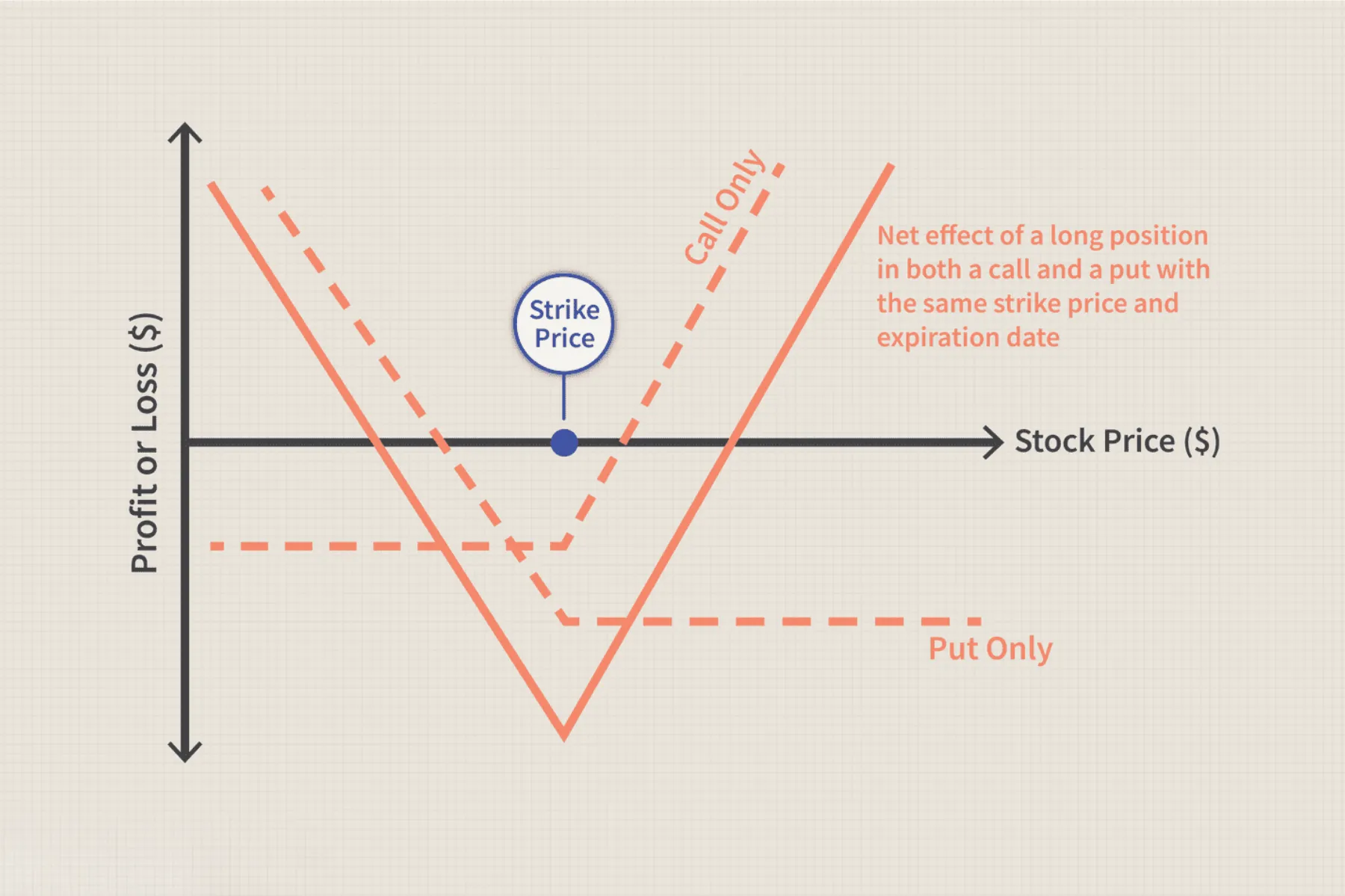
You should consider Forex if you have a lower to moderate risk tolerance. While leverage introduces risk, the underlying assets (major currencies) are far less volatile than cryptocurrencies. If the thought of losing 30% of your investment overnight makes you anxious, the relative stability of Forex will be more suitable.
This market is also for the analytical thinker. Successful Forex traders often rely heavily on technical analysis (studying chart patterns and indicators) and fundamental analysis (evaluating economic data like GDP, employment rates, and inflation). If you enjoy digging into data and building a logical case for a trade, Forex provides a rich and structured framework for doing so.
Finally, Forex is for traders who value high liquidity and low transaction costs. If you plan to be an active trader, entering and exiting positions frequently, the tight spreads and reliable order execution of the Forex market are a major advantage. This environment is built for efficient, high-volume trading, which appeals to day traders and scalpers who aim for small, consistent profits.
Who Should Consider Trading Crypto?
Trading cryptocurrency appeals to a very different type of individual, one who is often more of a risk-taker and is excited by new technology and the potential for asymmetric returns. If the following traits resonate with you, the crypto market could be your arena.
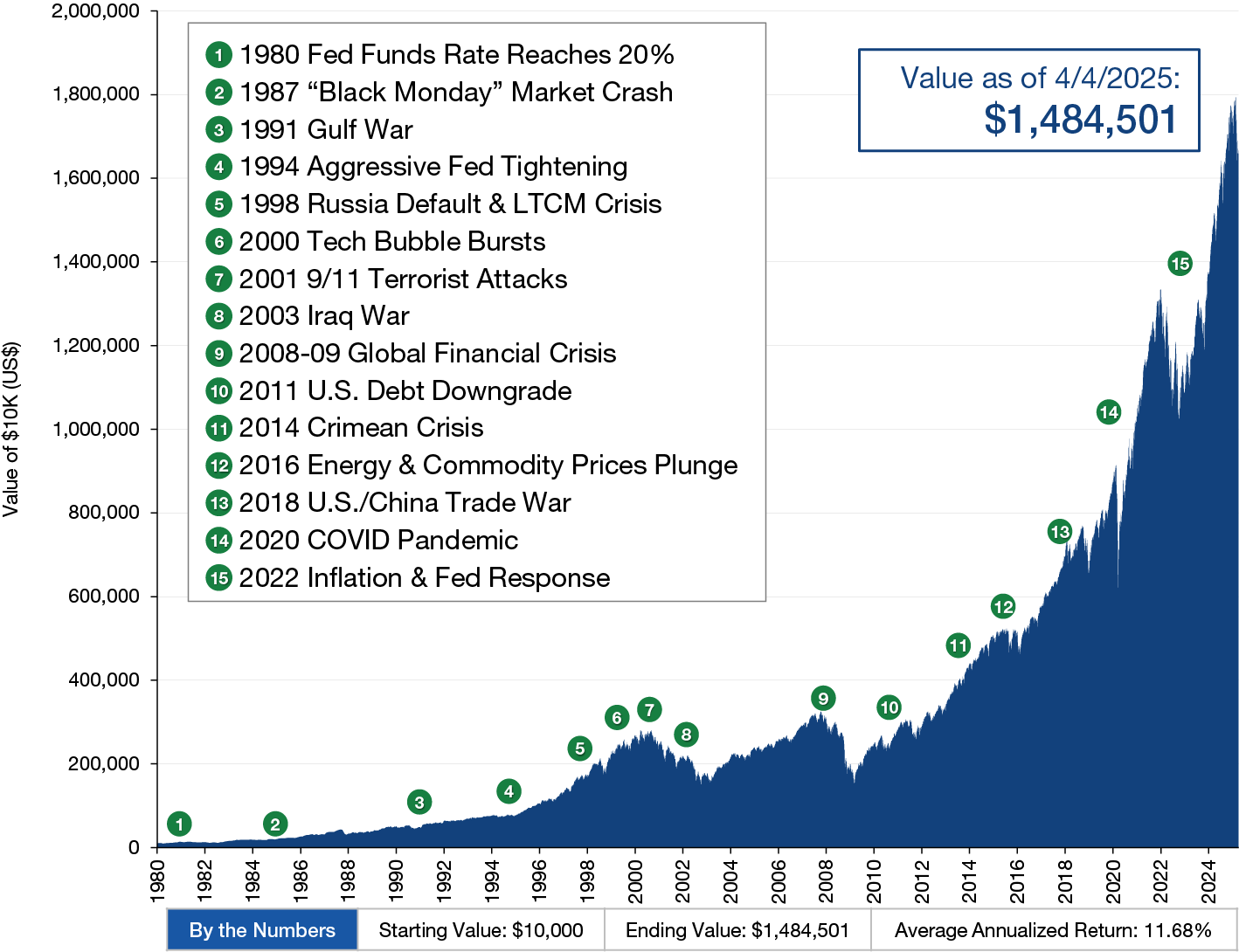
You should consider crypto if you have a very high risk tolerance. You must be mentally and financially prepared for the possibility of extreme price swings and the potential to lose your entire investment. If you view trading as a high-stakes endeavor with the potential for life-changing rewards and can stomach the associated risks, crypto offers that dynamic.
This market is a natural fit for tech enthusiasts and visionaries. Many successful crypto investors are people who believe in the long-term potential of blockchain technology to disrupt finance and other industries. They are often willing to hold their assets through brutal bear markets because their conviction is based on technology, not just short-term price charts.
Crypto is also for the trader seeking exponential returns. While Forex can provide a steady income, it’s highly unlikely to turn a $1,000 investment into $100,000. In crypto, while still rare, such returns are possible. If your goal is to find the “next big thing” and you enjoy the research and speculation involved in identifying promising new projects, the crypto market is one of the few places where this is a realistic, albeit risky, possibility.
What Are Other Key Differences Between Forex and Crypto Markets?
Forex and crypto markets differ significantly in regulation, trading costs, market hours, core price influencers, and tax treatment. Furthermore, these structural differences create distinct trading environments, each with its own set of opportunities and risks that go beyond simple profitability calculations. Understanding these foundational aspects is essential for any trader looking to participate in either market effectively and safely.
How Is the Forex Market Regulated Compared to the Crypto Market?
The regulatory frameworks governing Forex and crypto are fundamentally different, reflecting their origins and structure. The Forex market is characterized by centralized and heavy regulation. Government-backed financial authorities in major economic zones, such as the Financial Conduct Authority (FCA) in the United Kingdom and the Securities and Exchange Commission (SEC) in the United States, impose strict rules on brokers. These rules are designed to protect investors, prevent fraud, and ensure market stability. This oversight includes requirements for capital reserves, transparent pricing, and segregated client funds.

In stark contrast, the cryptocurrency market is largely decentralized and operates in a less regulated environment. Because cryptocurrencies are not issued by a central authority, they fall outside the direct control of traditional financial systems. Regulation is slowly being introduced, but it is often fragmented and varies dramatically from one country to another. This lack of a unified regulatory body means traders may have less protection against market manipulation, fraud, or exchange collapses. While this environment offers more freedom, it also carries substantially higher inherent risks.
What Are the Typical Trading Costs in Each Market?
Trading costs in Forex and crypto are structured very differently, impacting a trader’s net profitability. In the Forex market, the primary cost is the spread, which is the small difference between the bid (sell) price and the ask (buy) price of a currency pair. Many brokers offer zero-commission trading, building their fees directly into this spread. Another common cost is the overnight financing fee, also known as a swap or rollover fee, which is charged for holding a position open from one trading day to the next. These costs are generally transparent and predictable.
Cryptocurrency trading involves a more diverse range of fees. The most common are exchange trading fees, which are charged as a percentage of the trade value and often follow a maker-taker model. Beyond that, traders face network fees (or “gas fees”) when moving crypto assets on the blockchain, which can fluctuate wildly based on network congestion. Finally, exchanges typically charge withdrawal fees for transferring assets out of their platform. These multiple fee layers can make calculating the total cost of a crypto trade more complex than in Forex.
What Are the Core Influences on Forex vs. Crypto Prices?
The factors driving price movements in each market are distinct, stemming from what the assets represent. Forex prices are overwhelmingly influenced by macroeconomic data and geopolitical events. A country’s economic health is the primary driver of its currency’s value. Key influencers include:

- Central Bank Policies: Interest rate decisions from institutions like the U.S. Federal Reserve or the European Central Bank directly impact currency strength.
- Economic Reports: Data releases on GDP, inflation rates, employment figures, and retail sales provide insight into economic performance.
- Political Stability: Elections, trade negotiations, and international conflicts can create significant volatility in currency pairs.
Crypto prices, on the other hand, are driven more by technology, market sentiment, and adoption trends. These digital assets are not tied to a national economy, so their value is influenced by different forces. Key influencers include:
- Technology Adoption: News of major companies like Tesla or PayPal accepting a cryptocurrency can boost its price.
- Investor Sentiment: Hype and fear, often amplified through social media platforms like Twitter and Reddit, can cause rapid price swings.
- Regulatory News: Announcements from governments about potential crypto regulations or approvals of products like Bitcoin ETFs can have a massive impact on the entire market.
Can You Trade Forex and Crypto on Weekends?
Market accessibility and operating hours represent a major practical difference between Forex and crypto. The Forex market operates 24 hours a day, five days a week. It follows the sun around the globe, opening with the Sydney session on Sunday evening (U.S. time) and closing with the New York session on Friday afternoon. This 24/5 schedule means the market is closed on weekends. For traders, this provides a built-in break, but it also creates the risk of a “weekend gap,” where a currency’s price opens significantly higher or lower on Sunday due to major news that occurred while the market was closed.
Conversely, the cryptocurrency market never closes. It operates 24 hours a day, 7 days a week, 365 days a year. This is possible because the market is decentralized and not tied to any traditional stock exchange or banking system. This constant availability offers ultimate flexibility, allowing anyone to trade at any time. However, it also means prices can move dramatically at any hour, requiring traders to use automated tools or maintain constant vigilance to manage their positions effectively, as there is no downtime.
What Are the Tax Implications for Profits from Forex and Crypto?
The tax treatment of profits from Forex and crypto trading can be complex and varies by jurisdiction, but the general classifications differ. In the United States, the Internal Revenue Service (IRS) provides specific guidance that highlights these differences. Profits from retail spot Forex trading are often treated as ordinary income or losses under Section 988 of the tax code. However, traders may have the option to elect for Section 1256 treatment, which can offer a more favorable tax blend of 60% long-term and 40% short-term capital gains rates, regardless of how long the position was held.

Cryptocurrencies are treated very differently. The IRS classifies virtual currencies like Bitcoin and Ethereum as property, not currency, for tax purposes. This means that nearly every transaction can be a taxable event. When you sell crypto for cash, trade one crypto for another, or use crypto to buy goods or services, you are realizing a capital gain or loss. The tax rate you pay depends on how long you held the asset, with short-term (held one year or less) and long-term (held more than one year) capital gains rates applying. Because of these complexities, it is highly recommended to consult with a qualified tax professional to ensure compliance.