

Blog
XM Broker Review: Is It a Safe and Good Choice for Forex Trading?

Yes, XM is a good and safe choice for forex trading, particularly for beginners and intermediate traders. With an overall rating of 4.2 out of 5, the broker stands out due to its strong international regulation, low minimum deposit requirements, and extensive educational resources. XM creates a supportive and accessible environment for those new to the markets, offering user-friendly platforms like MetaTrader 4 and MetaTrader 5. While it provides a solid foundation for trading, experienced traders seeking the absolute lowest spreads on a standard account or a vast range of niche assets might find more specialized brokers to be a better fit.
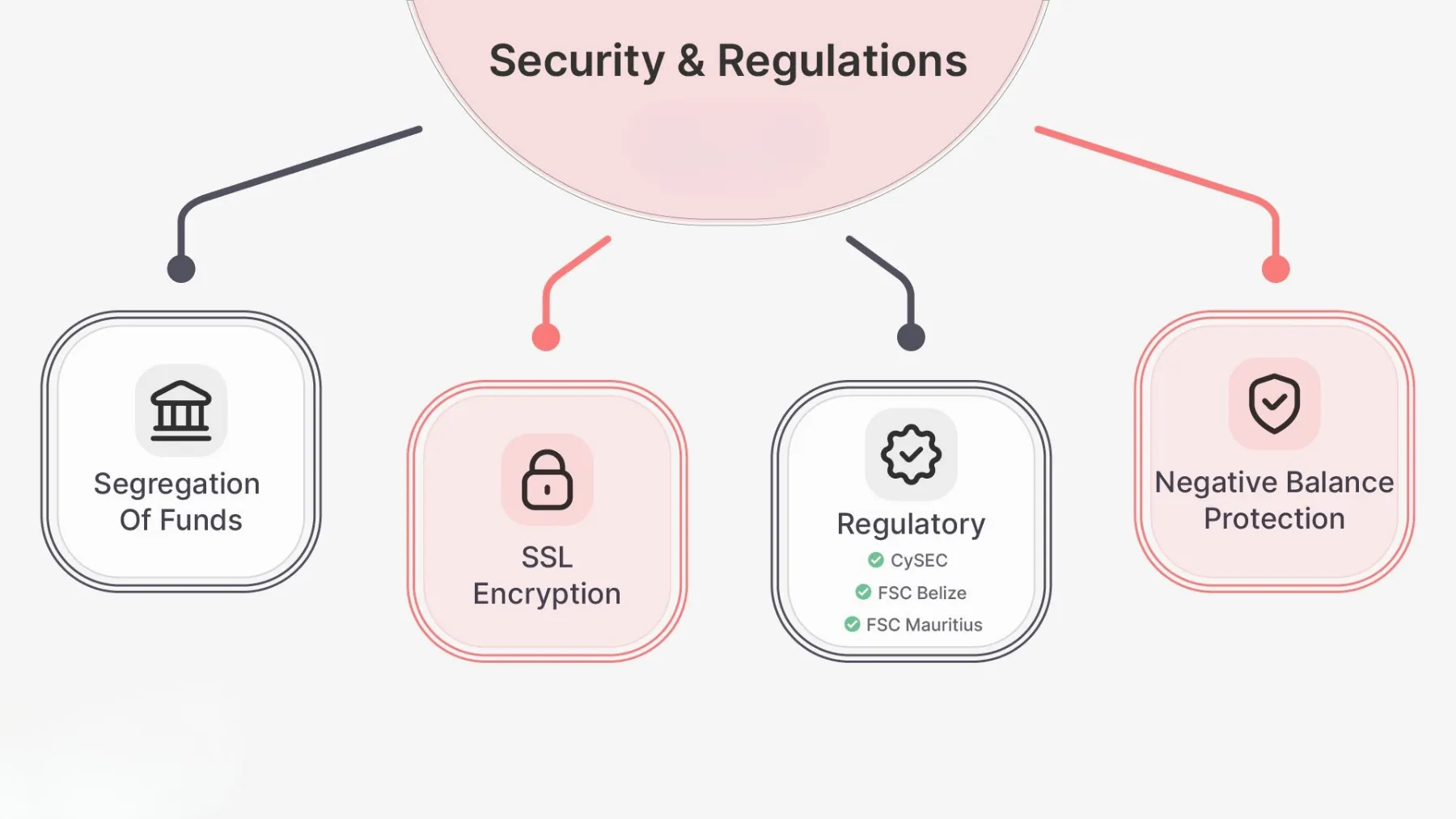
The broker is considered very safe because it is regulated by multiple reputable financial authorities across the globe. This multi-jurisdictional oversight, including licenses from CySEC in Cyprus and ASIC in Australia, enforces strict standards for client fund protection and operational transparency. These regulatory safeguards mean that traders’ capital is held in segregated accounts, separate from the company’s funds, and they are protected by negative balance protection.
XM’s fee structure is transparent and competitive, especially through its commission-based account options. While the spreads on its Standard and Micro accounts are not the tightest in the industry, they are straightforward with no hidden commissions. For traders who prefer lower spreads, the XM Zero Account offers raw spreads from 0.0 pips coupled with a competitive commission, making it a cost-effective choice for active traders and those using automated strategies.
This comprehensive review breaks down every critical aspect of trading with XM. We will explore its regulatory framework, analyze its complete fee schedule, evaluate its trading platforms, and detail the full range of tradable instruments. By the end, you will have a clear understanding of whether XM aligns with your specific trading needs and goals.
Is XM a Good Broker Overall?
Yes, XM is a good overall broker, especially for beginners and intermediate traders, due to its strong regulation, user-friendly platforms, and extensive educational materials. Its commitment to providing an accessible and supportive trading environment makes it an excellent starting point for new market participants. The broker has successfully built a global brand trusted by millions of clients by focusing on core strengths like customer education, straightforward account structures, and reliable platform performance.
To understand its overall quality, let’s explore what makes it a compelling choice. First, accessibility is a key theme. With a minimum deposit of just $5 for its Micro and Standard accounts, XM removes the high financial barrier to entry that often discourages new traders. This allows individuals to start trading with real money without risking significant capital, providing a practical learning experience. This low entry point is complemented by a rich library of educational content. XM regularly hosts live webinars, provides detailed video tutorials on using the MetaTrader platforms, and offers daily market analysis. This educational ecosystem is designed to help traders build their skills and confidence, moving them from novice to proficient.
The choice of account types also contributes to its appeal. XM offers several options tailored to different trading styles. The Micro Account allows trading in micro lots, which is ideal for testing strategies with minimal risk. The Standard Account is a classic option for most retail traders. For those more sensitive to trading costs, the XM Zero Account provides access to very tight spreads plus a transparent commission, a structure favored by scalpers and algorithmic traders. This flexibility ensures that as a trader’s needs evolve, the broker has an account that can accommodate them.
Furthermore, the broker’s dedication to a positive user experience is evident in its execution policy. XM operates with a strict no-requotes and no-rejection policy for market orders, meaning that 99.35% of all trading orders are executed in less than one second. This focus on execution quality is critical in fast-moving markets, ensuring that traders can enter and exit positions at their desired prices. Combined with the stability of the MT4 and MT5 platforms, this creates a reliable and efficient trading infrastructure. While XM may not offer the thousands of individual stock CFDs or the proprietary platform features of some larger competitors, it excels at delivering a high-quality, foundational trading experience.
Is XM Broker Safe and Regulated?
Yes, XM is a safe and well-regulated broker, holding licenses from multiple top-tier financial authorities, including CySEC, ASIC, and the FSC. This robust regulatory framework is a cornerstone of its reputation and ensures that it adheres to strict international standards for financial transparency and client protection. The broker’s commitment to operating under the oversight of respected regulatory bodies provides traders with a significant layer of security and trust.
In detail, XM Group is a collection of regulated online brokers. For instance, Trading Point of Financial Instruments Ltd is regulated by the Cyprus Securities and Exchange Commission (CySEC), a well-regarded authority within the European Union. XM Global Limited is regulated by the Financial Services Commission (FSC) of Belize, and Trading Point of Financial Instruments Pty Ltd is regulated by the Australian Securities and Investments Commission (ASIC). Operating under these different regulators means XM must comply with varying, but consistently stringent, rules depending on the client’s region. This multi-jurisdictional approach demonstrates a serious commitment to legal compliance and ethical business practices, which is a critical factor when choosing a broker to entrust with your capital.
What Investor Protection Does XM Offer?
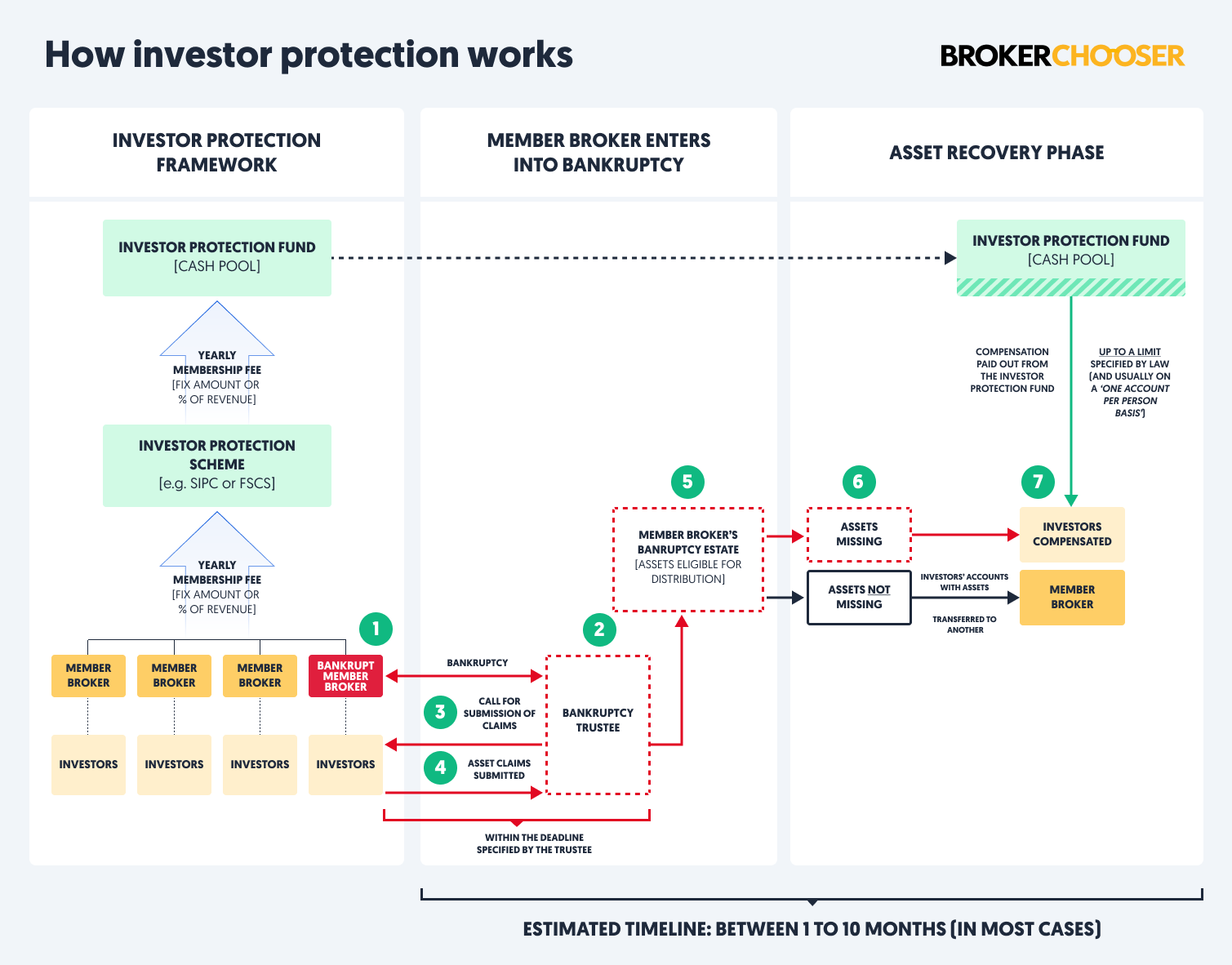
XM offers several key investor protection measures, including segregated client funds, negative balance protection, and coverage under an investor compensation scheme. These features are designed to safeguard your money against both company insolvency and unexpected market volatility. Let’s break down each one.
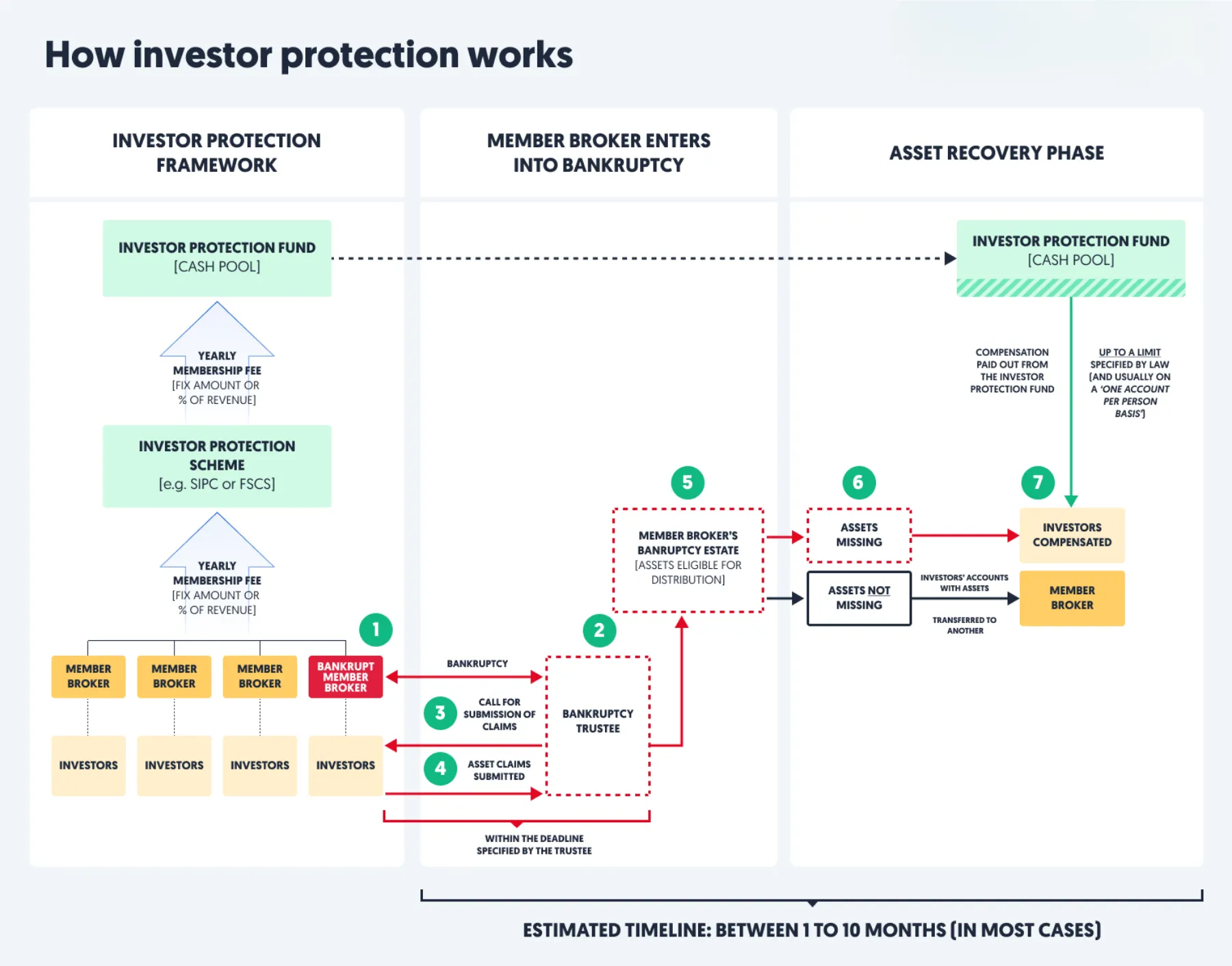
First, XM maintains segregated client accounts. This means your trading funds are kept in top-tier banking institutions, completely separate from the company’s own operational funds. This is a critical safety measure. Should XM face financial difficulties, your money cannot be used to pay off its creditors. It remains your property, offering a powerful line of defense for your capital.
Second, all retail clients benefit from negative balance protection. This feature automatically resets your account balance to zero if it ever goes into the negative due to extreme market volatility or a gap in prices. For example, if a sudden market event causes a trade to lose more money than is available in your account, you will not end up owing XM money. This protection is invaluable as it limits your potential loss to the amount you have deposited, preventing catastrophic debt.
Finally, clients registered under the EU-regulated entity (Trading Point of Financial Instruments Ltd) are covered by the Investor Compensation Fund (ICF). This fund provides an additional layer of security. In the unlikely event that the broker becomes insolvent and is unable to fulfill its financial obligations, the ICF can provide compensation to eligible clients up to a certain amount, typically €20,000.
How Reputable Is XM in the Industry?
XM has built a strong reputation as a large, reliable, and well-established broker since its founding in 2009. Its long operating history, massive client base, and numerous industry awards collectively point to a high level of trust and credibility within the global trading community. A broker’s reputation is built over years of consistent service, and XM’s track record speaks for itself.

Having been in operation for over a decade, XM has successfully navigated numerous market cycles and regulatory changes, demonstrating its resilience and stability. It serves over 10 million clients from more than 190 countries, a testament to its global reach and widespread appeal. A company does not attract and retain such a large customer base without providing reliable service, fair trading conditions, and excellent customer support.
Furthermore, XM has received over 30 industry awards for its services. These accolades often recognize specific strengths, such as “Best FX Broker for Europe” or “Best Customer Service.” While awards alone are not a guarantee of quality, a consistent pattern of recognition from reputable industry bodies indicates that the broker is performing at a high level and is well-regarded by its peers. Its active presence at financial expos and its sponsorship of major figures, like athlete Usain Bolt in the past, have also contributed to its status as a major, mainstream brand in the forex industry. This combination of longevity, client volume, and industry recognition makes XM one of the more reputable brokers available to retail traders today.
What Are XM’s Trading Fees and Spreads?
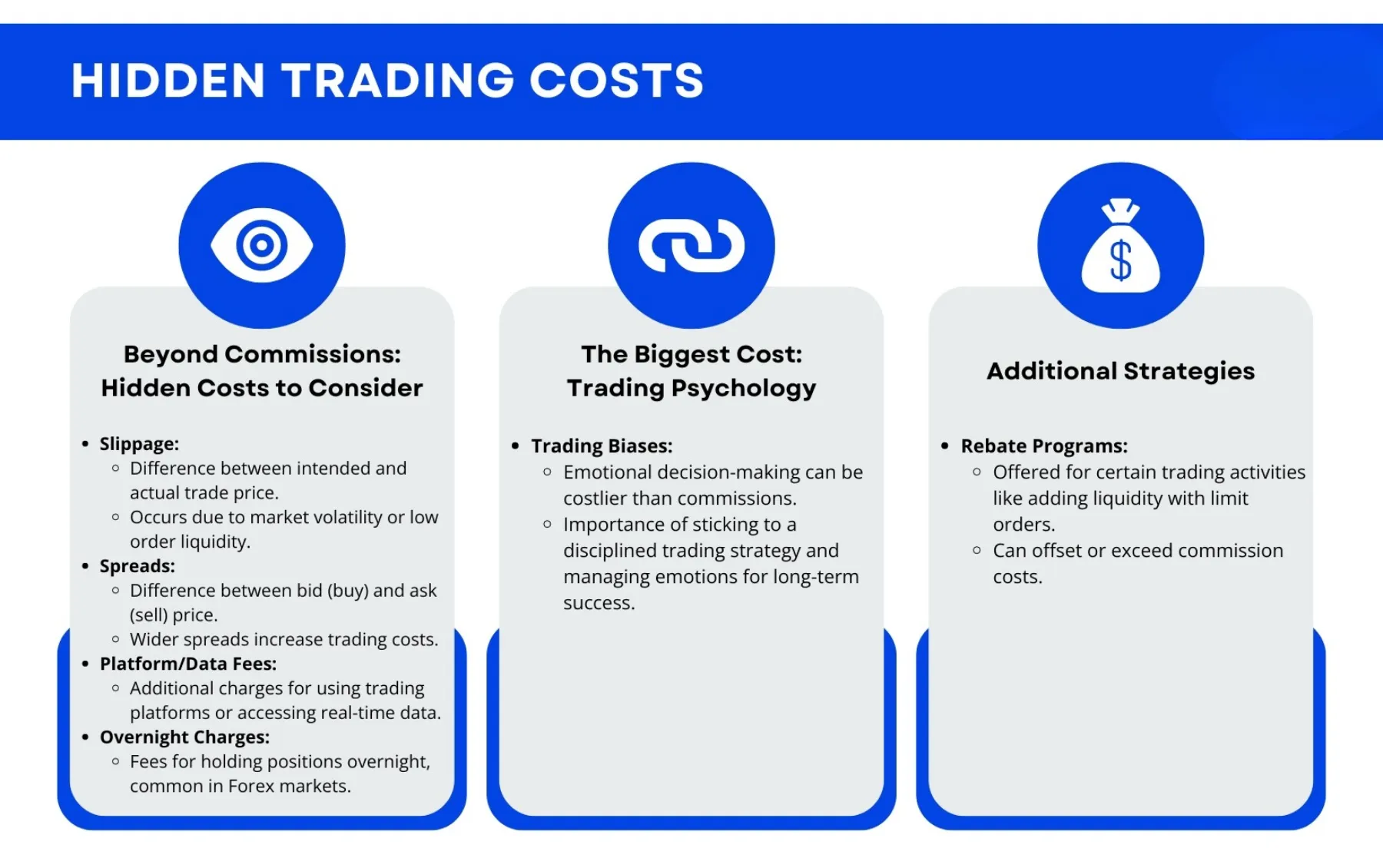
XM’s trading fees consist primarily of spreads, which vary by account type, and commissions on specific accounts, alongside non-trading fees like an inactivity charge. The broker offers a transparent fee structure that allows traders to choose an account type that best aligns with their cost preferences and trading style. For most traders, the primary cost will be the spread, which is the difference between the buy and sell price of an instrument.
To understand the full cost of trading, it is essential to look at both trading and non-trading fees. Trading fees are incurred directly from trading activity. At XM, these are either baked into the spread (on Micro and Standard accounts) or charged as a separate commission with very tight spreads (on the XM Zero Account). Non-trading fees are charges not related to buying or selling, such as fees for account inactivity or for certain withdrawal methods. XM is quite competitive in this area, as it charges no fees for deposits or withdrawals on most transactions, which is a significant benefit for traders. However, it does implement an inactivity fee, which is an important factor for infrequent traders to consider. The choice between a spread-only model and a commission-plus-spread model allows traders to optimize their costs based on their trading frequency and strategy.
What Are the Spreads for Major Forex Pairs?
The spreads for major forex pairs at XM depend heavily on the account type you choose, with the XM Zero Account offering the lowest spreads starting from 0.0 pips. The Micro and Standard accounts have higher spreads because they are commission-free, meaning the broker’s fee is included in the spread itself. For example, the typical spread on a popular pair like EUR/USD can be around 1.7 pips on a Standard account, which is higher than many competitors.
Here is a clear breakdown of typical spreads for major currency pairs across XM’s primary account types:
| Forex Pair | Micro/Standard Account (Typical Spread) | XM Zero Account (Typical Spread) |
|---|---|---|
| EUR/USD | 1.7 pips | 0.1 pips |
| GBP/USD | 2.5 pips | 0.3 pips |
| USD/JPY | 1.8 pips | 0.2 pips |
| AUD/USD | 1.9 pips | 0.3 pips |
As you can see from the table, traders focused on minimizing trading costs, such as scalpers or high-frequency traders, would find the XM Zero Account far more cost-effective. While the spread is extremely low, you must also factor in the commission. For traders who prefer simplicity and want all costs bundled into a single figure, the Standard account provides a straightforward, what-you-see-is-what-you-get pricing model.
Are There Any Commissions or Hidden Fees?
XM charges commissions only on its XM Zero Account, while its other non-trading fees are limited to a monthly inactivity fee. The broker maintains a high level of transparency regarding its costs, so there are generally no “hidden” fees to worry about. The commission on the XM Zero Account is a standard $3.50 per side for every $100,000 traded, which totals $7.00 per round turn lot. This is a competitive rate within the industry for a raw spread account.

The most notable non-trading fee is the inactivity fee. If your account has a balance and shows no trading, withdrawal, or deposit activity for 90 consecutive days, it will be charged a monthly fee of $5. While this fee is relatively small, it is important for long-term investors or casual traders to be aware of. To avoid it, you simply need to perform one transaction every three months.
On a positive note, XM stands out for its fee-friendly deposit and withdrawal policies.
- Deposits: XM covers all deposit fees charged by its payment processors, including credit cards and e-wallets like Skrill and Neteller.
- Withdrawals: The broker also covers all withdrawal fees for e-wallets and credit cards. For wire transfers, XM covers all transfer fees for withdrawals over $200. This policy helps traders preserve more of their profits by reducing transactional costs.
Which Trading Platforms Does XM Offer?
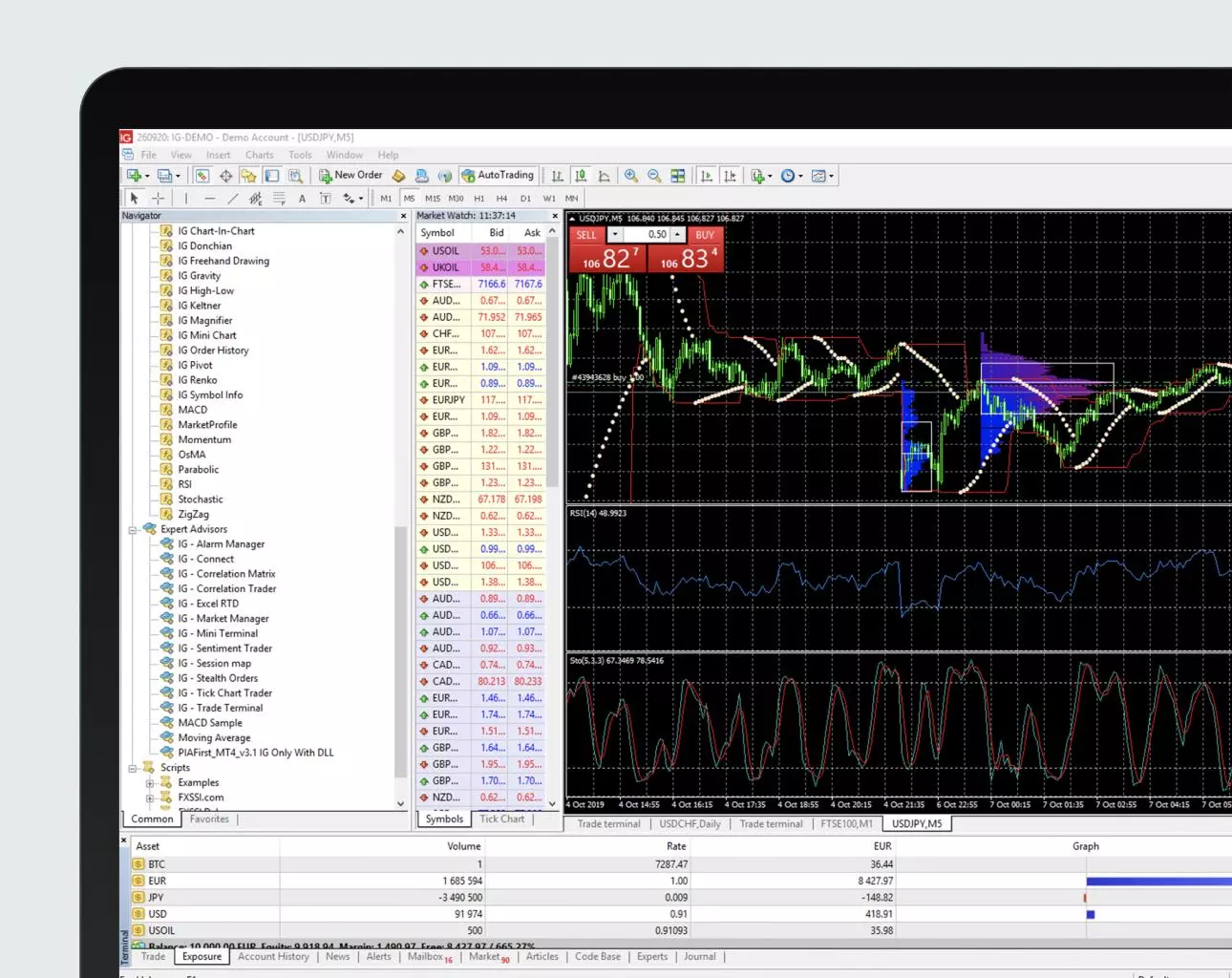
XM offers the globally recognized MetaTrader 4 (MT4) and MetaTrader 5 (MT5) platforms, available on desktop, web, and mobile devices. By focusing on the MetaTrader suite, XM provides its clients with access to two of the most popular and reliable trading platforms in the world. This approach ensures a stable, feature-rich, and familiar trading environment for traders of all skill levels, from beginners to seasoned professionals.
The decision to offer both MT4 and MT5 is strategic. MT4 remains the industry standard, beloved for its simplicity, reliability, and vast ecosystem of automated trading tools known as Expert Advisors (EAs). MT5, on the other hand, is its more powerful successor, offering advanced trading features, more technical indicators, and access to a wider range of markets. Both platforms are available across multiple operating systems. You can download the desktop versions for Windows and Mac, use the browser-based WebTrader for instant access without any software installation, or trade on the go with dedicated mobile apps for iOS and Android. This cross-platform availability ensures you can manage your trades and analyze the markets from anywhere, at any time, providing ultimate flexibility and convenience.
Is MetaTrader 4 a Good Platform for Beginners?
Yes, MetaTrader 4 is an excellent platform for beginners due to its intuitive interface, straightforward functionality, and extensive learning resources. For years, MT4 has been the go-to platform for new traders entering the forex market, and for good reason. Its layout is clean and easy to navigate, with key functions like opening charts, placing trades, and applying indicators being very accessible.
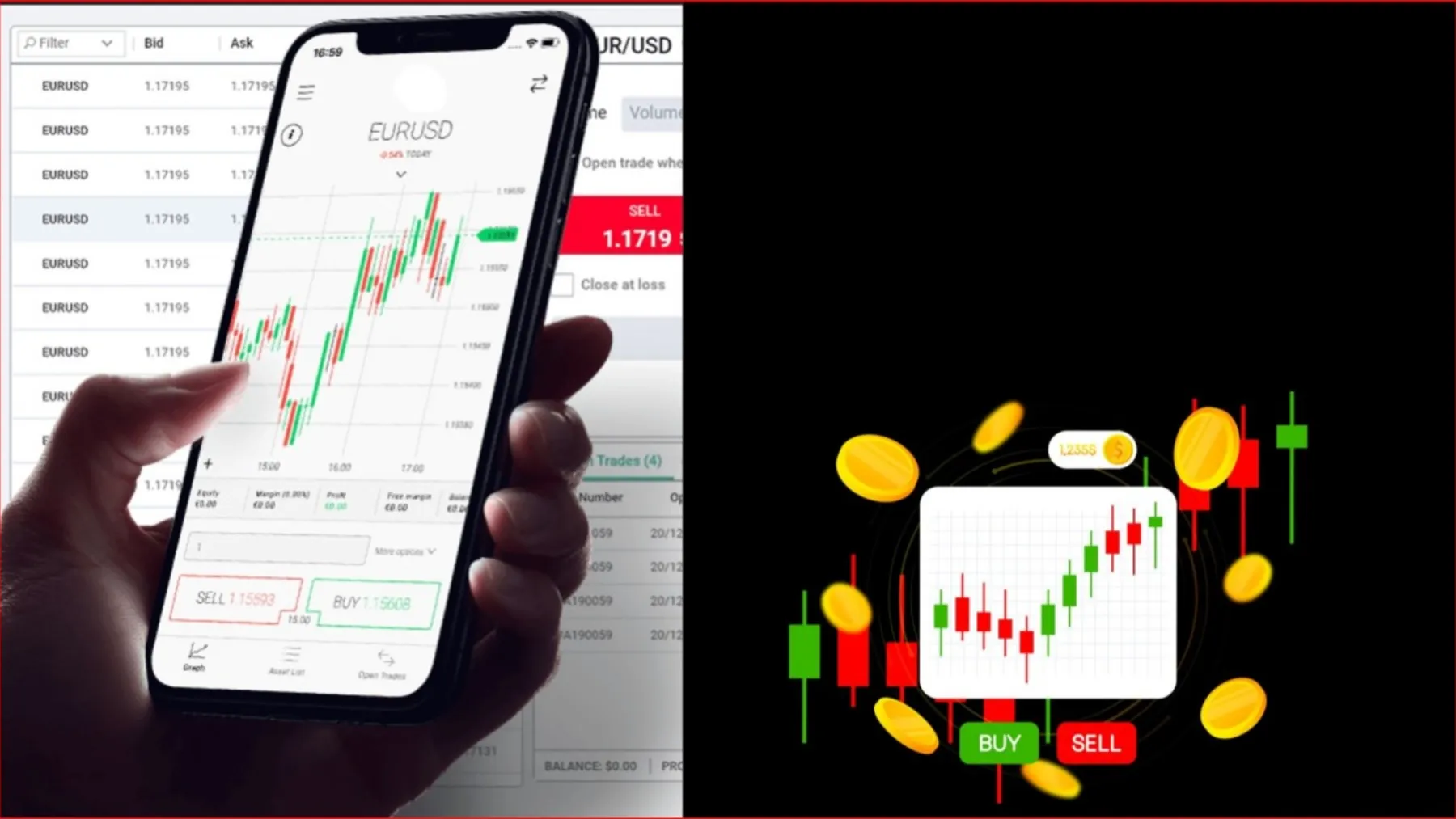
The platform comes equipped with all the essential tools a new trader needs. You get access to powerful charting capabilities with three chart types (line, bar, and candlestick), nine different timeframes, and over 30 built-in technical indicators like Moving Averages, RSI, and MACD. This allows beginners to start performing technical analysis without feeling overwhelmed by an overly complex toolset. One of its most celebrated features is the support for Expert Advisors (EAs). This allows for automated trading, and the massive online community around MT4 means there are thousands of free and paid EAs available, as well as countless tutorials on how to use them. This combination of user-friendliness, essential features, and a supportive community makes MT4 an ideal starting point for anyone new to trading.
What Are the Advantages of Using MetaTrader 5?
The main advantages of using MetaTrader 5 are its advanced trading features, superior analytical tools, and greater flexibility for multi-asset trading. While MT4 is a forex-focused workhorse, MT5 was designed from the ground up to be a superior, all-in-one platform for trading a wider variety of financial instruments, including stocks and futures, in addition to forex and CFDs.
MT5 builds upon the foundation of MT4 with several key enhancements. Analytically, it offers more technical tools, with 38 built-in indicators and 21 timeframes, compared to MT4’s 30 indicators and 9 timeframes. This provides traders with more granular control over their chart analysis. The platform also includes a built-in Economic Calendar, which helps traders stay on top of important financial news and events directly within the platform.
For traders interested in more sophisticated order management, MT5 introduces additional pending order types, such as Buy Stop Limit and Sell Stop Limit, offering more strategic flexibility. Furthermore, it uses the MQL5 programming language, which is more advanced than MQL4, allowing for the creation of more complex and powerful trading robots and custom indicators. The ability to see the Depth of Market (DOM) is another significant advantage, giving traders insight into market liquidity. For these reasons, MT5 is the preferred choice for experienced traders who require more advanced tools and multi-asset capabilities.
What Financial Instruments Can You Trade on XM?
XM provides access to over 1,000 financial instruments, including a wide range of Forex pairs, CFDs on indices, commodities, stocks, and precious metals. This diverse selection allows traders to build a well-rounded portfolio and take advantage of opportunities across various global markets from a single trading account. While not the most extensive offering in the industry, the range is more than sufficient for the majority of retail traders.
The broker’s product catalog is designed to cater to different trading interests and strategies. Forex traders will find a comprehensive list of major, minor, and exotic currency pairs. Those interested in the broader stock market can trade CFDs on hundreds of individual company shares from the US, UK, and Europe. Additionally, traders can speculate on the direction of entire economies through stock indices like the S&P 500 and DAX 40. The inclusion of commodities like oil and gold, as well as precious metals, provides opportunities to hedge against inflation or trade based on geopolitical events. This variety ensures that whether your focus is on short-term forex movements or long-term equity trends, XM has an instrument to fit your needs.
What Is the Range of Forex and CFD Products?
The range of products at XM includes over 55 forex pairs and more than 1,000 CFDs covering stock indices, commodities, individual stocks, and precious metals. This broad offering ensures that traders have ample choice and can easily diversify their trading activities. Here is a more detailed look at what is available in each category:

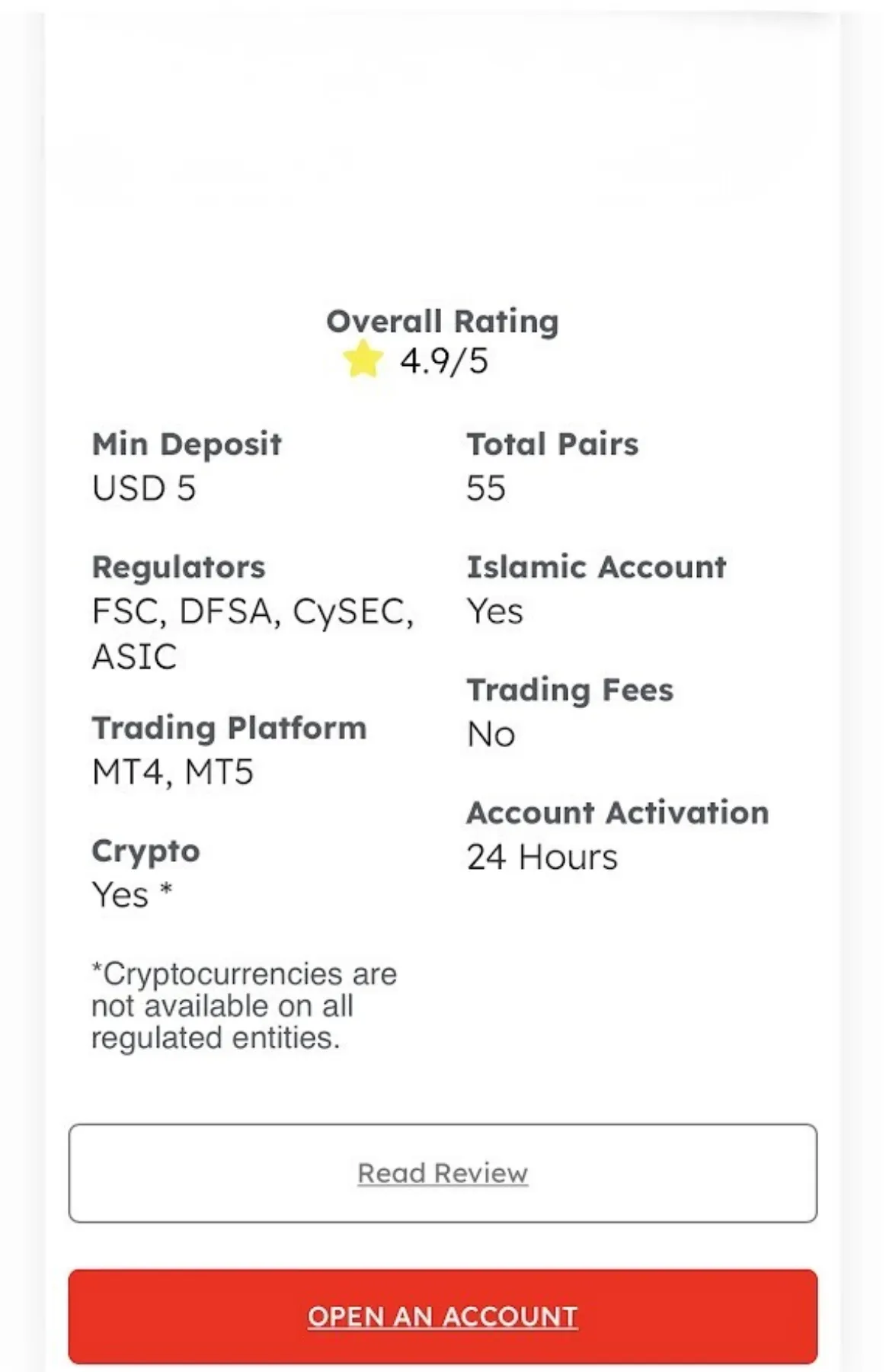
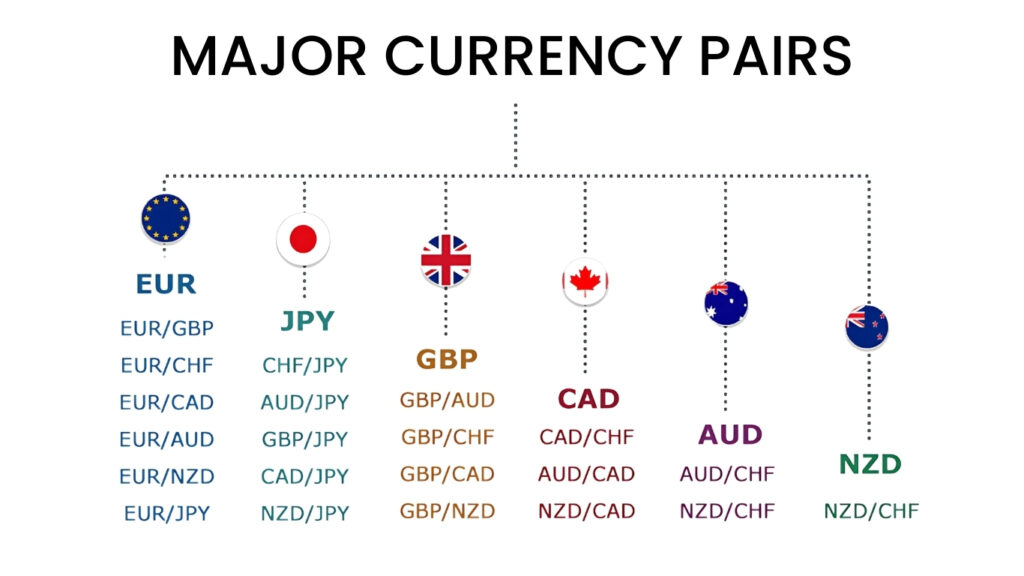
- Forex: You can trade a solid selection of over 55 currency pairs. This includes all the majors (e.g., EUR/USD, GBP/USD, USD/JPY), minors (e.g., EUR/GBP, AUD/CAD), and a good number of exotic pairs (e.g., USD/ZAR, USD/MXN).
- Stock CFDs: XM offers CFDs on over 600 individual stocks from more than 17 countries. This allows you to trade on the price movements of major global companies like Apple, Google, and Amazon without owning the underlying shares.
- Stock Indices: You can trade cash and futures CFDs on over 30 international stock indices. This includes popular choices like the US30 (Dow Jones), SPX500 (S&P 500), UK100 (FTSE 100), and GER40 (DAX 40).
- Commodities: The offering includes CFDs on soft commodities like coffee, sugar, and wheat, as well as energies like Brent Crude Oil, WTI Oil, and Natural Gas.
- Precious Metals: You can trade gold and silver against the US Dollar and the Euro. Platinum and Palladium are also available, providing further diversification options.
It’s important to know that the availability of certain instruments, particularly cryptocurrency CFDs, can depend on your country of residence and the regulatory entity you are registered with.
What Are the Pros and Cons of Trading with XM?
The main pros of trading with XM are its strong multi-jurisdictional regulation and excellent educational content, while its primary cons include average spreads on standard accounts and a monthly inactivity fee. Like any broker, XM has a unique set of strengths and weaknesses that make it a better fit for some traders than others. Understanding these factors is key to determining if it is the right choice for your trading journey.
On one hand, XM excels in areas that are critically important for new and developing traders. Its commitment to regulation across multiple continents provides a strong sense of security. The educational tools and low entry requirements create a welcoming environment where beginners can learn and grow without taking on excessive risk. The absence of fees on most deposits and withdrawals is also a significant practical benefit that helps protect a trader’s bottom line. On the other hand, certain aspects may be less appealing to highly experienced or very active traders. The spreads on its commission-free accounts are not the most competitive on the market, and the reliance solely on the MetaTrader suite means traders looking for advanced proprietary platforms will need to look elsewhere.
What Are the Main Advantages of XM?
The main advantages of trading with XM are its strong regulatory framework, low minimum deposit, high-quality educational resources, and user-friendly trading platforms. These strengths combine to create a reliable and supportive trading environment, particularly for those new to the markets.

- Strong Global Regulation: Being regulated by top-tier authorities like CySEC and ASIC provides a high level of trust and security. This ensures client funds are protected and the broker operates with transparency.
- Low Minimum Deposit: With a minimum deposit of just $5, XM is highly accessible. This allows beginners to start trading with a very small amount of capital, reducing the initial risk while they learn the ropes.
- Excellent Educational Resources: XM invests heavily in trader education. It offers free access to daily webinars, platform tutorials, market analysis, and trading signals. This comprehensive educational suite is invaluable for skill development.
- Reliable and User-Friendly Platforms: By offering both MT4 and MT5, XM provides access to the industry’s most popular and trusted trading platforms. They are known for their stability, powerful charting tools, and support for automated trading.
- No Deposit or Withdrawal Fees: XM covers most transaction fees, which is a great cost-saving benefit. This means more of your money goes into your trading account and your profits are not eroded by transfer charges.
What Are the Main Disadvantages of XM?
The main disadvantages of trading with XM are its relatively high spreads on standard accounts, the presence of an inactivity fee, and a product range that is less extensive than some top competitors. While a solid broker, these weaknesses may be dealbreakers for certain types of traders.
- Average Spreads on Standard Accounts: The spreads on the commission-free Micro and Standard accounts (e.g., around 1.7 pips for EUR/USD) are wider than those offered by many other leading brokers. This can make them less suitable for high-frequency trading strategies like scalping.
- Inactivity Fee: XM charges a $5 monthly fee if an account is inactive for more than 90 days. While this fee is avoidable, it can be a nuisance for long-term, passive investors or traders who take extended breaks from the market.
- Limited Product Range Compared to Peers: While XM offers over 1,000 instruments, some top-tier brokers provide access to several thousand. Traders looking for a very specific or niche asset, particularly in the realm of individual stock CFDs or ETFs, might find the selection somewhat limited.
- No Proprietary Trading Platform: The broker relies exclusively on the third-party MetaTrader suite. Traders who prefer the unique features, advanced tools, and integrated research offered by a broker’s proprietary platform will not find that option here.
What Else Should You Know About Using XM?
Beyond its core features, you should know the specific account opening procedures, account types, bonus structures, and how XM directly compares to key competitors. Additionally, understanding its payment methods and the quality of its educational resources provides a complete picture for any potential trader.
How Do You Open an Account with XM?
Opening an account with XM is a straightforward digital process designed to be completed quickly. The first step involves filling out a registration form on the XM website with personal details like your name, country of residence, email, and phone number. After submitting this, you will select your preferred trading platform (MT4 or MT5) and choose an account type. Once you confirm your email address, you gain access to the Members Area, but the account is not yet fully functional for trading with real money.
To complete the process, you must verify your identity and residency, a standard procedure known as Know Your Customer (KYC).
1. Proof of Identity: You need to upload a clear, color copy of a government issued ID. This can be a valid passport, a national ID card, or a driver’s license.
2. Proof of Residence: You must provide a recent document (issued within the last six months) that shows your full name and address. Accepted documents include a utility bill (electricity, water, gas), a bank statement, or a credit card statement.
Once these documents are submitted and approved by XM, typically within 24 hours, your account is fully activated for deposits and trading.
What Types of Trading Accounts Does XM Offer?
XM provides several account types to cater to different trader needs, from beginners to experienced professionals. The primary distinction among them relates to contract size, pricing structure, and the range of available instruments. The Micro account is ideal for beginners, allowing trading in smaller lot sizes (micro lots), which reduces risk. The Standard account is similar but uses standard lot sizes. The XM Ultra Low account offers tighter spreads with no commissions, available in both Micro and Standard lot variations. Finally, the Shares account is specifically for trading stock CFDs.
Here is a simple breakdown of the main account types.
| Feature | Micro Account | Standard Account | XM Ultra Low Account | Shares Account |
|---|---|---|---|---|
| Minimum Deposit | $5 | $5 | $5 | $10,000 |
| Spreads From | 1.0 pip | 1.0 pip | 0.6 pips | As per the underlying exchange |
| Commission | No | No | No | Yes |
| Contract Size | 1,000 units | 100,000 units | 100,000 units (Standard) / 1,000 units (Micro) | 1 share |
| Instruments | Forex, CFDs | Forex, CFDs | Forex, CFDs | Stock CFDs only |
What Bonuses and Promotions Are Available at XM?
XM is well known for its promotional offers, which are designed to attract new clients and retain existing ones. The most popular promotion is the $30 Non-Deposit Bonus, which is automatically credited to new clients’ accounts upon registration and verification. This bonus allows traders to test the platform with real money without any initial investment. Winnings can be withdrawn, but the bonus amount itself cannot be.

Another key promotion is the Two Tier Deposit Bonus. This provides a 50% bonus on deposits up to $500 and a 20% bonus on deposits up to a combined maximum of $5,000. For example, a $1,000 deposit would receive a $500 bonus (50% of the first $500) plus a $100 bonus (20% of the next $500), totaling a $600 bonus. Like the non-deposit offer, these funds are for trading purposes only. XM also runs a Loyalty Program, where traders earn XM Points (XMP) for every lot they trade. These points can be redeemed for credit bonuses or, at higher status levels, for cash.
How Does XM Compare to Other Popular Brokers?
When evaluating a broker, it is helpful to compare it against a close competitor. Exness is another popular global broker with a strong presence in similar markets. Both XM and Exness are well regulated and offer a wide range of instruments on the MT4 and MT5 platforms. However, they differ in key areas like spreads, leverage, and account options. XM stands out for its bonus programs and educational materials, making it attractive for new traders. Exness, on the other hand, is known for its extremely low spreads on certain accounts and instant withdrawal processing.

This comparison highlights their different strengths.
| Feature | XM | Exness |
|---|---|---|
| Regulation | CySEC, ASIC, FSC, DFSA | FCA, CySEC, FSCA, FSA |
| Average Spreads (EUR/USD) | 0.6 – 1.7 pips (varies by account) | 0.0 – 1.0 pip (varies by account) |
| Trading Platforms | MT4, MT5, XM App | MT4, MT5, Exness Terminal, Exness App |
| Minimum Deposit | $5 | $10 (varies by region/method) |
| Bonuses & Promotions | Yes (Non-Deposit, Deposit Bonus) | No (Focus on low costs) |
| Withdrawal Speed | Within 24 hours | Instant (for most e-wallets) |
What Deposit and Withdrawal Methods Does XM Support?
XM offers a diverse range of convenient and secure payment methods for funding and withdrawing from trading accounts. The broker aims to make transactions as smooth as possible and notably covers all transfer fees for both deposits and withdrawals. This means the amount you deposit or withdraw is the amount that leaves or arrives in your account. The primary methods supported include major credit and debit cards like Visa and Mastercard.

In addition to card payments, XM supports several popular electronic wallets (e-wallets).
- Skrill: A widely used e-wallet for fast and secure online payments.
- Neteller: Another popular option offering instant deposits and quick withdrawals.
- Perfect Money: An electronic payment system available in certain regions.
For larger transactions, traditional bank wire transfers are also available. While deposits through cards and e-wallets are typically instant, withdrawals are processed by XM within 24 hours. Bank transfers for both deposits and withdrawals can take several business days to complete. E-wallet withdrawals are generally the fastest option once processed.
Are XM’s Educational and Research Tools Any Good?
XM provides a robust suite of educational and research tools that are particularly beneficial for beginner and intermediate traders. The quality of these resources is high, with a clear focus on practical application. The broker offers daily live webinars in over 20 languages, covering topics from basic forex concepts to advanced trading strategies and live market analysis. These interactive sessions allow traders to ask questions and engage directly with market experts. Additionally, XM provides an extensive library of video tutorials that guide users through platform features and trading basics.
The research tools are also quite useful. XM’s team of analysts provides daily market commentary and analysis on major financial instruments, helping traders stay informed about market movements. They also offer trading signals covering forex, commodities, and indices, which provide entry and exit points for potential trades. While these tools are excellent for guiding new traders and providing daily insights, highly experienced or quantitative traders might seek more specialized, in-depth third party research. For the average retail trader, however, XM’s combination of education and research provides a solid foundation for making informed trading decisions.