

Blog
What Are the Best Currency Pairs to Trade in 2025 for Profitability and Stability?

When seeking a balance of profitability and stability in the forex market for 2025, the best currency pairs to trade are the majors, which include the US dollar. Specifically, the top recommended pairs are the EUR/USD, USD/JPY, GBP/USD, AUD/USD, and USD/CAD due to their unparalleled liquidity, low transaction costs, and predictable volatility. These pairs represent the world’s largest economies, ensuring a constant flow of economic data and news that creates consistent and analyzable trading opportunities. Their high trading volumes mean that you can enter and exit positions with minimal price slippage, which is a critical factor for maintaining profitability over the long term.
The criteria that define a “best” currency pair are rooted in practical trading mechanics. The most important attributes are high liquidity, manageable volatility, and tight spreads. High liquidity ensures that your orders are filled quickly at expected prices. Volatility provides the price movement necessary to generate profits, but it must be predictable enough to be analyzed. Finally, low spreads reduce the cost of every trade you make, directly boosting your bottom line, especially if you are an active trader.
While major pairs offer the greatest stability, other categories present different risk and reward profiles. Minor currency pairs, also known as crosses, can offer unique trading opportunities driven by economic relationships that do not directly involve the US dollar. For instance, pairs like EUR/JPY or AUD/NZD move based on the relative strength of their respective economies. Exotic pairs, which involve a major currency and one from an emerging economy, offer the potential for very high returns but come with significantly increased risk from low liquidity and extreme volatility, making them unsuitable for most beginner or intermediate traders.
Ultimately, choosing the right pair depends on your trading strategy, risk tolerance, and the time of day you trade. The following sections will provide a detailed breakdown of the most recommended pairs for 2025, explaining the fundamental drivers behind each one and helping you understand the criteria used to evaluate them. This will empower you to make informed decisions that align with your personal trading goals.
What Are the Top 5 Major Currency Pairs for Trading in 2025?
The top five major currency pairs for trading in 2025 are EUR/USD, USD/JPY, GBP/USD, AUD/USD, and USD/CAD. These pairs consistently offer the best combination of high liquidity, tight spreads, and abundant trading opportunities. Let’s explore why each of these pairs deserves a spot on your watchlist.
Why Is EUR/USD Considered a Top Trading Pair?
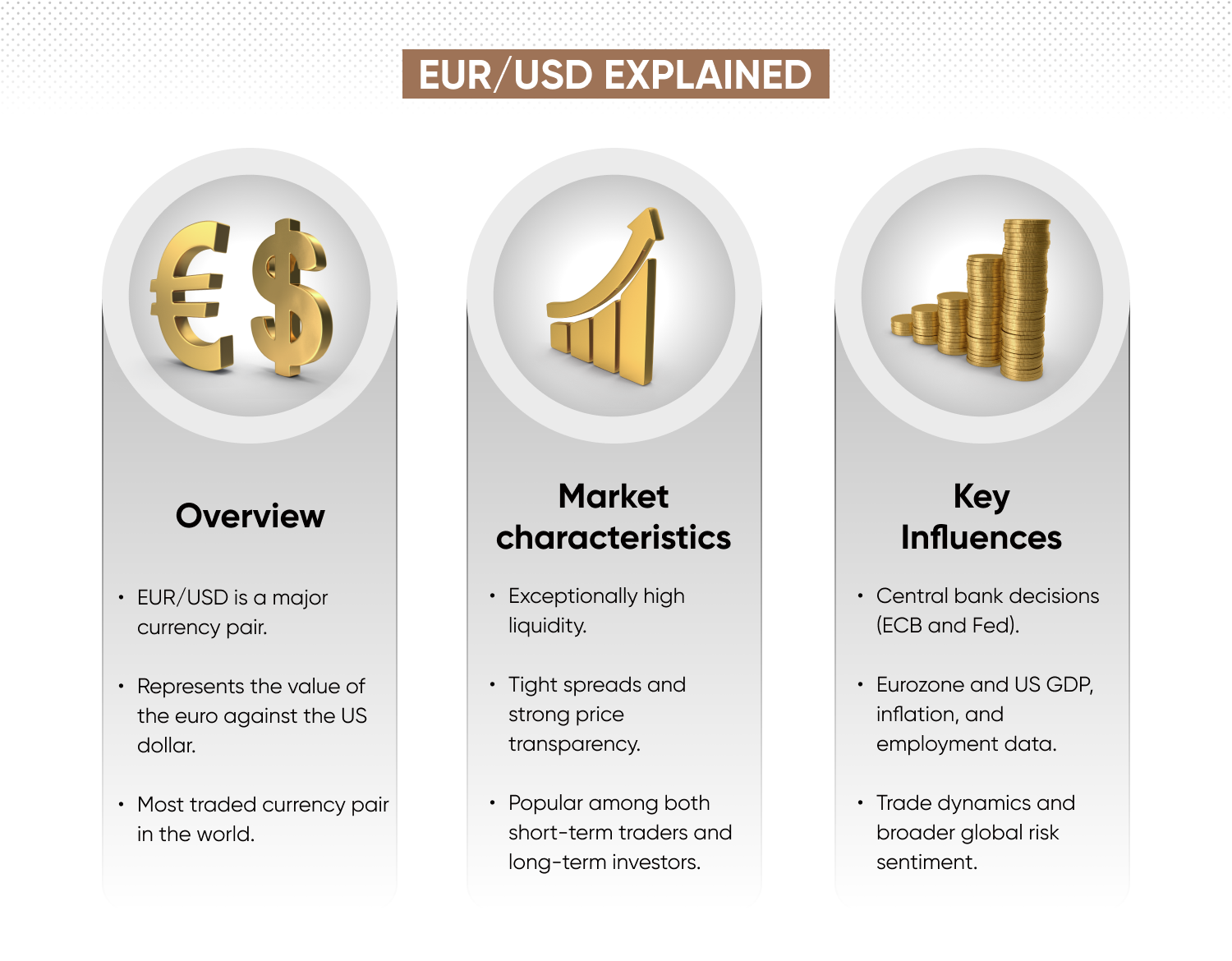
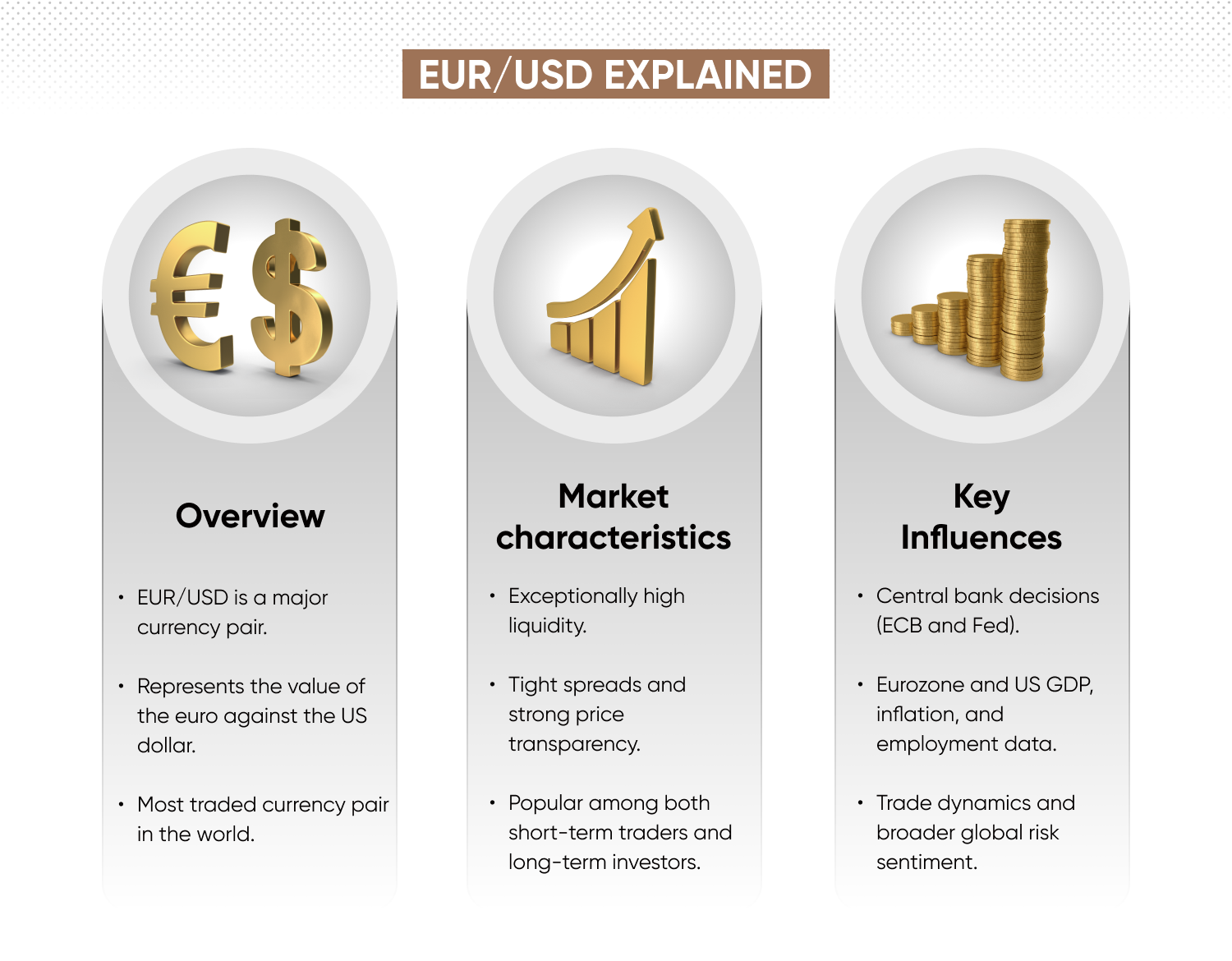
The EUR/USD is considered a top trading pair because it represents the two largest economies in the world, the United States and the Eurozone, making it the most traded currency pair globally. Its immense popularity translates directly into exceptionally high liquidity. With trillions of dollars in daily trading volume, traders can execute large orders at any time without causing significant price shifts. This high volume also results in the tightest spreads offered by any forex broker, often falling below one pip. For traders, this means the cost of entering and exiting a position is minimal, which is a huge advantage for profitability, especially for those who trade frequently. The pair is also highly responsive to economic data releases from both regions, such as interest rate decisions from the U.S. Federal Reserve (Fed) and the European Central Bank (ECB), GDP growth figures, and employment reports. This creates a steady stream of clear, fundamental drivers that technical and fundamental traders can analyze to forecast future price movements. Because of its stability and predictability, it is often the first pair new traders learn and a staple for professionals.
What Makes USD/JPY a Stable Choice for Traders?
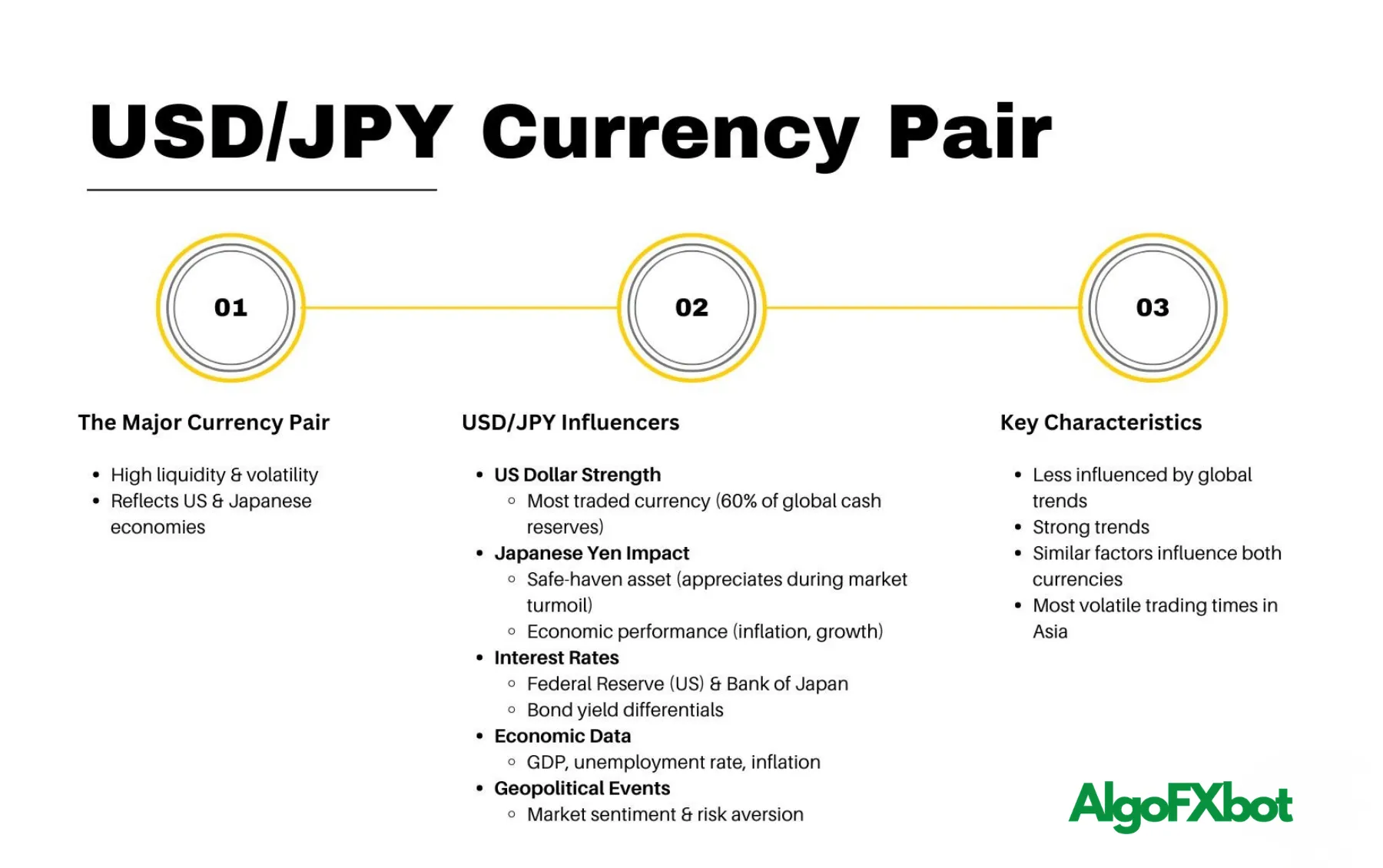
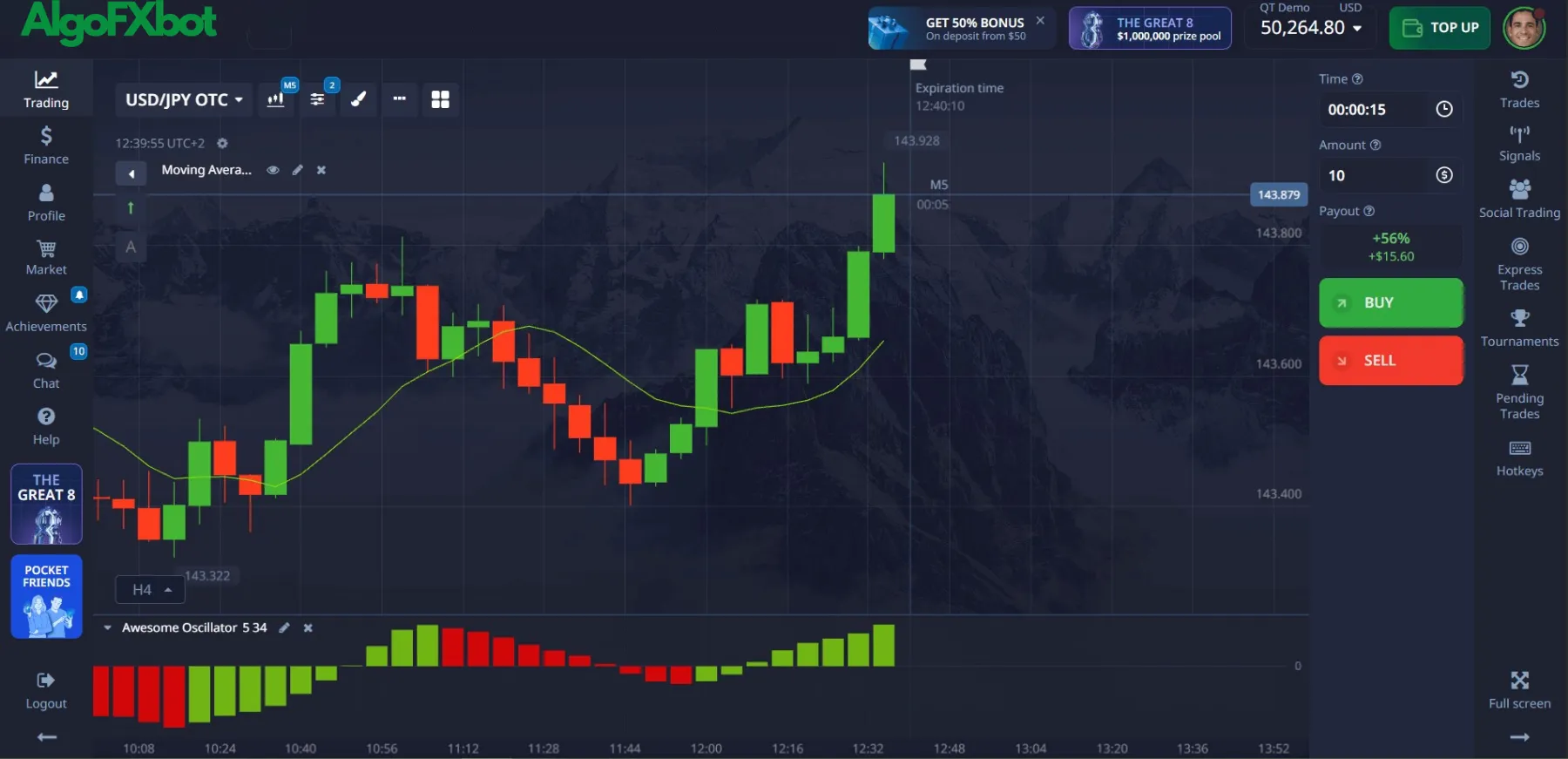
The USD/JPY is a stable choice for traders due to its status as a “safe-haven” currency pair and its consistently high liquidity. The Japanese Yen (JPY) is traditionally viewed as a safe-haven asset, meaning investors tend to buy it during times of global economic uncertainty or market turmoil. This creates a predictable dynamic where the USD/JPY often falls when risk aversion is high. This inverse relationship with global risk sentiment provides a clear framework for traders to work within. The pair’s movements are heavily influenced by the monetary policies of the U.S. Federal Reserve and the Bank of Japan (BoJ). For example, the interest rate differential between the two central banks is a primary driver of its long-term trend. The BoJ’s historically dovish stance compared to the Fed’s policies often creates sustained trends that are ideal for position traders. Furthermore, the USD/JPY boasts the second-highest trading volume after the EUR/USD, ensuring deep liquidity and tight spreads. This makes it a reliable and cost-effective pair to trade, offering stability even in volatile market conditions.
Is GBP/USD a Good Pair for Volatility Trading?
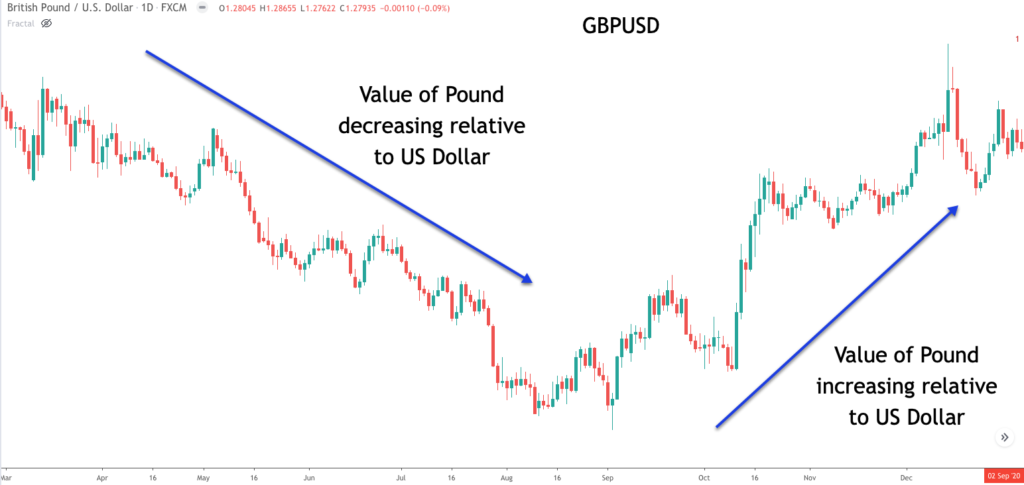
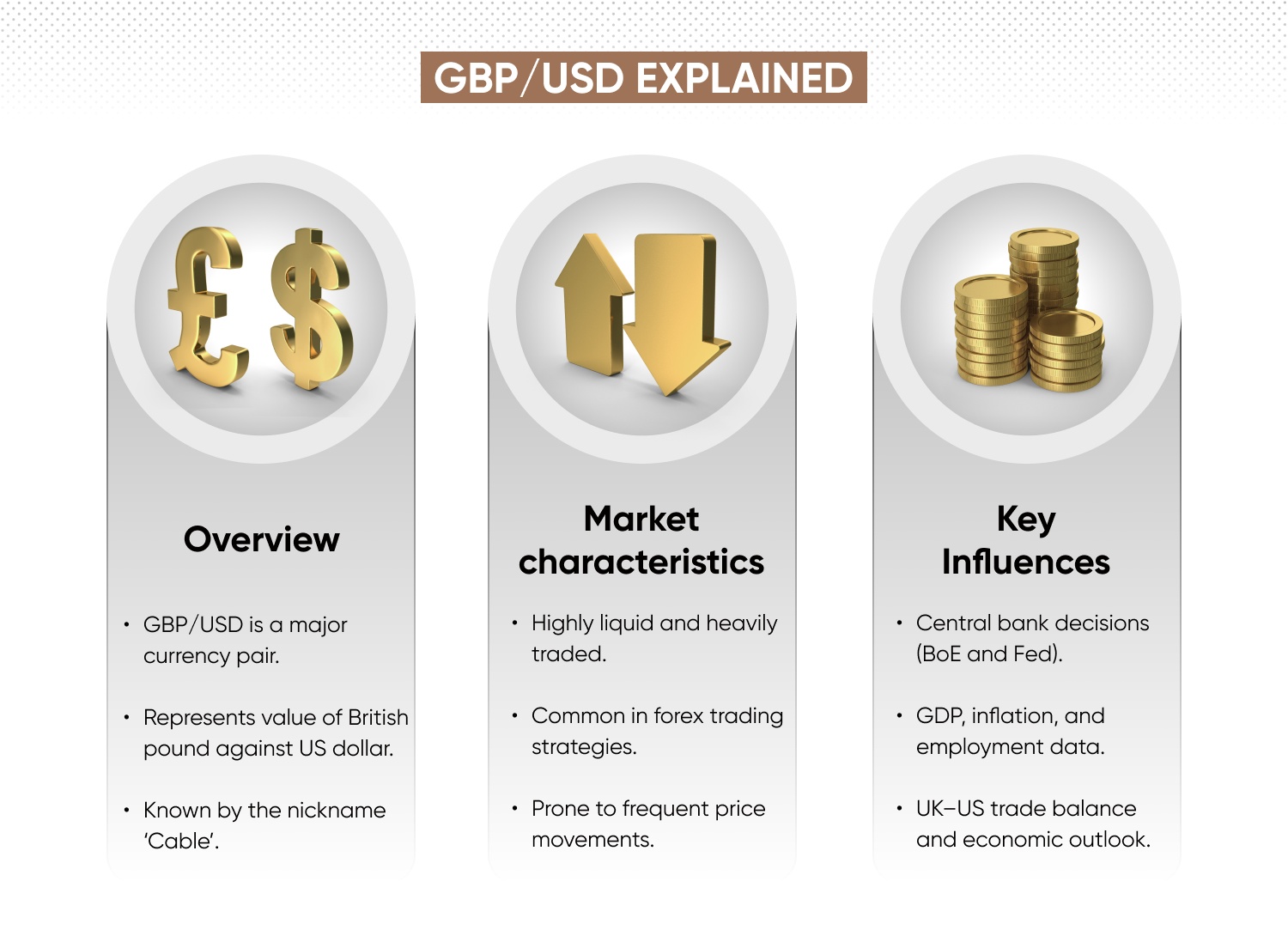
The GBP/USD, known affectionately as “the cable,” is an excellent pair for traders who are comfortable with and specifically seek out volatility. Its price movements are often wider and more rapid compared to pairs like EUR/USD or USD/JPY. This higher volatility creates more opportunities to profit from significant price swings in a shorter amount of time. However, this same characteristic also introduces a higher level of risk, as moves against your position can be equally swift. The pair’s volatility is driven by key economic data from both the United Kingdom and the United States, including inflation reports, central bank announcements from the Bank of England (BoE) and the Fed, and political developments. For instance, discussions around UK trade policies or shifts in U.S. monetary policy can trigger sharp movements in the cable. For experienced traders who have solid risk management strategies in place, the GBP/USD offers a compelling risk-to-reward ratio. Its large daily range can be particularly attractive for day traders and swing traders looking to capitalize on intraday or multi-day trends.

Why Should Traders Consider AUD/USD?
Traders should consider the AUD/USD because it acts as a liquid proxy for global risk sentiment and commodity markets. The Australian Dollar (“Aussie”) is known as a commodity currency, as Australia is a major exporter of natural resources like iron ore, coal, and gold. As a result, the value of the AUD/USD is strongly correlated with global commodity prices. When commodity prices rise, the AUD tends to strengthen against the USD, and vice versa. This provides a clear fundamental anchor for analysis. Additionally, the pair is highly sensitive to economic data from Asia, particularly China, which is Australia’s largest trading partner. Any news regarding Chinese economic growth can have a direct and immediate impact on the AUD/USD. This makes it a great pair for traders who follow Asian markets. It is also seen as a “risk-on” currency pair. When global investors are feeling optimistic and willing to take on more risk, they often buy the AUD, causing the AUD/USD to rise. This makes it a useful barometer for overall market sentiment.
What Is the Appeal of USD/CAD for 2025?
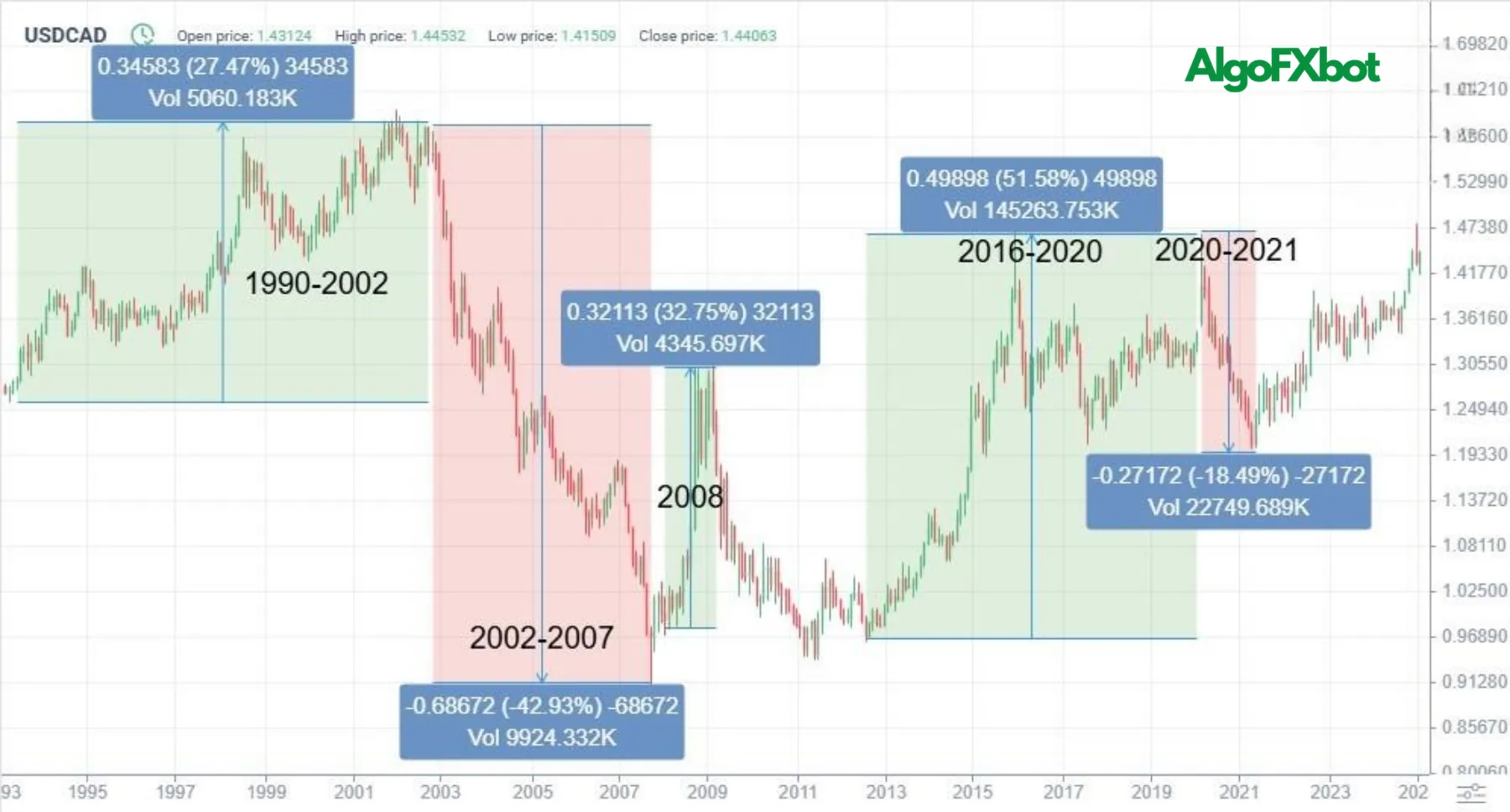
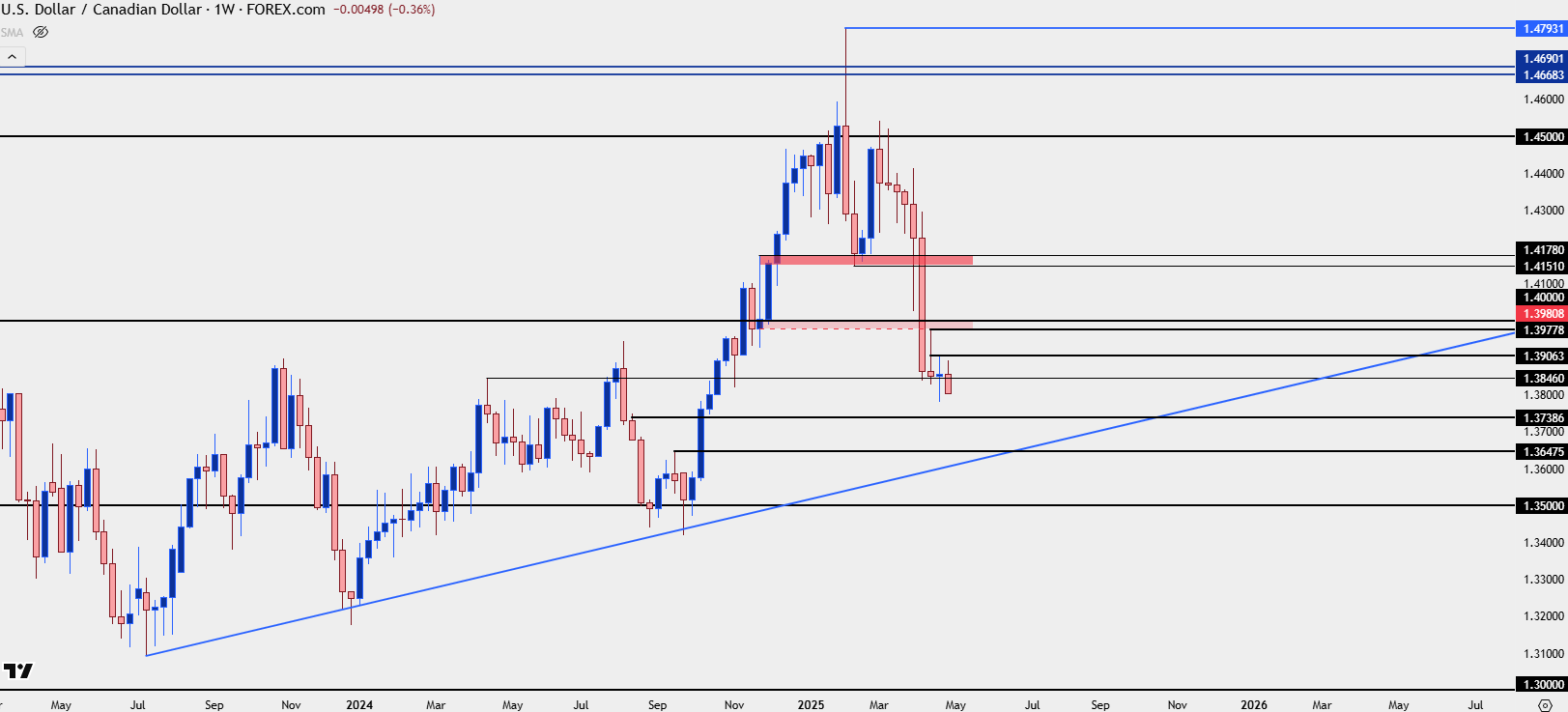
The primary appeal of the USD/CAD, nicknamed “the loonie,” is its strong and direct correlation with the price of oil, specifically West Texas Intermediate (WTI) crude. Canada is one of the world’s largest oil exporters, with the vast majority of its exports going to the United States. Because of this, when oil prices rise, the value of the Canadian dollar tends to increase, causing the USD/CAD to fall. This relationship provides a powerful and relatively straightforward fundamental driver for traders. If you have an opinion on where oil prices are headed, trading the USD/CAD is an effective way to express that view. The pair also benefits from high liquidity, particularly during the North American trading session when both U.S. and Canadian markets are open. This overlap ensures tight spreads and smooth trade execution. The economic policies of the Bank of Canada (BoC) and the U.S. Federal Reserve also play a critical role, with interest rate differentials being a key long-term driver. For traders focused on commodities or North American economics, the USD/CAD is an indispensable pair.
What Criteria Define a “Best” Currency Pair?
The best currency pairs are defined by three core criteria: high liquidity, predictable volatility, and low spreads. These three pillars work together to create a trading environment that is fair, cost-effective, and provides a reasonable opportunity for profit without exposing traders to unmanageable risk. Understanding these factors is the foundation of selecting the right pairs for your strategy. Specifically, these attributes determine how easily you can trade a pair, how much it costs to do so, and whether its price movements are chaotic or follow analyzable patterns. For any trader aiming for consistent success in 2025, evaluating currency pairs through this lens is not just a good practice, it is a necessity for long-term survival and profitability in the competitive forex market.
How Does High Liquidity Benefit a Forex Trader?
Liquidity, in simple terms, is the ability to buy or sell an asset quickly without causing a significant change in its price. For a forex trader, high liquidity is immensely beneficial because it leads to smoother trade execution and lower transaction costs. When a currency pair like the EUR/USD is highly liquid, it means there are always a vast number of buyers and sellers active in the market. This depth ensures that when you place a market order, it’s likely to be filled instantly at a price very close to what you see on your screen. This minimizes the risk of slippage, which is the difference between the expected price of a trade and the price at which the trade is actually executed. In less liquid markets, a large order can move the price against you before it’s fully filled. Furthermore, high liquidity is the direct cause of tight spreads. Because there’s so much competition among buyers and sellers, the difference between the bid (sell) price and the ask (buy) price narrows, reducing your cost per trade. This stability also leads to cleaner chart patterns, making technical analysis more reliable.
Is High Volatility Good or Bad for Trading?
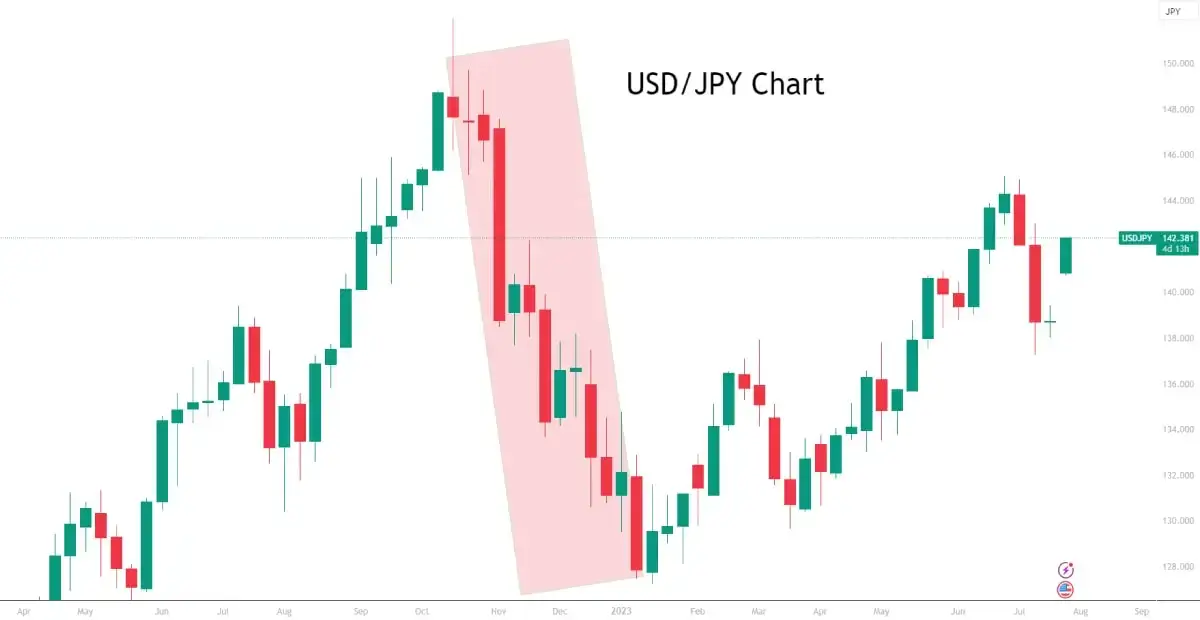
Volatility, which measures the size and frequency of a currency pair’s price fluctuations, is neither inherently good nor bad; it is a double-edged sword. On one hand, volatility is the very source of profit potential. Without price movement, it would be impossible to make money. A trader’s goal is to buy low and sell high, or vice versa, and the distance between those two points is created by volatility. Pairs with higher volatility, like GBP/JPY, can offer the chance to capture large profits in a short period. On the other hand, high volatility is also a direct measure of risk. A currency pair that can move 150 pips in your favor in an hour can just as easily move 150 pips against you. The key is not just the level of volatility but its predictability. The “best” pairs tend to have predictable volatility that is driven by scheduled economic events and news releases. This allows traders to anticipate periods of increased movement and plan their strategies accordingly. Erratic, unpredictable volatility is what traders should avoid, as it makes risk management nearly impossible. Therefore, a manageable level of volatility is ideal.
How Do Spreads Impact Trading Profitability?
The spread is the difference between the bid price (the price at which you can sell) and the ask price (the price at which you can buy) of a currency pair. It is the primary cost of placing a trade and directly impacts your profitability. You can think of it as a small commission paid to the broker for facilitating the transaction. Lower spreads are always better for traders, as they reduce the cost of doing business and make it easier to become profitable. For example, if the EUR/USD has a spread of 0.5 pips, the price needs to move only 0.5 pips in your favor for you to break even. If another pair has a spread of 5 pips, the market must move ten times as far in your direction before your trade becomes profitable. This difference is especially critical for short-term traders, such as scalpers and day traders, who execute dozens or even hundreds of trades a day. For them, a high spread can quickly erase any potential gains. Major currency pairs have the tightest spreads due to their high liquidity, making them the most cost-effective pairs to trade and giving traders a better chance at achieving long-term profitability.
What Are the Most Promising Minor Currency Pairs (Crosses) for 2025?
The most promising minor currency pairs for 2025 include EUR/JPY, GBP/JPY, and AUD/NZD, which offer unique trading dynamics without direct exposure to the US dollar. These “cross” pairs allow traders to take positions based on the relative economic strength of two major economies other than the United States, providing excellent opportunities for portfolio diversification. Let’s explore what makes these specific crosses so appealing.
Why Is EUR/JPY a Popular Cross Pair?
EUR/JPY is a popular cross pair because it serves as an excellent barometer of global risk sentiment. The Japanese Yen (JPY) is a traditional safe-haven currency, while the Euro (EUR) is often considered a riskier asset tied to global growth. This creates a powerful dynamic: during periods of market optimism and stability (“risk-on”), investors tend to sell the safe-haven JPY and buy the EUR, causing the EUR/JPY to rise. Conversely, during times of financial stress or uncertainty (“risk-off”), investors flock to the safety of the JPY, causing the EUR/JPY to fall. This predictable behavior provides a clear framework for traders to base their strategies on. The pair also boasts high liquidity, second only to the major pairs, which ensures tight spreads and reliable execution. Its volatility is higher than that of EUR/USD but generally smoother than what is seen in GBP/JPY, offering a good balance of profit potential and manageable risk. The pair is heavily influenced by policy decisions from the European Central Bank and the Bank of Japan, giving fundamentally-driven traders plenty to analyze.

What Trading Opportunities Does GBP/JPY Offer?
The GBP/JPY, often nicknamed “the beast” or “the dragon” by traders, offers unparalleled opportunities for those seeking high volatility. It is renowned for having one of the widest average daily ranges in the forex market. This means it can move hundreds of pips in a single day, creating substantial profit potential for traders who can correctly predict its direction. This extreme volatility stems from combining the inherent price swings of the British Pound with the safe-haven dynamics of the Japanese Yen. The result is a pair that can produce powerful and extended trends, making it a favorite among trend-followers and breakout traders. However, its immense volatility is also its greatest risk. A move that can generate huge profits can also lead to significant losses if the market turns against you. For this reason, GBP/JPY is best suited for experienced traders who have mastered risk management and can handle the psychological pressure of large price swings. For those who are well-prepared, the trading opportunities it presents are among the most lucrative available.

Is AUD/NZD a Predictable Pair to Trade?
AUD/NZD is often considered one of the more predictable pairs to trade due to the close and interconnected economies of Australia and New Zealand. Both nations are geographically close, have strong trade links, and their economies are heavily influenced by commodity prices and Asian economic performance. Because their economic fundamentals tend to move in tandem, the AUD/NZD exchange rate often remains within a relatively stable and predictable range over long periods. This behavior makes it an ideal candidate for range-trading, swing-trading, and mean-reversion strategies. Traders often look to sell the pair when it approaches historical resistance levels and buy it near historical support. Unlike highly volatile pairs like GBP/JPY, the AUD/NZD is known for its slower, more methodical movements. While it may not offer the explosive profit potential of other crosses, its predictability provides a different kind of opportunity. It is well-suited for traders who prefer a more systematic approach and are looking for consistent, smaller gains with lower associated risk.

Are Exotic Currency Pairs a Viable Option for 2025?
Exotic pairs can be a viable option for experienced traders seeking high returns, but they are not recommended for beginners due to their low liquidity, high spreads, and extreme volatility. These pairs involve one major currency, like the USD, paired with the currency of an emerging or developing economy, such as the Turkish Lira (TRY), Mexican Peso (MXN), or South African Rand (ZAR). To understand their viability, it’s essential to weigh their unique potential against their considerable risks.
The main attraction of exotic pairs is their potential for massive price movements. Economic or political news in an emerging market can cause its currency to fluctuate dramatically against the US dollar. A single news event, such as a central bank intervention or a political development, can trigger a move of several thousand pips in a very short time. For a well-positioned and highly capitalized trader, this can lead to extraordinary profits that are rarely seen in major or minor pairs. This high-reward scenario is what draws speculative traders to this corner of the forex market. They are looking for asymmetric risk-reward opportunities where the potential gain far outweighs the initial capital at risk.
However, the path to these profits is filled with significant obstacles. The most immediate challenge is low liquidity. Because fewer participants are trading these pairs, the market is much thinner. This means it can be difficult to enter and exit trades at your desired price. You are much more likely to experience slippage, where your order is filled at a worse price than you anticipated. Furthermore, this low liquidity leads directly to extremely wide spreads. The cost of simply opening a trade on an exotic pair can be 10 to 50 times higher than on a major pair like EUR/USD. This high transaction cost means the price has to move significantly in your favor just for you to break even, putting you at an immediate disadvantage.
The volatility in exotic pairs is also different from that of majors. While a pair like GBP/USD has high but often predictable volatility around news events, the volatility in exotics can be sudden, erratic, and difficult to forecast. It is often driven by political instability, which is inherently unpredictable. This makes traditional technical analysis less reliable, as chart patterns can be instantly invalidated by an unexpected government announcement. For 2025, any trader considering exotic pairs must have a deep fundamental understanding of the specific country’s economy and political landscape, a high tolerance for risk, and a robust risk management plan. For the vast majority of traders, focusing on the stability and reliability of major and minor pairs will be a more sustainable path to profitability.
What Advanced Factors Should Inform Your Choice of Currency Pairs?
Advanced factors like trading style compatibility, market session timing, currency correlation, and specific strategies such as carry trades should inform your choice of pairs. Furthermore, moving beyond basic liquidity and volatility helps you align your trading plan with the unique characteristics of different currency pairs for a more nuanced approach. Understanding these elements can be the difference between a reactive trading strategy and a proactive one tailored to your goals.
What Is the Difference Between Major, Minor, and Exotic Pairs?
The forex market categorizes currency pairs into three distinct groups based on their liquidity, trading volume, and the currencies involved. Major pairs always include the U.S. dollar and are the most heavily traded, such as EUR/USD or USD/JPY. Their high liquidity results in very tight spreads and predictable price action, making them popular with new and experienced traders alike. Minor pairs, or cross-currency pairs, feature two major currencies but exclude the U.S. dollar. Examples include EUR/GBP or AUD/JPY. They offer good liquidity but typically have slightly wider spreads than the majors. Finally, exotic pairs consist of one major currency paired with a currency from an emerging or smaller economy, like USD/MXN (U.S. Dollar vs. Mexican Peso) or EUR/TRY (Euro vs. Turkish Lira). These pairs have low liquidity, wide spreads, and are known for extreme volatility, presenting both high risk and high reward potential.

A simple way to compare these categories is by their core attributes:
- Major Pairs: Highest liquidity, lowest spreads, most stable, and heavily influenced by global economic news.
- Minor Pairs: Good liquidity, moderate spreads, and often influenced by regional economic trends between the two paired economies.
- Exotic Pairs: Low liquidity, highest spreads, most volatile, and susceptible to sudden political or economic shifts in the emerging market.
Which Currency Pairs Are Best Suited for Scalping vs. Swing Trading?
The ideal currency pair often depends on your trading style, as each strategy capitalizes on different market conditions. Scalping, a strategy focused on making numerous small profits from minimal price changes, requires extremely low transaction costs and high liquidity. For this reason, major pairs are the best choice. The EUR/USD is a favorite among scalpers due to its consistently tight spreads and immense trading volume, which allows for easy entry and exit. Other suitable pairs include USD/JPY and GBP/USD. Swing trading, on the other hand, involves holding positions for several days or weeks to profit from larger market swings. This style benefits from pairs with higher volatility and clear, sustained trends. Pairs like GBP/JPY, known for its wide daily trading range, offer substantial profit potential for swing traders who can tolerate the risk. Other good options include EUR/JPY and AUD/USD, which often exhibit strong trending behavior following major economic announcements.

The key distinction lies in what each strategy prioritizes:
- Scalpers need low spreads to protect their small profit margins, making major pairs essential.
- Swing Traders need volatility to create large enough price movements, making volatile minor or even exotic pairs attractive.
What Are the Best Forex Market Hours for Trading Major Pairs?
The best time to trade major pairs is during market session overlaps, when trading activity, liquidity, and volatility are at their highest. The forex market operates 24 hours a day across four main sessions: Sydney, Tokyo, London, and New York. While each session has its active pairs, the periods when two sessions are open simultaneously create the most favorable conditions. The London and New York session overlap, from 8:00 AM to 12:00 PM EST, is widely considered the prime trading window. During these four hours, both of the world’s largest financial centers are active, leading to massive trading volume in pairs like EUR/USD, GBP/USD, and USD/CHF. This high liquidity means traders can expect tighter spreads and reduced slippage, making it easier to execute trades at desired prices. The increased volatility also presents more profit opportunities as significant price movements are common. Another, less active overlap is between the Tokyo and London sessions, which is ideal for trading EUR/JPY and GBP/JPY.
Trading during these peak hours offers several advantages:
- High liquidity ensures that large orders can be filled without causing major price shifts.
- Increased volatility provides more opportunities for profit.
- Spreads tend to be at their tightest, lowering overall transaction costs.
How Does Currency Correlation Affect Trading Risk?
Currency correlation measures the degree to which two currency pairs move in relation to each other. Understanding this concept is essential for effective risk management. A positive correlation means two pairs tend to move in the same direction. For instance, EUR/USD and GBP/USD are positively correlated because both the Euro and the British Pound are heavily influenced by similar European economic factors and are both priced against the U.S. Dollar. A negative correlation means two pairs tend to move in opposite directions. A classic example is EUR/USD and USD/CHF, where the Swiss Franc often acts as a safe-haven currency when the Euro or U.S. Dollar shows weakness. Ignoring correlation can lead to unintentionally doubling your risk. If you open a long position on both EUR/USD and GBP/USD, you are effectively taking on twice the exposure to a potential decline in the U.S. Dollar’s value. A single negative economic report from the U.S. could cause both of your trades to lose money simultaneously.
To manage this risk, traders should:
- Avoid opening multiple positions on highly correlated pairs in the same direction.
- Use negative correlation to hedge positions; for example, a long EUR/USD position could be partially hedged with a long USD/CHF position.
- Regularly check a currency correlation matrix, as these relationships can change over time.
What Is a Carry Trade and Which Pairs Are Best for It?
A carry trade is an advanced strategy where a trader profits from the interest rate differential between two currencies. The concept involves borrowing a currency with a low interest rate and simultaneously buying a currency with a high interest rate. The trader’s profit comes from the net interest earned, which is typically paid daily as a “rollover” or “swap” credit by the broker. For this strategy to be successful, the exchange rate of the pair must remain stable or appreciate in favor of the high-yielding currency. Pairs historically popular for carry trades include AUD/JPY and NZD/JPY, as Japan has long maintained near-zero interest rates while Australia and New Zealand have offered higher rates. Looking ahead to 2025, pairs like USD/MXN could also be attractive, as Mexico’s central bank often sets high interest rates to combat inflation, contrasting with the policies of the U.S. Federal Reserve.

However, the carry trade is not without its risks:
- High volatility can quickly erase any gains from interest rate differentials. A sudden drop in the high-yielding currency’s value can lead to substantial capital losses.
- Interest rate policies can change, eliminating the profitability of a trade.
- This strategy performs best in low-volatility, risk-on market environments. During times of global uncertainty, investors often flee from high-yielding currencies to safe-haven assets, causing carry trades to unwind rapidly.