

Blog
Copy Trading vs Social Trading: What Are the Key Differences?

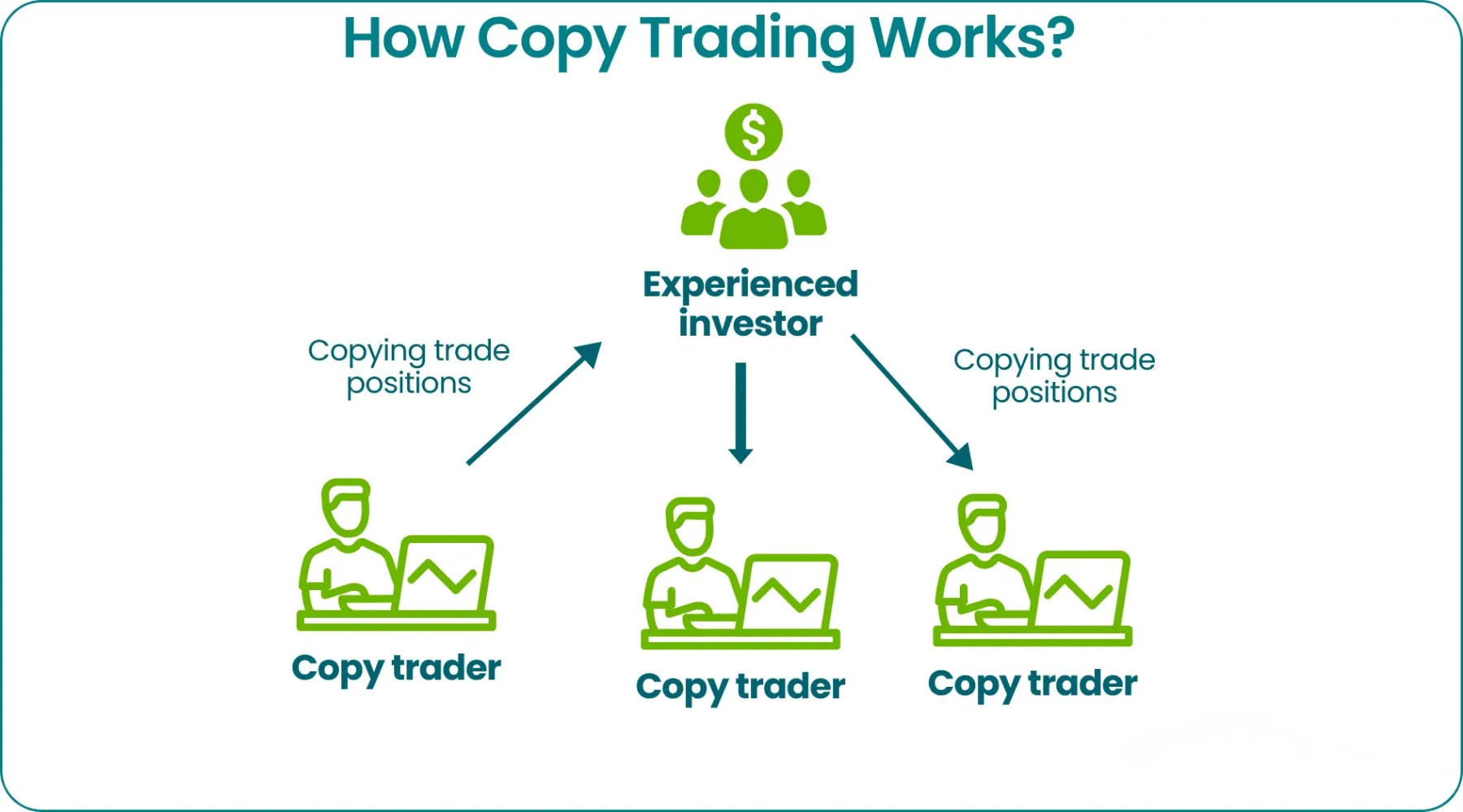
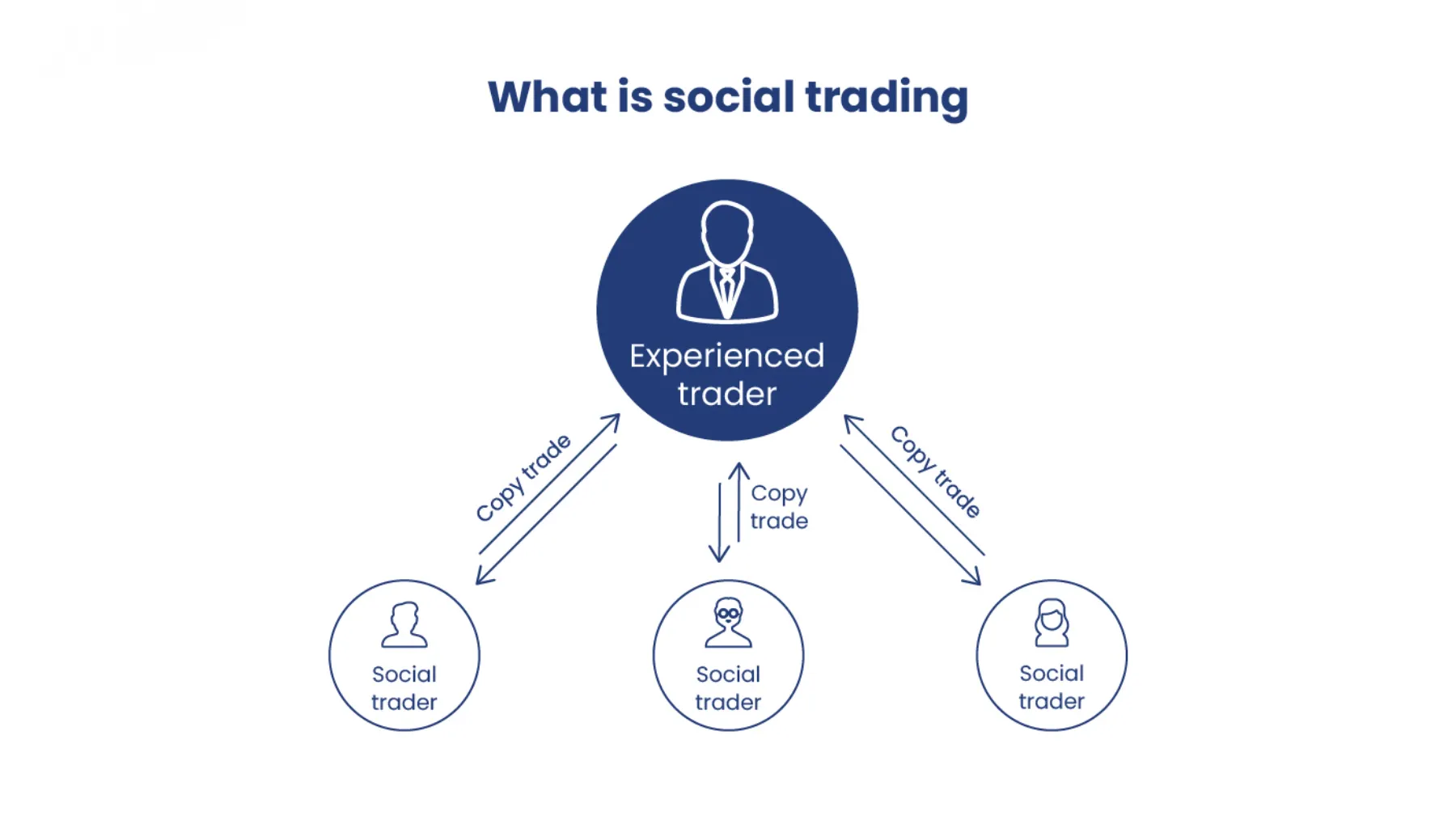
The core difference between copy trading and social trading is that copy trading is a specific, automated action of mirroring another trader’s positions, while social trading is a broader concept involving a community where traders share information and ideas. In essence, copy trading is about automatically “doing” what another trader does. Social trading is about “seeing” and “discussing” what other traders are doing, which can then lead to manual or automated trading decisions. It is a common setup for copy trading to exist as a feature within a larger social trading platform.
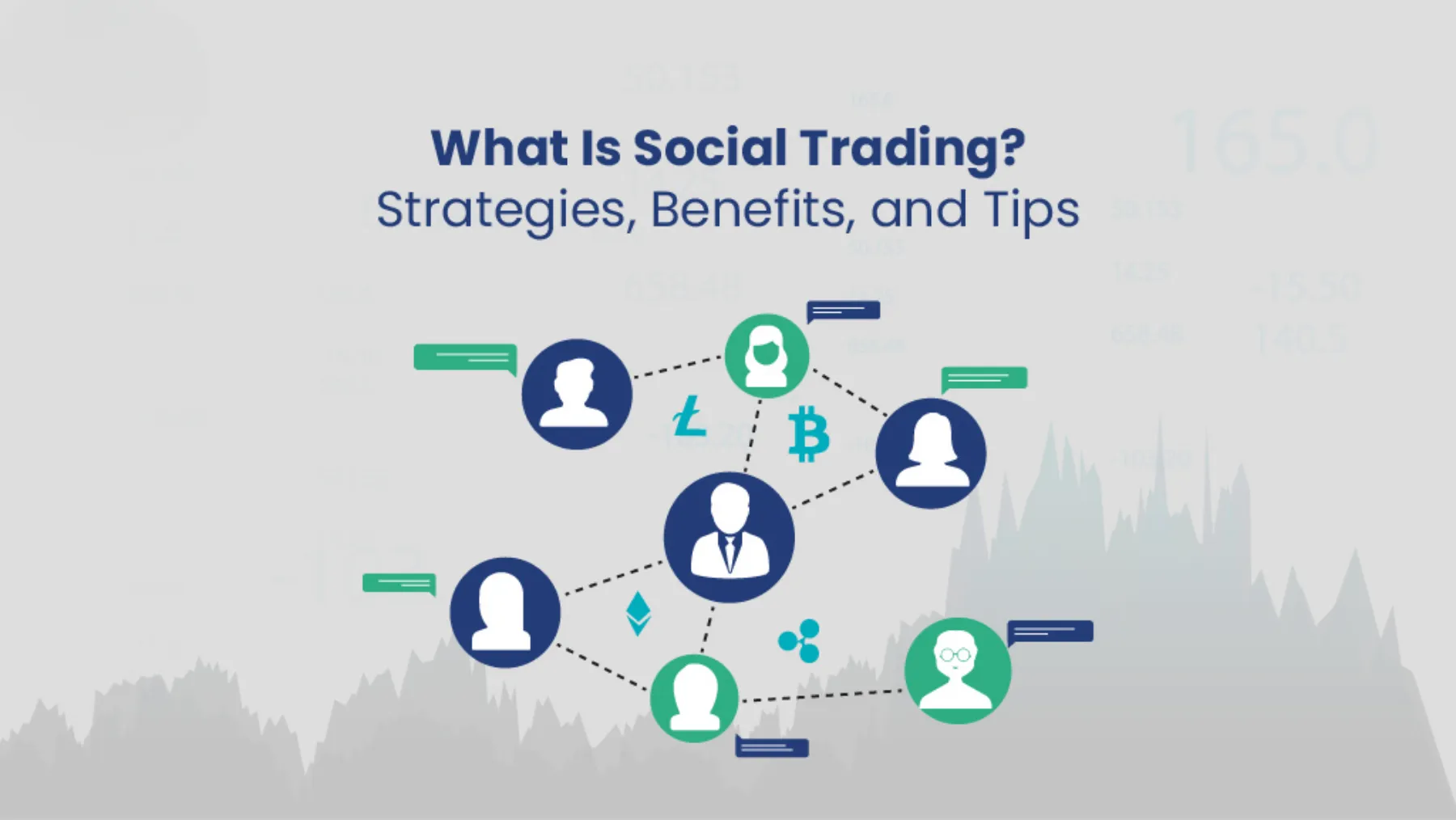
For many investors, copy trading is a feature found within social trading platforms, but social trading itself offers much more than just automated replication. Social trading platforms act like a financial social network, providing news feeds, forums, and detailed trader profiles. This allows you to learn from the community, understand market sentiment, and gather insights before making any move. Copy trading is simply one of the tools available in that ecosystem.
For those just starting out, copy trading often presents a more direct path due to its automated, hands-off nature, while social trading provides a valuable learning environment for developing independent skills. A beginner can use copy trading to participate in the markets immediately by leveraging the expertise of a seasoned professional. Meanwhile, they can use the social trading features of the same platform to observe discussions, study strategies, and gradually build their own market knowledge.
Ultimately, choosing between them depends on your personal goals. Are you looking for a passive investment strategy where you set it and forget it, or are you looking to become an active participant who learns from a network of peers? This guide will break down the mechanics, key differences, and unique benefits of each approach to help you decide which path is right for your financial journey.
What Is the Core Difference Between Copy Trading and Social Trading?
The core difference is that copy trading is an automated execution method, while social trading is a broad information-sharing ecosystem. To put it simply, copy trading is a function, and social trading is the environment where that function often exists. You can think of social trading as the entire social network, and copy trading as a “share” button that automatically duplicates a post on your own profile.
Let’s explore this distinction further. The fundamental separation comes down to action versus information. Copy trading is a direct command to your brokerage account: “Do exactly what that person does, with this portion of my money, until I say stop.” Social trading is more like joining a club. You get to see what everyone is talking about, look at the track records of the most respected members, and then decide what to do with that information.
| Feature | Copy Trading | Social Trading |
|---|---|---|
| Definition | A method to automatically replicate the trades of another investor in your own account. | A network where investors share strategies, discuss markets, and observe each other’s activity. |
| Automation | Fully automated. Trades are opened and closed without your manual input. | Primarily informational. Automation is optional through features like copy trading. |
| Interaction | Passive. Requires minimal to no interaction with the copied trader. | Active. Encourages discussion, questions, and community engagement. |
How Does Copy Trading Automate Trades?
Copy trading automates trades by creating a direct link between your account and the account of an experienced trader you choose to follow. Specifically, when you decide to copy a trader on a platform like eToro or NAGA, you allocate a certain amount of your capital to mirror their strategy. From that moment on, the platform’s software automatically executes every single trade they make in your account in real-time.
For instance, if the trader you are copying, let’s call her “Trader A,” uses 5% of her account equity to buy shares of Apple, the platform will automatically use 5% of your allocated copy trading funds to buy Apple shares for you. If she sets a stop-loss at a certain price point, your position gets the exact same stop-loss, scaled to your investment amount. When Trader A decides to close the position and take a profit, your position is closed simultaneously.
This process is entirely hands-off. You are not required to log in and approve each transaction. The goal is to perfectly replicate the performance of the copied trader, for better or worse. Your main decisions are made at the beginning: who to copy, how much money to risk, and when to stop copying. This one-to-one, automated mirroring is the defining characteristic of copy trading. It is a pure portfolio management tool designed for execution, not for learning or interaction.
How Does Social Trading Leverage Community Insights?
Social trading leverages community insights by creating a transparent environment where traders can observe, interact, and learn from each other. Think of it as a blend of a trading platform and a social media network like LinkedIn or Twitter. On platforms such as TradingView or the social feeds of brokerages, traders can share their market analysis, post charts with their predictions, and comment on financial news.
The process is built around information sharing. You can “follow” successful traders to see their posts and trade ideas appear in your feed. You can view their public profiles, which often display detailed performance statistics, risk scores, historical trades, and their current portfolio composition. This transparency allows you to vet potential traders and understand their strategies before ever risking a cent.
For example, you might follow a trader who specializes in cryptocurrencies. You could read their weekly analysis on Bitcoin, see the charts they post, and ask questions in the comments section. Other members of the community might chime in with their own opinions, creating a dynamic discussion. Based on all this gathered intelligence, you can then make a more informed decision. You might choose to manually place a similar trade yourself, or if the platform allows, you could then decide to use its copy trading feature to automatically follow that trader. In this way, social trading serves as the research and community hub that empowers your decisions.
What is Copy Trading?
Copy trading is a portfolio management tool where your investment account is set to automatically and proportionally mirror the real-time trades of another selected investor. This method allows individuals, especially those with limited time or market knowledge, to leverage the expertise of more seasoned traders. It is a form of automated trading where the strategy is not determined by an algorithm but by the live decisions of a human trader.
To understand this better, let’s break down its function as a direct management tool. When you engage in copy trading, you are essentially delegating the decision-making process for a portion of your portfolio. You are not just receiving trade signals or ideas; you are authorizing the platform to execute trades on your behalf. The system ensures that every action, from opening a position to setting risk management parameters like stop-loss and take-profit orders, is replicated instantly in your account.
The primary goal is to achieve the same returns as the copied trader. This makes it a popular choice for passive investors who want exposure to active trading strategies without performing the complex analysis themselves. The risk and reward are directly tied to the performance of the person you choose to copy. You remain in control of the overall capital allocation, meaning you decide how much to invest and can pause or stop the copying relationship at any time.
How Does the Copy Trading Process Work?
The copy trading process is designed to be straightforward, allowing you to get started in just a few steps. The main work is done upfront in selecting the right trader, after which the system takes over the execution. Here is a typical breakdown of the mechanism from start to finish.
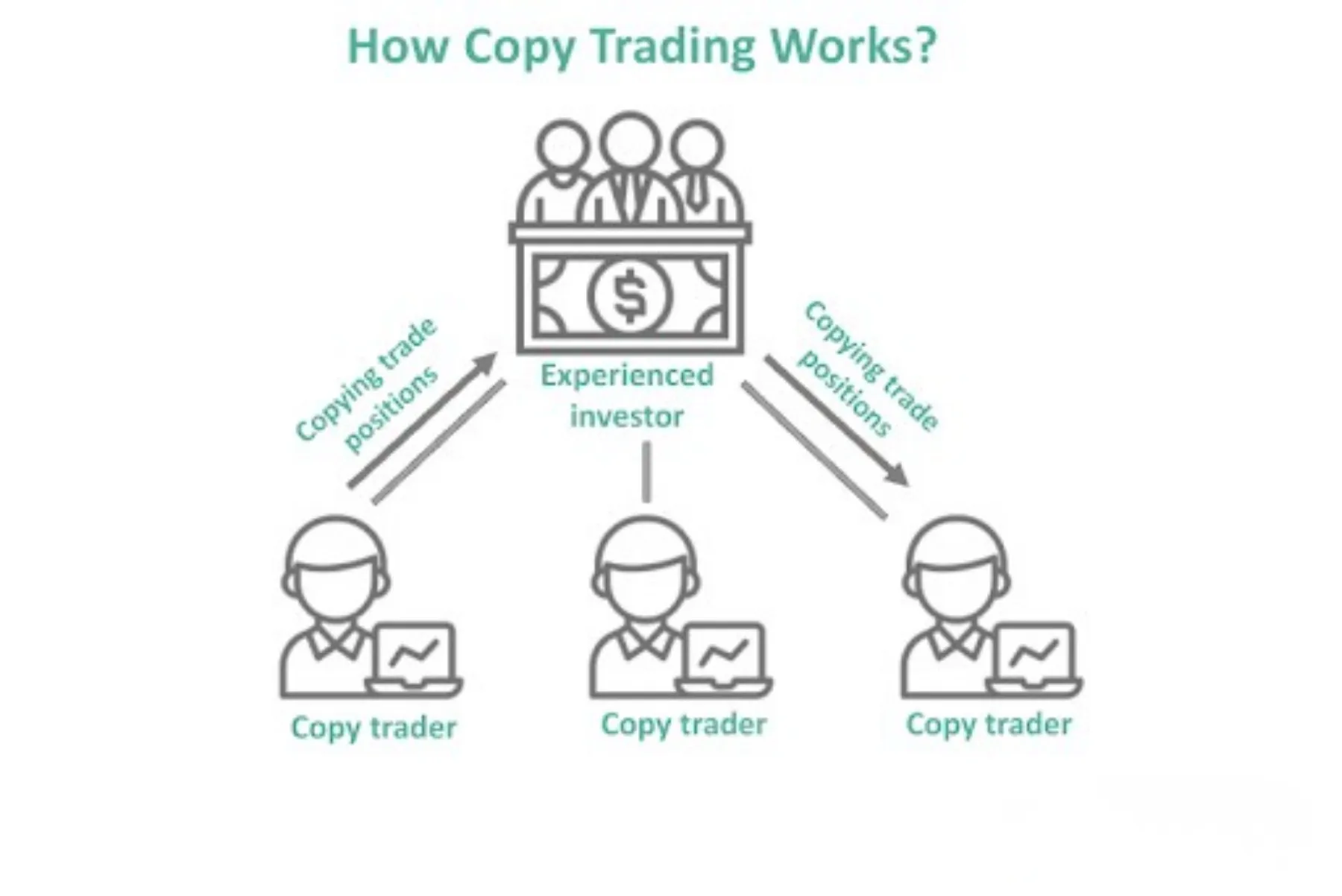
1. Select a Platform and Fund Your Account: The first step is to choose a brokerage that offers copy trading services. Well-known platforms include eToro, NAGA, and ZuluTrade. After opening an account and completing the verification process, you need to deposit funds that you will use for trading.
2. Find a Trader to Copy: This is the most critical step. Platforms provide extensive leaderboards and search tools to help you find traders. You can filter them based on various criteria, such as:
– Performance: Return on investment over different time periods (e.g., last month, last year).
– Risk Score: A proprietary rating calculated by the platform to indicate the trader’s risk level.
– Asset Classes: The types of markets they trade (e.g., stocks, crypto, forex).
– Number of Copiers: How many other users are currently copying them.
You can examine their full trading history, see every position they’ve opened and closed, and understand their overall strategy.
3. Allocate Your Funds: Once you have chosen a trader, you decide how much of your capital you want to allocate to copying them. For example, if you have $5,000 in your account, you might decide to allocate $1,000 to copy Trader A. The platform will use this $1,000 as the basis for all mirrored trades.
4. Automatic Trade Replication: After you confirm the allocation, the automation begins. From this point forward, every new trade the copied trader executes will be opened in your account proportionally. If they use 10% of their capital to open a trade, the system will use 10% of your allocated $1,000 (which is $100) to open the same trade for you. All risk management settings are also mirrored, ensuring your position behaves exactly like theirs. When they close the trade, your trade is closed as well, and any profit or loss is credited to your account.
What is Social Trading?
Social trading is an innovative form of investing that uses a social network-like environment to allow traders to share information, collaborate, and observe each other’s trading activities. It is built on the principles of crowdsourcing and transparency, essentially creating a collective intelligence hub for financial markets. Rather than trading in isolation, users can tap into the wisdom of the community to inform their own decisions.
In detail, a social trading platform functions much like a specialized social media site for investors. Users create profiles, post their market analysis, share trading ideas, and engage in discussions about economic news and trends. The key feature is the transparency of performance. Most platforms display verified trading statistics on user profiles, allowing everyone to see who is genuinely successful and who is not. This data-backed environment helps separate valuable insights from noise.
The core purpose of social trading is not just to copy others but to foster a space for learning and information exchange. A new trader can follow seasoned professionals, read their commentary on why they are taking a certain position, and ask questions. This transforms trading from a solitary activity into a collaborative one. While many social trading platforms offer copy trading as a feature, the overarching concept is much broader. It empowers users to make better manual trades by leveraging community insights, or to make more informed decisions about who to copy if they choose the automated route.
How Does the Social Trading Process Work?
The social trading process is interactive and centered around information gathering, making it a dynamic experience for users. It is less of a rigid, step-by-step mechanism and more of an ongoing cycle of learning, engaging, and acting. Here is how a typical user might navigate a social trading platform.
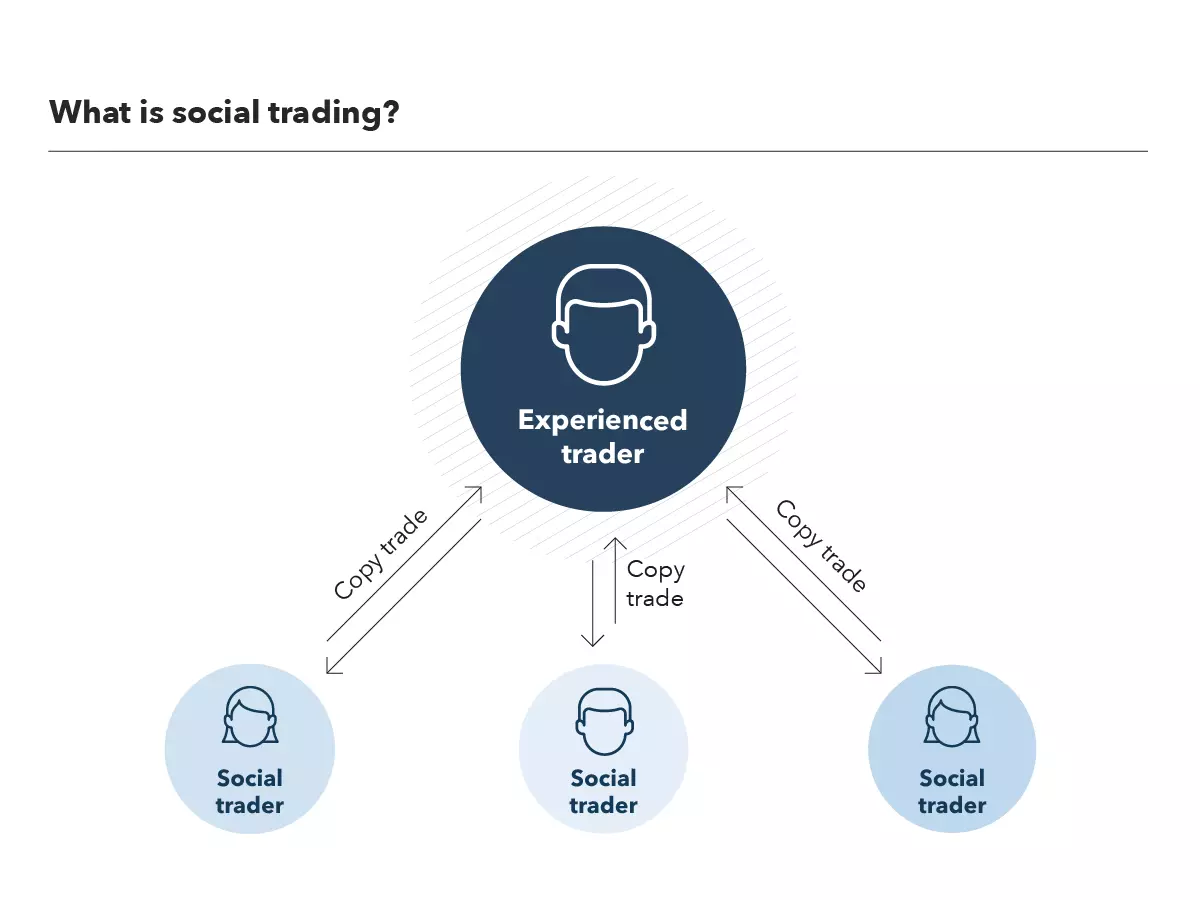
1. Create a Profile and Build Your Feed: Just like on Twitter or Facebook, you start by setting up a profile. Then, you begin to follow other traders. You might follow top-performing investors, analysts who specialize in a market you are interested in (like technology stocks), or even friends. This curates a personalized news feed filled with trading ideas, market analysis, and relevant financial news from the people you trust.
2. Observe and Analyze Performance: The heart of social trading is transparency. You can click on any user’s profile to see their detailed and verified trading history. Platforms like TradingView or eToro provide charts showing their monthly and yearly returns, a breakdown of the assets they trade, their risk score, and their average trade duration. This allows you to objectively assess their skills and determine if their trading style aligns with your own risk tolerance.
3. Participate in Community Discussions: Social trading is not a passive activity. You can actively participate by commenting on posts, asking questions in forums, and sharing your own ideas. For instance, if a popular trader posts an analysis of an upcoming earnings report for a company like NVIDIA, you can join a discussion thread to see what others in the community think. This collaborative environment helps you understand different perspectives and build confidence in your trading ideas.
4. Act on the Information: After gathering insights, you have several options.
– Manual Trading: You can use the knowledge you have gained to manually open and manage your own trades.
– Copy Trading: If you are particularly impressed with a trader’s strategy and consistent performance, you can choose to automatically copy their trades using the platform’s integrated feature.
– Hybrid Approach: Many users do both. They might manually trade assets they feel confident about while also allocating a portion of their portfolio to copy a few expert traders in markets they are less familiar with.
How Do Copy Trading and Social Trading Compare Directly?
Copy trading and social trading differ most in their levels of automation, required community interaction, and the underlying strategic goal for the user. While they are often connected, with copy trading frequently offered as a tool on social trading platforms, their core functions serve very different purposes. Copy trading is a direct execution strategy, whereas social trading is an information and learning strategy.
To understand this better, let’s look at their practical implications. If your primary goal is to have a portion of your capital managed passively by mirroring an expert, copy trading provides a direct, hands-off solution. Conversely, if your goal is to develop your own trading skills, understand market sentiment, and make informed independent decisions, the community and informational resources of social trading are what you need. One is about delegation, and the other is about empowerment.
What Is the Difference in Automation and Control?
The difference in automation and control is one of the most significant distinctions between copy trading and social trading. Copy trading is defined by its high degree of automation and correspondingly low level of direct, moment-to-moment control. Once you select a trader and allocate your funds, the system takes over completely. Every trade is executed automatically without needing your approval. Your control is exercised at a high level: choosing who to copy, setting the total amount to risk, and deciding when to stop the process. You are not involved in the individual trading decisions, which is ideal for a passive investor.
In contrast, social trading offers variable automation and a much higher degree of user control. Its primary state is manual. You consume information from the community feed, analyze different traders’ strategies, and then decide whether to act. You have complete control over every aspect of your trades: the entry price, the position size, and when to exit. Automation, through a copy trading feature, is an option you can choose to activate. This makes social trading more flexible. You can use it as a pure information source to improve your own manual trading, or you can selectively automate parts of your portfolio by copying others, giving you a mix of active control and passive execution.
What Is the Difference in Community Interaction?
The approach to community interaction is fundamentally different between the two concepts. Copy trading is an inherently passive model that requires almost no community interaction. The relationship between you and the trader you copy is purely transactional. You are following their performance, not engaging in a conversation with them. While you might read their bio or look at their stats, the core function of copying their trades works perfectly without any communication. The focus is entirely on the end result of replicating their portfolio’s returns. It is a solitary activity from an interaction standpoint.
Social trading, on the other hand, is built entirely around active, collaborative community interaction. Its value comes from the exchange of ideas, discussions, and shared knowledge. Platforms are designed to encourage engagement through features like comments, forums, and direct messaging. You can ask a trader why they made a particular move, debate a market forecast with other community members, or share your own analysis to get feedback. This constant flow of communication creates a rich learning environment. The goal is not just to see what people are doing but to understand why they are doing it, making it a deeply social and interactive experience.
What Is the Difference in Information Strategy?
The information strategy distinguishes copy trading as a “do-what-they-do” approach, while social trading is a “learn-what-they-know” approach. With copy trading, the information you use is limited to a trader’s past performance statistics. Your decision is based on historical data like their return on investment, risk score, and drawdown. You are essentially trusting that their past success will continue, without necessarily needing to understand their specific strategy or day-to-day analysis. The strategy is to find a successful person and replicate their actions.
Social trading promotes a much deeper information strategy. It is designed to help you learn and develop your own trading acumen. You have access to a wealth of qualitative information, not just quantitative stats. You can read detailed market analysis from experts, see the charts and technical indicators they use, and understand their rationale for entering or exiting a trade. This allows you to move beyond simply copying and start making your own independent, well-informed trading decisions. Over time, an active participant in a social trading community can evolve from a follower into a knowledgeable trader in their own right.
What Else Should You Know About Copy and Social Trading?
Beyond the basic definitions, traders should understand the specific pros, cons, risks, and profitability potential of both copy and social trading to make an informed decision. Additionally, it is useful to distinguish these methods from related concepts like mirror trading and determine which approach best suits different types of beginners.
What are the Pros and Cons of Copy Trading?
Copy trading offers a direct path to market participation, but it comes with a distinct set of advantages and disadvantages. The primary benefit is its passive nature, allowing you to automate your trading activities completely. This saves a tremendous amount of time that would otherwise be spent on market analysis and chart monitoring. You also gain immediate access to the expertise of seasoned traders whose strategies might have taken years to develop. This can be an excellent way to diversify your portfolio without needing deep knowledge of every asset class.
However, the disadvantages are equally important. The main drawback is a lack of control. Since trades are replicated automatically, you are placing your capital entirely in another person’s hands. This leads to the risk of total replication, where a series of bad trades from the master trader can swiftly deplete your account. Finally, watch out for hidden fees. Some platforms charge commissions, spread markups, or subscription fees that can eat into your profits over time, making it less profitable than it initially appears.
What are the Pros and Cons of Social Trading?
Social trading builds on the concept of transparency and community, offering unique benefits but also introducing its own set of challenges. One of its greatest strengths is its educational value. By observing discussions, analyzing shared charts, and reading market sentiment from experienced community members, you can learn trading concepts much faster than studying alone. The inherent transparency of most social trading platforms, like eToro or NAGA, allows you to see the logic behind trades, not just the results. This community aspect also provides emotional and practical support, which can be invaluable during volatile market periods.
On the other hand, the constant stream of information can lead to information overload, making it difficult to distinguish valuable insights from noise. A major psychological risk is the “herd mentality,” where traders follow popular opinion without doing their own analysis, often leading to poor decisions. Perhaps the biggest danger is the potential for unqualified advice. Many voices on a social platform are not professional traders, and following their suggestions without verification can be a recipe for financial loss.
Which is Better for Forex Beginners, Copy or Social Trading?
Choosing between copy and social trading depends entirely on a Forex beginner’s goals and desired level of involvement. A simple decision-making framework can help you decide which path is more suitable for your trading journey.

- Choose copy trading if you are a passive investor. If your primary goal is to allocate capital and let an expert manage it without your daily input, copy trading is the superior choice. It is designed for individuals with limited time or interest in learning the complexities of Forex analysis. You are essentially outsourcing the decision-making process.
- Choose social trading if you want to learn and grow. If your goal is to eventually become an independent trader, social trading offers a much richer learning environment. You can interact with others, ask questions, and see the reasoning behind different strategies. It acts as a stepping stone, allowing you to learn from the community while making your own informed decisions.
For many beginners, a hybrid approach works best. You could start with copy trading to get your feet wet and then gradually engage with the social features to build your own skills.
What are the Main Risks Involved in Both Trading Styles?
While distinct, copy and social trading share several fundamental risks that every user must understand and manage. The most obvious is market risk. No matter how skilled a trader is, they cannot control unpredictable market events like geopolitical news or sudden economic shifts. If the market moves against a copied trader’s position, your account will suffer the same losses. Another shared danger is liquidity risk, which occurs when you cannot exit a position at the desired price due to a lack of buyers or sellers. This is particularly relevant in less common currency pairs.

Perhaps the most unique risk to these styles is following a trader whose strategy suddenly fails. A strategy that performed well in the past is no guarantee of future success. The trader you follow could change their approach, become overconfident after a winning streak, or fail to adapt to new market conditions. This “strategy risk” means you must continuously monitor the performance of those you follow and be prepared to stop copying them if their results or behavior change for the worse.
Is Copy Trading the Same as Mirror Trading?
Although the terms are often used interchangeably, copy trading is not the same as mirror trading. There is a subtle but important difference between the two concepts that relates to what is actually being replicated.

- Mirror trading typically involves replicating a trading strategy rather than a person. You select a strategy, often based on specific rules or algorithms, and your account automatically executes trades whenever the strategy’s signals are generated. The focus is on the automated system and its predefined parameters. For example, you might “mirror” an algorithm that trades the EUR/USD pair based on moving average crossovers.
- Copy trading, in contrast, involves replicating the exact trades of a specific person. You choose a trader based on their performance history, risk profile, and trading style. Your account then directly copies every trade they execute in real time, including their entry points, stop losses, and take profits. The focus is on human discretion and expertise.
In short, mirror trading follows a set of rules or an algorithm, while copy trading follows a human trader.
Can You Make Consistent Profits with Copy and Social Trading?
It is possible to make consistent profits with both copy and social trading, but it is by no means guaranteed and requires careful effort. Success is not as simple as picking the trader with the highest past returns and letting the system run. Consistent profitability depends heavily on three key factors.

First is trader selection and diversification. Instead of putting all your capital behind one trader, it is wiser to diversify across several traders with different strategies and risk profiles. This helps cushion your portfolio if one trader experiences a downturn. Second is your own risk management. You must set your own parameters, such as the amount of capital to allocate per trader and your overall stop loss level. Never risk more than you can afford to lose. Finally, your platform choice matters. Reputable, regulated platforms like eToro or ZuluTrade provide transparent performance metrics and tools to help you evaluate traders properly, reducing your risk of falling for misleading statistics. Ultimately, consistent profits come from diligent research and disciplined management, not from luck.