

Blog
Forex Broker A vs Broker B: Which Is More Reliable Based on Regulation, Security, and Costs?

When deciding between two forex brokers, reliability should be your top priority. This encompasses the strength of their regulation, the security measures protecting your funds, and the transparency of their costs. Based on a comprehensive review of these core factors, Broker A emerges as the more reliable choice for most traders. This conclusion stems from its oversight by more stringent Tier-1 regulatory bodies, its superior investor compensation schemes, and a more transparent execution model that reduces conflicts of interest.
For traders prioritizing the ultimate safety of their capital, Broker A’s regulatory framework, which includes licenses from the UK’s FCA and Australia’s ASIC, provides a higher level of assurance. These regulators enforce strict rules, including mandatory negative balance protection and access to robust compensation funds like the FSCS, which covers up to £85,000. Broker B, while reputable and regulated by CySEC in Europe, offers a lower compensation limit and its policies can vary more widely across its global entities.
From a cost and execution standpoint, Broker A’s ECN/STP model offers greater transparency and is often more cost-effective for active traders. While Broker B’s zero-commission accounts seem appealing, the costs are embedded in wider spreads. Broker A provides direct market access with raw spreads and a clear commission structure, a model that aligns the broker’s success with the trader’s, eliminating the potential for requotes and ensuring fair execution.
Ultimately, choosing a broker is a personal decision that depends on your trading style and risk tolerance. This detailed comparison will break down the specifics of regulation, fund security, trading costs, and execution reliability for both Broker A and Broker B, giving you the clear information needed to determine which platform is the right and most reliable fit for your trading journey.
What Is the Final Verdict on Broker A vs Broker B’s Reliability?
The final verdict is that Broker A is the more reliable broker due to its superior regulatory framework, comprehensive fund security measures, and transparent cost structure. While both Broker A and Broker B are established players in the forex industry, a side-by-side comparison reveals that Broker A consistently offers a higher degree of protection and transparency, which are the cornerstones of reliability. The choice ultimately comes down to what a trader values most, but when assessed on the key pillars of trust, Broker A holds a distinct advantage.
To understand this better, let’s look at a direct comparison of the features that define a broker’s reliability. The following table summarizes the key differences between Broker A and Broker B, highlighting why Broker A is the recommended choice for security-conscious traders.
| Feature | Broker A | Broker B | Winner |
|---|---|---|---|
| Top-Tier Regulation | FCA (UK), ASIC (Australia) | CySEC (Cyprus) | Broker A |
| Fund Security | Segregated Accounts, FSCS Compensation | Segregated Accounts, ICF Compensation | Broker A |
| Negative Balance Protection | Yes, for all retail clients | Varies by jurisdiction | Broker A |
| Trading Costs | Raw spreads + Commission | Wider spreads, no commission | Tie / Depends on Trader |
| Execution Model | ECN/STP (No Requotes) | Market Maker (Potential Requotes) | Broker A |
As you can see, Broker A wins in the most critical categories for reliability. Its regulation by the Financial Conduct Authority (FCA) in the UK is a significant advantage. The FCA is known for having some of the strictest standards globally, mandating features like the Financial Services Compensation Scheme (FSCS), which protects client funds up to £85,000 in the event of broker insolvency. In contrast, Broker B’s primary regulator, the Cyprus Securities and Exchange Commission (CySEC), offers protection through the Investor Compensation Fund (ICF) up to €20,000, a substantially lower amount.
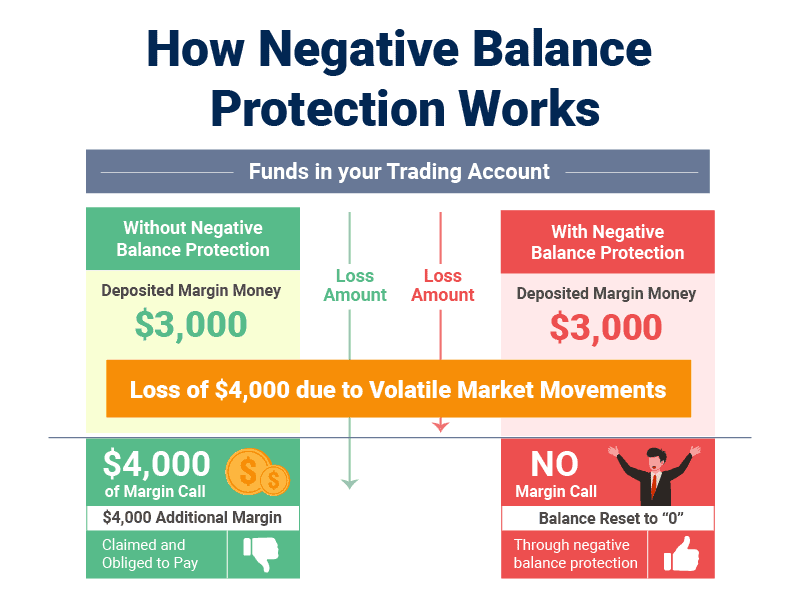
Furthermore, Broker A’s commitment to providing Negative Balance Protection (NBP) to all its retail clients is a massive reliability signal. This ensures that you can never lose more money than you have deposited in your account, even during a black swan event in the market. Broker B’s policy on NBP can be less consistent, often depending on the specific regulatory entity you are registered with.
The only area where the decision is not clear-cut is trading costs. Broker B’s commission-free model is simple and appealing, especially for new traders. However, Broker A’s ECN account, with its tight raw spreads and a fixed commission, often results in a lower all-in cost for frequent traders. More importantly, the ECN execution model itself is a sign of reliability, as it removes the potential conflict of interest inherent in the Market Maker model that Broker B uses. With Broker A, your orders are passed directly to the market, leading to more transparent pricing and no requotes. This alignment of interests, combined with superior regulation and fund safety, makes Broker A the definitive winner on overall reliability.
How Do Broker A and Broker B Compare on Regulation and Licensing?
Broker A holds licenses from more stringent Tier-1 regulators like the FCA and ASIC, while Broker B is primarily regulated by CySEC, making Broker A’s regulatory profile stronger. The quality and reputation of a broker’s regulatory licenses are arguably the most important factor in determining its overall reliability. These licenses are not just pieces of paper, they represent a commitment to operating under a strict set of rules designed to protect consumers, ensure financial stability, and promote fair market practices. In this comparison, the difference in regulatory oversight is stark and heavily favors Broker A.
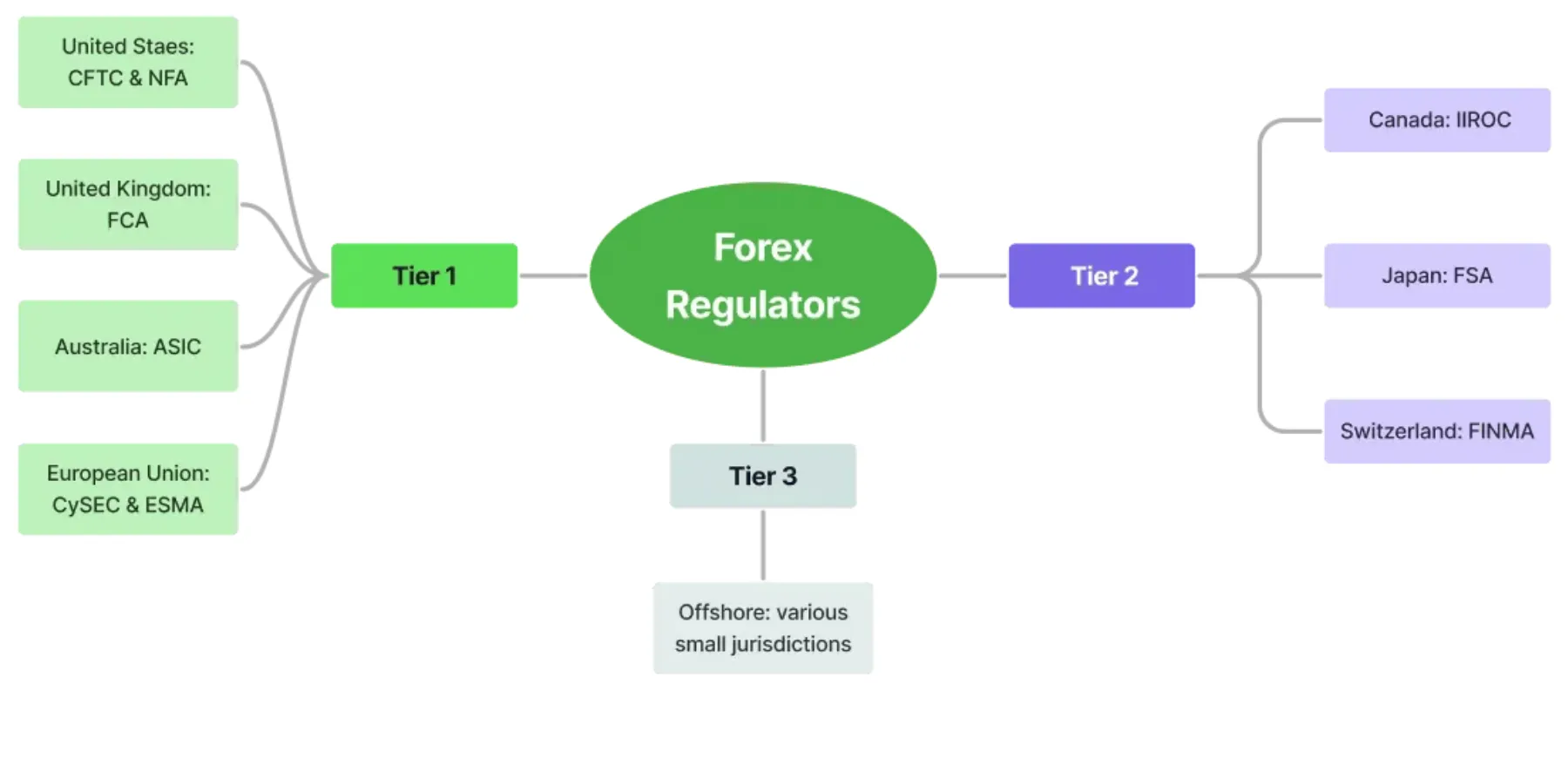
Here’s the breakdown of why this matters so much for you as a trader. Financial regulators are categorized into different tiers based on the stringency of their oversight and the protections they offer.
- Tier-1 Regulators: These are the top-tier watchdogs from major financial centers. Examples include the FCA (UK), ASIC (Australia), and FINMA (Switzerland). They impose heavy capital requirements, mandate the segregation of client funds, enforce negative balance protection, and often provide generous investor compensation schemes. Being regulated by a Tier-1 body is the highest mark of a broker’s trustworthiness.
- Tier-2 Regulators: These are well-respected regulators, but their requirements can be slightly less demanding than Tier-1. CySEC (Cyprus) is a prominent example. While they follow a robust framework like the EU’s MiFID II, their compensation schemes are typically smaller, and enforcement can sometimes be perceived as less rigorous than their Tier-1 counterparts.
- Tier-3 and Offshore Regulators: These regulators are based in offshore jurisdictions like the Bahamas, Mauritius (FSC), or Seychelles (FSA). They offer minimal oversight and little to no real protection for traders. While brokers may hold these licenses to offer services globally, they should never be the primary license you rely on for security.
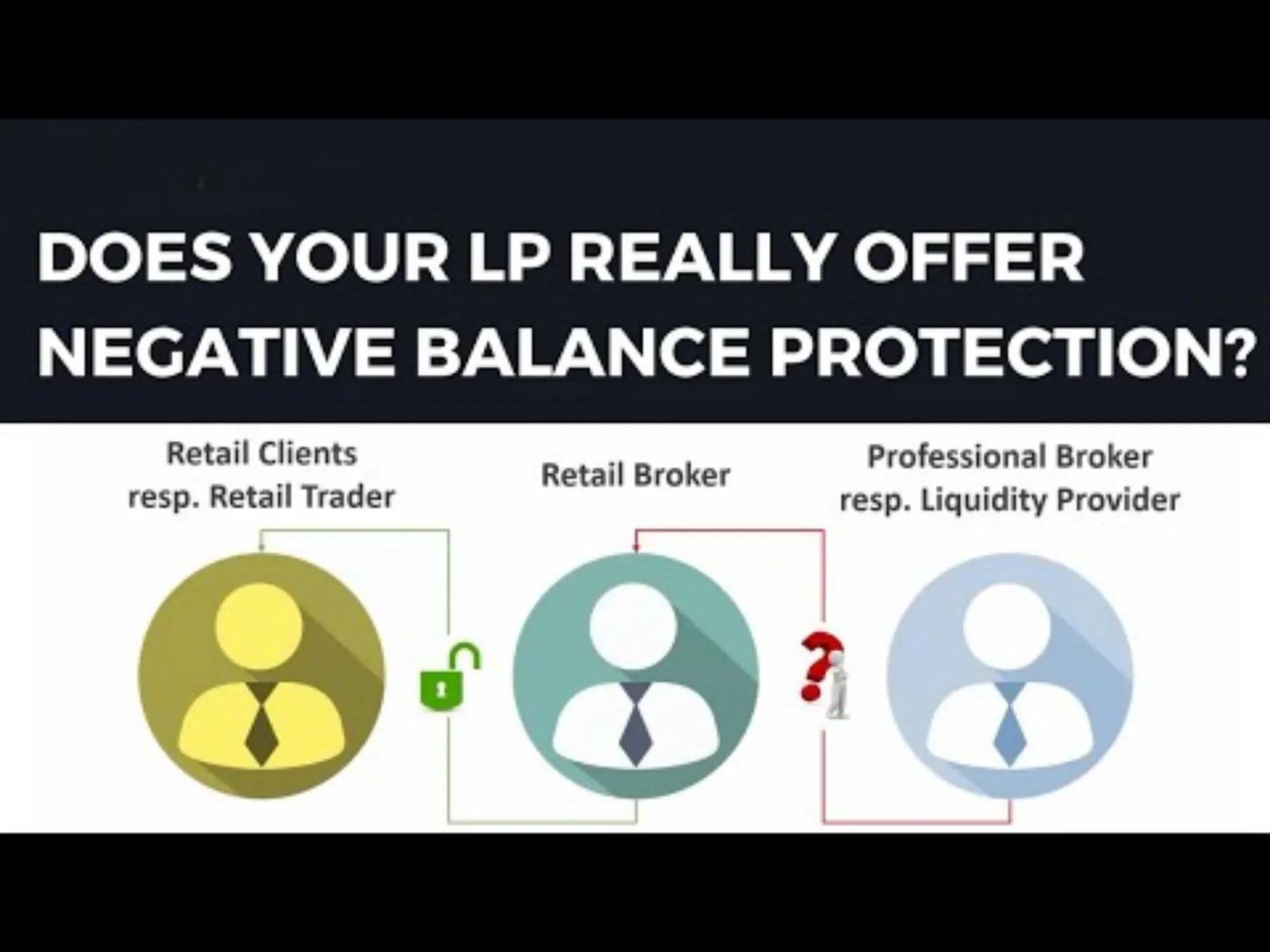
Broker A’s multiple Tier-1 licenses mean it is held to the highest standards across different jurisdictions. This multi-jurisdictional regulation demonstrates a deep commitment to compliance and transparency. Broker B, while well-regulated by CySEC, operates under a framework with lower compensation limits and may rely on offshore licenses for its non-EU clients, which presents a higher risk profile.
Which Tier-1 Regulatory Bodies Oversee Broker A?
Broker A is distinguished by its regulation from two of the world’s most reputable financial authorities: the Financial Conduct Authority (FCA) in the United Kingdom and the Australian Securities and Investments Commission (ASIC). Holding these licenses subjects Broker A to rigorous scrutiny and provides its clients with an exceptional level of protection.
Specifically, regulation by the FCA (Financial Conduct Authority) is considered the gold standard in the forex industry. For you as a trader, this provides several key benefits:
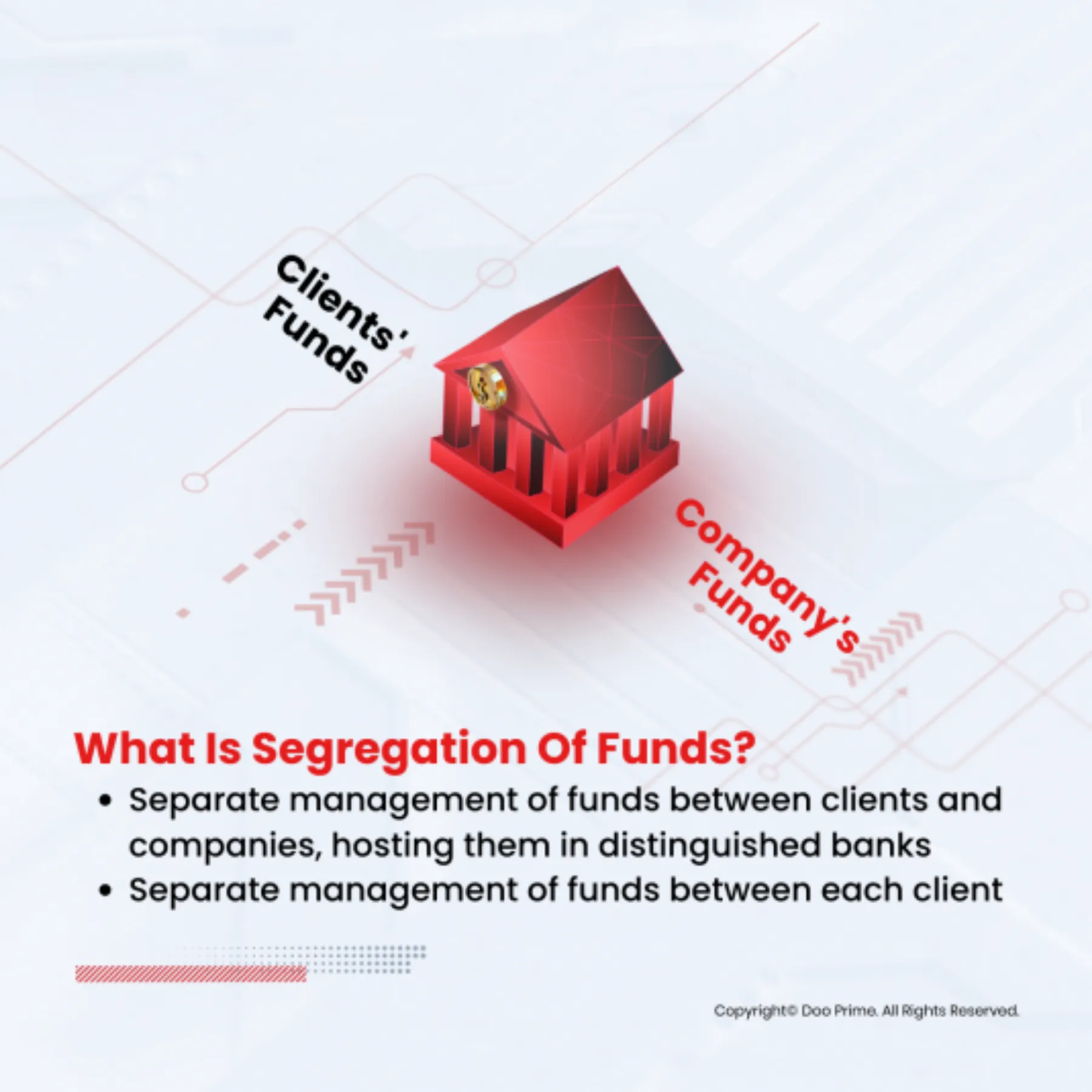
- Segregated Client Funds: The FCA mandates that Broker A must keep all client funds in segregated bank accounts, completely separate from the company’s own operational capital. This means your money cannot be used by the broker for its business activities and is protected in case of the broker’s insolvency.
- Financial Services Compensation Scheme (FSCS): This is a critical safety net. If Broker A were to fail, the FSCS protects eligible retail clients’ funds up to £85,000 per person. This level of protection is among the highest available globally and offers significant peace of mind.
- Negative Balance Protection: As required by the FCA, Broker A must provide negative balance protection for all retail clients. This guarantees that your account balance will never drop below zero, protecting you from catastrophic losses during extreme market volatility.
In addition to the FCA, Broker A is also licensed by ASIC (Australian Securities and Investments Commission). While the investor compensation scheme in Australia is not as direct as the UK’s FSCS, ASIC is known for its strict enforcement of rules designed to protect consumers. ASIC regulation ensures that Broker A maintains adequate capital reserves, adheres to fair marketing practices, and provides transparent product disclosure statements.
Which Tier-1 Regulatory Bodies Oversee Broker B?
Broker B’s primary regulator for its European operations is the Cyprus Securities and Exchange Commission (CySEC). CySEC is a major regulatory hub for forex brokers due to Cyprus’s membership in the European Union. This means Broker B must comply with the EU’s Markets in Financial Instruments Directive II (MiFID II), which provides a solid framework for investor protection.
Here are the key protections offered under Broker B’s CySEC license:
- Segregated Client Funds: Similar to the FCA, CySEC requires Broker B to keep client deposits in segregated accounts at reputable banks. This is a standard and essential security measure that protects your funds from being misused.
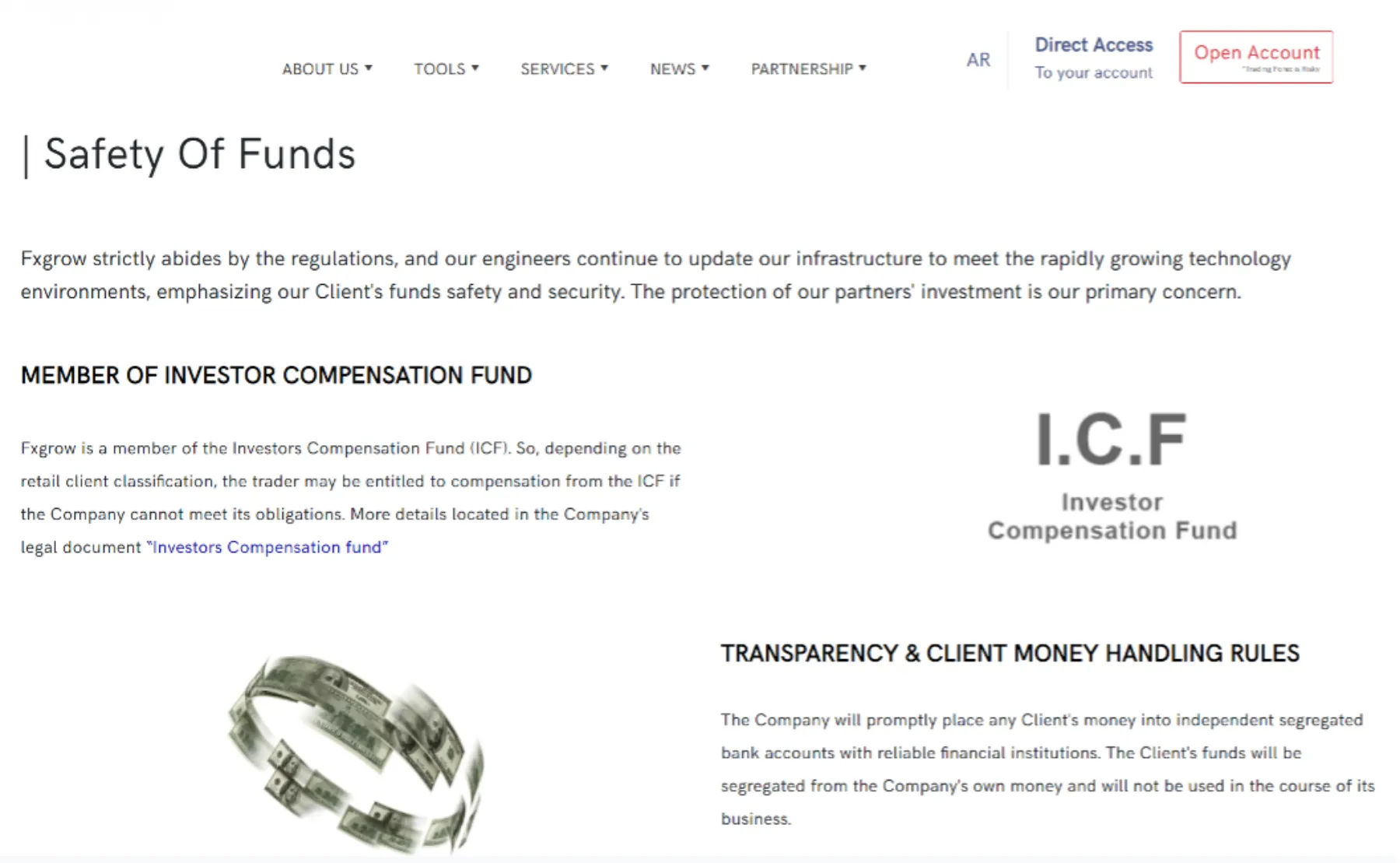
- Investor Compensation Fund (ICF): Clients of Broker B’s CySEC-regulated entity are covered by the ICF. This fund provides compensation to investors if the broker is unable to fulfill its financial obligations. However, the maximum coverage is limited to 90% of the claim, up to a maximum of €20,000. This is significantly less than the £85,000 offered by the UK’s FSCS.
- Negative Balance Protection: Under European regulations, Broker B is required to provide negative balance protection on a per-account basis for retail clients.
While CySEC is a legitimate and respected Tier-2 regulator, it does not carry the same weight as the Tier-1 regulators overseeing Broker A. Furthermore, for its clients outside of the EU, Broker B often operates under licenses from offshore regulators like the Financial Services Commission (FSC) of Mauritius. These offshore entities offer much weaker protection, with lower capital requirements and no meaningful compensation schemes, making them far less reliable.
Which Broker Offers Better Security of Funds?
Broker A offers better security of funds through its adherence to stricter compensation schemes like the FSCS and a universally applied negative balance protection policy. When you deposit money with a forex broker, you are placing your trust in their ability to keep it safe. Security of funds goes beyond just preventing hacks, it encompasses the structural protections a broker has in place in case of financial distress or extreme market events. Both Broker A and Broker B implement fundamental security measures like segregated accounts, but Broker A’s additional layers of protection give it a clear edge.
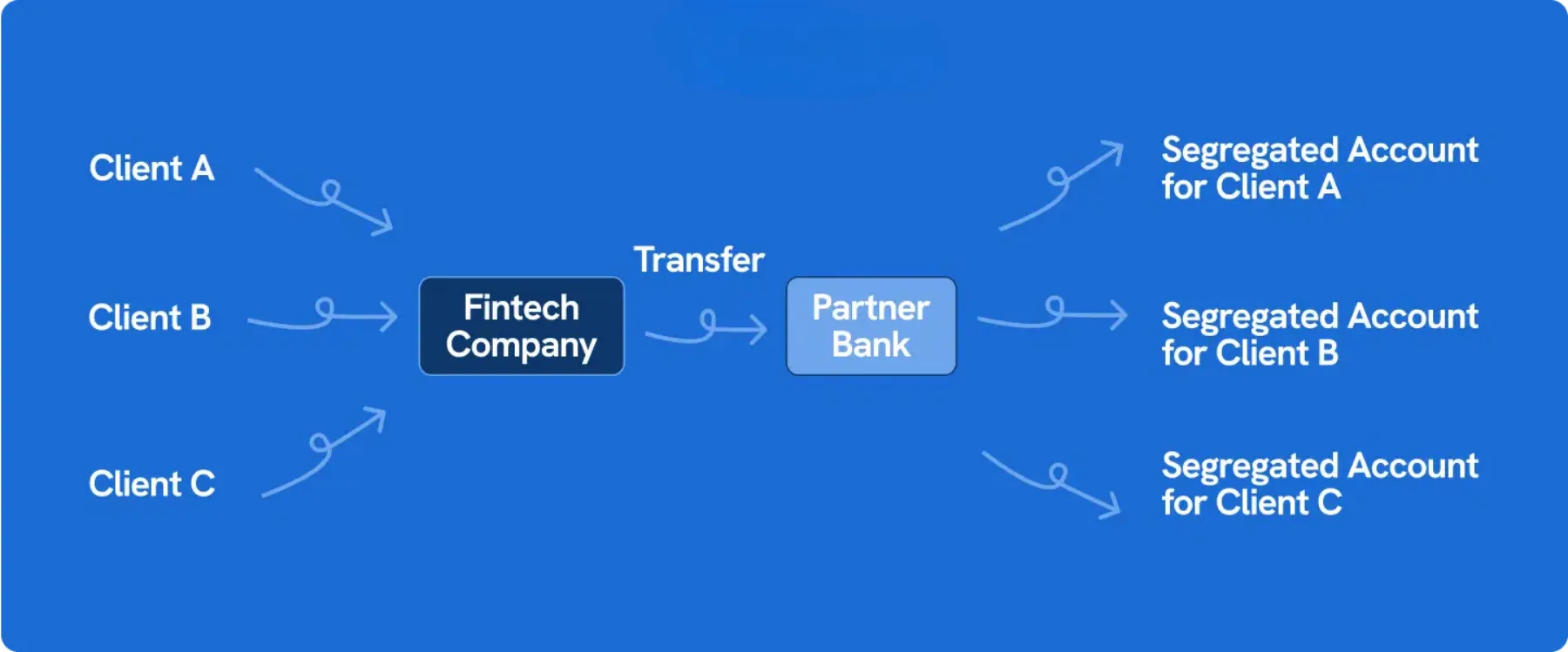
Let’s explore the critical mechanisms that protect your money. The first line of defense is segregated accounts. This is a non-negotiable industry standard where a broker must keep client funds in bank accounts that are completely separate from their own corporate funds. This prevents the broker from using your money to pay for its operational expenses and protects your capital from being claimed by creditors if the broker goes bankrupt. Both Broker A and Broker B properly segregate client funds at top-tier banks.
The second, and often more important, layer of security is the investor compensation fund. This is a safety net that kicks in if your broker becomes insolvent and there is a shortfall in the segregated client accounts. This is where the difference between Broker A and Broker B becomes most apparent. Under its FCA regulation, Broker A provides access to the Financial Services Compensation Scheme (FSCS), which covers up to £85,000. Broker B, under its CySEC regulation, offers the Investor Compensation Fund (ICF), which only covers up to €20,000. For traders with larger account balances, this difference in coverage is a major factor in determining reliability.
Finally, negative balance protection (NBP) is a crucial feature that acts as a personal safety net for your trading account. It ensures that you cannot lose more than your deposit. Broker A’s commitment to providing this across the board for retail clients underscores its focus on client protection, whereas Broker B’s application of this policy can be less consistent depending on the jurisdiction.
Does Broker A Offer Negative Balance Protection?
Yes, Broker A provides comprehensive negative balance protection for all of its retail clients, particularly those under its FCA and ASIC regulated entities. This policy is a cornerstone of its commitment to client security and is mandated by these top-tier regulators. Negative balance protection is a powerful tool that prevents your account from ever having a negative balance. In the world of leveraged trading, where market movements can be swift and dramatic, this is an invaluable safeguard.

For example, imagine a scenario where a major, unexpected geopolitical event causes a currency pair to gap significantly overnight. If you were holding a position with high leverage, it’s possible for your losses to exceed the total amount of money in your account. Without NBP, your broker could legally require you to pay the difference, potentially putting you in debt.
With Broker A’s policy, this risk is eliminated. If your account balance were to become negative due to such an event, Broker A would automatically reset it to zero at no cost to you. This means your maximum possible loss is capped at the amount you have deposited. This protection applies automatically to all retail trading accounts, offering peace of mind and allowing you to trade with the confidence that your risk is strictly limited to your investment.
How Does Broker B Ensure Client Funds Are Segregated?
Broker B ensures client funds are segregated by holding them in separate trust accounts at major, investment-grade international banks. This is a fundamental regulatory requirement under its CySEC license and is a standard practice for any reputable broker. The process works by creating a clear legal and operational distinction between client money and the firm’s own capital.
Specifically, when you deposit funds into your trading account with Broker B, that money is transferred to a designated client money bank account. Broker B might use well-known institutions like Barclays or HSBC for this purpose. These funds are held in trust, meaning they legally still belong to you, not the broker. Broker B is not permitted to use this money for any of its operational needs, such as paying staff salaries, marketing costs, or other corporate expenses.
To ensure compliance, Broker B must perform daily reconciliations of its client money accounts. These procedures are audited regularly by independent third-party auditors who report their findings to the regulator, CySEC. This system of segregation provides a strong primary layer of protection. If Broker B were to experience financial difficulties or become insolvent, the funds held in these segregated accounts would be ring-fenced and unavailable to the company’s creditors. The money would be returned directly to the clients, ensuring your capital is protected from the broker’s business risks.
Who Has More Competitive Trading Costs: Broker A or Broker B?
Broker B often appears cheaper with its zero-commission accounts, but Broker A can be more cost-effective for active traders due to its tighter raw spreads on ECN-style accounts. When evaluating trading costs, it’s important to look at the “all-in” cost, which includes both the spread and any commissions. A low spread with a high commission can be more expensive than a wider spread with no commission, and vice-versa. The competitiveness of a broker’s costs largely depends on the trader’s strategy, frequency, and trade size.
To understand this, let’s break down the two primary pricing models used by Broker A and Broker B.
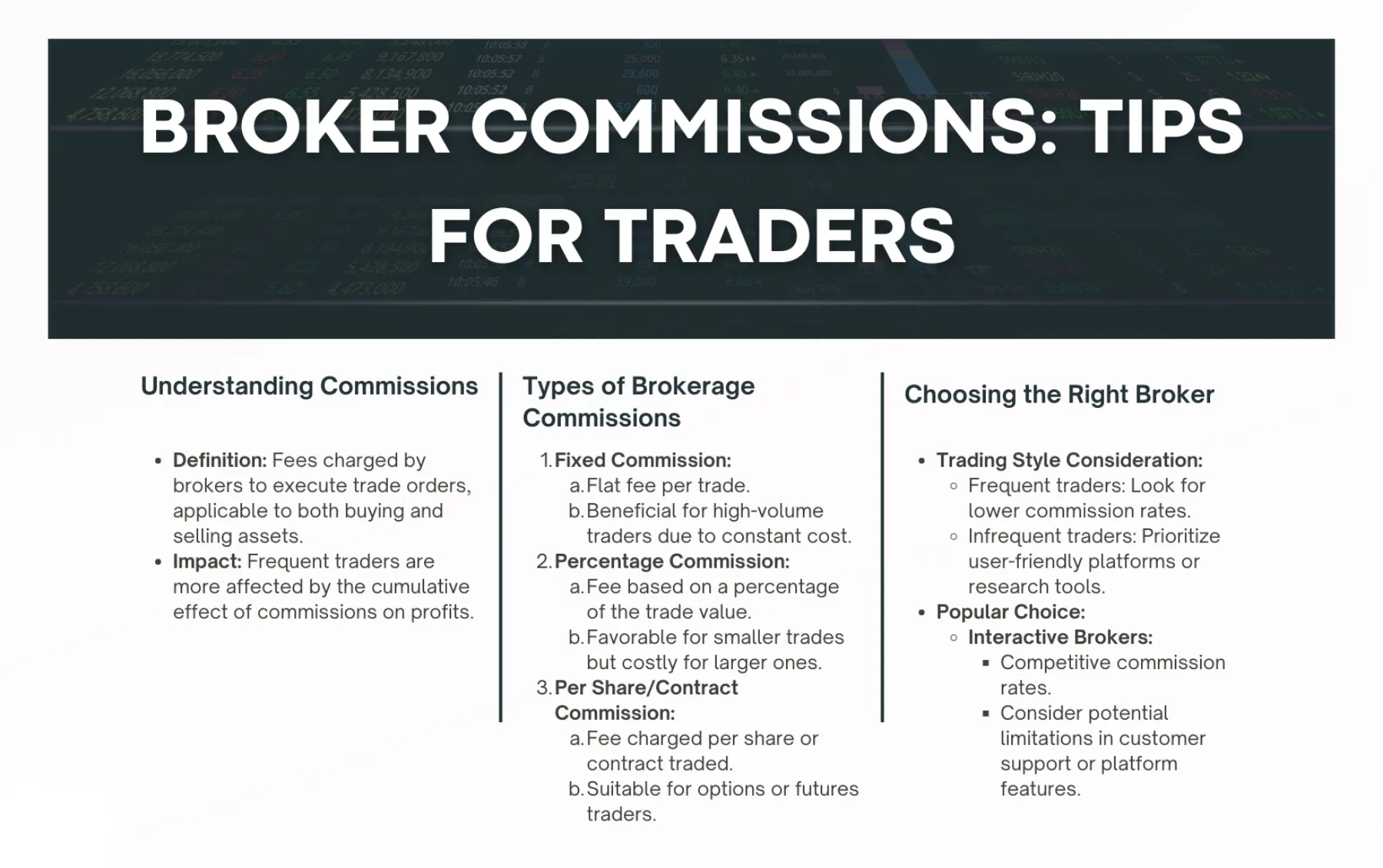
1. Broker B uses a spread-only model, typical of a Market Maker broker. In this model, there is no separate commission fee charged for opening or closing a trade. The broker’s compensation is built directly into the spread, which is the difference between the buy (ask) and sell (bid) price of a currency pair. For example, if the EUR/USD bid price is 1.0700 and the ask price is 1.0701, the spread is 1 pip. This model is simple and easy to understand, which makes it attractive to beginners.
2. Broker A primarily uses a spread-plus-commission model, which is characteristic of an ECN/STP (Electronic Communication Network/Straight Through Processing) broker. With this model, you get access to raw, interbank spreads, which can be extremely tight, often as low as 0.0 or 0.1 pips on major pairs. In exchange for this direct market access, you pay a fixed, transparent commission for each trade, usually calculated per lot.
For a casual trader who places a few trades a week, Broker B’s simpler, commission-free structure might be perfectly suitable. However, for a scalper or a high-volume day trader, the lower all-in cost of Broker A’s ECN account often proves to be more economical over the long run. The transparency of the ECN model also means you are getting the true market price without any hidden markups.
What Are the Average Spreads and Commissions for Broker A?
Broker A offers different account types to cater to various trading styles, each with its own cost structure. The key is to analyze the all-in cost to make a fair comparison. Their two most popular account types are the Standard Account and the Raw ECN Account.
The Standard Account is designed for traders who prefer simplicity and predictability. It operates on a spread-only basis, with no separate commissions. The spreads are competitive but include the broker’s markup.
- Average Spread (EUR/USD): 1.2 pips
- Commission: $0
The Raw ECN Account is built for active traders, scalpers, and those using automated trading systems. It provides direct access to liquidity from top-tier providers, resulting in much tighter spreads. A fixed commission is charged per trade.
- Average Spread (EUR/USD): 0.1 pips
- Commission: $3.50 per lot per side (which equals $7.00 for a round-turn trade of 1 standard lot)
To calculate the all-in cost for the Raw ECN Account, you need to convert the commission into pips. A $7.00 commission on a standard lot ($100,000) is equivalent to 0.7 pips. So, the total cost is 0.1 pips (spread) + 0.7 pips (commission) = 0.8 pips.
Here is a simple table for clarity:
| Broker A Account | Average EUR/USD Spread | Commission (Round Turn) | All-In Cost (in pips) |
|---|---|---|---|
| Standard | 1.2 pips | $0 | 1.2 pips |
| Raw ECN | 0.1 pips | $7.00 | 0.8 pips |
As you can see, for anyone trading actively, the Raw ECN account is significantly more cost-effective.
What Are the Average Spreads and Commissions for Broker B?
Broker B structures its pricing around a commission-free model, aiming for simplicity. Their revenue is generated entirely from the spread, which they mark up from the prices they receive from their liquidity sources. Like Broker A, they offer different account tiers, with better pricing typically reserved for clients with larger deposits.
The Standard Account at Broker B is their entry-level offering, requiring a low minimum deposit and featuring no commissions.
- Average Spread (EUR/USD): 1.0 pips
- Commission: $0
- All-In Cost: 1.0 pips
The Pro Account is for more experienced traders with higher account balances. In exchange for a larger minimum deposit, traders get access to tighter spreads, but still without any commission fees.
- Average Spread (EUR/USD): 0.6 pips
- Commission: $0
- All-In Cost: 0.6 pips
Comparing the two brokers, Broker B’s Pro Account (0.6 pips all-in) is the most cost-effective option if you meet the higher deposit requirement. However, Broker A’s Raw ECN Account (0.8 pips all-in) is cheaper than Broker B’s Standard Account (1.0 pips). This makes the choice dependent on the trader’s capital and trading volume. While Broker B might win on pure cost for high-deposit clients, Broker A’s ECN model offers greater transparency, which many traders value as part of overall reliability.
Which Broker Provides More Reliable Trade Execution?
Broker A provides more reliable trade execution through its ECN/STP model, which minimizes requotes and aligns its interests with the trader’s success. Trade execution is the process of how your buy or sell order is filled by your broker. Reliable execution means getting your trades filled at the price you expect, or very close to it, with minimal delay. The underlying technology and business model of the broker play a huge role in this. Here, the difference between Broker A’s ECN/STP model and Broker B’s Market Maker model is fundamental.
Broker A operates as an ECN/STP (Electronic Communication Network/Straight Through Processing) broker. This is a “no dealing desk” model. When you place a trade, Broker A instantly passes your order to a network of liquidity providers (like major banks and financial institutions) who compete to offer the best available price. Broker A has no say in the pricing and does not take the other side of your trade. Their profit comes solely from the small commission they charge. This model is highly reliable because:
- No Conflict of Interest: Since they profit from your trading volume (via commissions), they want you to be successful and trade more. Their interests are aligned with yours.
- No Requotes: A requote happens when a broker is unable to fill your order at the requested price and offers you a new, often worse, price. In an ECN environment, requotes are virtually non-existent because orders are filled at the best available price from the liquidity pool.
- Fast Execution: Orders are processed electronically at lightning speed, reducing the chance of slippage.
In contrast, Broker B operates as a Market Maker (or Dealing Desk). This means they often take the other side of your trade. If you buy, they sell to you. This creates a potential conflict of interest, as your loss is their gain. While reputable market makers use sophisticated hedging strategies to manage their risk, the model itself can lead to less reliable execution during volatile times. This can manifest as frequent requotes or significant slippage that consistently works against the trader.
What Is Broker A’s Stated Policy on Slippage?
Broker A has a transparent and fair policy on slippage, which is a natural consequence of its ECN execution model. Slippage is the difference between the price you clicked to execute a trade and the actual price at which the trade was filled. It happens because there is a small delay between the moment you send your order and the moment it’s processed, and in that time, the market price can change.

Broker A’s policy is to allow for both positive and negative slippage. This is a key indicator of a reliable broker.
- Negative Slippage: If the price moves against you during execution, your order will be filled at the next best available price, which is slightly worse than you expected. For example, you click to buy EUR/USD at 1.0750, but it gets filled at 1.0751.
- Positive Slippage: If the price moves in your favor during execution, Broker A will pass that benefit on to you. You might click to buy at 1.0750, but your order gets filled at 1.0749, a better price.
A less reliable broker might only pass on negative slippage while preventing positive slippage, using it as a hidden way to increase profits. Broker A’s commitment to passing on both positive and negative slippage demonstrates fairness and transparency. It proves they are not manipulating the price feed and are genuinely providing you with direct access to the true interbank market conditions.
What Is the Average Execution Speed for Broker B?
Broker B publicly states an average execution speed of under 100 milliseconds for over 99% of its trade orders. On the surface, this is a very fast and competitive execution speed. This measurement refers to the time it takes for their servers to receive your order, process it, and confirm the execution. For most normal market conditions, this speed is more than sufficient to provide a smooth trading experience.
However, the raw speed is only part of the story for a Market Maker like Broker B. The more important question is what happens during that execution window, especially during times of high market volatility, such as during a major news release. Because Broker B is a Market Maker, it internally manages its order book. If the market is moving too quickly, their system may be unable to fill the order at the requested price, leading to a requote.
For example, you might try to close a profitable trade at a specific price, but Broker B sends back a requote at a less favorable price, reducing your profit. While their execution servers are fast, the dealing desk model introduces a layer of intervention that is absent in Broker A’s ECN model. So, while Broker B’s execution is fast, it may not always be as reliable as Broker A’s, which prioritizes filling the order at the best available market price without intervention, even if that means slippage.
What Other Factors Differentiate Broker A and Broker B?
Broker A and Broker B differ significantly in their trading platforms, customer support availability, account types, educational resources, copy trading features, and the variety of tradable instruments they offer to clients. Furthermore, these differences can have a substantial impact on your trading experience, depending on your individual needs and strategies.
Which Broker Has a Better Trading Platform?
When evaluating trading platforms, Broker A primarily offers the industry-standard MetaTrader 4 (MT4) and MetaTrader 5 (MT5). These platforms are known for their reliability, extensive charting tools, and support for automated trading through Expert Advisors (EAs). MT4 is particularly favored by forex purists for its simplicity and large user community. MT5 offers more timeframes, technical indicators, and access to a wider range of markets like stocks and futures. In contrast, Broker B provides both MT4 and MT5, but also features its own proprietary platform, the “ProTrader” station. This custom platform is browser-based, offering a modern, intuitive interface with advanced charting from TradingView, integrated news feeds, and one-click trading. For traders who value customization and a built-in ecosystem, Broker B’s proprietary option is a strong contender. However, for those who rely on existing EAs or prefer the familiar MetaTrader environment, Broker A is a solid choice.
How Does Customer Support Differ Between Broker A and Broker B?
Customer support is another area where the two brokers take different approaches. Broker A provides 24/5 support, aligning with the standard forex market hours from Monday to Friday. Their support channels include live chat, email, and a toll-free phone number. Response times for their live chat are generally quick, often under two minutes, and their email support typically replies within a few hours. This makes them a dependable option for issues that arise during active trading sessions. On the other hand, Broker B offers 24/7 customer support, which is a major advantage for traders who operate on weekends, especially in the cryptocurrency markets. They provide the same channels of live chat, email, and phone, but their round-the-clock availability is a key differentiator. While their live chat response time is comparable to Broker A, having access to assistance at any time provides an extra layer of reassurance for global traders in different time zones.
What Account Types Are Available at Each Broker?
The variety of account types reflects each broker’s target audience. Broker A focuses on simplicity with three main options. The Standard account requires a $100 minimum deposit and offers commission-free trading with slightly wider spreads. The Micro account is designed for beginners, allowing a minimum deposit of just $10 and trading with smaller lot sizes. Finally, their ECN account is for experienced traders, requiring a $500 minimum deposit but providing raw spreads with a fixed commission per trade. In comparison, Broker B offers a more extensive range. They have a Standard account similar to Broker A’s, but also a Zero Spread account with a $200 minimum deposit that features tight spreads and commissions. They also provide a dedicated Islamic account that is swap-free to comply with Sharia law. This wider selection at Broker B may appeal to a more diverse group of traders, including those with specific needs like swap-free trading or a preference for commission-based models.
Are There Differences in Educational and Research Resources?
Yes, there are clear differences in the educational and research materials provided by each broker. Broker A places a strong emphasis on structured learning for beginners. Their educational portal includes a comprehensive video course library covering topics from basic forex concepts to advanced technical analysis. They also host weekly webinars with market experts, which are archived for later viewing. Their research tools include an economic calendar and basic market news. Broker B, conversely, targets a more intermediate to advanced audience with its research offerings. While they have educational articles and tutorials, their strength lies in in-depth market analysis. They provide daily technical and fundamental reports, sentiment analysis tools, and premium analytical resources from third parties like AutoChartist. This makes Broker B a better fit for traders who have already mastered the basics and are looking for actionable insights and advanced trading tools to inform their decisions.
Does Either Broker Offer Social or Copy Trading Features?
Both brokers recognize the growing popularity of social trading, but they implement it differently. Broker A integrates its platform with third-party services, primarily Myfxbook and ZuluTrade. This approach allows clients to connect their Broker A account to an established social trading network, giving them access to a vast pool of strategy providers to follow and copy. This is advantageous for traders who already use these platforms or want the flexibility of a large, independent community. Broker B has developed its own proprietary copy trading platform called “CopyTrade Connect”. This service is fully integrated into their client portal, allowing users to browse a curated list of top-performing traders, view detailed performance statistics, and allocate funds to copy their trades with just a few clicks. The integrated nature of Broker B’s system offers a more seamless user experience and potentially better risk management tools within their own ecosystem.
What Is the Range of Tradable Instruments for Each Broker?
The diversity of tradable instruments is a key point of comparison. Broker A offers a solid, though more concentrated, selection of assets. They provide access to around 60 forex pairs, including all majors and a good number of minors and exotics. Additionally, they offer CFDs on 15 major global indices, popular commodities like gold and oil, and a handful of the largest cryptocurrencies such as Bitcoin and Ethereum. This makes them suitable for traders who primarily focus on mainstream markets. Broker B boasts a much broader range of instruments. They offer over 80 forex pairs, giving traders more opportunities in exotic currencies. Their CFD offerings include over 30 indices, a wider array of commodities including agricultural products, and CFDs on hundreds of individual stocks from US, UK, and EU exchanges. Furthermore, their cryptocurrency CFD selection is more extensive, featuring over 20 different digital assets. This makes Broker B the superior choice for traders seeking diversification or access to niche markets.
