

Blog
MT4 vs MT5: Which Trading Platform is Better for Forex Traders?

When choosing between MetaTrader 4 and MetaTrader 5, the better platform depends entirely on your trading needs and experience level. For traders who focus exclusively on forex and value a massive library of existing automated tools, MT4 is the better choice due to its simplicity and community support, while MT5 is superior for traders who want to trade multiple asset classes, require more advanced analytical tools, and need a faster platform for strategy development. This distinction is key because MT5 is not simply an upgrade to MT4, but a different platform built for a broader purpose.
The most important differences between the two platforms are found in their core design and capabilities. MT5 was built as a multi-asset platform with more built-in indicators, charting timeframes, and order types, whereas MT4 was specifically designed for forex trading and remains the industry standard for that market. This means MT5 allows you to trade stocks, futures, and commodities alongside forex from a single interface, a feature MT4 lacks.
For traders who rely on automated trading strategies, the programming languages behind each platform are a major factor. The MQL5 language used by MT5 is more advanced and allows for faster and more complex strategy backtesting, but it is not backward-compatible with MQL4, the language of MT4, which has a much larger collection of ready-to-use trading robots and custom indicators. This creates a clear trade-off between the power of the newer language and the accessibility of the older one’s ecosystem.
Ultimately, selecting the right platform involves assessing your personal trading style. Are you a beginner focused on learning the forex market with proven tools, or an experienced trader looking for advanced features and access to other markets? Understanding how each platform caters to these different profiles will help you make the most informed decision for your trading journey.
What Are MetaTrader 4 and MetaTrader 5?
MetaTrader 4 (MT4) is a dedicated forex trading platform known for its simplicity and vast community support, while MetaTrader 5 (MT5) is a more advanced, multi-asset platform designed for trading forex, stocks, and futures with enhanced features. Both were developed by MetaQuotes Software, but they serve slightly different trader profiles. To understand which is right for you, it’s helpful to look at each one individually. MT4 has long been the gold standard for retail forex traders, while MT5 represents the next generation of trading technology from the same developer, aimed at a broader market. The choice isn’t about which is “newer” but which is better suited to your specific trading strategy and goals. Let’s explore the foundational purpose and design of each platform to clarify their distinct roles in the trading world.
What is MetaTrader 4 (MT4)?
MetaTrader 4, commonly known as MT4, is an electronic trading platform released in 2005 by MetaQuotes. It is overwhelmingly recognized as the industry standard for online forex trading due to its user-friendly interface, stability, and extensive customization options. For nearly two decades, MT4 has been the go-to choice for millions of retail traders and brokers around the world. Its design philosophy centers on accessibility and focus. Rather than trying to be a platform for all markets, MT4 was purpose-built to excel in the foreign exchange market. This singular focus is a large part of its enduring popularity.
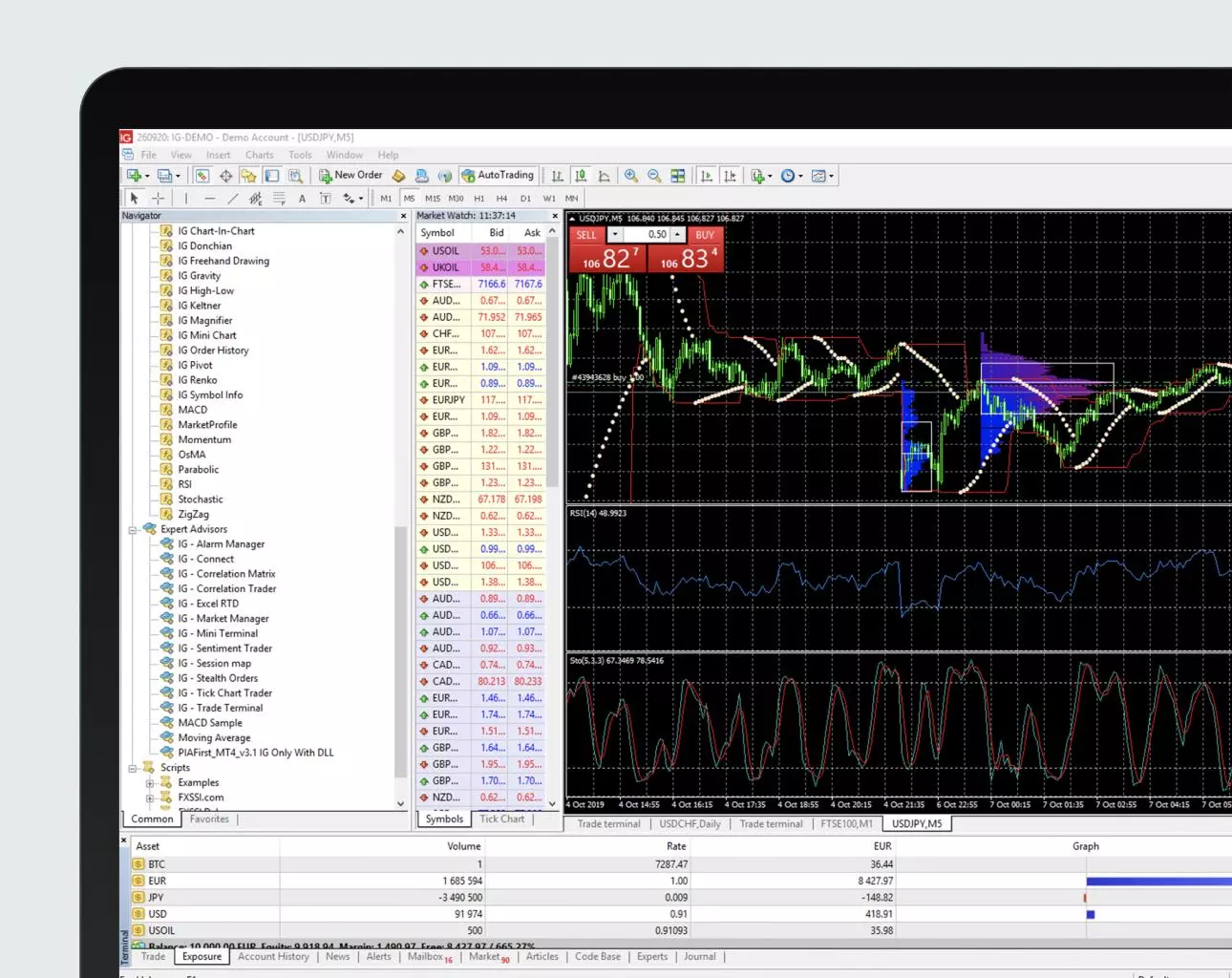
One of the biggest strengths of MT4 is its simplicity. New traders find the interface intuitive and easy to navigate, which lowers the barrier to entry for learning how to analyze charts and execute trades. Everything you need is clearly laid out, from the Market Watch window showing currency pairs to the Navigator panel where you can manage your accounts, indicators, and automated trading programs. This simplicity does not come at the expense of power. MT4 provides all the essential tools for professional-grade technical analysis and trade management.
Perhaps the most defining feature of MT4 is its massive community and the ecosystem that has grown around it. The platform uses a proprietary programming language called MQL4 (MetaQuotes Language 4). This language makes it relatively easy for traders and developers to create their own custom technical indicators, scripts, and automated trading strategies known as Expert Advisors (EAs). As a result, there is a vast online marketplace filled with thousands of free and paid EAs and indicators. This allows traders to automate their strategies or enhance their analysis without needing to write a single line of code themselves. This unmatched library of resources is a primary reason why many forex traders continue to choose MT4, even with a newer alternative available.
What is MetaTrader 5 (MT5)?
MetaTrader 5, or MT5, is the successor to MT4, released by MetaQuotes in 2010. MT5 is a powerful, multi-asset trading platform designed to facilitate trading in centralized markets like stocks and futures, in addition to the decentralized forex market. It was not created as a simple “upgrade” to MT4 but rather as a fundamentally different platform built to meet the needs of a wider range of traders and financial markets. While it shares a similar user interface with its predecessor, the underlying architecture is far more advanced and flexible.

The most significant distinction of MT5 is its ability to connect to centralized trading exchanges. This means that through a single platform, a trader can access not only forex but also stocks, options, bonds, and futures, provided their broker offers these instruments. This makes MT5 an ideal choice for traders who want to diversify their portfolios across different asset classes without having to switch between different platforms. This all-in-one capability is something MT4 was never designed to handle.
Beyond its multi-asset capabilities, MT5 comes equipped with more advanced features straight out of the box. It offers more technical indicators, more graphical objects, and more timeframes for deeper chart analysis. It also includes an integrated economic calendar to help traders stay on top of market-moving news events. For automated trading, MT5 uses a new programming language, MQL5. This language is based on the popular C++ and is object-oriented, allowing for the creation of more complex and sophisticated trading robots. The strategy tester in MT5 is also multi-threaded, which means it can backtest complex strategies much faster than the single-threaded tester in MT4. This performance boost is a major advantage for developers and quantitative traders who need to run extensive historical tests on their algorithms.
What Are the Key Differences Between MT4 and MT5?
MT5 offers broader market access, more advanced analytical tools, and a more sophisticated programming language, while MT4 excels in simplicity and has a larger ecosystem of pre-built automated trading tools specifically for forex. These differences are critical because they cater to very different types of traders. A trader focused solely on forex with a reliance on existing community-developed tools will find MT4 more than sufficient. In contrast, a trader who wants to trade stocks and requires deeper analytical capabilities will benefit from MT5’s enhancements. Here’s a breakdown in a simple table to give you a quick overview of how they compare side-by-side.
| Feature | MetaTrader 4 (MT4) | MetaTrader 5 (MT5) |
|---|---|---|
| Asset Classes | Primarily Forex and CFDs | Forex, CFDs, Stocks, Futures, Options |
| Programming Language | MQL4 (C-style language) | MQL5 (Object-oriented language) |
| Timeframes | 9 built-in timeframes | 21 built-in timeframes |
| Technical Indicators | 30 built-in indicators | 38 built-in indicators |
| Order Types | 4 pending order types | 6 pending order types |
| Economic Calendar | Not integrated | Fully integrated |
| Depth of Market | Basic, often broker-dependent | Advanced, native feature |
Let’s explore what these differences mean in practice. The most obvious distinction is the range of markets you can trade. MT4 was designed for the decentralized forex market. While many brokers offer Contracts for Difference (CFDs) on other assets through MT4, its core architecture is not built for centralized exchanges like a stock market. MT5, on the other hand, was engineered from the ground up to handle both decentralized (forex) and centralized (stocks, futures) markets. This makes it a true multi-asset platform.
Another major point of divergence is the underlying programming language. MT4 uses MQL4, which is a procedural language that is relatively simple to learn and use. This simplicity led to the creation of a massive library of Expert Advisors and custom indicators over the years. MT5 uses MQL5, a more powerful and complex object-oriented programming language. While MQL5 allows for more sophisticated algorithms and faster backtesting, it is not backward-compatible with MQL4. This means a trading robot built for MT4 will not work on MT5 without being completely rewritten. This is a huge factor for traders who rely on the vast existing resources available for MT4.
Finally, the analytical tools available by default are different. MT5 provides traders with more firepower for technical analysis. With 21 timeframes compared to MT4’s 9, traders can perform more granular analysis of price action. Similarly, MT5 comes with 38 built-in indicators, giving you more tools for your analysis without needing to download custom ones. The addition of two extra pending order types (Buy Stop Limit and Sell Stop Limit) also provides more precision for trade entries. These may seem like small details, but for an advanced trader, they can make a meaningful difference in strategy execution.
How Do MT4 and MT5 Compare for Technical Analysis and Charting?
MT5 provides a more advanced and flexible environment for technical analysis and charting by offering more timeframes, technical indicators, and graphical objects directly within the platform compared to MT4. While both platforms offer robust charting capabilities that satisfy the needs of most traders, MT5 gives discretionary and technical traders more tools to work with from the start. This allows for a deeper and more nuanced analysis of market movements without relying on third-party add-ons. The differences are not just about quantity but also about the quality and depth of analysis that can be performed. Let’s explore the specific numbers that set them apart.
How Many Timeframes Are Available on Each Platform?
MetaTrader 4 offers a total of 9 standard timeframes, while MetaTrader 5 provides a significantly larger selection of 21 timeframes. This difference gives traders on MT5 much greater flexibility when analyzing price action across different periods. The standard timeframes available on MT4 are what most traders are familiar with. They include:

- 1 Minute (M1)
- 5 Minutes (M5)
- 15 Minutes (M15)
- 30 Minutes (M30)
- 1 Hour (H1)
- 4 Hours (H4)
- 1 Day (D1)
- 1 Week (W1)
- 1 Month (MN)
These are sufficient for many trading styles, from short-term scalping to long-term position trading. However, MT5 expands on this by adding several intermediate timeframes that allow for more detailed analysis. The 21 timeframes on MT5 include all of the above, plus minute charts like M2, M3, M4, M6, M10, M12, and M20, as well as hourly charts like H2, H3, H6, H8, and H12. Why does this matter? For a day trader, being able to analyze a 2-hour chart (H2) or an 8-hour chart (H8) can reveal trends and patterns that might be missed on the standard H1 and H4 charts. It allows a trader to fine-tune their analysis to better fit their specific strategy, providing a clearer picture of the market structure without needing to use custom scripts or plugins.
How Many Technical Indicators Are Available on Each Platform?
MetaTrader 4 comes with 30 built-in technical indicators, whereas MetaTrader 5 includes 38 built-in indicators by default. Additionally, MT5 expands the number of available graphical objects for chart analysis, offering 44 options compared to the 31 available in MT4. This means traders using MT5 have a broader set of analytical tools at their disposal right away. The 30 indicators in MT4 cover all the essential categories, including trend indicators like Moving Averages, oscillators like the Relative Strength Index (RSI) and Stochastic Oscillator, and volume indicators. For most traders, especially beginners, this is a comprehensive toolkit.

However, the extra 8 indicators in MT5 provide more advanced options. These include oscillators like the Chaikin Oscillator and trend indicators like the Fractal Adaptive Moving Average. Having these tools integrated means traders do not need to search for, download, and install custom versions, which can sometimes be unreliable or slow down the platform. The greater number of graphical objects in MT5 is also a benefit. These tools, which include things like Fibonacci retracements, trend lines, and geometric shapes, are used to mark up charts and identify patterns. With more options, such as additional Elliott Wave tools and Gann tools, analysts can perform more sophisticated chart studies directly on the platform. While the vast library of custom indicators for MT4 can easily bridge this gap, MT5 provides more native power for those who prefer to use standard, well-tested tools.
How Does Order Execution and Management Differ?
MT5 offers a more advanced order execution and management system than MT4 by providing additional pending order types and a built-in Depth of Market (DOM) feature for better trade transparency. While both platforms allow for fast and reliable trade execution, MT5 gives traders more sophisticated tools to control their entries and view market liquidity. These features are particularly useful for traders who employ complex strategies or need a clearer view of the order book. The way you place and manage trades is a core function of any platform, and the differences here can directly impact a trader’s performance. Let’s look at the specifics of order types and market depth.
What Types of Orders Can Be Placed on MT4 vs MT5?
MetaTrader 4 offers four types of pending orders, which are the standard tools for most trading strategies. In contrast, MetaTrader 5 expands this by offering six types of pending orders, adding two powerful variations that provide greater control over trade entries. The four pending order types available in MT4 are:

- Buy Stop: An order to buy a security at a price higher than the current market price. Used to enter a trade on a bullish breakout.
- Sell Stop: An order to sell a security at a price lower than the current market price. Used to enter a trade on a bearish breakdown.
- Buy Limit: An order to buy a security at a price lower than the current market price. Used to buy on a pullback in an uptrend.
- Sell Limit: An order to sell a security at a price higher than the current market price. Used to sell on a rally in a downtrend.
MetaTrader 5 includes all four of these and adds two more “stop limit” order types:
- Buy Stop Limit: This is a two-step order. It combines a stop order with a limit order. First, the price must reach a specified “stop” price. Once it does, a “buy limit” order is automatically placed at a lower price. This is useful for traders who want to buy after a breakout but only if the price pulls back slightly, ensuring they don’t buy at the peak of a sudden spike.
- Sell Stop Limit: This works in the opposite way. The price must first fall to a specified “stop” price. This then triggers a “sell limit” order to be placed at a higher price. This allows a trader to enter a short position after a breakdown, but only if the price retraces slightly upward, offering a better entry point.
These additional order types in MT5 give traders more precision and allow for the automation of more complex entry strategies that would otherwise require constant monitoring.
Does MT5 Offer a Better View of Market Depth?
Yes, MetaTrader 5 offers a significantly better and more integrated view of Depth of Market (DOM) compared to MT4. Depth of Market, also known as the order book, shows traders the real-time buy and sell orders for a particular financial instrument at different price levels. It provides a direct view of a market’s liquidity and supply and demand dynamics. For many traders, especially scalpers and short-term day traders, this information is invaluable for making trading decisions.

In MT5, the DOM is a native, built-in feature of the platform. Traders can open the DOM window for any instrument and see the volume of buy and sell orders waiting at prices above and below the current market price. They can also place trades directly from the DOM interface with a single click, which is extremely efficient for fast-paced trading. This provides a level of market transparency that is not standard in MT4.
In MetaTrader 4, there is no native DOM functionality. While some brokers have developed their own custom plugins or add-ons to provide a DOM window, its availability and quality can vary widely from one broker to another. Often, these plugins are less sophisticated than the integrated DOM in MT5. For traders who rely on order flow and liquidity analysis, the superior and standardized DOM feature in MT5 is a clear and compelling advantage.
What Is the Difference Between the MQL4 and MQL5 Programming Languages?
The primary difference is that MQL5 is a more advanced, object-oriented programming language designed for creating complex trading robots and performing faster backtests, while MQL4 is a simpler, C-style procedural language with a much larger existing library of code. This distinction is one of the most important factors for traders who use or develop automated trading strategies, known as Expert Advisors (EAs). MQL5 is technically more powerful, but the two languages are not compatible with each other. This means an EA written in MQL4 cannot run on the MT5 platform, and vice versa, without being completely rewritten. This lack of backward compatibility creates a significant divide between the two platforms’ ecosystems. Let’s delve into what makes each language suited for different purposes.
Is MQL5 Superior to MQL4 for Creating Expert Advisors?
From a technical standpoint, MQL5 is superior to MQL4 for creating complex and high-performance Expert Advisors. MQL5’s object-oriented nature allows for more structured, reusable, and manageable code, and its multi-threaded strategy tester enables much faster optimization of trading strategies. However, “superior” is subjective and depends on the user’s goals. For a developer or a quantitative trader building a sophisticated, multi-asset strategy from scratch, MQL5 is the clear winner. Its syntax is closer to C++, a widely used programming language, making it easier for experienced programmers to adapt. The ability to create objects and classes in MQL5 leads to cleaner and more efficient code, which is particularly important for large and complex EAs. The speed of the MT5 strategy tester is also a massive advantage, as it can run thousands of backtests across multiple CPU cores simultaneously, drastically reducing the time it takes to optimize a strategy.

On the other hand, MQL4 remains incredibly relevant and, for many traders, more practical. Its programming style is simpler and more procedural, making it easier for non-programmers or beginner coders to learn. More importantly, MQL4 has been the industry standard for over a decade. This has resulted in an enormous, unparalleled ecosystem of resources. There are literally thousands of free and commercial EAs, custom indicators, and scripts available for MQL4 on forums and marketplaces. A trader can find a pre-built tool for almost any strategy imaginable, often without needing to write any code. This vast library gives MT4 a huge accessibility advantage. For a trader who wants to use existing automated tools rather than build their own, MQL4 and the MT4 platform are often the more logical choice. Therefore, while MQL5 is more powerful on paper, MQL4’s massive community and ready-made resources make it a formidable competitor.
Which Platform Is Better for a Forex Trader?
The better platform for a forex trader depends on their experience and specific needs: MT4 is generally better for beginners and pure forex traders, while MT5 is better for advanced traders and those interested in multiple markets. There is no single “best” answer that applies to everyone. The decision should be based on a careful evaluation of your trading style, your technical requirements, and your future goals as a trader. Both platforms are excellent and provide all the necessary tools to trade forex profitably. The key is to align the platform’s strengths with your personal trading strategy. To make the choice clearer, let’s break down which type of trader is best suited for each platform.
Who Should Choose MT4?
You should choose MetaTrader 4 if you fit into one or more of the following categories. First, if you are a beginner trader, MT4 is an excellent starting point. Its interface is slightly simpler and more streamlined than MT5’s, which can make the learning curve less steep. The platform focuses on the essentials of forex trading without the added complexity of features designed for other markets. This allows you to concentrate on mastering the basics of technical analysis, order placement, and risk management.

Second, if you trade exclusively forex, MT4 is perfectly sufficient. It was built from the ground up specifically for the foreign exchange market and has perfected the tools needed for it. All the major currency pairs are available, and the platform is stable and reliable for executing forex trades. There is no need for the multi-asset capabilities of MT5 if your entire focus is on currencies.
Finally, and most importantly, if you want access to the world’s largest library of automated trading robots (Expert Advisors) and custom indicators, MT4 is the undisputed choice. Due to its long history, the MQL4 community has produced an immense volume of free and paid tools that can be downloaded and used immediately. For traders who want to experiment with automated strategies or use highly specific custom indicators without learning to code, the MT4 marketplace is an invaluable resource that MT5’s ecosystem has yet to match.
Who Should Choose MT5?
You should choose MetaTrader 5 if your trading needs are more advanced or diverse. For starters, if you want to trade multiple asset classes from a single platform, MT5 is the only option between the two. It is designed to connect to centralized exchanges, allowing you to trade stocks, futures, and options alongside forex and CFDs. This makes it ideal for traders who want to build a diversified portfolio and manage all their positions in one place.
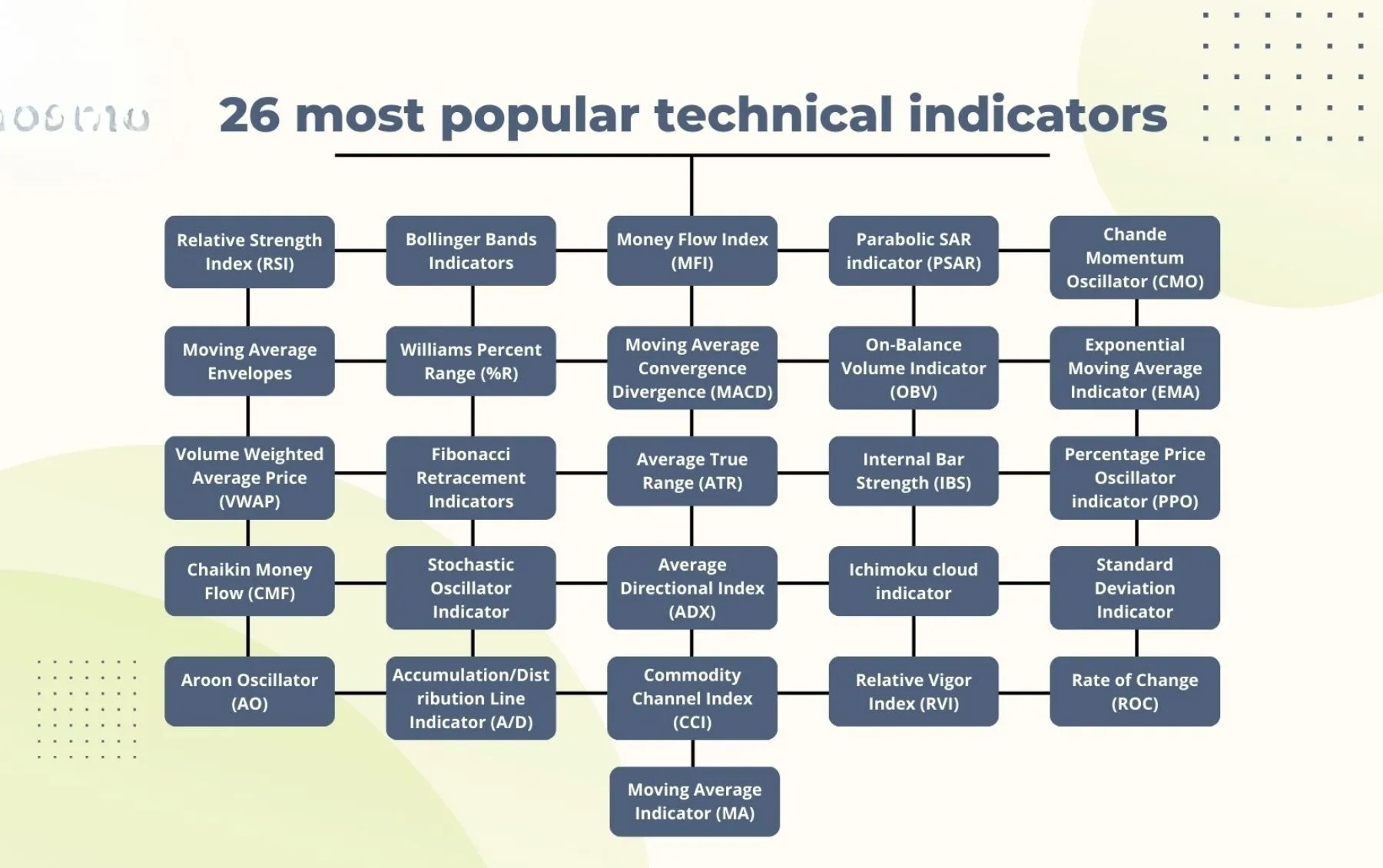
Additionally, if you require more advanced analytical tools built directly into the platform, MT5 is the superior choice. With 21 timeframes compared to MT4’s 9, and 38 built-in indicators compared to MT4’s 30, it provides a richer toolkit for in-depth technical analysis. The inclusion of an integrated economic calendar and a native Depth of Market (DOM) feature further enhances its analytical power, giving you a more complete picture of the market without relying on third-party plugins.
Lastly, if you are a developer or a trader who builds and tests your own complex trading strategies, MT5 offers a clear advantage. The MQL5 programming language is more powerful and flexible than MQL4, allowing for the creation of more sophisticated algorithms. The multi-threaded strategy tester in MT5 is also significantly faster, which is a critical benefit when you need to run extensive backtests and optimizations. For quantitative traders who demand peak performance and advanced capabilities, MT5 is the more modern and powerful engine.
What Are the Advanced and Niche Considerations for MT4 vs MT5?
MT5 offers superior backtesting, more built-in tools, and a different default account structure, while MT4 retains a massive library of legacy scripts that are not cross-compatible. Furthermore, these technical differences often become the primary deciding factors for experienced traders, developers, and those with very specific strategic needs that go beyond basic charting and order execution.
Does MT5 Allow Hedging Like MT4 Does?
Initially, one of the most significant differences between the platforms was their order accounting system. MT4 has always used a hedging system, where a trader can open multiple positions on the same financial instrument, even in opposite directions. For example, you could have a long position and a short position on EURUSD open simultaneously. In contrast, MT5 was launched with a netting system as its default, which is common in stock exchanges and required in certain jurisdictions like the United States. In a netting system, if you have an open long position and you place a sell order for the same size, the original position is closed instead of a new short position being opened.
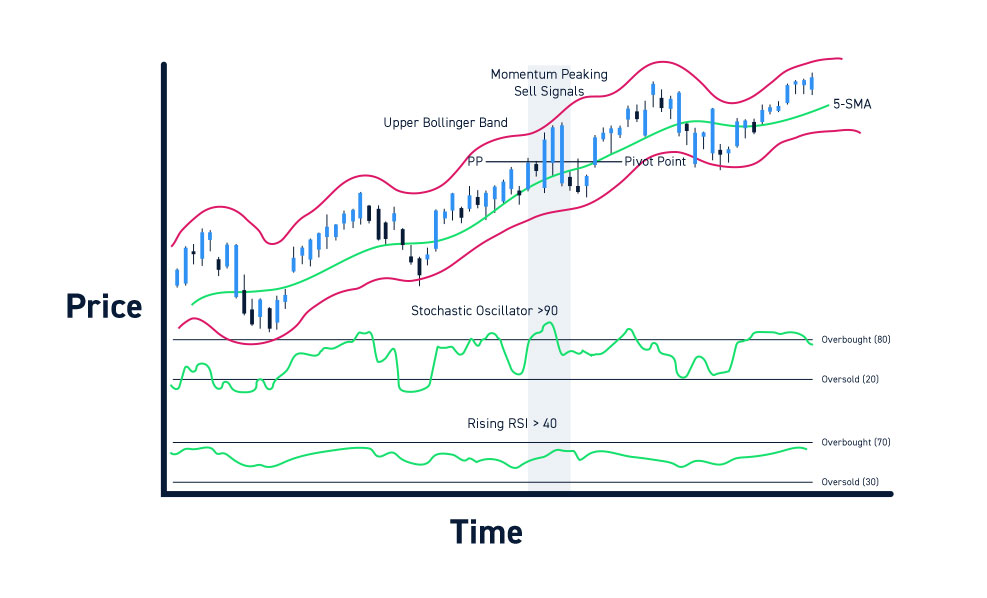
However, recognizing the popularity of hedging among global forex traders, MetaQuotes later updated MT5 to support both systems. Today, most brokers that offer MT5 provide two distinct account types:
- Netting Account: Follows the original MT5 logic of consolidating all positions on a single instrument.
- Hedging Account: Mimics the functionality of MT4, allowing multiple long and short positions on the same instrument.
For this reason, the hedging versus netting debate is now largely resolved. As long as you choose a broker that offers MT5 hedging accounts, you can trade with the exact same positional flexibility as you would on MT4.
Is the Strategy Tester for Backtesting Better on MT5?
For traders who develop and test automated strategies, MT5’s Strategy Tester is vastly more powerful than its predecessor. The single greatest improvement is that MT5’s tester is multi-threaded, meaning it can use all the available cores of your computer’s CPU to process data. This allows for significantly faster and more complex backtesting compared to MT4, which is single-threaded and can only use one CPU core, making tests of complex Expert Advisors (EAs) incredibly time-consuming.
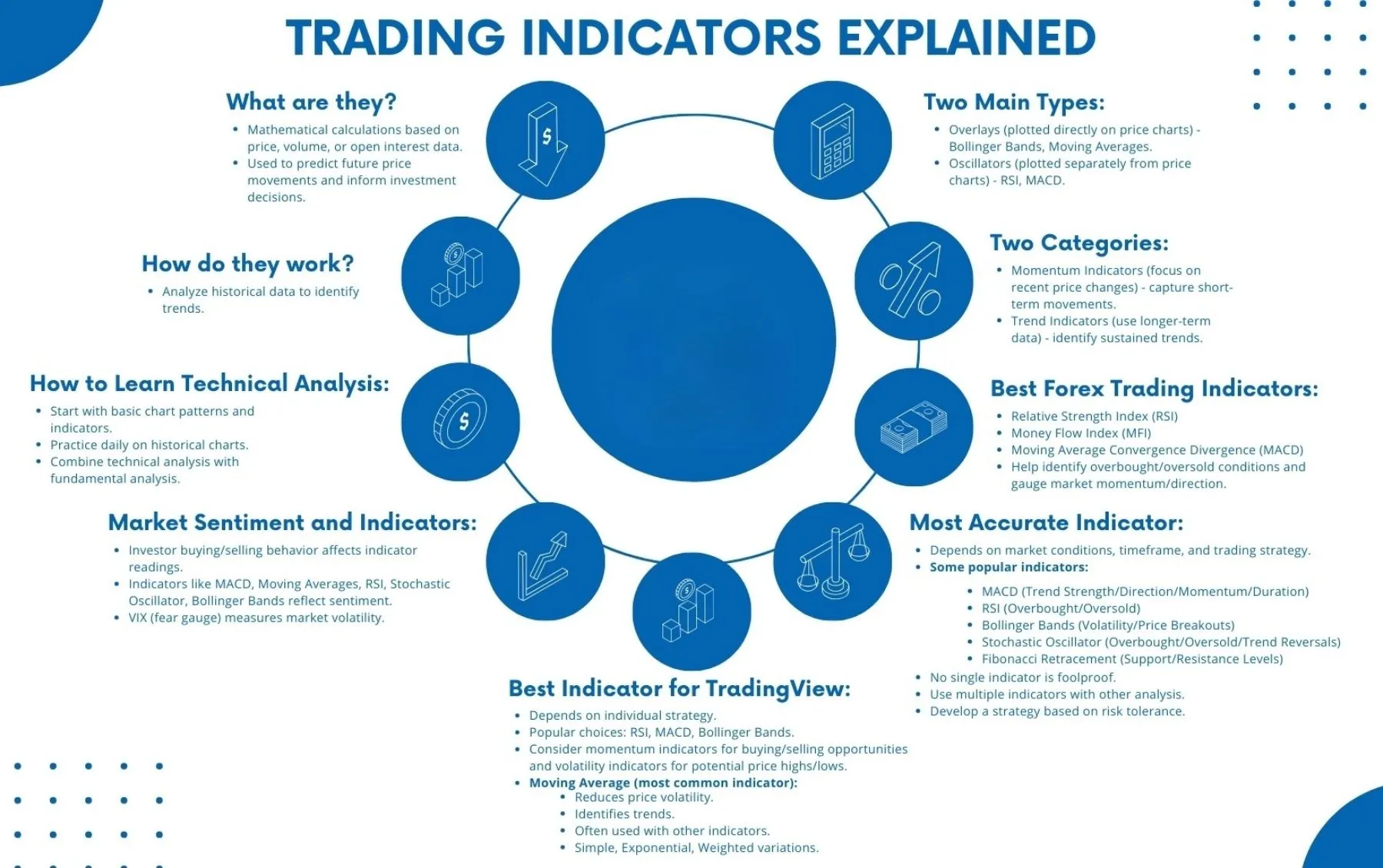
This multi-threaded capability is a game-changer for strategy optimization, where thousands of parameter combinations are tested to find the best settings. Beyond speed, MT5 offers other backtesting advantages that provide more accurate results and deeper insights. These improvements include:
- Real Tick Data: MT5 allows for testing using real tick data, providing a much more accurate simulation of historical market conditions.
- Multi-Currency Testing: The tester can simultaneously test and optimize EAs that trade across multiple currency pairs.
- Advanced Reporting: MT5 generates more detailed and visual reports, including forward testing and statistical metrics that are not available in MT4.
For any serious algorithmic trader or developer, the backtesting environment in MT5 is a definitive reason to choose it over MT4.
What Built-in Features Does MT5 Have That MT4 Lacks?
While MT4 is a robust platform, MT5 includes several native quality-of-life features that require third-party tools or external websites to replicate on the older platform. These built-in functionalities streamline the trading process and provide traders with more information directly within the application. One of the most useful additions is the integrated Economic Calendar. This feature displays major upcoming news events and economic data releases directly on the charts, allowing traders to anticipate periods of high volatility without leaving the platform.
MT5 also enhances account and order management with more sophisticated tools. A few key built-in features exclusive to MT5 are:
- Fund Transfers: Traders can transfer funds between different accounts held with the same broker directly from the client terminal.
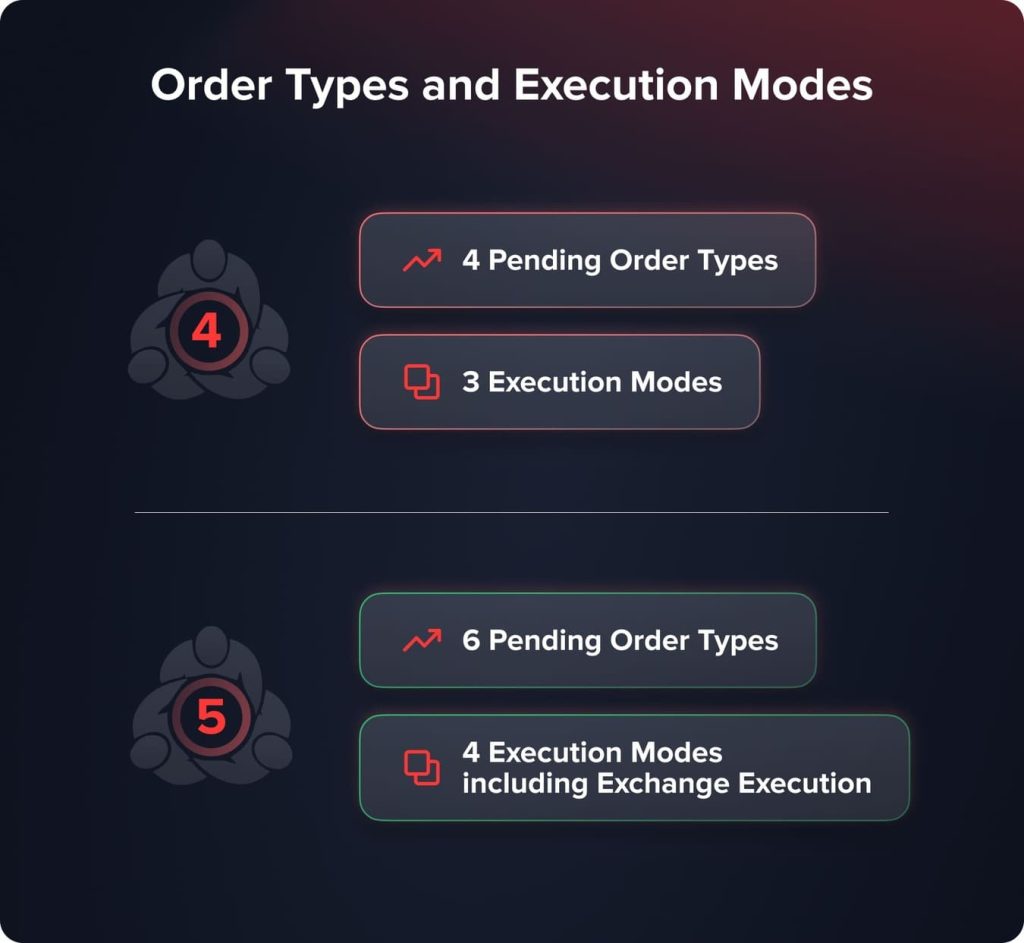
- More Pending Order Types: MT5 offers six types of pending orders (Buy Limit, Sell Limit, Buy Stop, Sell Stop, Buy Stop Limit, and Sell Stop Limit), compared to MT4’s four.
- Depth of Market (DOM): MT5 provides a built-in DOM display, showing the liquidity available at different price levels for an instrument.
These additions make MT5 a more self-contained and modern trading platform, reducing reliance on external resources.
Can You Use Indicators and EAs from MT4 on MT5?
No, you cannot use indicators, scripts, or Expert Advisors (EAs) from MT4 directly on MT5. This lack of backward compatibility is one of the most persistent hurdles for traders considering an upgrade and a primary reason for MT4’s long-standing dominance. The incompatibility stems from the fact that the two platforms use different and distinct programming languages for their automated tools. MT4 uses MetaQuotes Language 4 (MQL4), while MT5 uses MetaQuotes Language 5 (MQL5).

Although they share a similar name, MQL4 and MQL5 are fundamentally different. MQL4 is a simpler, procedural language, whereas MQL5 is a more advanced, object-oriented programming language with a syntax closer to C++. This means that any custom tool developed for MT4 must be completely rewritten and re-coded by a programmer to function on MT5.
- The structure and functions used in MQL4 are not recognized by the MQL5 compiler.
- Many free and paid EAs and indicators available online are only written in MQL4.
- Converting a complex EA from MQL4 to MQL5 can be a time-consuming and costly process.
This language barrier has created a split ecosystem, with a massive library of legacy tools tied to MT4.
Are All Forex Brokers Compatible with Both MT4 and MT5?
Historically, MT4 was the undisputed industry standard, and for many years, nearly every forex broker offered it while MT5 adoption was slow. Finding a broker that did not support MT4 was difficult. However, the market has changed substantially over the past decade. Today, while MT4 remains extremely popular, the vast majority of reputable and established forex brokers offer both MT4 and MT5 platforms to their clients. Broker support is no longer a major point of differentiation.
The decision for a new trader is rarely limited by broker availability anymore. Instead, the choice depends on the trader’s individual needs.
- Legacy Support: Some smaller or older brokers may still be MT4-only, but this is becoming increasingly uncommon.
- Industry Shift: MetaQuotes has actively encouraged brokers to adopt MT5, and new brokers entering the market often prioritize offering both platforms from the start.
- Client Choice: Most brokers now treat the two platforms as parallel offerings, allowing clients to select the one that best fits their trading style and technical requirements.
Ultimately, while you might find a few exceptions, you can assume that almost any major broker you consider will provide you with access to both MT4 and MT5, making broker compatibility a minor factor in your decision.