

Blog
Scalping vs Day Trading: How Do Timeframes, Risk, and Personality Compare?

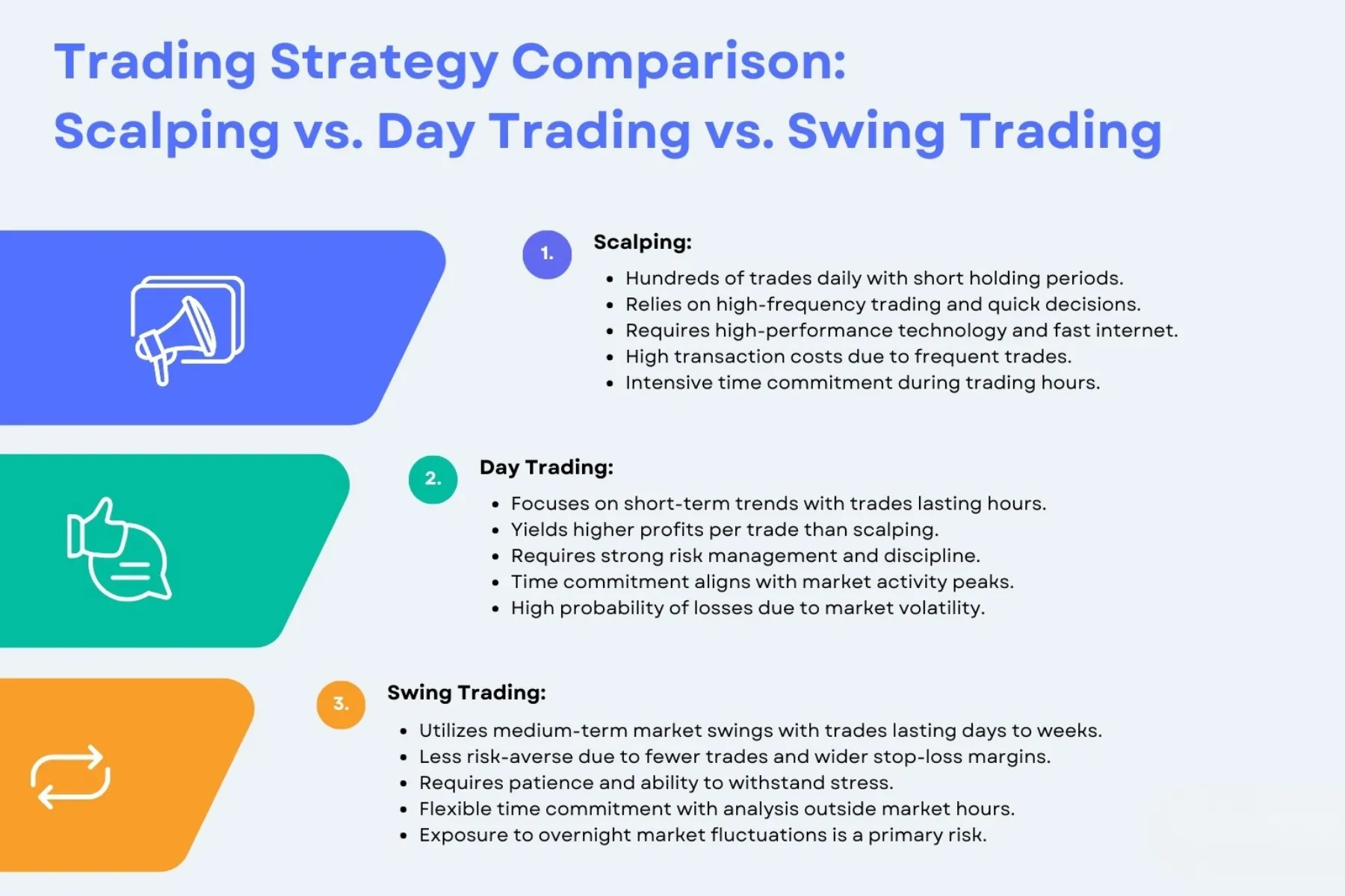
The fundamental difference between scalping and day trading lies in the timeframe of trades and the frequency of execution, with scalping involving dozens of trades held for seconds to minutes and day trading involving a few trades held for minutes to hours. Scalping is a high-speed strategy focused on capturing tiny, recurring profits from small price movements throughout the day. In contrast, day trading is a more methodical approach where traders identify a few high-quality setups and hold them for a longer portion of the trading session to capture larger price swings. Both strategies aim to profit from intraday market fluctuations and close all positions before the market closes for the day.
Scalpers and day traders manage risk differently due to their distinct objectives. Scalpers use extremely tight stop losses to protect against small adverse moves on high-volume trades, while day traders use wider stops to accommodate intraday volatility for trades with larger profit targets. A scalper might risk only a few pips per trade, knowing that even a small loss can erase the profits from several successful trades. A day trader, aiming for a much larger gain, must allow their trade more room to breathe, placing a stop loss order that protects their capital from a major trend reversal but isn’t triggered by normal market noise.
The personality traits suited for each style vary greatly. Scalping fits highly disciplined individuals who thrive under pressure and make rapid decisions, whereas day trading suits analytical and patient traders who can wait for optimal setups. The constant action and intense focus required for scalping can be mentally exhausting and is not suitable for everyone. Day trading demands a different kind of patience, the ability to sit and wait for the perfect market conditions to align with your strategy before committing capital. Both require strong emotional control, but the nature of the stress is different.
Ultimately, both scalping and day trading are short-term strategies that avoid the risks of holding positions overnight, such as unexpected news or market-moving events. The choice between them is not about which one is “better” but about which one aligns with your individual risk tolerance, available time commitment, and psychological makeup. By understanding the core differences, you can make an informed decision about the path that best fits your trading journey.
What is the Fundamental Difference Between Scalping and Day Trading?
The fundamental difference is that scalping focuses on a high volume of trades for tiny profits over seconds or minutes, while day trading focuses on a few trades for larger profits over minutes or hours. This core distinction in timeframe and trade frequency shapes every other aspect of these two popular trading styles, from the analysis required to the psychological demands placed on the trader. To understand this better, it helps to define each approach separately to see how they contrast in practice. Both exist under the umbrella of intraday trading, meaning all positions are closed by the end of the day, but their execution is worlds apart. One emphasizes speed and quantity, while the other prioritizes precision and quality.
What is Forex Scalping?
Forex scalping is a high-frequency trading style defined by its extremely short holding periods and its goal of accumulating small, consistent profits from a large number of trades. Scalpers operate on the shortest timeframes available, often looking at one-minute or even tick charts to make decisions. The core idea is to capitalize on minor price fluctuations that occur constantly in liquid markets like Forex. A scalper isn’t trying to catch a major trend. Instead, they are content with capturing just a few pips of profit on each trade. A “pip,” which stands for “percentage in point,” is the smallest price move in a currency pair. For example, if the EUR/USD pair moves from 1.0700 to 1.0701, that is a one-pip move.
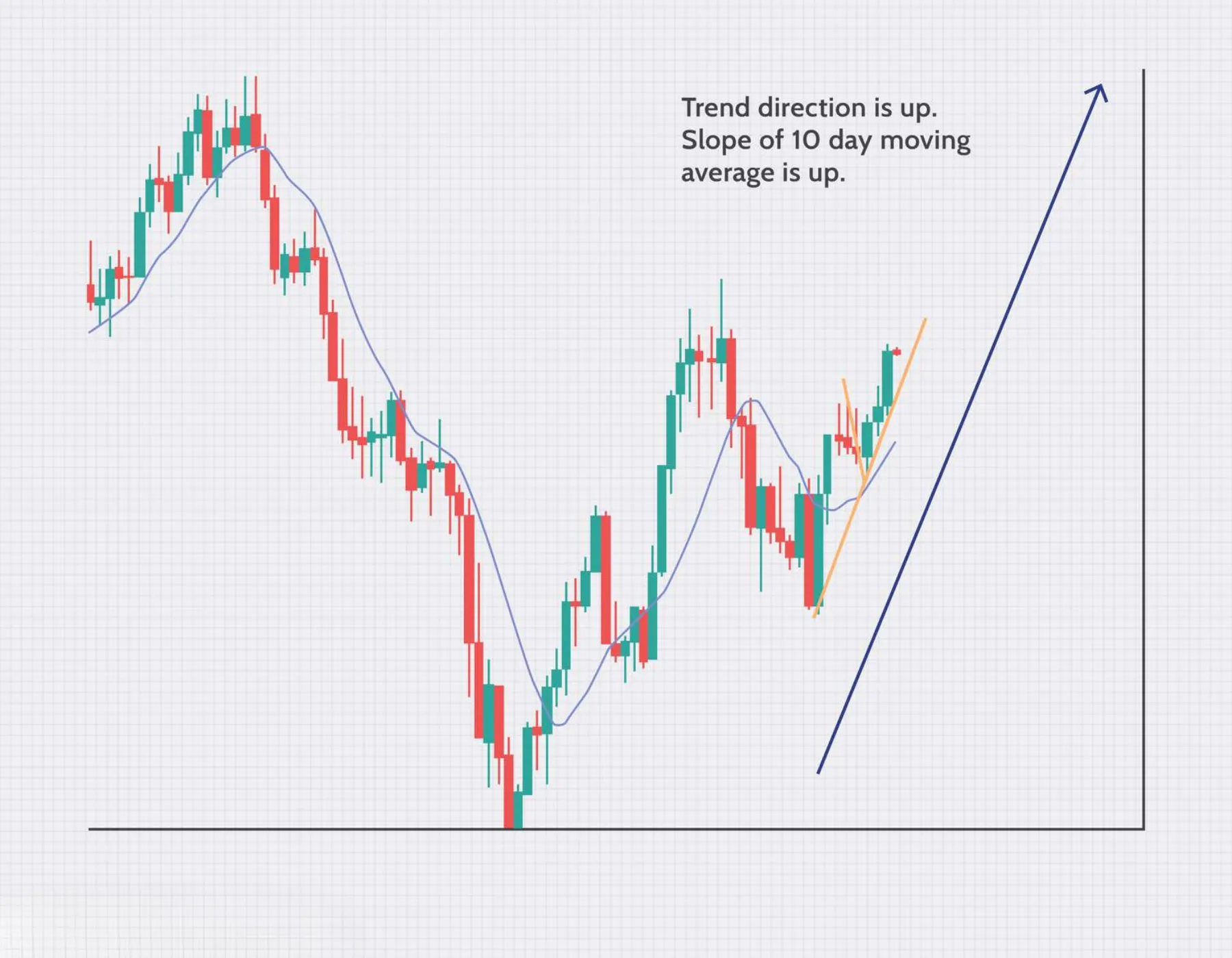
Because the profit target for each trade is so small, scalpers must execute a high volume of trades to generate a meaningful return. It’s not uncommon for a scalper to place dozens or even over a hundred trades in a single trading session. This requires intense focus and the ability to make split-second decisions. Scalpers often trade during the most volatile market hours, such as when the London and New York sessions overlap, because the increased market activity provides more opportunities. The strategy relies heavily on discipline, as one significant loss can easily wipe out the gains from many successful small trades.
What is Forex Day Trading?
Forex day trading is a strategy that involves opening and closing positions within the same trading day, with holding periods that can last from several minutes to many hours. Unlike scalpers, day traders are not concerned with the market’s smallest movements. Instead, they aim to identify and profit from the main intraday trend or a significant price move within a single session. A day trader typically uses slightly longer timeframes for analysis, such as the 15-minute, 30-minute, or one-hour charts, to get a clearer picture of the day’s potential market direction. Their goal is to enter a position based on a well-researched setup and hold it until their larger profit target is hit or the trading day comes to an end.
A day trader might only execute one to five trades per day. Each trade is a high-conviction setup that has been carefully planned based on technical analysis, chart patterns, or specific economic news releases. For instance, a day trader might wait for a currency pair to break out of a consolidation range and then enter a trade to ride the resulting momentum. Because they are targeting larger profits, their risk per trade is also typically larger than a scalper’s. This style requires a great deal of patience, as a trader might have to wait for hours for the right conditions to appear. The focus is on the quality of trades, not the quantity.
How Do Profit Targets and Risk Management Differ?
Profit targets and risk management differ primarily in scale, with scalpers aiming for small, quick profits with very tight stops, while day traders target larger gains with wider stops. This is a direct consequence of their different timeframes and objectives. A scalper’s entire trading model is built on high probability and low profit per trade, so their risk management must be extremely strict to protect their slim margins. In contrast, a day trader’s model is built on capturing a substantial part of a daily move, which requires giving the trade enough room to evolve without being stopped out by minor fluctuations. Let’s explore the typical levels each trader might use.
What are Typical Profit and Stop Loss Levels for a Scalper?
For a scalper, profit and stop loss levels are measured in just a few pips. A scalper typically aims for a profit of 5 to 10 pips per trade and uses an equally tight stop loss, often no more than 5 to 7 pips away from their entry point. The goal is to maintain a positive risk-to-reward ratio, even if it’s just 1:1 or slightly better, like 1:1.5. For example, a scalper might enter a long position on EUR/USD at 1.0850, placing a take-profit order at 1.0858 (8 pips) and a stop-loss order at 1.0843 (7 pips). This structure is essential because the scalper’s edge comes from a high win rate on many small trades.
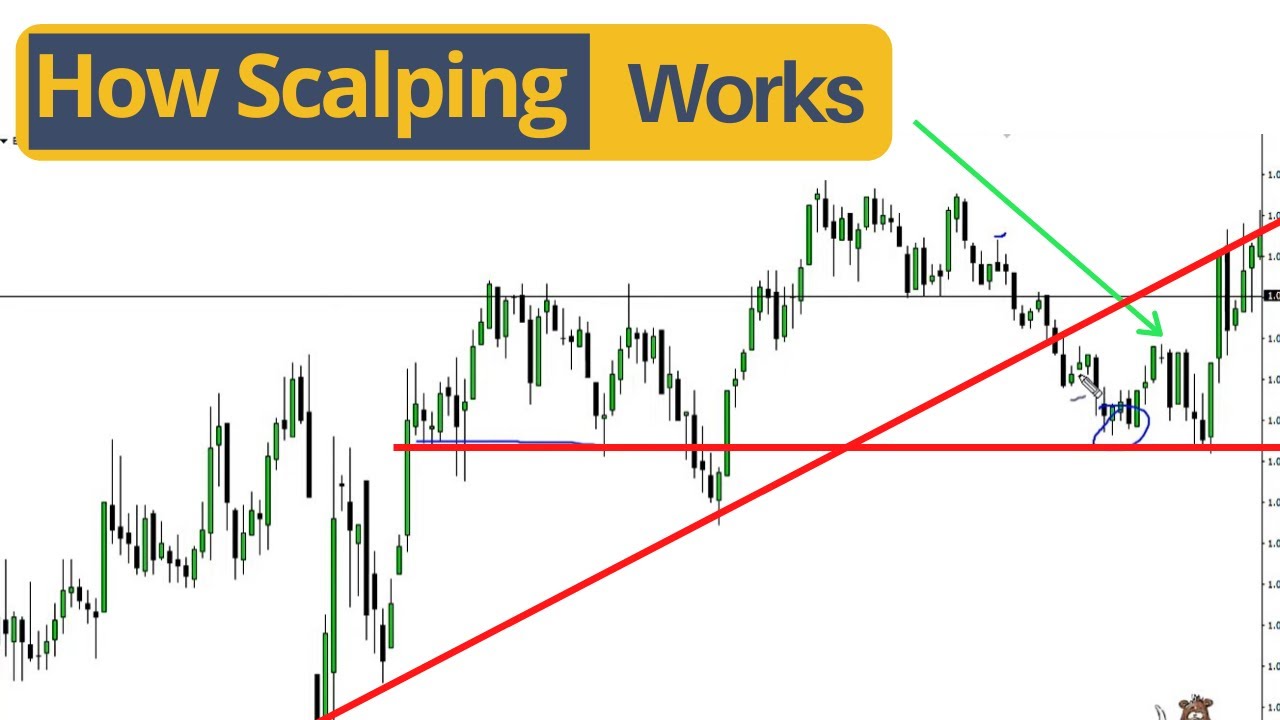
The logic behind such tight risk control is simple: a single large loss cannot be allowed to devastate the account. If a scalper wins 10 trades for 5 pips each, they have made 50 pips. If they then take one loss of 25 pips, nearly half of their hard-earned profit is gone. By keeping stops extremely tight, they ensure that losing trades are cut short immediately. This aggressive risk management is non-negotiable. It demands constant monitoring and the discipline to exit a losing position without hesitation. Scalpers also have to be very mindful of the “spread,” which is the difference between the buy and sell price. A 1-pip spread on a 5-pip target means 20% of the potential profit is immediately lost to the broker, making scalping a game of fine margins.
What are Typical Profit and Stop Loss Levels for a Day Trader?
A day trader operates on a much larger scale within the trading day. A day trader often targets profits of 20 to 100 pips or more per trade, using a correspondingly wider stop loss that might be 15 to 50 pips away from their entry. The exact levels depend on the volatility of the currency pair and the specific trade setup. Unlike a scalper, a day trader needs to account for the normal “ebb and flow” of the market. Placing a stop loss too close to the entry price could result in being prematurely taken out of a good trade by random market noise. The risk-to-reward ratio is a central part of a day trader’s plan, with many refusing to take a trade unless it offers at least a 1:2 or 1:3 risk-to-reward potential.
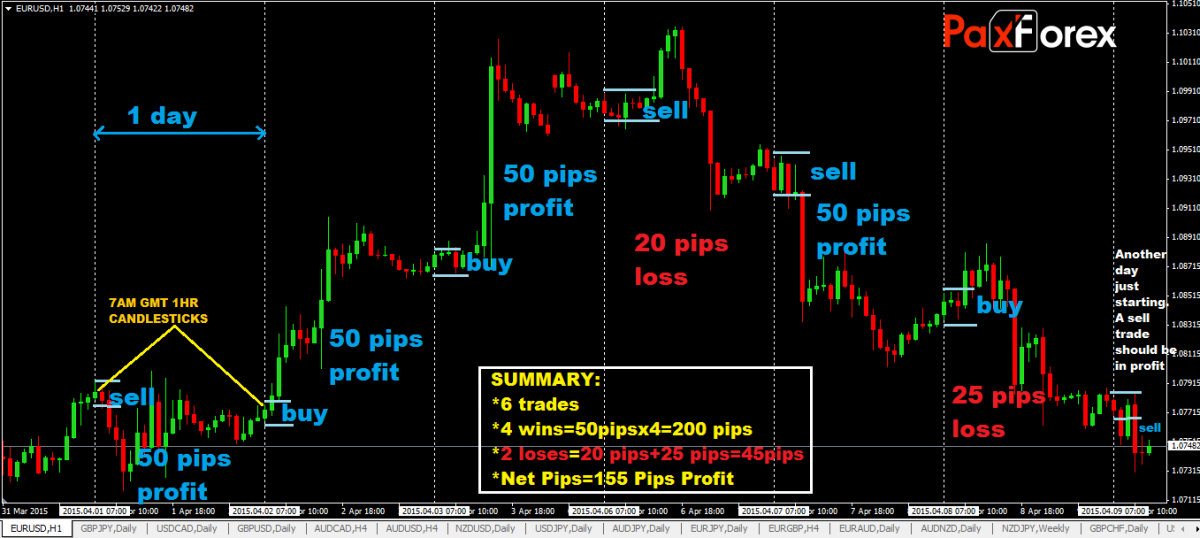
For instance, a day trader might identify a key support level on the GBP/JPY pair. They might enter a long position at 190.50, placing their stop loss below the support level at 190.20 (a 30-pip risk). Their profit target could be set at the next resistance level, perhaps at 191.40 (a 90-pip reward). This represents a 1:3 risk-to-reward ratio. This approach means that the trader can be profitable even if they only win 40% of their trades. The larger profit targets give each trade more significance, and the focus shifts from a high win rate to the overall profitability of a smaller number of well-planned trades.
What are the Differences in Time Commitment and Trading Frequency?
The main difference is that scalping demands intense, focused screen time for a few hours to execute many trades, while day trading requires broader market analysis over the day for a few trades. Scalping is a sprint, requiring a trader’s undivided attention during peak market volatility. Day trading is more like a marathon, involving periods of analysis and patient waiting, punctuated by moments of execution and trade management. Understanding your personal schedule and how much focused time you can realistically dedicate to trading is a huge factor in choosing the right style for you. A trader with a full-time job might find one style more accommodating than the other.
How Many Trades and Hours per Day Does Scalping Involve?
Scalping involves a high number of trades and requires an intense, focused time commitment. A typical scalper may execute anywhere from 20 to over 100 trades per day, concentrating their efforts into short bursts of one to three hours during peak market volatility. This is not a style where you can casually check the charts every so often. Success in scalping demands your complete and undivided attention. You must be at your screen, ready to react to price action in a split second. Most scalpers focus on specific trading sessions when liquidity and volatility are highest, such as the first few hours of the London session or the overlap between the London and New York sessions.

During these active periods, a scalper is in a state of high alert. They are constantly scanning for setups, entering positions, managing them, and exiting within seconds or minutes. The mental energy required is substantial. It’s a physically and psychologically draining activity that is not sustainable for an entire 8-hour day. That’s why scalpers are highly strategic about when they trade, choosing to engage only when market conditions are optimal for their strategy. After their short, intense trading window, they are done for the day. This makes scalping potentially suitable for someone who can carve out a few specific, uninterrupted hours each day.
How Many Trades and Hours per Day Does Day Trading Involve?
Day trading involves a much lower number of trades and a different kind of time commitment. A day trader typically places between one and five trades per day and may spend several hours analyzing the market, monitoring positions, and waiting for setups. The day often starts before the market opens with pre-market analysis. A day trader will review overnight price action, identify key support and resistance levels, and note any major economic news scheduled for release. They are essentially creating a trading plan for the day ahead. Once the market opens, much of their time may be spent waiting patiently for price to reach a predetermined level or for a specific pattern to form.
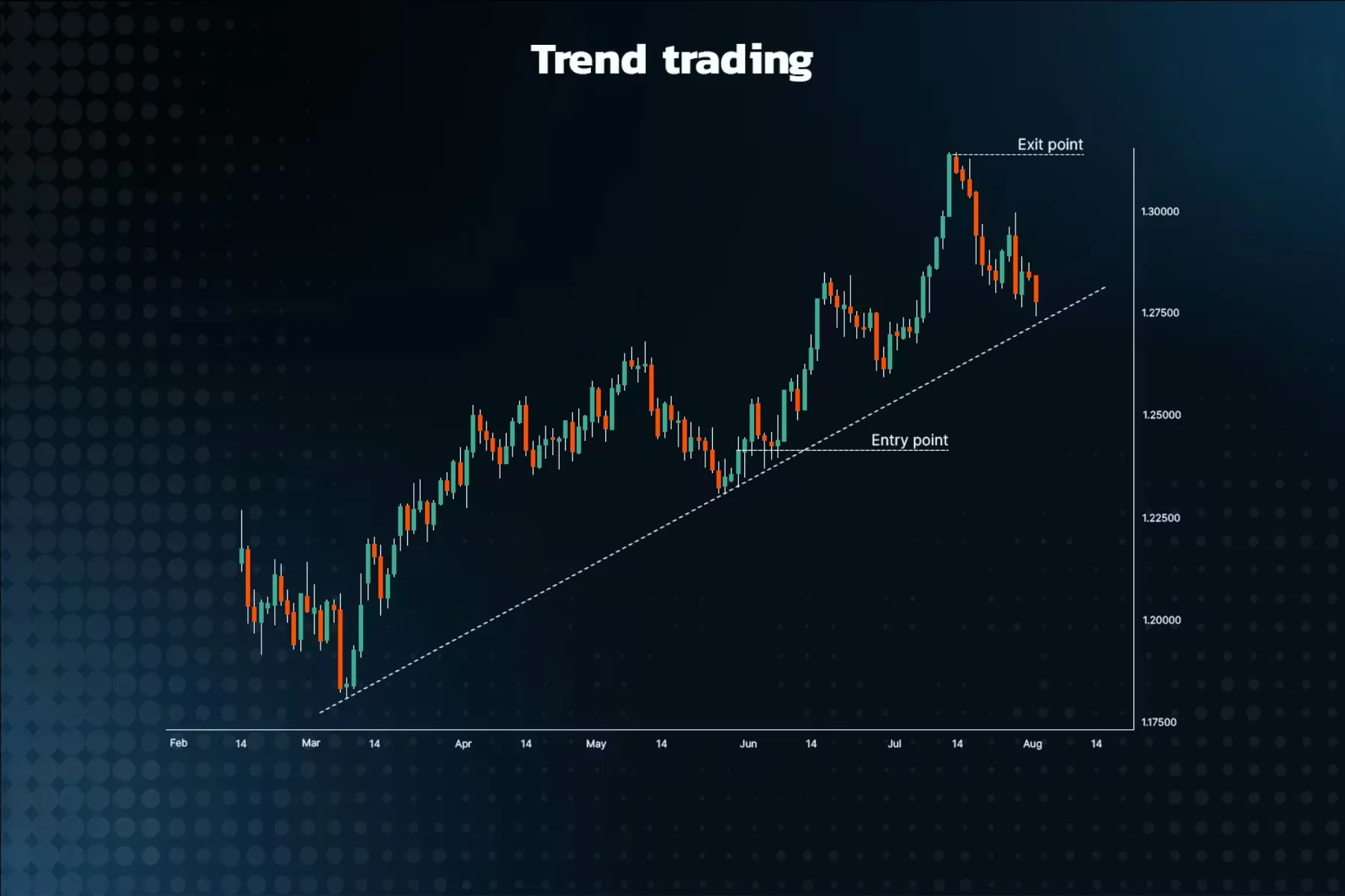
This doesn’t mean a day trader isn’t focused. They are, but the intensity is spread out over a longer period. They might check their charts periodically throughout the day while waiting for an alert to trigger. Once a trade is executed, it requires management, but since the holding time is longer, decisions don’t have to be made in a split second. This style can be more flexible. A trader could perform their analysis, set alerts for their target entry points, and then step away from the screen for a bit. The time commitment is still serious, but it is less about constant, high-speed action and more about patient, strategic execution.
What Personality Traits Suit Scalping vs Day Trading?
The personality traits that suit each style differ greatly, as scalping requires intense focus and rapid decision-making, while day trading rewards patience and deep analytical thought. Your innate temperament can have a huge impact on your success and stress levels with either method. A person who is naturally calm and methodical might struggle with the frenetic pace of scalping, while an action-oriented person might become bored and impatient waiting for a day trading setup. Recognizing your own psychological profile is a key step in aligning yourself with a trading style that you can stick with long-term. Let’s explore the specific traits that align with each approach.
Is Your Personality a Good Fit for Scalping?
To determine if your personality is a good fit for scalping, you should be honest about how you handle pressure and rapid activity. A successful scalper is typically highly disciplined, extremely patient in waiting for the session to start but impatient in trades, a quick decision-maker, and very resilient to stress. This style is ideal for individuals who thrive in a fast-paced environment. You cannot hesitate. If your strategy signals an entry or exit, you must act instantly. “Analysis paralysis,” or overthinking a trade, is the enemy of a scalper. You need to trust your system and execute flawlessly time and time again.

Patience is also a key trait, but it’s a different kind of patience. A scalper must be patient enough to wait for the most volatile part of the day to trade, but once they are in that window, they act with urgency. They also need incredible focus to filter out market noise and concentrate only on their specific setups for a few hours straight. Furthermore, you must be comfortable with the idea of taking many small losses. A scalper’s win rate is important, so you need the emotional fortitude to take a loss, shake it off immediately, and look for the next opportunity without letting the previous trade affect your judgment. If you are someone who enjoys high-stakes, fast-action activities and can remain calm under fire, scalping might be a great fit.
Is Your Personality a Good Fit for Day Trading?
To know if your personality fits day trading, consider your ability to plan and wait. A successful day trader is generally very analytical, extremely patient in waiting for A-plus setups, decisive when the time comes, and emotionally stable over the course of a day. This style is better suited for those who enjoy the process of research and analysis. You might spend more time preparing for a trade than actually being in one. This involves studying charts, identifying key levels, and forming a thesis for how the day might unfold. If you enjoy strategy and planning, like a chess player, this approach might appeal to you.
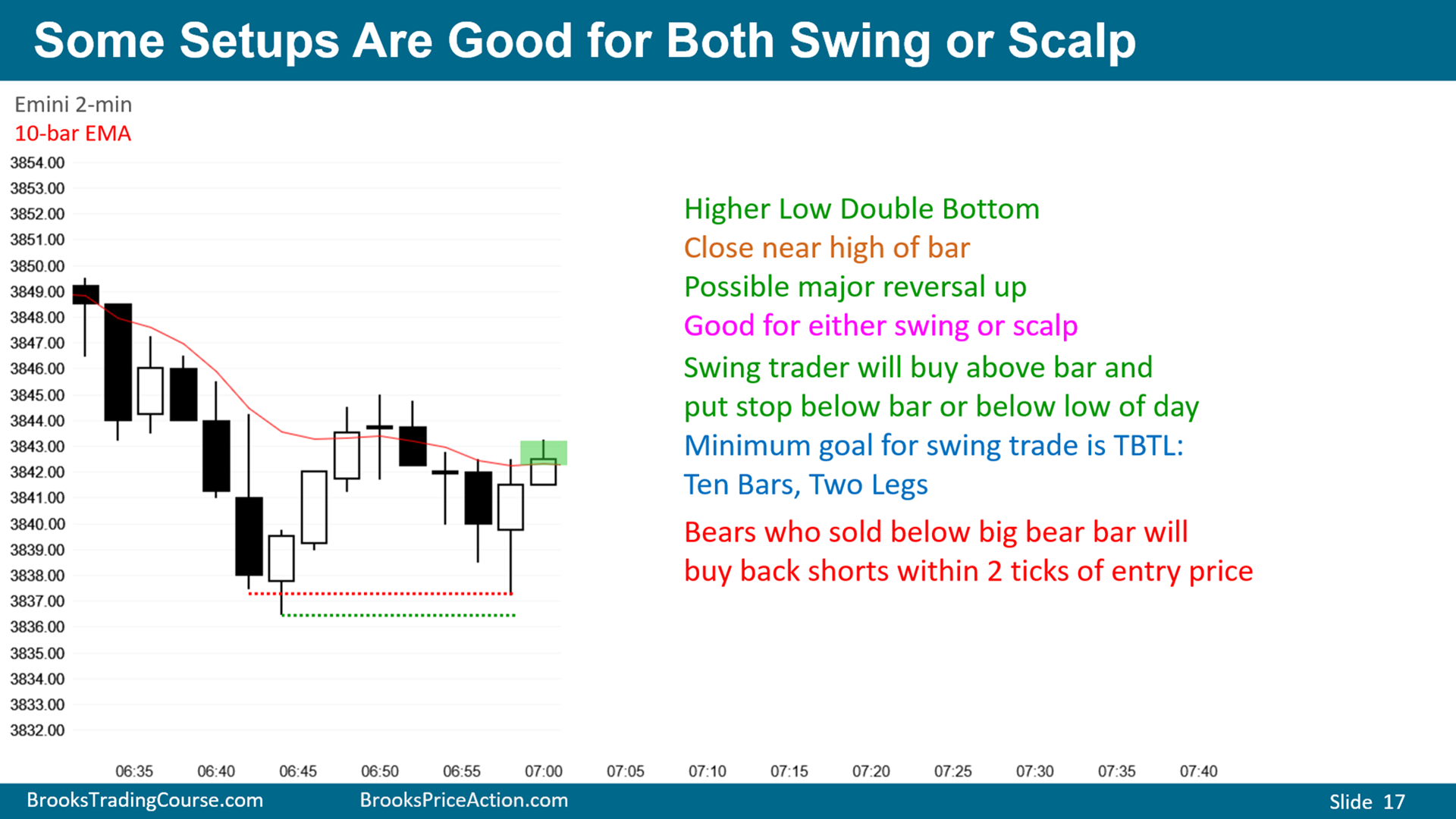
The most important trait for a day trader is patience. You might perform hours of analysis and find that no high-quality trading opportunities present themselves all day. You must have the discipline to do nothing in that scenario, rather than forcing a mediocre trade out of boredom. When your setup finally does appear, you need to be decisive and execute your plan without fear. Since day trades involve more capital at risk per trade compared to scalps, you also need to be able to manage your emotions effectively while a position is open. Watching a trade move against you, even temporarily, can be stressful. The ability to remain calm, trust your analysis, and let the trade play out is paramount.
What are the Main Pros and Cons of Each Trading Style?
The main pros and cons are that scalping offers many trading opportunities with limited risk exposure per trade but incurs high costs, while day trading offers higher profit potential per trade but requires more patience. Choosing between these styles involves a trade-off. Scalping gives you constant action and the chance to compound small wins quickly, but it can be stressful and expensive due to commissions and spreads. Day trading provides a more relaxed pace and the chance for significant daily gains, but it can lead to large single-trade losses and long periods of inactivity. A balanced view of these advantages and disadvantages will help you make a more informed choice.
What are the Advantages and Disadvantages of Scalping?
Scalping presents a unique set of benefits and drawbacks tied directly to its high-frequency nature. The primary advantage is the sheer number of trading opportunities. In a volatile market, a scalper might find dozens of potential trades in a single hour. This constant action can be appealing and leads to rapid feedback on your strategy. Another key benefit is the limited exposure to market risk. Since trades only last for a few seconds or minutes, you are not exposed to adverse news events or sudden trend reversals for very long.

However, the disadvantages are substantial. First, transaction costs can be very high. Every trade incurs a cost from the spread or a commission. When you are only targeting a few pips of profit, these costs can eat up a large portion of your gains. Second, scalping is extremely stressful and mentally demanding. It requires unwavering focus and can lead to burnout. Finally, it requires a very stable and fast internet connection and a direct-access broker, as even a slight delay in execution can turn a winning trade into a losing one.
Pros of Scalping:
- High number of trading opportunities daily.
- Limited exposure to market risk on any single trade.
- No overnight risk from holding positions.
- Potential for quick, compounding profits.
Cons of Scaloping:
- High transaction costs (spreads and commissions) relative to profit targets.
- Intense psychological stress and a high potential for burnout.
- Requires extreme focus and concentration for short periods.
- Highly sensitive to execution speed and platform stability.
What are the Advantages and Disadvantages of Day Trading?
Day trading offers a more methodical approach, which comes with its own list of pros and cons. A major advantage is the potential for significant profit on a single, well-executed trade. Catching one strong intraday trend can result in a substantial gain that might take a scalper dozens of trades to achieve. Like scalping, another pro is that there is no overnight risk, as all positions are closed before the market’s close. This protects you from unpredictable events that can occur when the market is shut. The pace is also slower, which many find to be less stressful than the constant action of scalping.

On the other hand, a primary disadvantage is the lower frequency of trading opportunities. You may go an entire day without seeing a setup that meets your strict criteria, which requires immense patience. Another con is the potential for larger single-trade losses. Because stop losses are wider to accommodate intraday volatility, a losing trade will have a bigger impact on your account balance than a losing scalp would. Finally, day trading requires significant market analysis and a deep understanding of market dynamics. You can’t just react; you must anticipate moves based on a solid trading plan.
Pros of Day Trading:
- Higher profit potential on each individual trade.
- A more relaxed pace compared to scalping, which can be less stressful.
- No overnight risk, protecting capital from after-hours events.
- Less sensitive to transaction costs on a per-trade basis.
Cons of Day Trading:
- Fewer trading opportunities, requiring a lot of patience.
- Potential for larger losses on a single trade.
- Requires in-depth market analysis and a well-developed trading plan.
- Can be emotionally challenging to hold a position through intraday fluctuations.
What Else Should You Know About Short-Term Forex Trading?
Traders must understand the specific broker requirements, capital needs, technical indicators, and automation possibilities relevant to their chosen style. Moreover, it is helpful to place these fast-paced strategies in the context of other approaches, like swing trading, to fully appreciate their unique demands and characteristics. A deeper knowledge of these practical elements helps you build a more robust and sustainable trading plan.
What are the Broker and Capital Requirements for Scalping?
Scalping places extreme demands on a broker, making your choice of platform a critical decision for success. Since scalpers target very small profits on dozens or even hundreds of trades per day, a broker with ultra-low spreads and fast execution is non-negotiable. Traders should look for an Electronic Communication Network (ECN) or Straight Through Processing (STP) broker, such as Pepperstone or IC Markets. These brokers offer direct market access and typically feature raw spreads, charging a small, fixed commission per trade instead. This model is far more cost-effective for high-volume trading than a standard account with wider, fixed spreads. Execution speed is equally important; a delay of even a few milliseconds can turn a winning trade into a losing one.

Regarding capital, while it is technically possible to start with a few hundred dollars, a more realistic starting amount is between $1,000 and $5,000. Here’s why a larger capital base is beneficial:
- Commission Costs: Commissions are charged on every trade, both entry and exit. High-volume scalping can quickly accumulate significant commission costs that can erode a small account.
- Risk Management: A larger account allows you to trade appropriate position sizes (micro lots or mini lots) while still adhering to the 1% risk rule per trade.
- Psychological Buffer: A more substantial capital base provides a cushion against the inevitable strings of losses that occur in trading, reducing the psychological pressure to take improper risks to recover losses.
How Does Day Trading Compare to Swing Trading?
Day trading and swing trading are both popular short-to-medium-term strategies, but they differ fundamentally in their time horizons and operational demands. Swing trading involves holding positions for several days to a few weeks, while day trading requires all positions to be closed by the end of the trading day. This core difference leads to distinct approaches in analysis, risk management, and the psychological temperament required from the trader. A swing trader aims to capture a single significant price “swing” or a portion of a larger trend, whereas a day trader captures smaller price movements within a single session.
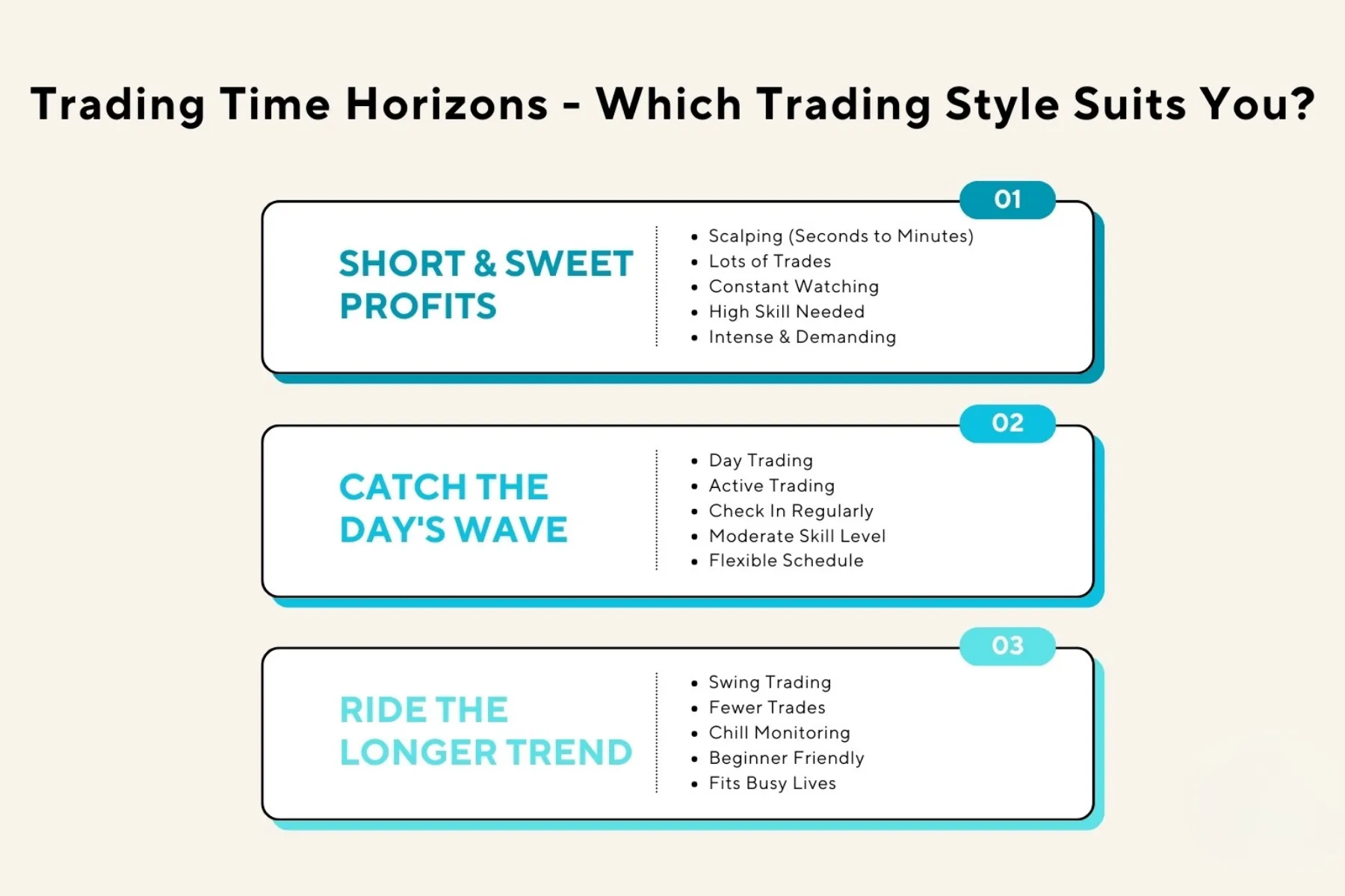
Let’s compare the two styles across key aspects to provide a clearer picture:
- Timeframe and Analysis: Day traders primarily operate on lower timeframe charts, such as the 5-minute, 15-minute, or 1-hour charts. Their analysis is heavily technical and focused on intraday price action. Swing traders use higher timeframe charts, like the 4-hour, daily, and weekly charts. Their analysis often combines technical patterns with fundamental factors that could influence prices over several days.
- Time Commitment: Day trading demands intense focus and several hours of screen time each day to monitor and manage trades actively. In contrast, swing trading is less time-intensive on a daily basis. A swing trader might spend an hour or two analyzing charts in the evening and then only check their positions periodically throughout the day.
- Psychological Demands: The fast-paced nature of day trading requires quick decision-making, emotional control, and discipline to handle rapid wins and losses. Swing trading requires a different kind of patience, specifically the ability to hold a position through overnight market gaps and minor price pullbacks against the primary trend.
What Technical Indicators are Best for Scalping?
Scalpers need technical indicators that provide fast, clear signals on very short timeframes, such as the 1-minute and 5-minute charts. The best indicators for scalping are those that measure momentum and short-term volatility with minimal lag. Complex, lagging indicators are generally avoided because price action can move significantly before a signal is generated. Instead, scalpers rely on a simple combination of tools that allow for rapid decision making. Many successful scalpers find that a clean chart with just one or two indicators is more effective than a cluttered screen.
Commonly used technical indicators for scalping include:
- Moving Averages: Scalpers often use two or three Exponential Moving Averages (EMAs) to identify trend direction and entry points. A common strategy is using a crossover system, for example, buying when a fast EMA (like the 9-period) crosses above a slower EMA (like the 21-period).
- Stochastic Oscillator: This momentum indicator compares a currency pair’s closing price to its price range over a specific period. It is useful for identifying overbought and oversold conditions, signaling potential reversal points for a quick profit.
- Bollinger Bands: These bands consist of a middle moving average plus an upper and lower band set at two standard deviations. When the price touches the upper or lower band, it can signal that a move is overextended, presenting a potential scalping opportunity for a reversal back toward the middle band.
What Technical Indicators are Best for Day Trading?
Day traders analyze intraday trends on charts like the 15-minute, 30-minute, or 1-hour timeframes, requiring indicators that balance responsiveness with reliability. The best indicators for day trading help identify intraday trends, key support and resistance levels, and momentum shifts. Unlike scalpers who need instant signals, day traders can use slightly more comprehensive indicators to build a more detailed picture of the day’s market sentiment. These tools help traders determine whether to enter a trade, where to place stops, and when to take profits within the session.

Popular and effective indicators for day trading include:
- Volume-Weighted Average Price (VWAP): VWAP is a benchmark that shows the average price a security has traded at throughout the day, based on both price and volume. Many institutional traders use it as a reference. Prices above VWAP are considered bullish for the day, while prices below are bearish. It often acts as dynamic support or resistance.
- Relative Strength Index (RSI): The RSI is a momentum oscillator that measures the speed and change of price movements on a scale of 0 to 100. It helps day traders identify overbought (typically above 70) and oversold (typically below 30) conditions, which can signal a potential reversal or pullback.
- Moving Average Convergence Divergence (MACD): The MACD is a trend-following momentum indicator that shows the relationship between two moving averages. Day traders use MACD crossovers and its histogram to gauge the strength of a trend and spot potential entry and exit signals.
- Pivot Points: These are mathematically calculated levels based on the previous day’s high, low, and close prices. Pivot points provide predetermined levels of support and resistance for the current trading day, which many traders use to plan their trades.
Can Scalping and Day Trading be Automated with Bots?
Yes, both scalping and day trading can be automated using trading bots, often called Expert Advisors (EAs) on platforms like MetaTrader 4 and 5. Automation is especially common in scalping due to its demand for lightning-fast execution and rigid discipline. A trading bot can identify a setup and execute a trade in milliseconds, a speed that is impossible for a human to replicate manually. This allows automated systems to capitalize on fleeting opportunities that human scalpers might miss. Furthermore, bots remove the emotional element from trading; they will execute a predefined strategy without hesitation, fear, or greed, which is a major advantage in a high-pressure environment.
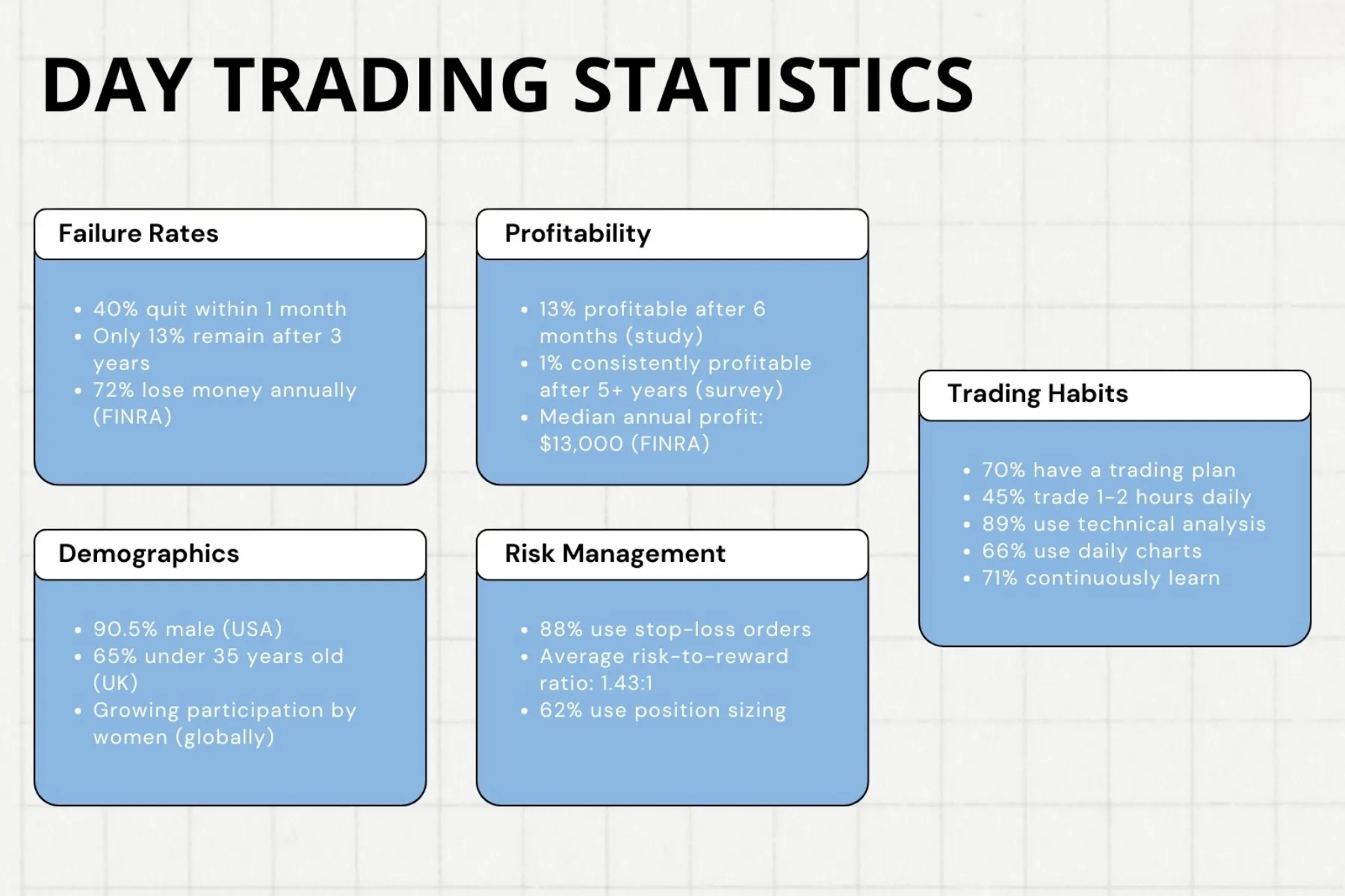
For day trading, automation is also widely used but may involve more complex algorithms. A day trading bot might be programmed to analyze multiple indicators, incorporate news releases, or adjust its strategy based on changing market volatility. Here are key considerations for automating either style:
- Strategy Logic: The bot is only as good as the strategy it is programmed to follow. A clear, rules-based strategy with defined entry, exit, and risk management parameters is necessary.
- Backtesting and Optimization: Before deploying a bot with real money, it must be rigorously backtested on historical data to verify its performance. This helps identify flaws and optimize its parameters.
- Virtual Private Server (VPS): For a bot to run 24/5 without interruption, it should be hosted on a VPS. A VPS is a remote server that ensures the trading platform remains online and connected to the broker, preventing missed trades due to local internet or power outages.