

Blog
How to Build a Forex Trading Plan with Core Components for Success


Building a forex trading plan is a systematic process that involves defining your goals, establishing risk management rules, setting specific entry and exit criteria for your chosen strategy, and creating a consistent daily routine. To build a successful forex trading plan, you must clearly document your personal financial goals, your risk tolerance per trade, the exact conditions for entering and exiting the market, and a disciplined routine for market analysis and trade review. This written document serves as your operational blueprint, guiding every decision you make and removing guesswork and emotional reactions from your trading. It transforms trading from a speculative activity into a structured business.
The core components of any robust trading plan include your personal trading psychology, specific money management rules, a well-defined trading strategy, and a system for record-keeping. Your plan must detail your trading goals, your risk management framework, your precise entry and exit rules, and your daily trading routine. These elements work together to create a comprehensive guide that dictates how you will interact with the market. Without these foundational pillars, a trader is essentially navigating the volatile forex market without a map, making them susceptible to common pitfalls like over-leveraging and emotional trading.
A trading plan is absolutely essential for success because it provides the structure needed to maintain discipline and objectivity. The primary benefits of a trading plan are that it forces discipline, eliminates emotional decision-making, provides a benchmark for performance measurement, and creates consistency in your trading actions. When you have a predefined set of rules for every possible scenario, you are less likely to panic during a losing streak or become overconfident after a series of wins. It allows you to operate like a business owner, making calculated decisions based on your plan rather than on fear or greed.
This structured approach is what separates professional traders from amateurs. The plan is not just a suggestion, it is a set of non-negotiable rules you have created for yourself based on your personality, risk tolerance, and trading strategy. As you move forward, you will learn how to break down each component, build it from the ground up, and then test and refine it to fit your unique trading style.
What is a Forex Trading Plan?
A forex trading plan is a comprehensive, written document that outlines a structured set of rules governing all your trading decisions, including your goals, risk management, money management, and trade execution criteria. Think of it as the complete business plan for your trading career. It is a personalized guide that dictates exactly how you will find, execute, and manage trades in the foreign exchange market. It is designed to keep you disciplined, objective, and consistent, regardless of market volatility or your emotional state. This plan covers everything from your motivations for trading to the specific technical indicators you will use to identify opportunities.
Let’s explore this further. A trading plan forces you to think through every aspect of your trading before you ever risk a single dollar. It answers critical questions like: What is my primary motivation for trading? What is my risk tolerance? How much capital am I willing to lose on a single trade, in a single day, or in a single week? What currency pairs will I trade? What time frames will I focus on? By answering these questions in advance, you create a framework that removes ambiguity and prevents impulsive, in-the-moment decisions that often lead to losses. It is your personal rulebook, built by you, for you.
Why is a Trading Plan Essential for Forex Traders?
A trading plan is essential because it is the primary tool for managing the two biggest obstacles to profitability: emotions and inconsistency. Without a plan, traders are prone to making decisions based on fear, greed, or a gut feeling. For instance, a trader might exit a winning trade too early out of fear of giving back profits, or they might hold onto a losing trade for too long, hoping it will turn around. A trading plan with predefined exit rules for both profit and loss scenarios prevents this. It provides a logical, unemotional reason for every action taken in the market.
Furthermore, a plan creates consistency. If you use a different setup or risk a different amount on every trade, you will have no way of knowing what works and what does not. Your results will be random. A trading plan demands that you apply the same rules and processes to every single trade. This consistency allows you to gather reliable data on your performance, identify patterns, and make intelligent adjustments over time. You can accurately measure your win rate, average risk-to-reward ratio, and other key metrics. This systematic approach is what allows for continuous improvement and the development of a real trading edge.
What is the Difference between a Trading Plan and a Trading Strategy?
Many traders use the terms “trading plan” and “trading strategy” interchangeably, but they are distinct concepts. The easiest way to understand the difference is to think of the trading plan as the overall business plan and the trading strategy as a specific operational procedure within that plan. A trading strategy is a focused methodology that defines the exact conditions for entering and exiting trades. For example, a strategy might be: “Buy EUR/USD when the 50-period moving average crosses above the 200-period moving average on the 4-hour chart, and place a stop-loss 20 pips below the entry.”
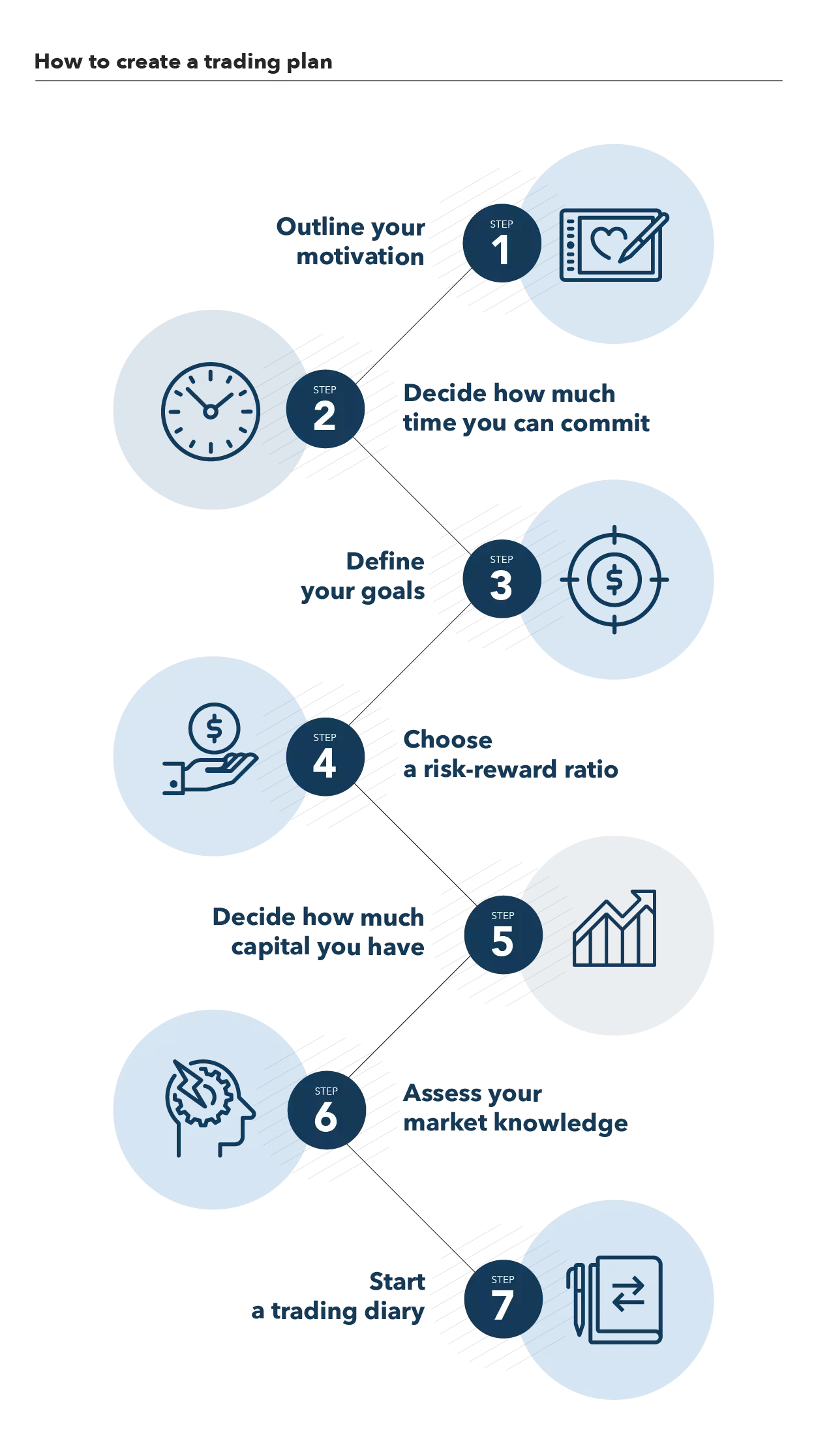
The trading plan is much broader. It incorporates that strategy but also includes many other critical elements. A trading strategy outlines your specific rules for trade entries and exits, while the trading plan is the overarching framework that contains the strategy, your risk and money management rules, your trading goals, and your daily routine. Your plan will state which strategy you are using, but it will also specify how much capital you will risk per trade using that strategy (e.g., 1% of your account). It will define your maximum daily loss limit, what you will do after hitting that limit, and how you will review your trades at the end of the day. In short, the strategy finds the trade, but the plan manages the trader.
What are the Foundational Components of an Effective Trading Plan?
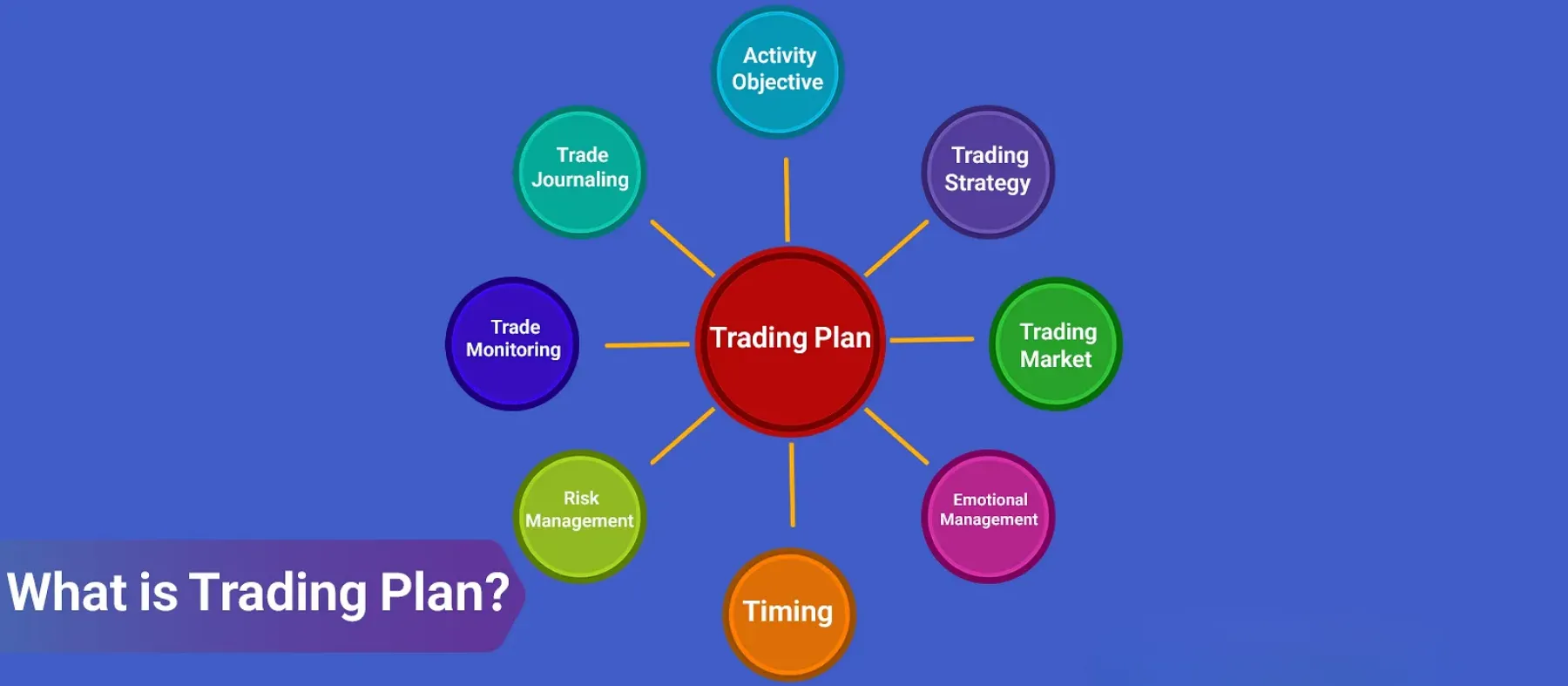
An effective trading plan is built upon four foundational components: clearly defined trading goals, strict risk management rules, specific entry and exit criteria, and a structured daily trading routine. These elements work together to create a complete operational guide for your trading business. Each component addresses a different aspect of trading, from your long-term vision to your minute-by-minute actions. Neglecting any one of these areas leaves a significant gap in your preparation, making you vulnerable to emotional mistakes and inconsistent results.
Let’s explore this breakdown. These components are not just abstract ideas; they must be written down with absolute clarity. Think of it like building a house. Your trading goals are the architectural blueprint, showing what you want to achieve. Your risk management rules are the foundation, protecting your structure from collapse. Your entry and exit rules are the framework of the house, dictating how it’s constructed piece by piece. Finally, your daily routine is the ongoing maintenance that keeps everything in working order. Each part is indispensable for creating a durable and profitable trading operation.
How do you Define your Trading Goals and Objectives?
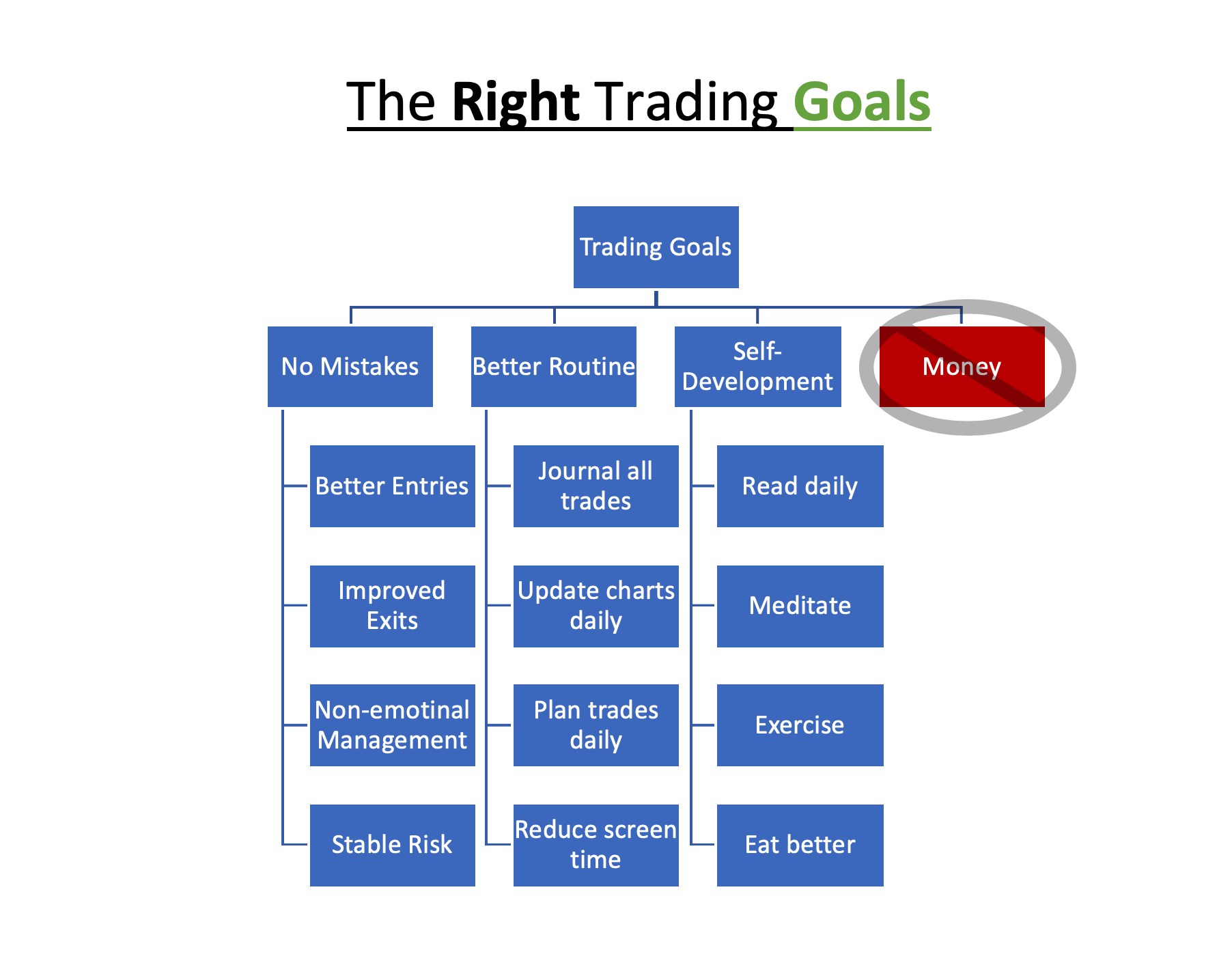
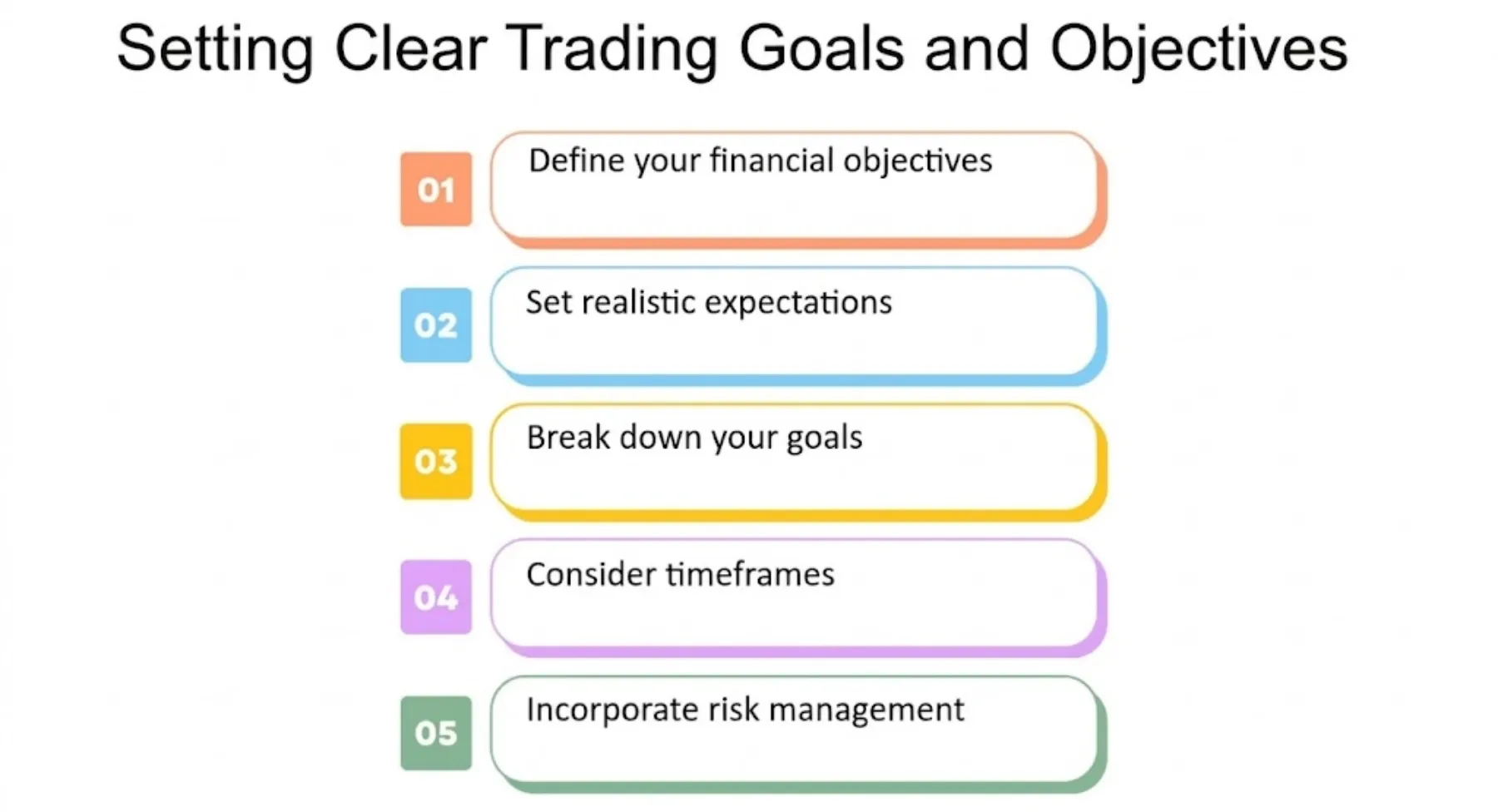
Defining your trading goals and objectives should follow the SMART framework: Specific, Measurable, Achievable, Relevant, and Time-bound. Vague goals like “I want to make a lot of money” are not helpful. Instead, you need concrete targets that can guide your actions and measure your progress. A specific goal might be “I want to achieve a 5% average monthly return on my account.” This is also measurable, as you can track your account balance each month.
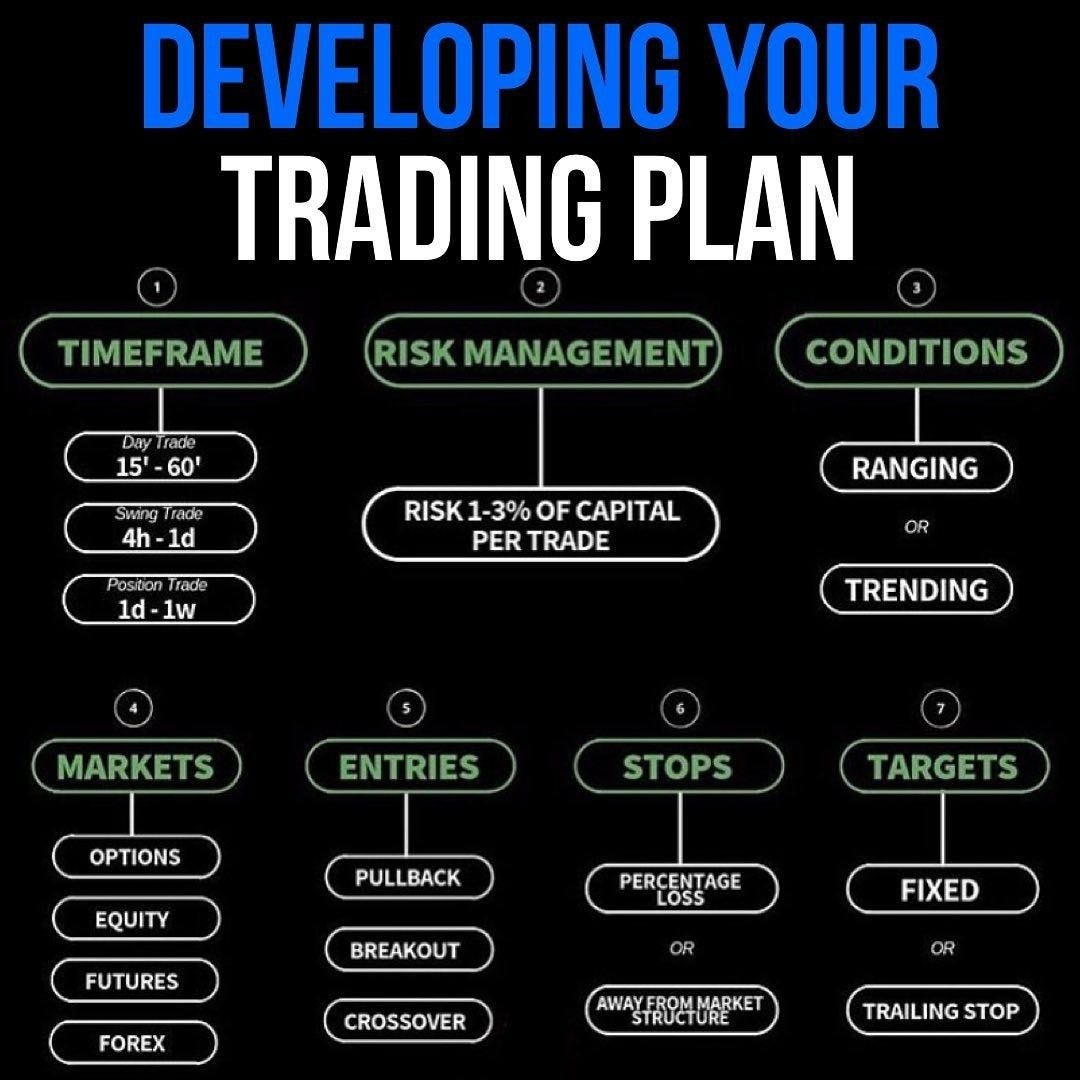
Is it achievable? This depends on your skill level, strategy, and market conditions. A new trader aiming for a 50% monthly return is likely setting themselves up for failure. Start with realistic expectations. The goal must also be relevant to your overall financial objectives. If your aim is to supplement your income, your goals will differ from someone aiming to trade full-time. Finally, make it time-bound. For example, “I will achieve a 5% average monthly return within the next 12 months.” This creates a sense of urgency and a clear deadline for evaluation. You should also set goals for skill development, such as “I will master my trading strategy by backtesting it for 100 hours over the next three months.”
How do you Establish your Risk Management Rules?
Establishing your risk management rules is arguably the most important part of your trading plan, as its primary job is to preserve your capital. The first rule to define is your risk per trade. Most professional traders risk between 1% and 2% of their trading capital on any single trade. This means if you have a $10,000 account, you would not risk more than $100 to $200 on one trade. This rule prevents a single losing trade from severely damaging your account.

Next, you must define your maximum daily loss. This is a hard stop that tells you to walk away for the day. For example, you might set a rule that if your account balance drops by 3% in one day, you stop trading immediately. This prevents “revenge trading,” where a trader tries to win back losses by taking impulsive, high-risk trades. Finally, your plan must detail how you calculate position sizing. Your position size is determined by your risk per trade, your account size, and the distance of your stop-loss. For instance, on a $10,000 account with a 1% risk rule ($100), if your strategy requires a 50-pip stop-loss on EUR/USD, your position size would be calculated to ensure that a 50-pip move against you results in exactly a $100 loss.
How do you Set Specific Entry and Exit Rules?
Your entry and exit rules are the technical heart of your trading plan. They must be defined with zero ambiguity. Your plan should state the exact conditions that must be met before you enter a trade. This is your trading strategy. For example, an entry rule for a trend-following strategy might be:
1. The price on the 4-hour chart is above the 200-period simple moving average.
2. The Relative Strength Index (RSI) has dipped below 30 and crossed back above it.
3. A bullish engulfing candle pattern forms.
If all three conditions are not met, you do not take the trade. There are no exceptions. Equally important are your exit rules. Every trade must have a predefined stop-loss and take-profit level. Your stop-loss is your exit point if the trade moves against you. It should be placed at a logical level, such as below a recent swing low for a long trade. Your take-profit is your target price. This is often determined using a fixed risk-to-reward ratio, like 1:2, meaning your potential profit is twice your potential loss. Your plan must specify exactly how you will determine these levels for every trade.
How do you Outline your Daily Trading Routine?
A daily trading routine provides structure and ensures you are fully prepared for each trading session. It removes randomness and helps cultivate discipline. Your routine should be broken down into three parts: pre-market, during-market, and post-market.
- Pre-Market Routine: This occurs before you place any trades. It includes activities like checking for major economic news releases that could impact your currency pairs, analyzing charts to identify potential trade setups that align with your plan’s entry criteria, and mentally preparing for the session.
- During-Market Routine: This is about execution and management. Your rules here might include “Only take trades that meet 100% of my plan’s criteria,” “Do not check your profit/loss every minute,” and “Do not adjust your stop-loss once it’s set unless the trade is in profit.” This part of the routine is designed to keep you focused and disciplined while you have open positions.
- Post-Market Routine: After the trading day is over, you need to review your performance. This involves logging every trade in your trading journal with notes on why you took it, how you managed it, and the outcome. You review your journal to see if you followed your plan perfectly. This daily reflection is key to identifying mistakes and reinforcing good habits.
How do you Test and Validate your Trading Plan?
You test and validate your trading plan through a two-step process of backtesting on historical data and forward-testing in a live market simulation, which is also known as paper trading. This rigorous testing phase is designed to assess the viability and potential profitability of your plan’s rules before you commit any real capital. It allows you to build confidence in your system and identify any potential flaws in your strategy or risk management parameters in a risk-free environment. Skipping this step is like a pilot trying to fly a new plane without ever using a flight simulator first.
To understand this better, testing is where your theoretical plan meets practical reality. It’s one thing to write down rules, but it’s another to see how they actually perform under various market conditions. Backtesting gives you a statistical look at past performance, while forward-testing adds the element of real-time decision-making and helps you get comfortable with the psychological pressures of execution. This combined approach provides a comprehensive evaluation of your plan, ensuring you are as prepared as possible before you enter the live market.
What is the Process for Backtesting your Plan?
Backtesting is the process of applying your trading plan’s entry and exit rules to historical price data to see how it would have performed in the past. It gives you an objective measure of your strategy’s potential. You can perform backtesting either manually or automatically.
- Manual Backtesting: This involves going back in time on your charting software, like MetaTrader 4 or TradingView, and moving forward one candle at a time. When a setup appears that matches your entry rules, you record it as a trade in a spreadsheet, noting the entry price, stop-loss, and take-profit. You then move forward candle by candle to see how the trade plays out. While time-consuming, this method is excellent for internalizing your chart patterns and setups.
- Automated Backtesting: If your strategy is based on quantifiable indicator values, you can use software or programming languages like MQL4 or Python to automate the testing process. This allows you to test your rules across years of data in a matter of minutes, providing a large sample size of trades.
Whichever method you choose, the goal is to collect data on metrics like win rate, average profit, average loss, and maximum drawdown. A positive expectancy from backtesting suggests your strategy has a statistical edge.
What is the Process for Forward-Testing your Plan?
Forward-testing, often called paper trading or demo trading, is the next crucial step after successful backtesting. It involves trading your plan in a live market environment using a demo account with simulated money. This process tests not only your strategy but also your ability to execute it under real-time market conditions without financial risk. The market is dynamic, and forward-testing helps you see how your plan holds up to real-time volatility, news events, and changing price action.

The process is straightforward. You open a demo account with a forex broker and trade it exactly as you would a live account, following every single rule in your trading plan. You must treat the simulated money as if it were real. The primary goal of forward-testing is to validate your backtesting results and to see if you can psychologically handle the execution of the plan. Can you pull the trigger when a setup appears? Can you stick to your stop-loss when a trade goes against you? You should forward-test for at least one to three months, or until you have a sufficient sample size of trades, to confirm that you can execute your plan consistently and profitably before transitioning to a live account.
How do you Review and Refine your Trading Plan?
You review and refine your trading plan by meticulously tracking your performance in a trading journal and conducting scheduled performance reviews to make data-driven adjustments. A trading plan is not a static document. It is a living guide that must evolve as you gain experience and as market conditions change. The process of review and refinement is a continuous feedback loop: you execute your plan, record the results, analyze the data, and then make small, calculated tweaks to improve performance. This iterative process is what helps you adapt and maintain your edge over the long term.
Let’s explore this. The refinement process should never be based on a whim or a bad day. All changes must be justified by the data you collect in your journal. For example, if your journal shows that most of your losing trades occur on a specific currency pair or during a particular time of day, you might refine your plan to avoid those scenarios. This disciplined approach to self-evaluation and improvement separates traders who succeed from those who stagnate. It turns every trade, win or lose, into a valuable learning opportunity.
What Metrics should you Track in a Trading Journal?
Your trading journal is your most important tool for performance review. It is a detailed log of all your trading activity, but it should go beyond just listing your profits and losses. To get a clear picture of your performance, you need to track several key metrics for every trade. A comprehensive journal entry should include:
- Date and Time: When you entered and exited the trade.
- Currency Pair: The instrument you traded.
- Position Size: The size of your trade.
- Entry and Exit Prices: The exact price levels.
- Stop-Loss and Take-Profit Levels: Your initial planned exit points.
- Profit/Loss: The outcome of the trade in both pips and currency.
- Risk-to-Reward Ratio: The potential reward relative to the risk taken.
- Setup/Strategy: The reason you took the trade, based on your plan’s rules.
- Screenshots: A picture of the chart at the time of entry and exit.
- Psychological Notes: How you felt before, during, and after the trade. Were you anxious, confident, or impatient? Did you follow your plan perfectly?
Tracking these details allows you to analyze your trading from multiple angles and uncover hidden patterns in your behavior and your strategy’s performance.
How Often should you Review your Plan’s Performance?
A consistent review schedule is essential for making meaningful improvements to your trading plan. Sporadic reviews will not provide enough insight. It is best to establish a multi-tiered review process, typically on a weekly and monthly basis.
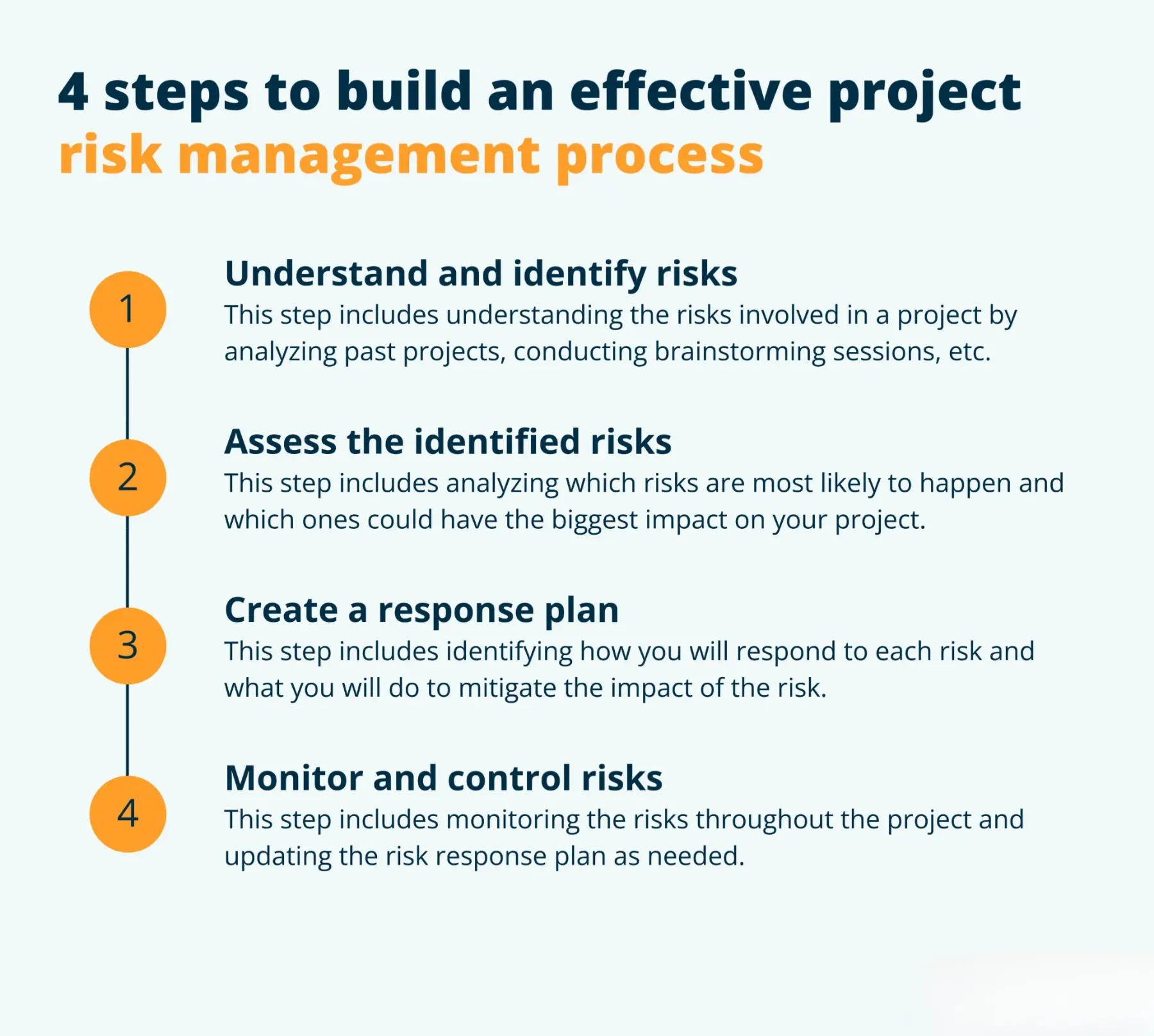
- Weekly Review: At the end of each trading week, you should sit down and analyze all the trades you took. The main focus of the weekly review is to assess your discipline. Ask yourself: “Did I follow my plan on every single trade?” Identify any trades where you deviated from your rules and understand why. This helps you correct behavioral errors quickly before they become bad habits.
- Monthly Review: At the end of each month, you conduct a deeper, more strategic analysis. Using the data from your journal, you can evaluate the performance of your strategy itself. Is your win rate consistent with your backtesting results? Is your average risk-to-reward ratio where it needs to be? Are certain market conditions affecting your performance? The monthly review is where you might make small, data-backed adjustments to your plan, such as tweaking an indicator setting or avoiding a specific trading session that consistently proves unprofitable. This regular, structured review process ensures your plan remains optimized and effective.
What are some Advanced and Situational Considerations for a Trading Plan?
Advanced and situational considerations involve adding rules for trading psychology, adapting to market conditions, and preparing for specific events like major news releases. Furthermore, a robust trading plan accounts for common pitfalls and evolves based on your chosen trading style, such as scalping versus swing trading. These elements transform a basic plan into a dynamic tool that can handle the complexities of the live market.
How do you Incorporate Trading Psychology into your Plan?
Incorporating trading psychology means creating specific rules to manage your mental state and prevent emotional decisions. Instead of just hoping you will stay disciplined, you build checks and balances directly into your trading routine. For example, a pre-trade checklist can include questions like, “Am I feeling patient?” or “Am I trying to force a trade out of boredom?” If the answer to any of these questions is not ideal, the plan dictates that you step away from the charts for a set period. Another powerful technique is to define your emotional “circuit breakers”. If you experience three consecutive losses, your plan might require you to stop trading for the rest of the day to avoid revenge trading. Personal affirmations, such as “I will execute my plan flawlessly, regardless of the outcome,” can also be written at the top of your trading journal to reinforce a professional mindset before the market opens.
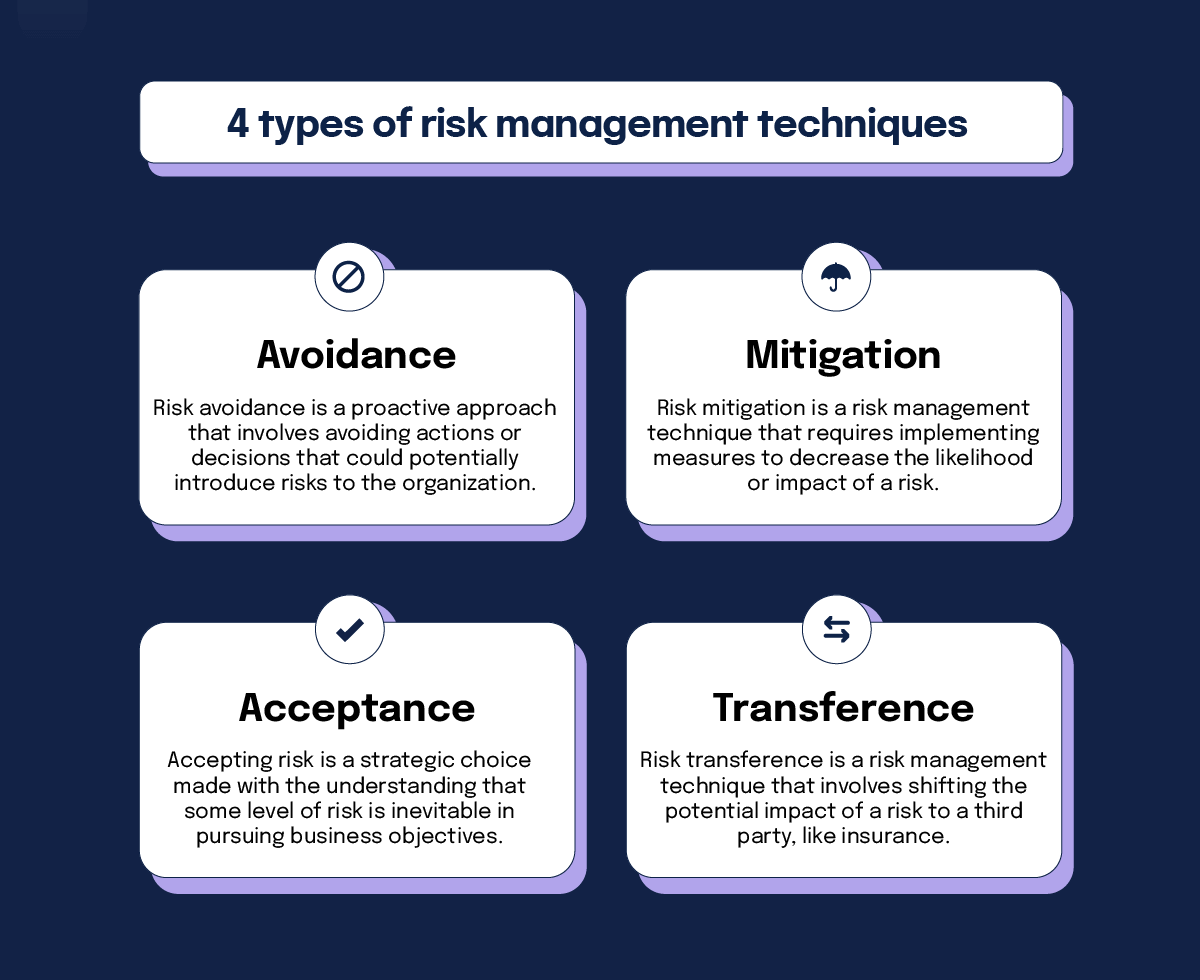
To properly manage your mindset, you can add rules that address specific emotions.
- Fear: If you hesitate to enter valid setups, your plan could state, “If a trade meets all criteria, I must execute it within 10 seconds.”
- Greed: To combat the urge to hold a winner for too long, a rule could be, “I will move my stop loss to break even once the trade reaches a 1:1 risk to reward ratio.”
- FOMO (Fear of Missing Out): To stop chasing price, your plan should explicitly forbid entering a trade if the initial entry point has been missed by more than a certain number of pips.
What are the Most Common Mistakes when Building a Trading Plan?
One of the most frequent mistakes is creating a trading plan that is overly complex. A plan with dozens of rules and multiple indicators can lead to analysis paralysis, where a trader becomes too overwhelmed to make a decision. The plan should be clear and concise enough to be followed under pressure. Another common pitfall is a lack of specificity. Rules like “buy low, sell high” or “cut losses short” are meaningless without precise definitions. A better rule would be, “Buy when the 14-period RSI is below 30 and price tests a key support level, and sell when the RSI is above 70 near resistance.” Each entry, exit, and risk management rule must be objective and measurable, leaving no room for interpretation in the heat of the moment. Finally, the biggest mistake is failing to review and follow the plan consistently. A trading plan is a useless document if it is ignored.
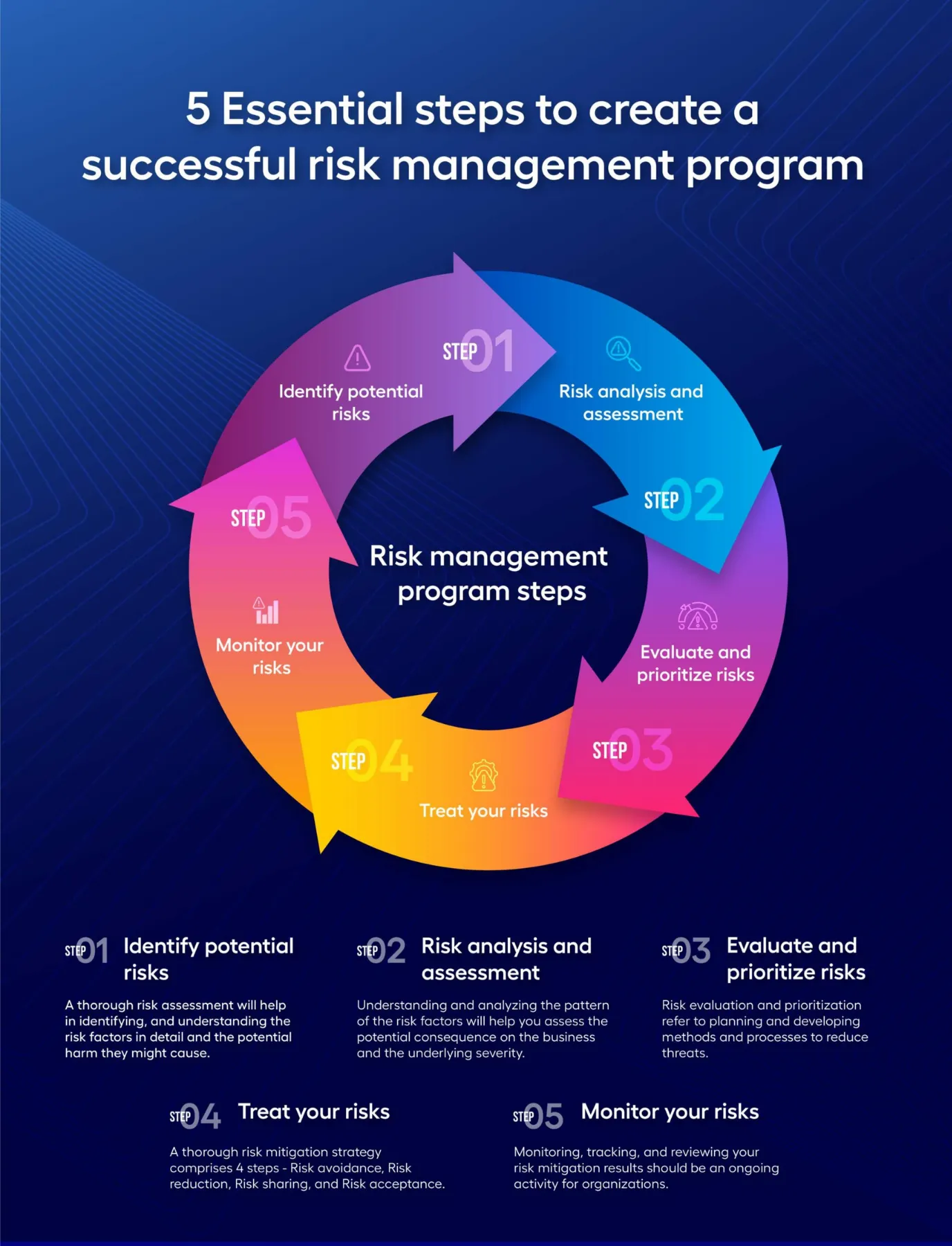
Traders often fall into several predictable traps when creating their first plan.
- Ignoring Backtesting: A trader might build a plan based on theory without testing it on historical data to see if it has a positive expectancy.
- Unrealistic Profit Goals: Setting a goal to “double the account in one month” creates immense pressure and encourages over-trading and excessive risk.
- Neglecting a Trading Journal: The plan should mandate the use of a journal. Without one, you cannot track performance, identify weaknesses, or make data-driven improvements to your strategy.
How should your Plan Adapt to Different Market Conditions?
A sophisticated trading plan contains different sets of rules for varying market environments, as a single strategy rarely works well in all conditions. The first step is to define how you will identify the current market state. For example, you might use the Average True Range (ATR) indicator to measure volatility or moving averages to determine if a market is trending or ranging. Once the condition is identified, your plan switches to a corresponding strategy. In a high-volatility environment, your rules might involve wider stop losses and smaller position sizes to manage the increased risk. Conversely, during low-volatility periods, you might focus on range-bound strategies that buy at support and sell at resistance. For a trending market, the plan would prioritize trend-following entries, such as buying on pullbacks to a moving average.

Adapting your plan requires clear, objective criteria for switching between modes of operation.
- Trending Markets: The plan might state, “If the 50 EMA is above the 200 EMA, only look for long (buy) trades. The entry trigger is a bullish candlestick pattern after price touches the 50 EMA.”
- Ranging Markets: For these conditions, the rule could be, “If price is trading between a clear support and resistance level for at least 10 candles on the H4 chart, look to sell at resistance and buy at support using oscillator signals.”
- High-Impact News: A specific rule might be to flatten all positions or reduce leverage significantly 30 minutes before and after a major economic announcement.
Should your Trading Plan include Rules for Major News Events?
Yes, a comprehensive trading plan should absolutely include specific rules for how to handle major news events. High-impact economic releases, such as the Non-Farm Payrolls (NFP), Consumer Price Index (CPI), or central bank interest rate decisions, often cause extreme and unpredictable price swings. Ignoring them is a recipe for disaster. There are generally two schools of thought on how to manage these events, and your plan should explicitly state which approach you will take. The first and more conservative approach is to avoid trading entirely around these events. Your plan might specify, “No new trades will be opened 30 minutes before or 30 minutes after a red-folder news event.” This helps protect your capital from sudden spikes and widening spreads. The second approach is to have a dedicated strategy for trading the news itself, which is a high-risk, high-reward endeavor suited for experienced traders.

If you choose to trade news events, your plan must be extremely precise.
- Straddle Strategy: This involves placing both a buy stop and a sell stop order just before the news release, hoping to catch a large move in either direction. The plan must define the exact distance for these orders and how to manage the trade once one is triggered.
- Fade Strategy: This strategy involves waiting for the initial spike to exhaust itself and then trading in the opposite direction, betting on a retracement. Your rules would need to specify how to identify the exhaustion point.
- Risk Management: Rules for news trading must be even stricter than normal. For example, “Position size during NFP releases will be reduced to 25% of the standard size.”
How does a Plan Differ for Scalping versus Swing Trading?
A trading plan for a scalper looks vastly different from a plan for a swing trader, primarily due to the differences in time frames, trade frequency, and risk parameters. A scalper’s plan is built for speed and high frequency. It focuses on very short time frames, like the one-minute or five-minute charts, and aims to capture small profits of just a few pips per trade. Consequently, a scalper’s risk management rules will involve extremely tight stop losses. The time commitment is also intense; a scalper must be completely focused during their trading session. In contrast, a swing trader’s plan is designed for patience and longer-term holds. They use higher time frames, such as the four-hour or daily charts, and aim to capture larger price moves over several days or weeks. Their stop losses are much wider to accommodate daily price fluctuations, and their profit targets are more ambitious.

These differences are reflected in nearly every component of the trading plan.
- Trade Frequency: A scalper’s plan might allow for 10 to 30 trades per day, whereas a swing trader’s plan may only generate a few trades per month.
- Risk to Reward Ratio: Scalpers often work with a 1:1 risk to reward ratio or even lower. Swing traders almost always seek trades with a favorable ratio, such as 1:2 or 1:3, to make the long holding period worthwhile.
- Psychological Demands: The scalping plan must include rules to manage stress and prevent burnout from constant decision-making. The swing trading plan needs rules to cultivate patience and prevent the trader from meddling with open positions.