

Blog
Which Key Economic Indicators Move the Forex Market Most?


The key economic indicators that move the forex market most are interest rate decisions, Gross Domestic Product (GDP) reports, inflation data like the Consumer Price Index (CPI), and employment figures, particularly the U.S. Non-Farm Payrolls (NFP). These four pillars provide a direct snapshot of a country’s economic health, influencing central bank policy and investor sentiment, which are the primary drivers of currency valuation. Traders watch these releases closely because they often cause immediate and substantial price swings in the market as new information is priced in.
These indicators matter because they directly influence a central bank’s monetary policy, especially its decisions on interest rates. A strong economy, indicated by high GDP and low unemployment, often leads to higher interest rates to manage inflation. This makes that country’s currency more attractive to foreign investors who are seeking higher returns on their capital. This increased demand for the currency subsequently strengthens its value against other currencies.
Among these indicators, central bank interest rate decisions have the most direct and powerful impact on currency values. While GDP, inflation, and employment data are forward-looking and help traders predict future policy, the actual announcement of an interest rate change by a central bank like the U.S. Federal Reserve or the European Central Bank is a definitive action. This action causes immediate market repricing and a surge in volatility as financial institutions adjust their positions.
These top-tier reports act as signposts for the market, signaling economic strength or weakness. Understanding how each one functions and how they all interact with one another is a fundamental skill for any forex trader. Let’s break down each of these influential indicators to see precisely how they create opportunities and risks in the foreign exchange market.
What are the Most Important Economic Indicators for Forex Traders?
The most important economic indicators for forex traders are interest rates set by central banks, Gross Domestic Product (GDP), inflation reports like the CPI, and national employment data. Here’s the breakdown of why these four categories of data carry so much weight and are watched so closely by market participants around the globe.
These four pillars of economic analysis form a hierarchy of importance for forex traders. At the very top, you have interest rate decisions. Think of an interest rate as the “price” of borrowing money in that currency. Central banks, like the U.S. Federal Reserve (Fed) or the Bank of England (BOE), set a benchmark interest rate to manage their economies. Their primary goals are usually to maintain price stability (control inflation) and achieve maximum employment. When a central bank raises interest rates, it makes holding that currency more attractive because investors can earn a higher return on assets denominated in it, such as government bonds. This draws in foreign capital and increases demand for the currency, causing its value to rise. Conversely, cutting interest rates makes the currency less attractive and typically causes its value to fall.
Next in line is the Gross Domestic Product (GDP). This is the broadest measure of a country’s economic health. It represents the total monetary value of all goods and services produced within a country’s borders over a specific time period, usually a quarter or a year. A strong, growing GDP indicates a thriving economy. Businesses are producing more, people are earning more, and consumers are spending more. This positive outlook makes the country a more attractive place for investment, which supports a stronger currency. Traders pay close attention to the GDP growth rate. A report showing that GDP grew faster than analysts expected is usually very positive for the currency, while a number that falls short of expectations can cause the currency to weaken.
Following GDP is inflation. Inflation is the rate at which the general level of prices for goods and services is rising, which causes the purchasing power of a currency to fall. While runaway inflation is bad for an economy, a moderate amount is often seen as healthy. The most watched inflation report is the Consumer Price Index (CPI), which measures the average change in prices paid by consumers for a basket of common goods and services. Central banks have an inflation target, typically around 2%. If inflation runs too high for too long, they will be forced to raise interest rates to cool the economy down. Because of this direct link, high inflation readings often lead to a stronger currency, as traders anticipate that the central bank will have to tighten its monetary policy.
Finally, we have employment data. A strong labor market is a cornerstone of a healthy economy. When more people are employed, they have more money to spend, which drives economic growth. The most famous employment report in the world is the U.S. Non-Farm Payrolls (NFP), released on the first Friday of each month. This report measures the number of new jobs created in the U.S. economy. A strong NFP number suggests the economy is doing well, which can lead to higher inflation and pressure the Federal Reserve to raise interest rates. As a result, a better-than-expected NFP reading is almost always bullish for the U.S. dollar, causing massive market volatility upon its release.
How Do Interest Rate Decisions Affect Currency Values?
Interest rate decisions affect currency values by influencing the flow of foreign capital; higher rates attract investment, increasing demand and strengthening the currency. Specifically, the actions and official statements of central banks are among the most scrutinized events in the forex market, capable of creating powerful and lasting trends.
Central banks like the Federal Reserve, the European Central Bank (ECB), the Bank of Japan (BOJ), and the Bank of England (BOE) are the guardians of their respective economies. They use monetary policy tools, with the benchmark interest rate being the most powerful one, to steer the economy toward their goals of stable prices and full employment. For forex traders, the interest rate set by a central bank is the single most important factor determining a currency’s long-term value.
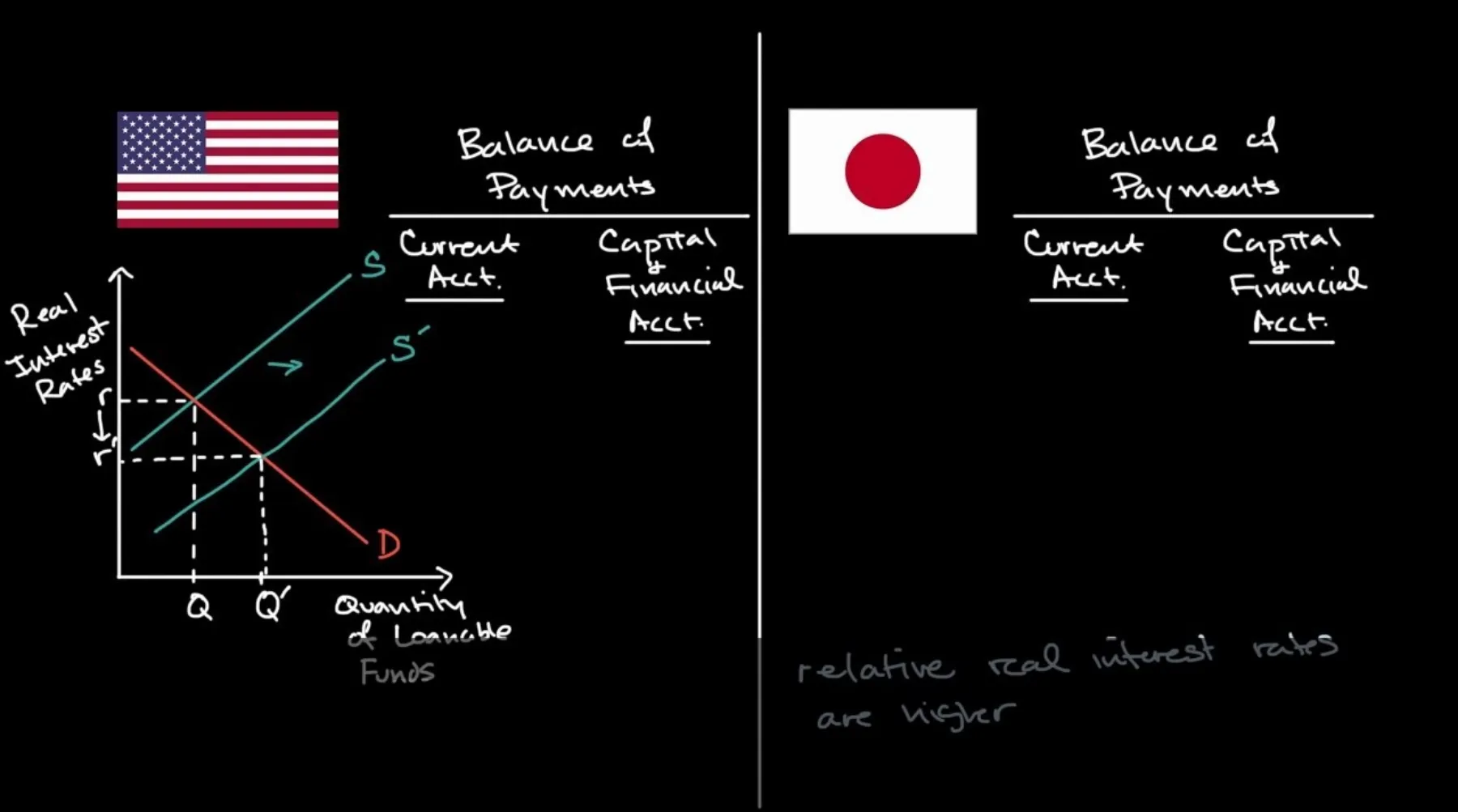
The core mechanism is straightforward. Imagine an international investment fund with billions of dollars to manage. The fund’s goal is to seek the highest possible return with an acceptable level of risk. If the central bank in the United States raises its interest rate to 5%, while the central bank in Japan keeps its rate near 0%, the fund manager has a powerful incentive to invest in U.S. assets. To do this, they must sell their Japanese yen (JPY) and buy U.S. dollars (USD) to purchase U.S. government bonds or other dollar-denominated assets. When large institutions all over the world make this same decision, it creates immense buying pressure on the U.S. dollar and selling pressure on the Japanese yen, causing the value of the USD/JPY currency pair to rise sharply. This is the foundation of the “carry trade,” where traders borrow a low-interest-rate currency to fund the purchase of a high-interest-rate currency, profiting from the interest rate differential.
What is the Relationship Between High Interest Rates and Currency Strength?
The relationship between high interest rates and currency strength is driven by the global search for yield, often referred to as “hot money flows.” International capital is highly mobile and will naturally flow toward countries that offer higher returns on investment. A higher interest rate set by a central bank translates directly into higher yields on government bonds and other fixed-income securities in that country.
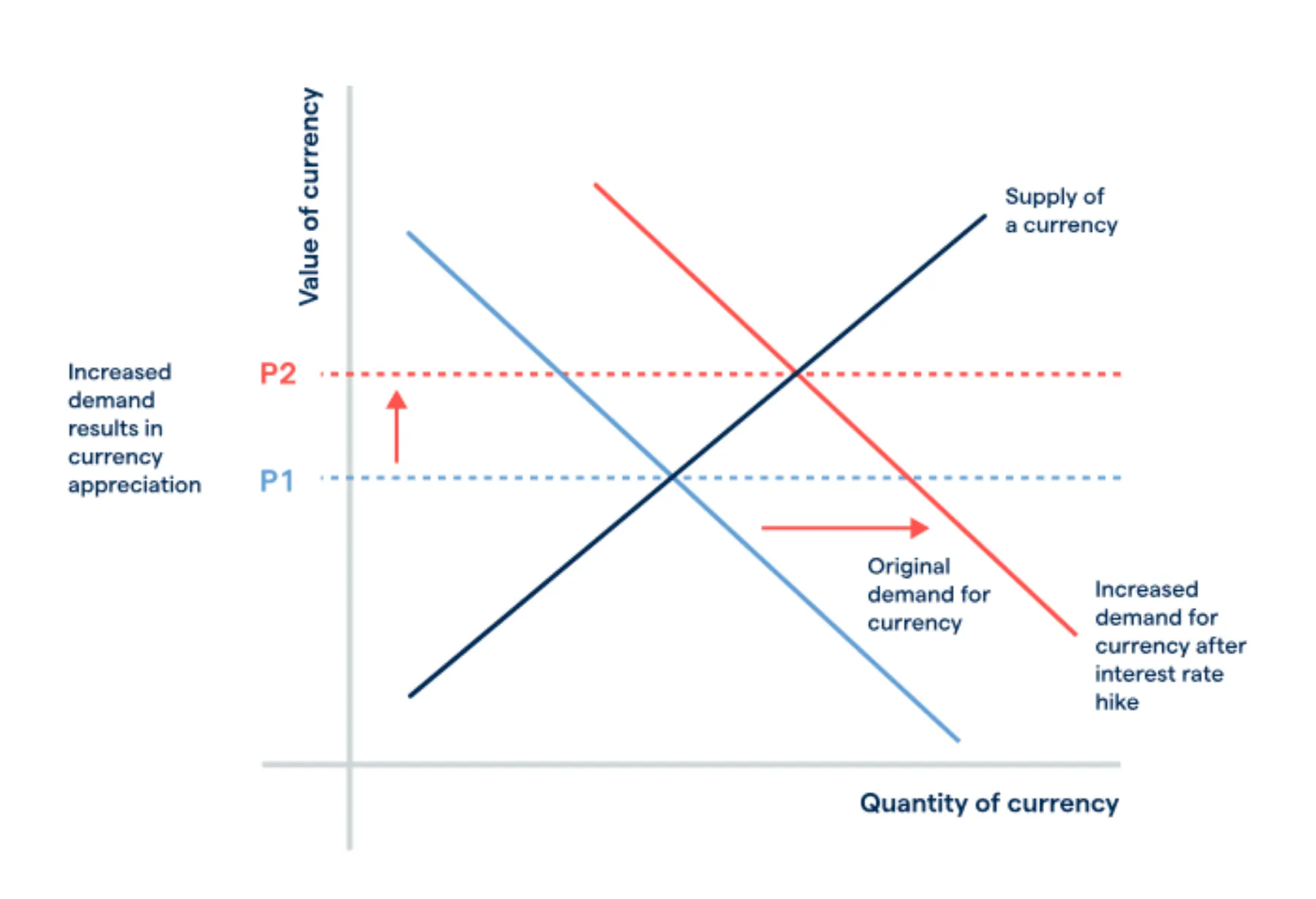
For instance, if a German investor can earn a 1% return on a German government bond but a 4.5% return on a comparable Australian government bond, they have a strong financial reason to invest in Australia. To purchase the Australian bond, the investor must first convert their euros (EUR) into Australian dollars (AUD). This act of selling EUR and buying AUD increases the demand for the Australian dollar, pushing its value up relative to the euro. When this process is repeated by thousands of investors, pension funds, and corporations worldwide, it creates a sustained demand that strengthens the high-interest-rate currency.
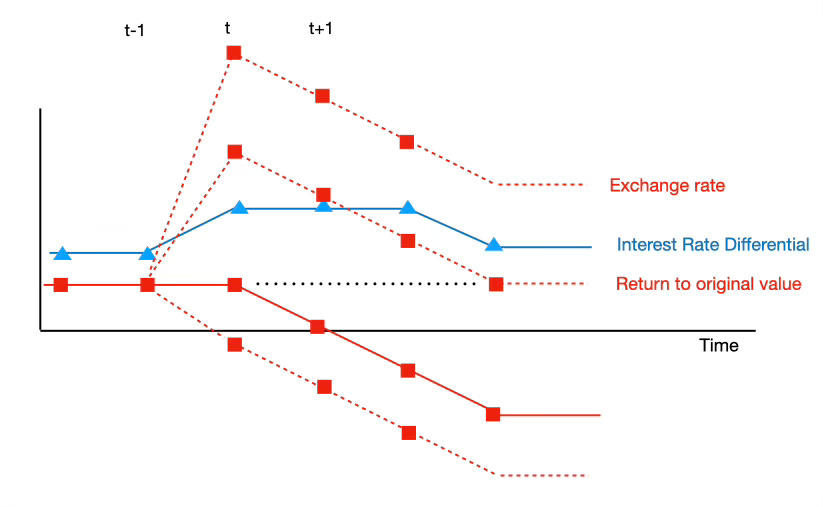
It’s also important to understand that forex markets are forward-looking. This means that the expectation of future interest rate changes can be just as powerful as an actual change. If a central bank releases a statement suggesting that the economy is strong and inflation is rising, traders will start to anticipate future rate hikes. They will begin buying the currency in advance of the actual decision, trying to profit from the expected move. This is why the language used by central bank governors during press conferences is analyzed so intensely.
What is the Difference Between Hawkish and Dovish Monetary Policy?
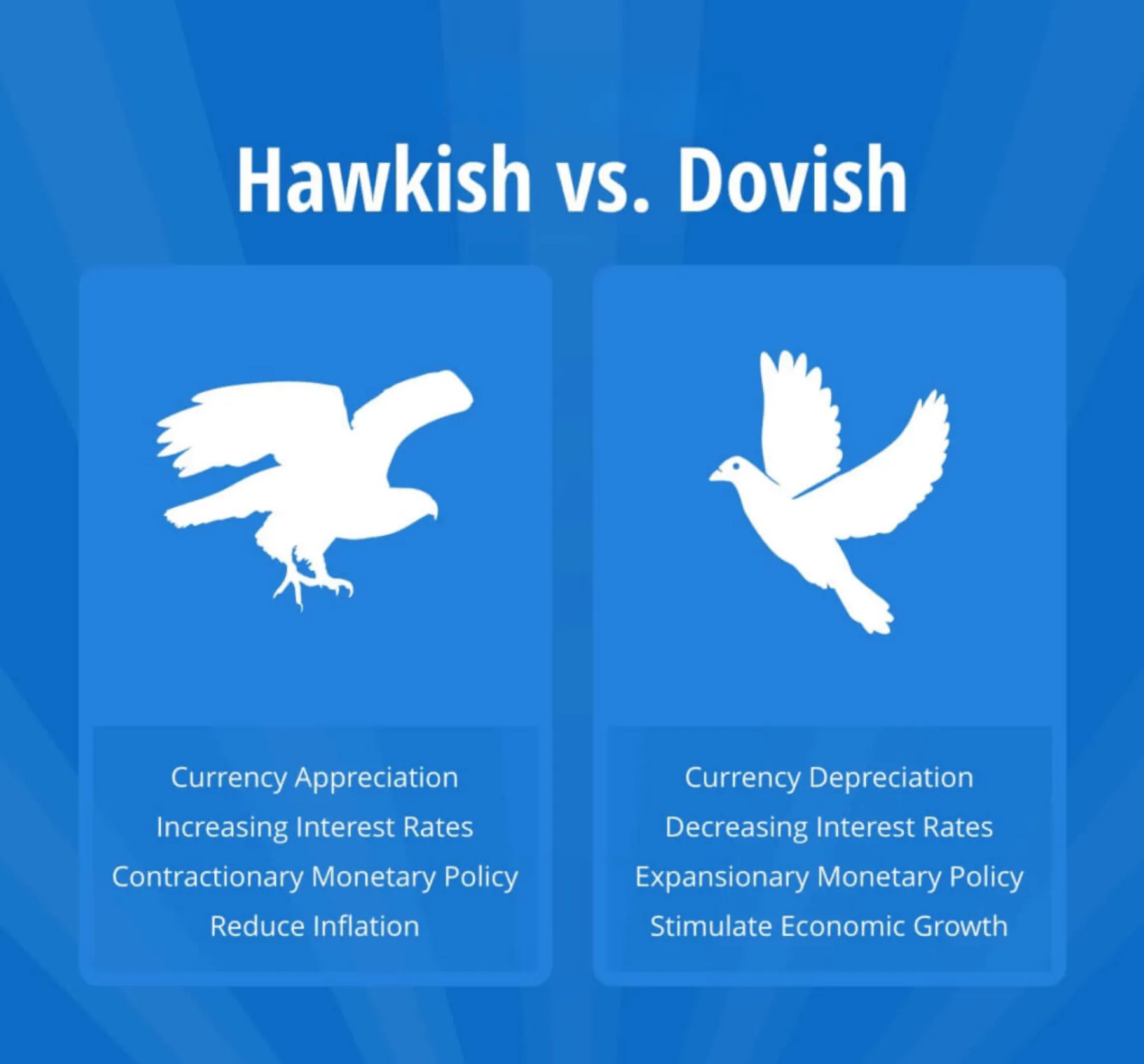
The difference lies in a central bank’s primary focus and its bias toward future interest rate movements. The terms “hawkish” and “dovish” are used by traders to quickly describe the stance of a central bank, which helps in predicting its future actions.
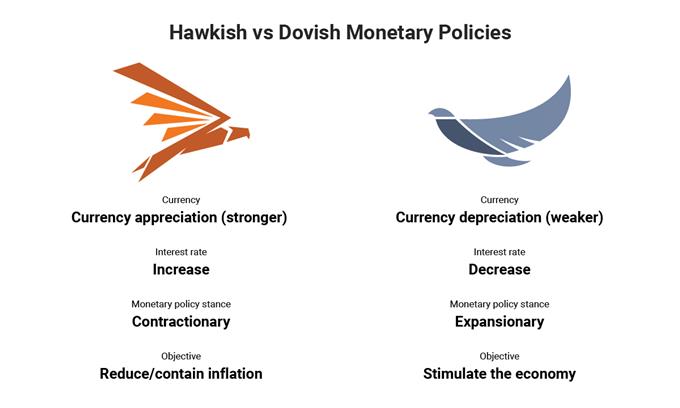
A hawkish monetary policy stance means the central bank is primarily concerned with controlling inflation. When a central bank is described as hawkish, it signals that it is leaning towards raising interest rates or otherwise tightening monetary conditions to prevent the economy from overheating. Hawkish commentary might include concerns about rising prices, a strong labor market leading to wage pressures, or robust economic growth. For forex traders, a hawkish signal is generally bullish for the currency because it points toward higher interest rates in the future.
Conversely, a dovish monetary policy stance indicates the central bank is more concerned with stimulating economic growth and improving employment. A dovish bank is more likely to lower interest rates or use other measures, like quantitative easing, to make borrowing cheaper and encourage spending and investment. Dovish commentary will often highlight risks to economic growth, low inflation readings, or weakness in the job market. For traders, a dovish signal is typically bearish for the currency, as it suggests that lower interest rates are on the horizon, making the currency less attractive to hold. The shift from a dovish to a hawkish stance, or vice versa, can create some of the most profitable long-term trends in the forex market.
What Does Gross Domestic Product (GDP) Reveal About an Economy?
Gross Domestic Product (GDP) reveals the total monetary value of all goods and services produced within a country, acting as the primary report card for its economic health. In detail, a country’s GDP figure tells a story about its growth, productivity, and overall economic stability, which directly influences its currency’s strength.
As the most comprehensive measure of economic activity, GDP is a critical indicator for forex traders. It sums up everything produced by individuals, companies, and the government in a given period. When you hear that a country’s economy is growing, it means its GDP is increasing. This growth is a clear signal of economic strength. A rising GDP suggests that businesses are profitable, employment is likely to increase, and consumer confidence is high. This positive environment attracts foreign investment. International companies may be more willing to build factories or expand operations in a growing economy, and investors will be more inclined to buy stocks and bonds from that country. To make these investments, they must first buy the local currency, which increases its demand and value.
Forex traders pay close attention to the GDP growth rate, which is typically reported on a quarterly and an annual basis. The market’s reaction depends not just on the number itself, but on how it compares to analysts’ expectations. For example, if economists predicted that the U.S. economy would grow by 2.0% in a quarter, but the official report shows growth of 2.5%, this positive surprise would be very bullish for the U.S. dollar. Conversely, if the report showed growth of only 1.5%, this disappointment would likely cause the dollar to weaken as it suggests the economy is not as healthy as previously thought.
How Do GDP Revisions Impact Forex Markets?
GDP revisions can impact forex markets significantly because they can alter the perceived health of an economy after traders have already established their positions. In many countries, like the United States, the GDP figure for a quarter is released in three stages: the Advance Release, the Preliminary Release, and the Final Release.
The Advance Release is the first estimate published, about one month after the quarter ends. It is the most anticipated and typically causes the biggest market reaction because it provides the first look at the recent performance of the economy. However, it is based on incomplete data, so it is often subject to revision.
About a month later, the Preliminary (or Second) Release is published. This version incorporates more complete data that was not available for the advance report. A month after that, the Final Release comes out, providing the most complete picture of the quarter.
The greatest volatility often occurs when there is a substantial revision between the Advance and Preliminary releases. For instance, imagine the Advance GDP report shows a strong 3.0% growth, causing the currency to rally. If the Preliminary report a month later revises that figure down to 2.2%, it tells the market that the economy was actually much weaker than initially believed. This can cause a sharp reversal in the currency’s value as traders quickly sell their positions. Unexpected upward revisions can have the opposite effect, boosting a currency even further.
Is a High GDP Always Good for a Currency?
While a high GDP growth rate is generally very good for a currency, there are nuances where it might not be. The primary exception occurs when an economy is perceived to be “overheating.” This is a situation where the economy is growing at an unsustainable pace, leading to high inflation and potential asset bubbles.
If a country consistently posts extremely high GDP figures, well above its long-term trend, it can create a problem for its central bank. Rapid growth leads to higher demand for workers, which pushes up wages. Businesses, in turn, pass these higher labor costs on to consumers in the form of higher prices, fueling inflation. If inflation gets out of control, it can destabilize the economy.
In this scenario, the central bank may be forced to intervene by raising interest rates aggressively to slow the economy down. While higher interest rates are normally bullish for a currency, the market’s reaction can be mixed. Some traders will buy the currency in anticipation of the rate hikes. However, other traders might become fearful that the central bank will tighten policy too much, pushing the economy into a recession, which is known as a “hard landing.” This fear of a future economic downturn can lead investors to sell the currency, even in the face of strong GDP data. Therefore, context is key; healthy, sustainable growth is always positive, but explosive, unsustainable growth can sometimes be a warning sign.
Why is the Inflation Rate a Critical Forex Market Driver?
The inflation rate is a critical forex market driver because it directly influences a central bank’s primary mandate of price stability and dictates future interest rate policy. Let’s explore how rising prices for everyday goods can cause major waves in the world’s largest financial market.
Inflation represents the rate at which the value of a currency is falling and, consequently, the general level of prices for goods and services is rising. If the annual inflation rate is 3%, it means a basket of goods that cost $100 a year ago would cost $103 today. High and unpredictable inflation is damaging to an economy because it erodes savings, discourages investment, and creates uncertainty for businesses and consumers. For this reason, nearly every major central bank in the world, including the Federal Reserve and the European Central Bank, has a primary goal of maintaining low and stable inflation, usually targeting an annual rate of around 2%.
This mandate is precisely why forex traders watch inflation data so closely. When inflation starts to rise consistently above the central bank’s target, it acts as a powerful signal that the bank will soon have to take action. The most common tool used to fight inflation is raising interest rates. By making it more expensive for people and businesses to borrow money, a central bank can cool down demand in the economy, which helps to bring prices back under control.
For the forex market, this creates a clear and direct chain of events. A higher-than-expected inflation report, such as the Consumer Price Index (CPI), leads traders to believe that the central bank will be more likely to raise interest rates in the near future. In anticipation of this move, traders will start buying that country’s currency, pushing its value higher. Conversely, if inflation is very low or falling, it suggests the central bank can keep interest rates low or may even consider cutting them, which is typically bearish for the currency.
What is the Consumer Price Index (CPI)?
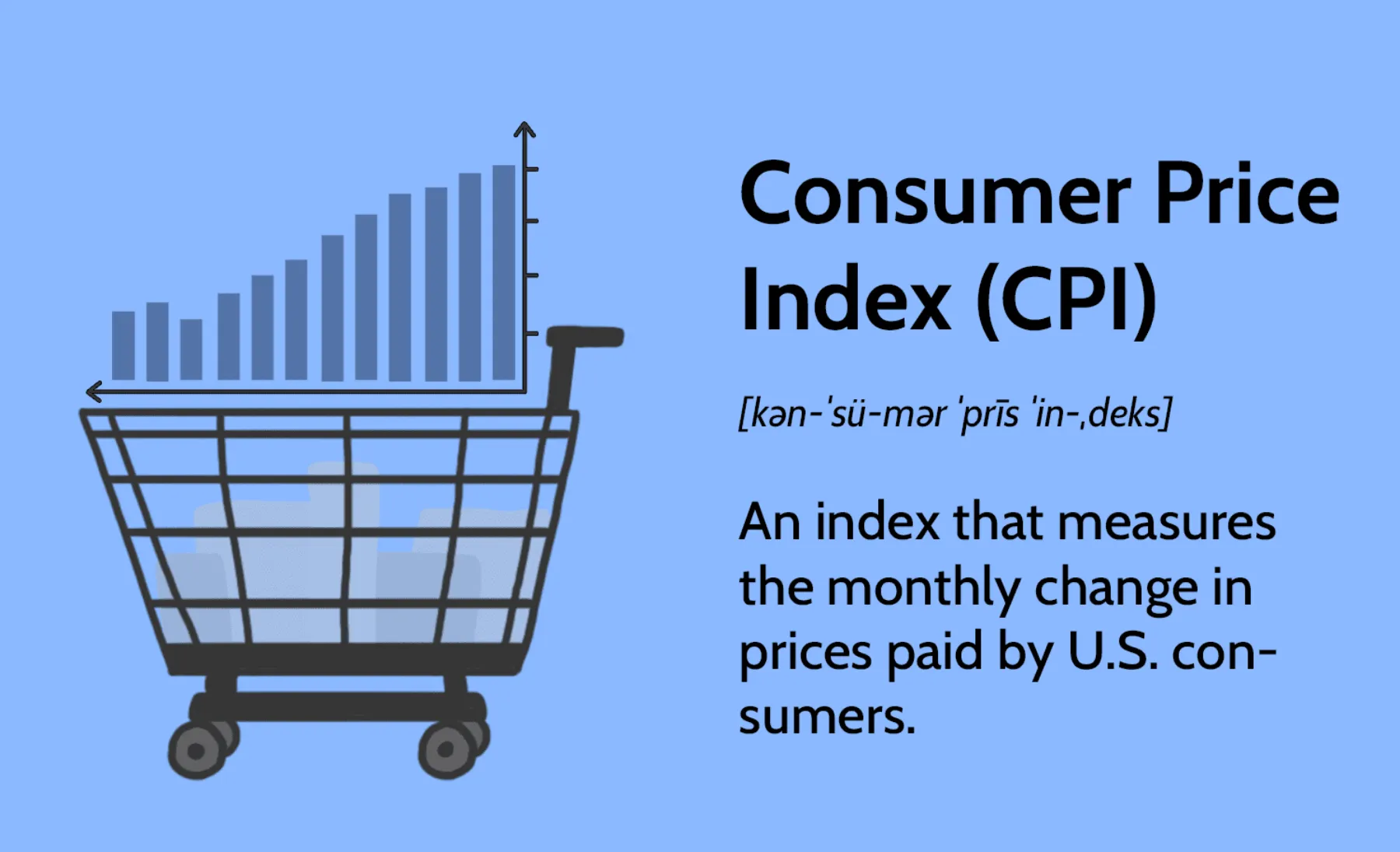
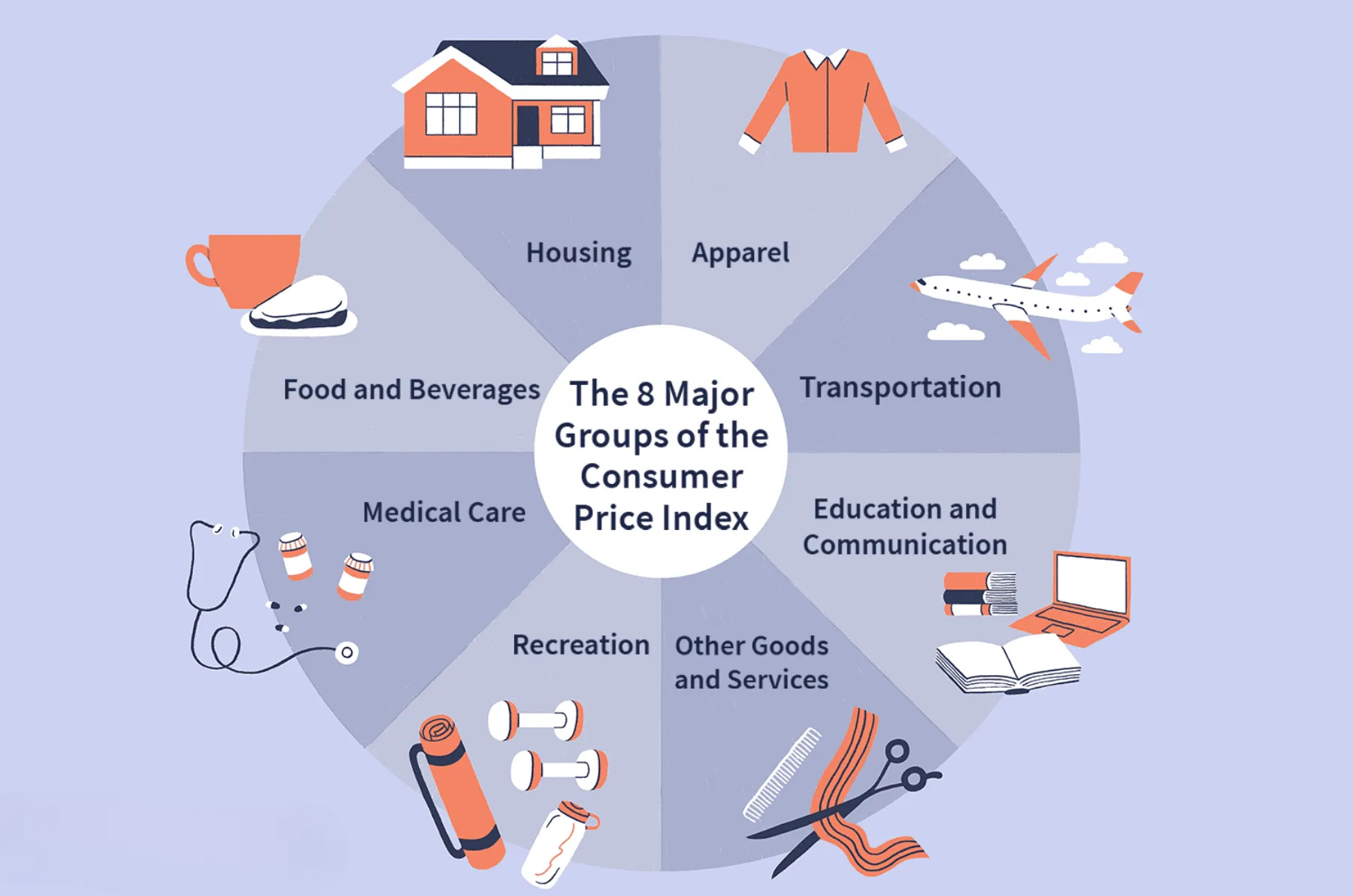
The Consumer Price Index (CPI) is an economic indicator that measures the average change over time in the prices paid by urban consumers for a market basket of consumer goods and services. This basket includes everything from food and housing to transportation, medical care, and clothing. The CPI is the most widely followed measure of inflation because it directly reflects the cost of living for a typical household.
To calculate the CPI, government statisticians collect price data for thousands of items from thousands of retail outlets and service providers across the country each month. They then average these prices, with different items being given different weights in the index based on their importance in a typical family’s budget. For example, housing costs will have a much larger weight than the price of movie tickets.
Traders often focus on two versions of the CPI. The first is the “headline” CPI, which includes all items. The second is the “core” CPI, which excludes the more volatile categories of food and energy. Central bankers often pay more attention to the core figure because food and energy prices can swing wildly due to short-term factors like weather or geopolitical events, and the core CPI gives them a better sense of the underlying inflation trend in the economy. A high CPI reading is a direct signal of rising inflation.
How Does High Inflation Affect Central Bank Decisions?
High inflation puts direct pressure on a central bank to tighten its monetary policy. When CPI figures are consistently coming in above the bank’s target rate, it signals that the economy is running too hot and that the purchasing power of the currency is being eroded too quickly. This forces the central bank to uphold its mandate of price stability.
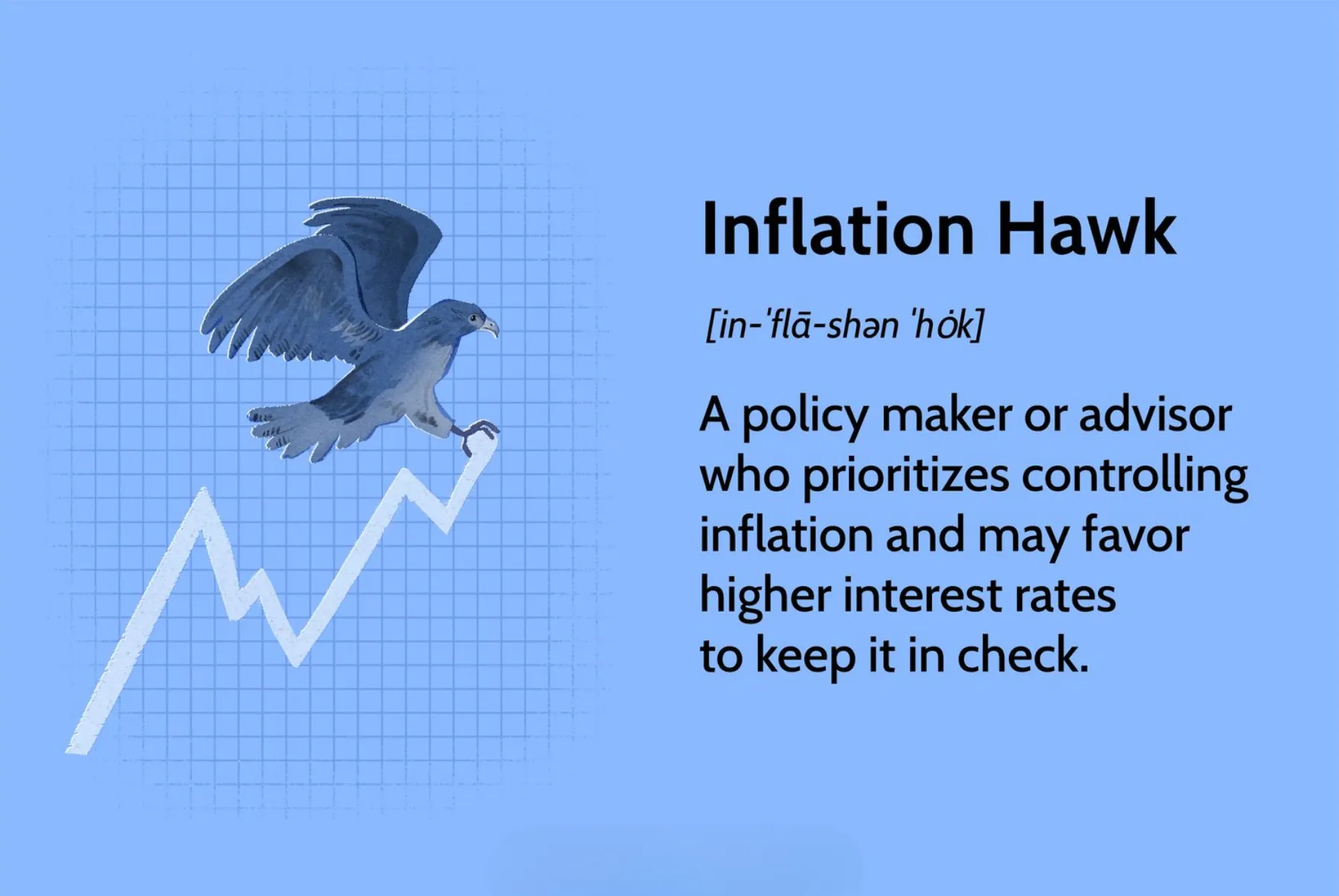
The primary response to high inflation is to raise the benchmark interest rate. This action has a ripple effect throughout the economy. Commercial banks will raise the interest rates they charge on mortgages, car loans, and business loans. This makes borrowing more expensive, which discourages spending and investment by both consumers and companies. As demand for goods and services cools down, the upward pressure on prices diminishes, and inflation tends to fall.
For forex traders, this link is fundamental. The moment a high inflation report is released, algorithms and human traders immediately begin to calculate the increased probability of a future interest rate hike. This expectation alone is enough to cause the currency to strengthen. For example, if the U.S. CPI comes in hotter than expected, the U.S. dollar will almost certainly rally against other currencies like the euro, yen, and pound. This is because the market is pricing in a more “hawkish” Federal Reserve, which means higher returns for those holding U.S. dollar-denominated assets.
How Does Employment Data Impact Currency Prices?
Employment data impacts currency prices by providing a timely snapshot of economic health, influencing expectations for consumer spending, inflation, and subsequent central bank policy. To understand this relationship, let’s break down the most influential employment reports that every trader watches.
A country’s labor market is a vital component of its overall economic engine. When businesses are confident about the future, they hire more workers. When people have stable jobs, they earn a steady income, which gives them the confidence to spend money on goods and services. Since consumer spending is the largest single contributor to the GDP of most developed economies, a strong jobs market is a clear sign of economic vitality. This fundamental link makes employment reports a top-tier indicator for forex traders.
A positive employment report, showing strong job growth and a low unemployment rate, is generally bullish for a currency for several reasons. First, it confirms that the economy is on a solid footing, which attracts foreign investment. Second, it suggests that future consumer spending will be robust, contributing to stronger GDP growth down the road. Third, and perhaps most importantly, a very strong labor market can lead to inflation. When unemployment is low, businesses have to compete for a smaller pool of available workers, which often forces them to offer higher wages to attract and retain talent. This wage growth can lead to broader price inflation, which in turn pressures the central bank to consider raising interest rates. As we’ve seen, the expectation of higher interest rates is a powerful driver of currency strength.
What is the Non-Farm Payrolls (NFP) Report?
The Non-Farm Payrolls (NFP) report is a monthly statistic released by the U.S. Department of Labor that represents the total number of paid U.S. workers of any business, excluding general government employees, private household employees, employees of non-profit organizations, and farm employees. The NFP number is released on the first Friday of each month and is arguably the single most-watched economic indicator in the world.

The NFP’s immense market impact comes from its timeliness and its direct connection to the U.S. Federal Reserve’s policy goals. The Fed has what is known as a “dual mandate”: to promote maximum employment and maintain stable prices. The NFP report is a direct measure of how well the Fed is achieving the employment half of its mandate.
The release of the NFP report is a moment of extreme volatility in the forex market, especially for currency pairs involving the U.S. dollar, such as the EUR/USD, GBP/USD, and USD/JPY. The market’s reaction hinges on how the actual number compares to the consensus forecast of economists. A number that beats expectations by a wide margin signals a surprisingly strong economy, increasing the odds of future interest rate hikes by the Fed and causing the U.S. dollar to surge in value. Conversely, a number that misses expectations suggests economic weakness, which could lead to a more dovish Fed, causing the dollar to fall sharply.
How Does the Unemployment Rate Affect a Currency?
The unemployment rate, which is released at the same time as the NFP report, represents the percentage of the total labor force that is jobless but has actively sought employment within the past four weeks. While the NFP number shows the direction of job growth, the unemployment rate provides a broader context for the health of the labor market. A low and falling unemployment rate is a clear sign of a strong economy and is bullish for the currency.
When unemployment is low, it indicates that businesses are hiring and that most people who want a job can find one. This leads to higher consumer confidence and spending, which fuels economic growth. From a monetary policy perspective, a very low unemployment rate, often referred to as a “tight” labor market, can be a precursor to inflation. As companies compete for a limited number of workers, they are forced to raise wages. These higher wage costs can then be passed on to consumers through higher prices.
Central banks watch the unemployment rate very closely as an indicator of potential future inflation. A consistently low rate may prompt them to adopt a more hawkish stance and consider raising interest rates to keep the economy from overheating. For forex traders, a lower-than-expected unemployment rate is therefore a positive signal for the currency, reinforcing the narrative of a strong economy that can support higher interest rates.
What Other Economic Reports and Factors Influence the Forex Market?
Beyond major indicators like GDP and inflation, factors like manufacturing data, consumer spending, central bank sentiment, and geopolitical events also create significant currency movements. Furthermore, understanding these secondary drivers provides a more complete picture of the forces shaping forex valuations. Each report and event offers unique clues about economic health and future monetary policy, allowing traders to build a more nuanced strategy.
What is the Purchasing Managers’ Index (PMI) and Why Does It Matter?
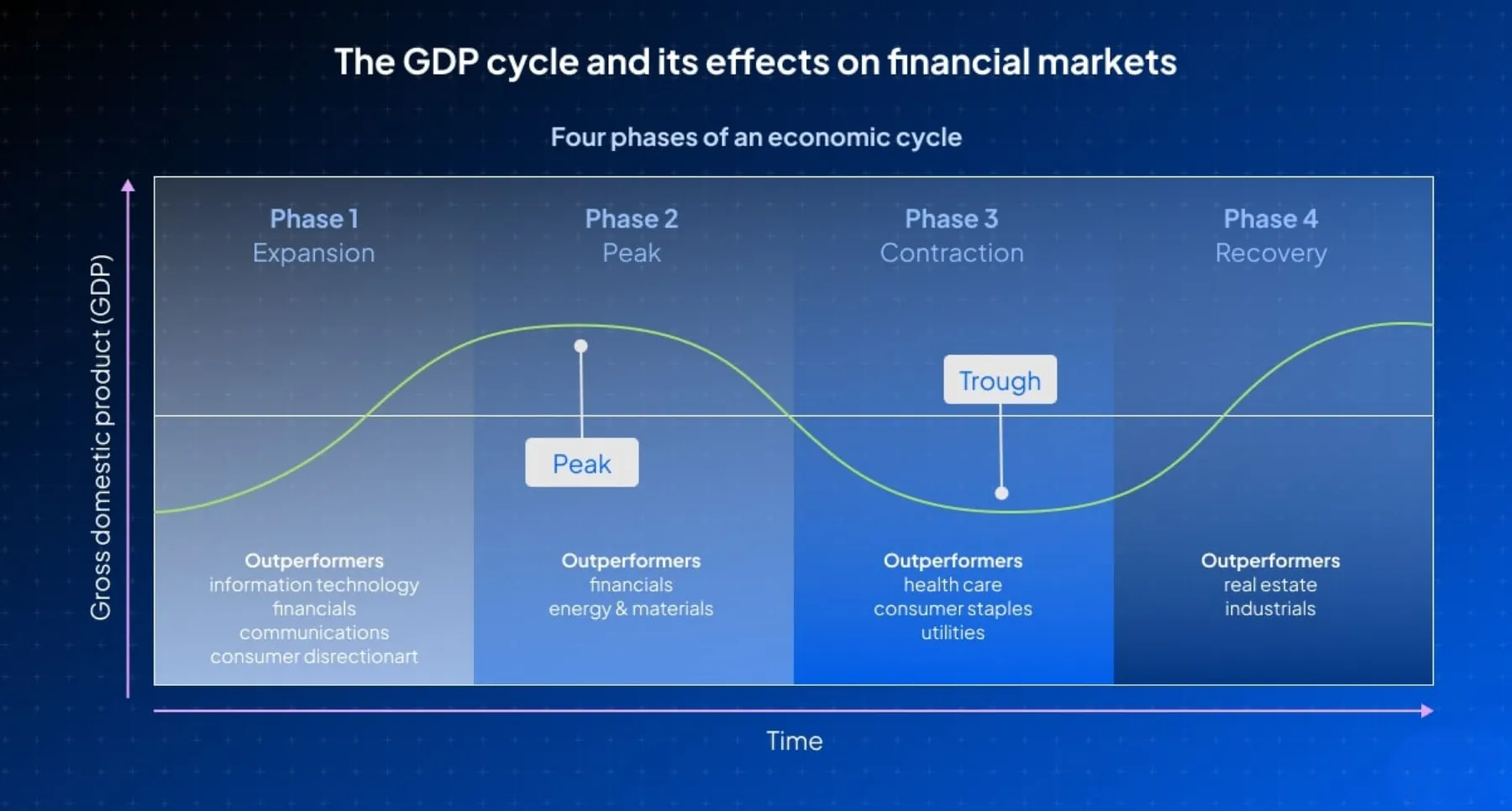
The Purchasing Managers’ Index (PMI) is a crucial leading indicator that measures the health of a country’s manufacturing and services sectors. It is based on monthly surveys sent to senior executives and purchasing managers who provide their views on business conditions, including new orders, inventory levels, production, and employment. The headline PMI figure is an index ranging from 0 to 100. A reading above 50 indicates that the sector is expanding, while a reading below 50 signals a contraction. A reading of exactly 50 suggests no change.
Traders watch PMI data closely because it provides one of the first snapshots of economic performance for a given month.
- Predictive Power: Since it reflects current business activity and sentiment, it often precedes changes in official economic data like GDP and industrial production.
- Currency Impact: A strong PMI reading (well above 50) suggests a robust economy, which can lead to higher inflation and prompt the central bank to consider raising interest rates. This outlook typically strengthens the nation’s currency.
- Global Context: Comparing the PMI figures of different countries helps traders gauge relative economic strength and identify potential currency trends.
How Does a Country’s Trade Balance Impact Its Currency?
A country’s trade balance, which is the difference between its total exports and total imports, directly influences currency value through the principles of supply and demand. This report measures the flow of goods and services between a nation and its trading partners. A positive balance is a trade surplus, while a negative balance is a trade deficit. Although its impact is often more gradual than that of interest rate decisions, it is a fundamental driver of long-term currency strength or weakness.
The relationship between the trade balance and currency is straightforward.
- Trade Surplus: When a country exports more than it imports, foreign nations must buy more of that country’s currency to pay for the goods. This increased demand puts upward pressure on the currency’s value, causing it to appreciate.
- Trade Deficit: When a country imports more than it exports, its citizens and companies must sell their own currency to buy the foreign currency needed for the imports. This increases the supply of the domestic currency on the market, which can cause it to depreciate over time.
- Investor Sentiment: A persistent and large trade deficit can also signal economic imbalances, potentially discouraging foreign investment and further weakening the currency.
What Do Retail Sales Figures Indicate to Traders?
Retail sales figures are a key economic indicator that measures the total sales of goods by retailers, providing a timely look into consumer spending patterns. For many developed economies, like the United States, consumer spending is the largest component of Gross Domestic Product (GDP). Therefore, retail sales data acts as a proxy for consumer confidence and the overall health of the economy. A strong consumer is often the backbone of economic growth, making this report highly relevant for forex traders.

This data provides clear signals about economic momentum and future central bank policy.
- Economic Health: Rising retail sales suggest that consumers are confident and spending, which fuels economic expansion. This can lead to a stronger currency as investors anticipate continued growth.
- Inflationary Pressure: Strong consumer demand can also lead to higher inflation. Central banks often respond to rising inflation by increasing interest rates, which makes holding the currency more attractive and boosts its value.
- Market Surprises: Because this data is released monthly, it is watched closely for any surprises. A figure that is much higher or lower than analyst expectations can cause immediate volatility in the currency markets.
What is the Difference Between Leading and Lagging Economic Indicators?
The key difference between leading and lagging economic indicators lies in their timing relative to the broader economic cycle. Both types are valuable, but they serve distinct purposes for traders and analysts. Leading indicators are forward-looking and attempt to predict future economic activity, while lagging indicators are backward-looking and confirm trends that have already started. Understanding this distinction is essential for interpreting economic data correctly and making informed trading decisions.
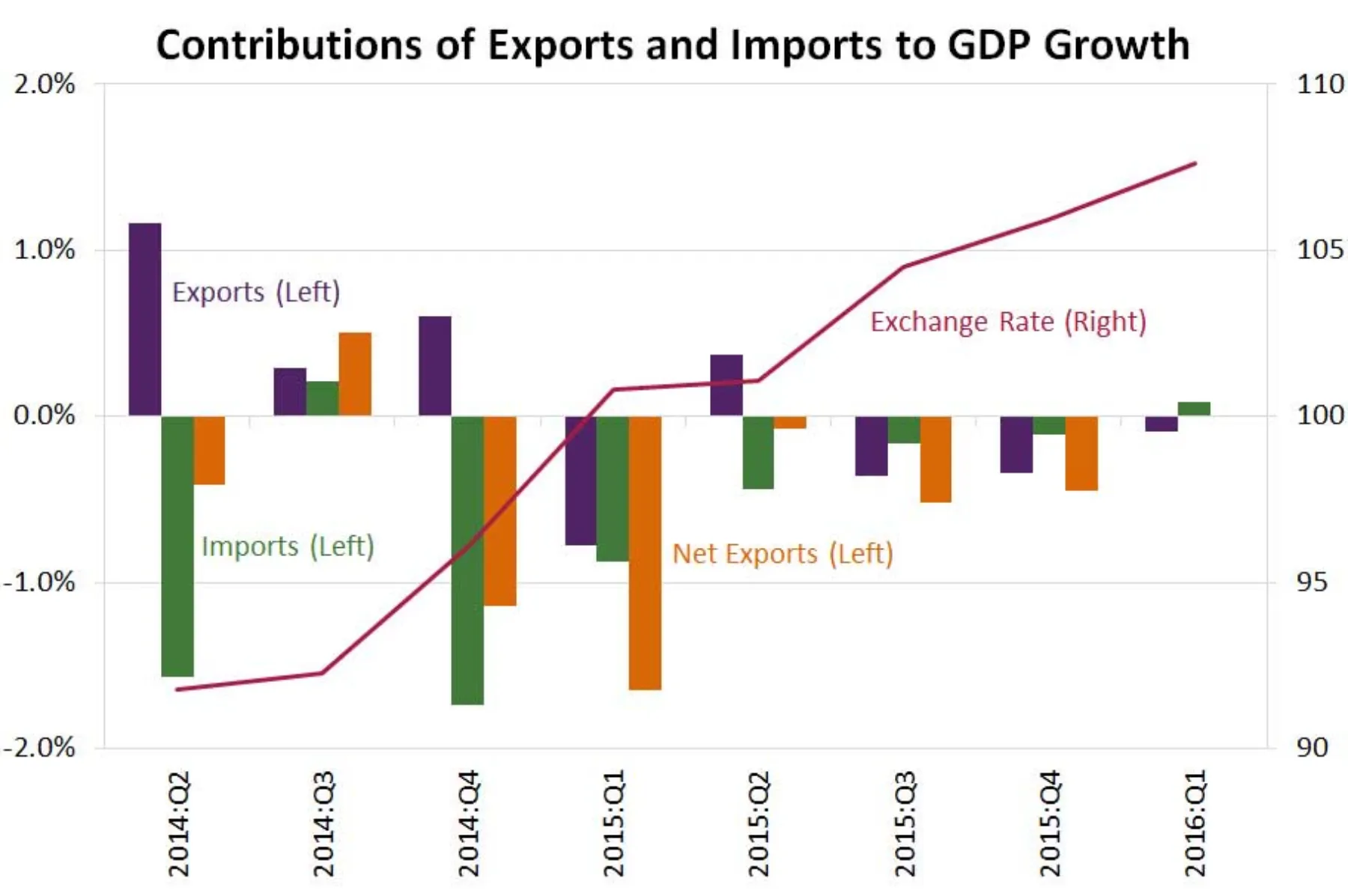
A clear comparison highlights their different roles.
- Leading Indicators: These indicators change before the economy as a whole changes. They provide clues about where the economy is headed. Examples include the Purchasing Managers’ Index (PMI), building permits, and consumer confidence surveys. Traders use them to anticipate market shifts.
- Lagging Indicators: These indicators change after the economy has already changed. They confirm existing trends and provide a historical perspective. Examples include the Gross Domestic Product (GDP), the unemployment rate, and corporate profits. They are useful for confirming that a suspected trend is indeed underway.
- Coincident Indicators: A third category, coincident indicators, moves in real-time with the economy, providing a snapshot of the current economic state. Examples include personal income and industrial production.
How Do Central Bank Speeches and Press Conferences Create Volatility?
Central bank speeches and press conferences create volatility because they offer direct insight into future monetary policy, often with more nuance and forward guidance than a standard data release. While interest rate decisions themselves are important, the accompanying statements and Q&A sessions with central bank governors, like the Federal Reserve Chair or the European Central Bank President, can move markets even more. Traders listen intently for the central bank’s tone and any subtle changes in language.
The sentiment expressed in these events is a powerful market driver.
- Forward Guidance: Central bankers often provide “forward guidance,” which are clues about their future intentions regarding interest rates, asset purchases, or other policy tools. This guidance directly shapes market expectations.
- Hawkish vs. Dovish Tone: A hawkish tone signals a readiness to raise interest rates to fight inflation, which is bullish for the currency. A dovish tone suggests a focus on stimulating growth, possibly through lower rates, which is bearish for the currency.
- Unscripted Remarks: The unscripted Q&A portion of a press conference is especially prone to creating volatility, as an unexpected answer can cause traders to rapidly reprice a currency based on new information or a perceived shift in policy.
Are Geopolitical Events Considered Economic Indicators?
Geopolitical events are not considered formal economic indicators because they are unscheduled, unpredictable, and do not fit into a regular data release calendar. However, they act as powerful and often sudden catalysts for forex market movements. Events such as elections, trade disputes, international conflicts, or political instability introduce significant uncertainty and risk into financial markets. This uncertainty can dramatically alter investor sentiment and trigger large capital flows.
Their impact is primarily channeled through risk perception and capital flows.
- Flight to Safety: During periods of high geopolitical stress, investors often sell riskier assets and move their capital to “safe-haven” currencies. The most common safe havens are the U.S. dollar (USD), the Swiss franc (CHF), and the Japanese yen (JPY). This increased demand causes these currencies to strengthen.
- Supply Chain Disruptions: Conflicts or trade wars can disrupt global supply chains, leading to inflation and economic slowdowns in affected countries, which in turn weakens their currencies.
- Unpredictability: Unlike an economic report where analysts have forecasts, a geopolitical event can happen without warning. This element of surprise can lead to extreme and immediate volatility as markets struggle to price in the new risk.