

Blog
How to Trade Forex on News: A Guide to Strategy, Events, and Risk

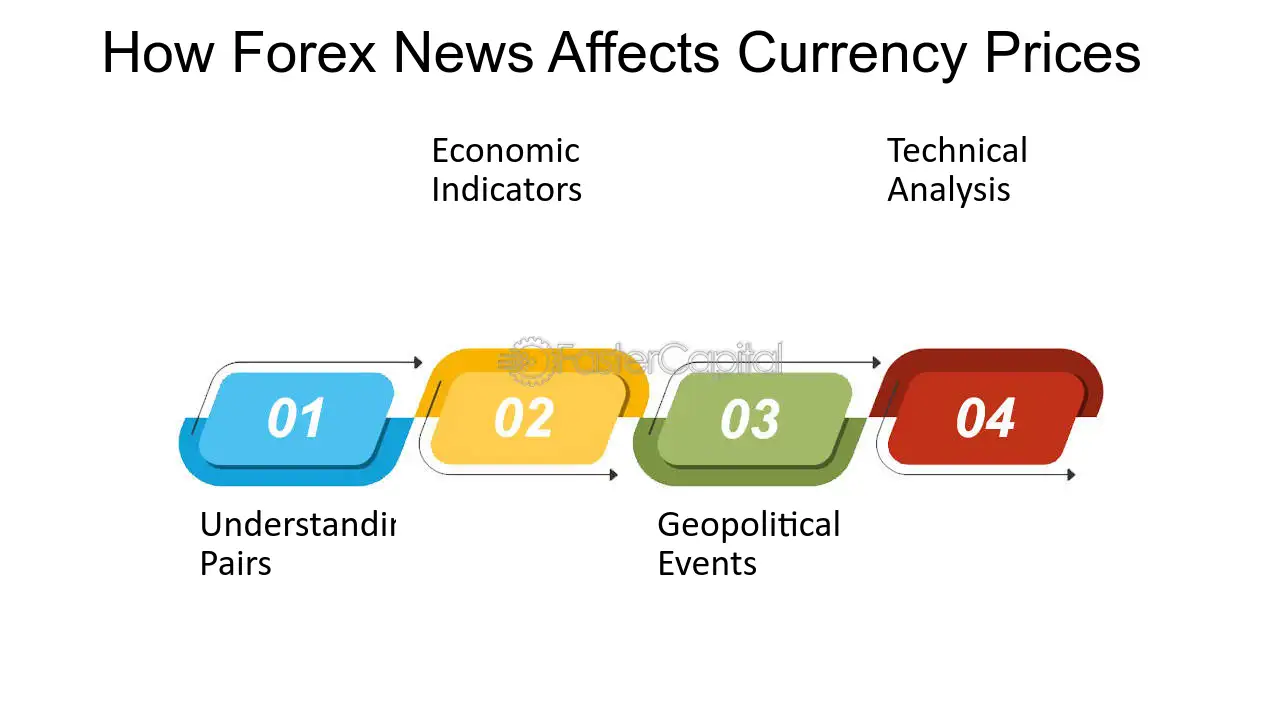
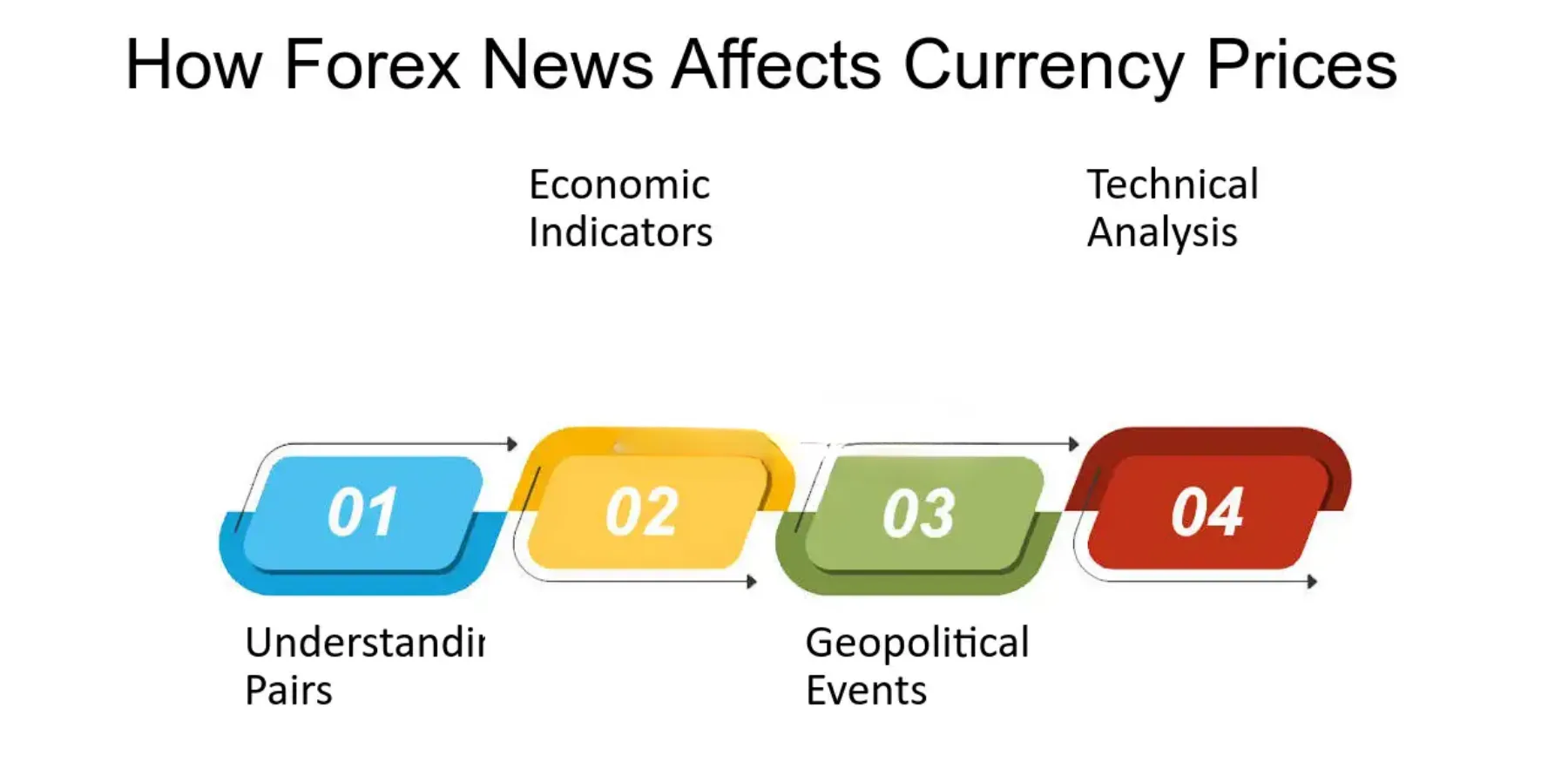
Trading forex on news involves a four-step process of identifying high-impact economic events, forming a directional bias, setting precise entry and exit points before the release, and actively managing the trade amid the resulting volatility. The core strategy is to capitalize on the sharp, predictable price movements that occur when economic data deviates from market expectations. This approach requires careful preparation using an economic calendar and strict risk management to protect against the sudden price swings inherent in news-based trading. Success depends less on predicting the news itself and more on planning for the market’s potential reactions.
The most important news events for forex traders are central bank announcements, major economic indicators, and significant geopolitical developments. Central bank decisions on interest rates from institutions like the Federal Reserve (FOMC) or the European Central Bank (ECB) have a massive impact. Key economic data releases, such as the U.S. Non-Farm Payrolls (NFP) report, Consumer Price Index (CPI), and Gross Domestic Product (GDP) figures, also consistently generate substantial market volatility and trading opportunities.
Essential risk management rules for news trading include using low leverage, always implementing a stop-loss order, and risking only a small fraction of your account on any single trade. Because news releases can cause extreme and unpredictable price spikes, these rules are not optional. High leverage can magnify losses disastrously, while a stop-loss provides a crucial safety net. Limiting your risk to 1-2% of your total capital ensures that one bad trade does not cripple your account.
This structured approach transforms news trading from a gamble into a calculated strategy. By focusing on preparation and disciplined execution, you can navigate the turbulent moments following a news release. Let’s explore the specific concepts, events, and a step-by-step framework to help you trade forex news more effectively.
What is Forex News Trading?
Forex news trading is a strategy that involves making trades on currency pairs based on the market’s reaction to economic news releases and other market-moving events. This approach centers on the idea that economic data and announcements create periods of high volatility, offering opportunities for quick profits. Let’s explore the fundamental principles behind this popular trading style.
How Does Economic News Affect Currency Prices?
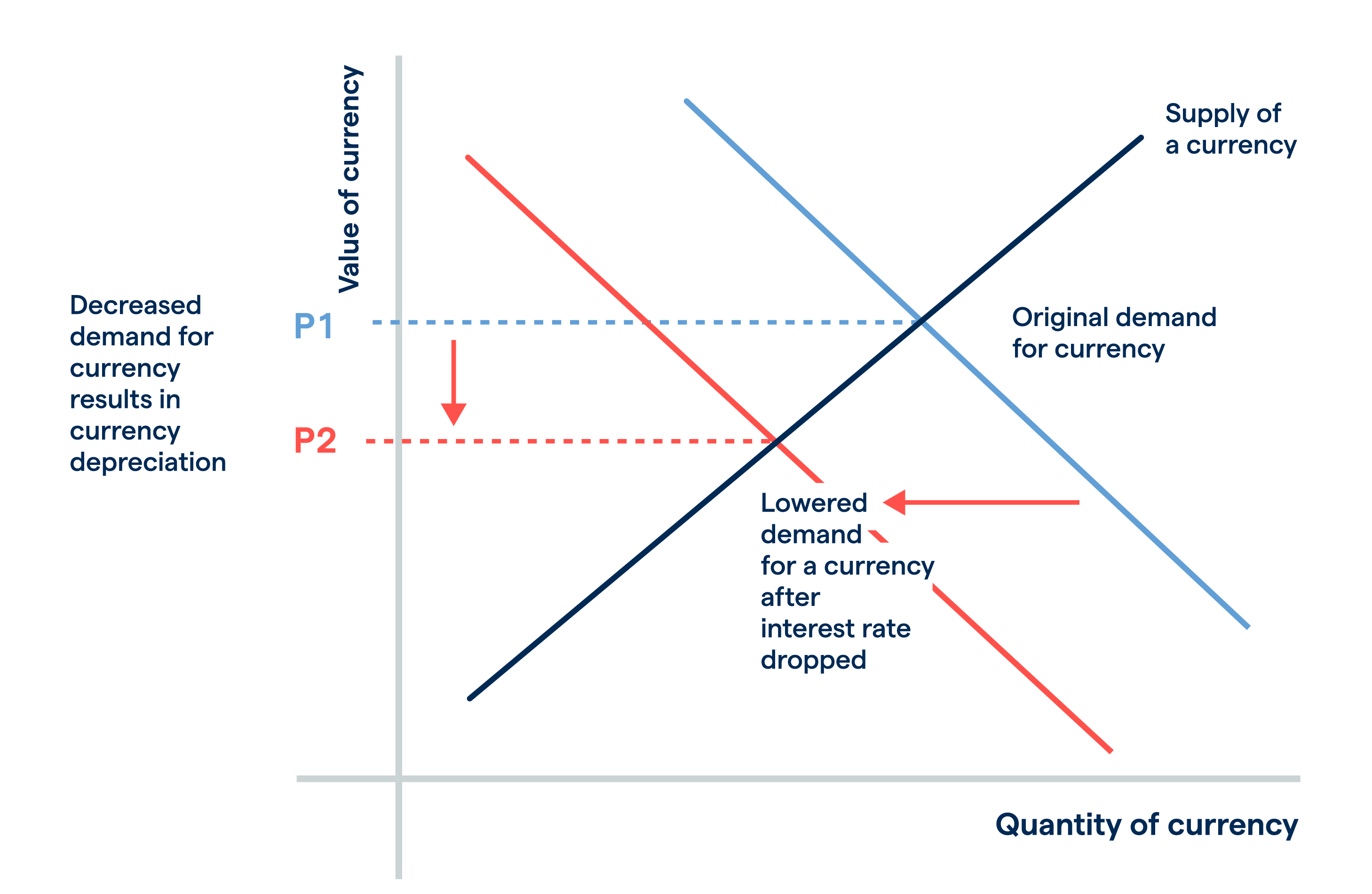
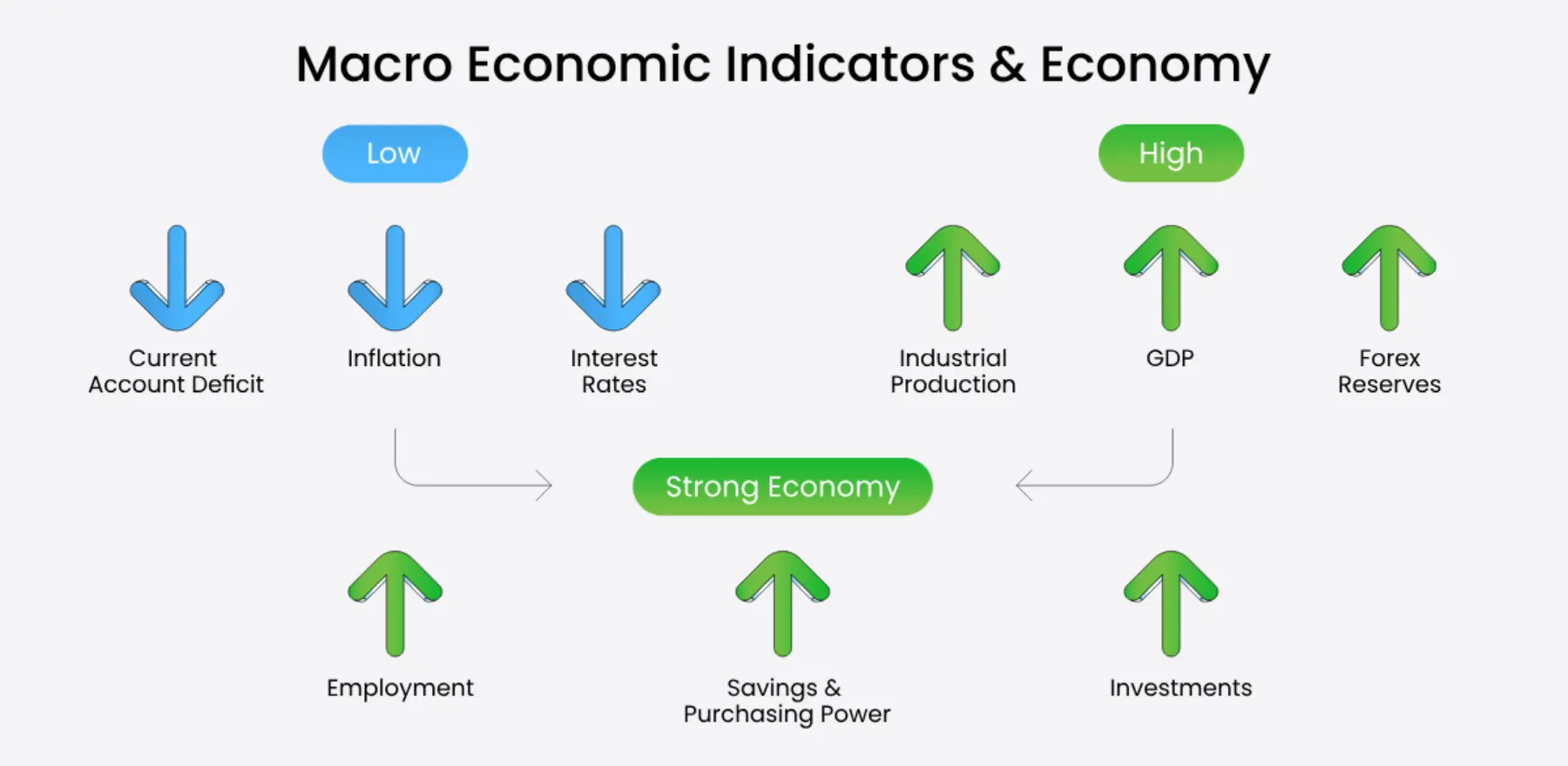
Economic news directly affects currency prices through a clear cause-and-effect relationship tied to a nation’s economic health and its central bank’s monetary policy. When a country releases positive economic data, it signals that its economy is strong and growing. This strength often leads investors to anticipate that the country’s central bank may raise interest rates to manage inflation. Higher interest rates make holding that country’s currency more attractive, as it offers a better return on investment. Consequently, demand for the currency increases, causing its value to rise against other currencies.
Conversely, negative economic data suggests a weakening economy. This may prompt the central bank to lower interest rates to stimulate growth. Lower interest rates reduce the appeal of holding the currency, leading to decreased demand and a fall in its value.
For example, let’s consider the U.S. Non-Farm Payrolls (NFP) report, which measures job creation. If the NFP report shows a much higher number of new jobs than economists forecasted, it indicates a robust U.S. economy. Traders would likely interpret this as a positive sign, increasing the probability that the Federal Reserve might adopt a more aggressive (hawkish) stance on interest rates. As a result, they would start buying the U.S. dollar (USD), causing pairs like EUR/USD to fall or USD/JPY to rise.
Is News Trading a Profitable Strategy?
News trading can be a highly profitable strategy, but it carries a substantial level of risk that traders must respect and manage. The primary appeal is the potential for rapid gains. During high-impact news releases, currency pairs can move dozens or even hundreds of pips in a matter of seconds. A well-positioned trader can achieve their profit target almost instantly. This intense volatility is precisely what attracts many to this style of trading. If you correctly anticipate the market’s reaction or have a strategy to capture the initial momentum, the profit potential is immense.
However, this same volatility is also the source of its significant risk. One major danger is slippage, which occurs when your order is filled at a different price than you intended. During a chaotic news release, the market can move so quickly that your broker may not be able to execute your trade at the requested price, often resulting in a worse entry. Another risk is the whipsaw, where the price shoots violently in one direction, triggers your trade, and then immediately reverses, hitting your stop-loss. This can happen as initial reactions are corrected by institutional order flows. Spreads also tend to widen dramatically around news events, increasing the cost of entering and exiting a trade. Because of these factors, profitability in news trading is entirely dependent on a disciplined, risk-managed approach.
What are the Most Important News Events for Forex Traders?
The most important news events are categorized into three groups: central bank announcements, high-impact economic indicators, and unscheduled geopolitical events. Each of these categories contains specific releases that reliably cause significant movements in the forex market. Understanding which events to watch is the first step in building a news trading strategy. Here’s the breakdown of what you need to follow.
Which Central Bank Announcements Move the Market?
Central bank announcements are arguably the most powerful drivers of currency prices because they directly influence monetary policy and interest rates. Interest rates determine the return on holding a currency, making them a primary factor for international investors. Key announcements to watch include:
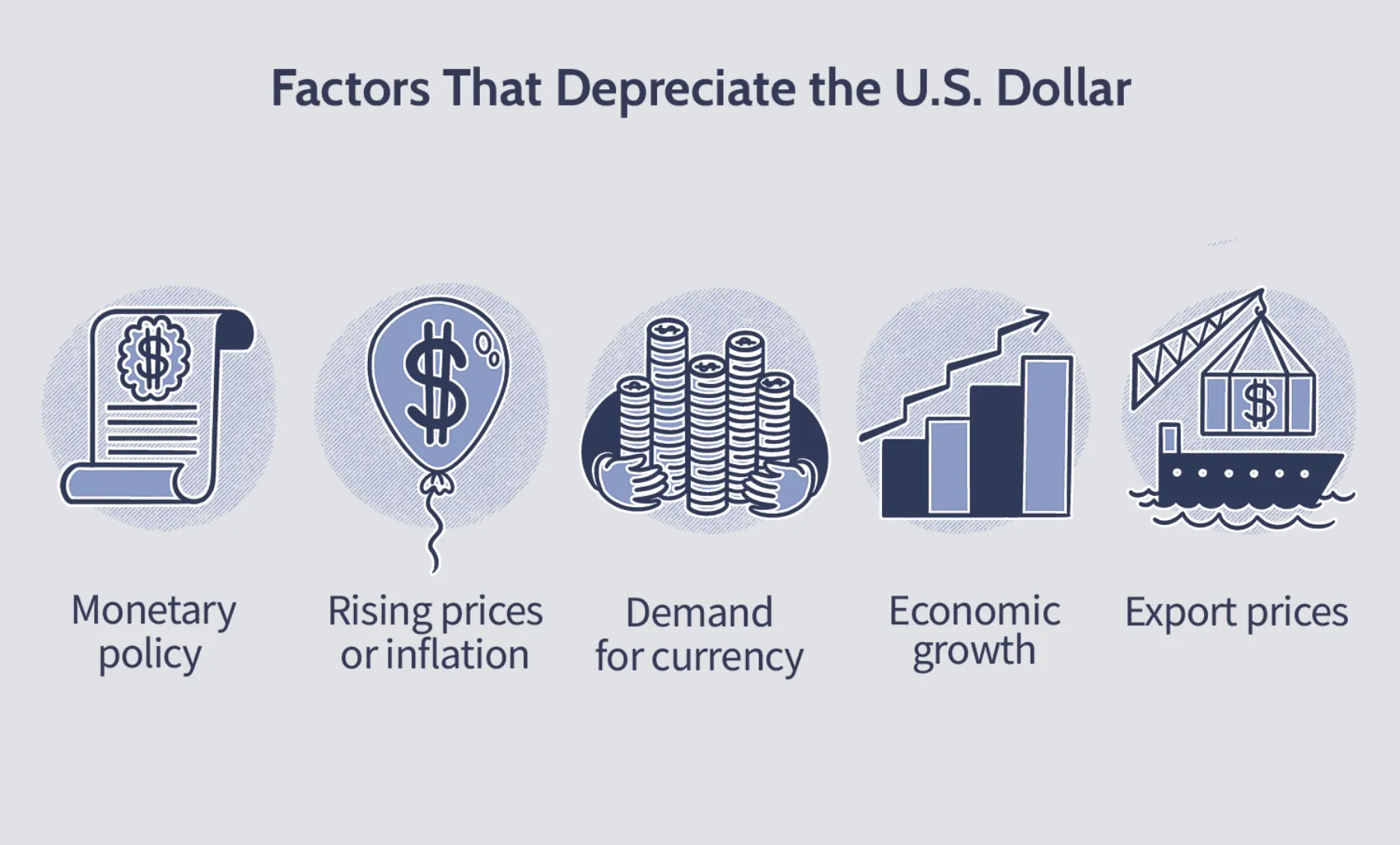
- Interest Rate Decisions: This is the headline event. When a central bank raises, lowers, or holds its main interest rate, it sends a powerful signal about its economic outlook. A rate hike is typically bullish for a currency, while a rate cut is bearish.
- Monetary Policy Statements: Released alongside the rate decision, this document provides the bank’s reasoning and its forward guidance. Traders scrutinize the text for clues about future policy changes. A “hawkish” tone suggests future rate hikes, while a “dovish” tone hints at potential rate cuts.
- Press Conferences and Speeches: Following the decision, the central bank governor or chair holds a press conference. Their answers to reporters’ questions can cause just as much volatility as the decision itself, as they provide nuance and context.
- Meeting Minutes: Published a few weeks after the meeting, these minutes reveal the detailed discussions among policymakers. They can show if the decision was unanimous or divided, offering insight into future policy direction.
Major central banks to monitor include the U.S. Federal Reserve (FOMC), the European Central Bank (ECB), the Bank of England (BOE), and the Bank of Japan (BOJ).
Which Economic Indicators Have the Highest Impact?
Economic indicators are statistical reports that measure the health of an economy. While dozens are released each month, only a handful consistently produce market-moving volatility. These top-tier indicators are:
- Non-Farm Payrolls (NFP): Released on the first Friday of every month by the U.S. Bureau of Labor Statistics, this report shows the number of jobs created in the U.S. outside the agricultural sector. It is a critical barometer of American economic health and has a huge impact on the USD.
- Consumer Price Index (CPI): This is the primary measure of inflation. Central banks have mandates to control inflation, so a high CPI reading may pressure them to raise interest rates, strengthening the currency.
- Gross Domestic Product (GDP): This is the broadest measure of a country’s economic activity. The advance (first) estimate is the most watched, as it gives the earliest look at economic growth or contraction. A strong GDP figure is bullish for the currency.
- Retail Sales: This indicator tracks consumer spending, which is a major component of most economies. Strong retail sales suggest consumer confidence and a healthy economy, which is positive for the currency.
- Purchasing Managers’ Index (PMI): This is a survey-based indicator that asks purchasing managers about business conditions. It’s considered a leading indicator of economic health, as it can signal expansion or contraction before it appears in hard data like GDP.
How Do Geopolitical Events Influence Forex Markets?
Unlike scheduled economic releases, geopolitical events are unpredictable and can trigger massive shifts in market sentiment without warning. These events introduce uncertainty and risk, often causing investors to flee from riskier assets and move their capital into “safe-haven” currencies. Safe-haven currencies, like the U.S. dollar (USD), Japanese yen (JPY), and Swiss franc (CHF), are associated with stable economies and political systems.

Examples of impactful geopolitical events include:
- Elections and Referendums: The outcome of a major election can lead to significant policy changes. For instance, the 2016 Brexit referendum in the UK caused a historic crash in the British pound (GBP).
- Trade Wars and Tariffs: Disputes between major economic powers, such as the trade tensions between the U.S. and China, create uncertainty about global growth and can impact the currencies of the involved nations.
- Political Instability: Events like coups, civil unrest, or major political scandals in a country can destroy investor confidence and lead to a rapid devaluation of its currency.
- Natural Disasters or Military Conflicts: These events disrupt economic activity and create widespread uncertainty, often leading to a flight to safety.
Traders must stay aware of the global political climate, as these unscheduled events can override the impact of any economic data.
What is a Step-by-Step Process for Trading a News Event?
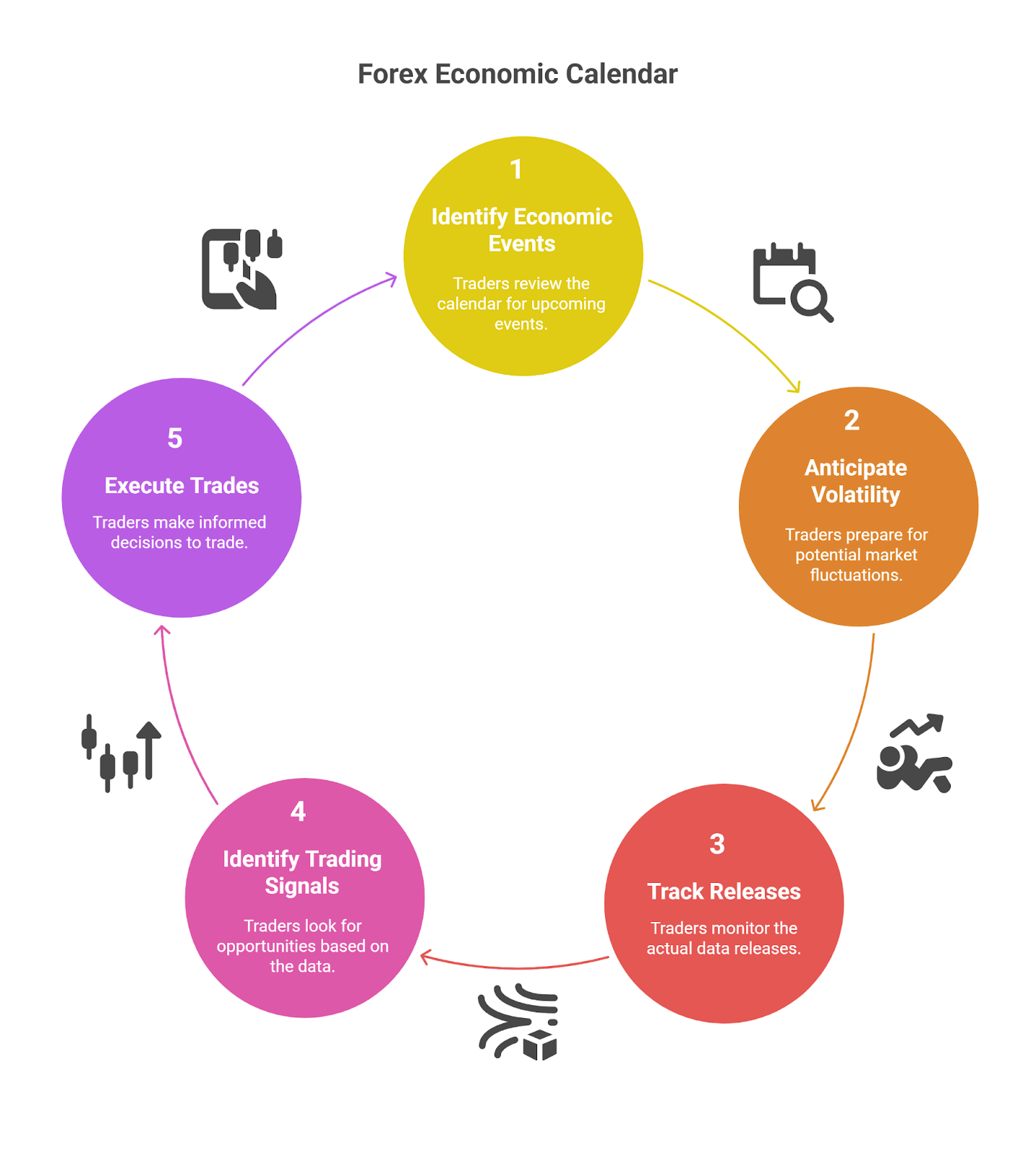
The best method for trading a news event involves a four-step process: identifying the opportunity on an economic calendar, forming a directional bias, setting entry and exit orders before the release, and managing the position afterward. This structured approach provides a clear framework for navigating the volatility and making calculated decisions rather than emotional ones. By following these steps, you can prepare for multiple outcomes and control your risk exposure.
Step 1: How to Identify a Trading Opportunity Using an Economic Calendar?
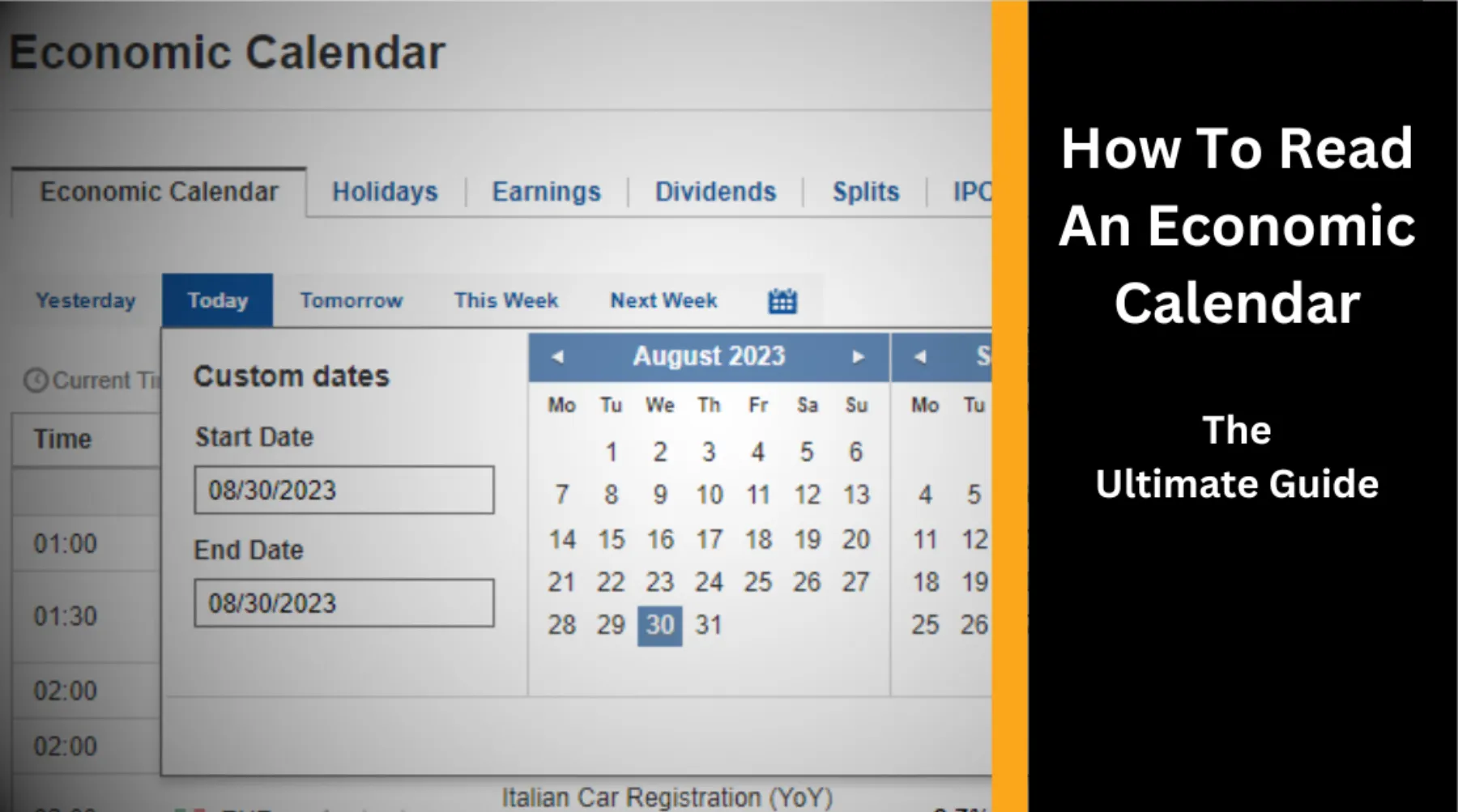
The foundation of any news trading strategy begins with an economic calendar. This tool, available on financial websites like Forex Factory, DailyFX, or Myfxbook, lists all upcoming economic data releases. To identify a trading opportunity, you first need to filter the calendar to show only high-impact events, often marked in red or with three stars. These are the releases with the highest probability of causing significant market movement.
Once you have identified a high-impact event, focus on three key pieces of information:
1. The Currency: Note which currency will be directly affected. For example, the Non-Farm Payrolls report impacts the USD, while the CPI report from the UK affects the GBP.
2. The Previous Figure: This is the result from the last time the report was released. It provides a baseline for comparison.
3. The Forecast (or Consensus): This is the median prediction from a survey of economists. The market has already priced in this expected outcome to a large extent.
The trading opportunity arises from the difference between the Actual figure (which is unknown until the release) and the Forecast figure. A significant deviation between these two numbers is what typically triggers a strong market reaction. Your job is to be prepared for that reaction.
Step 2: How to Form a Directional Bias Before the Release?
Forming a directional bias means developing a hypothesis about how the market is likely to react based on the potential outcomes of the news release. This is not about predicting the “Actual” number itself. Instead, it is about planning for what you will do if the number is better than, worse than, or in line with the forecast.

A simple way to do this is to create a basic “if-then” plan. For example, if you are trading the U.S. Retail Sales report for the USD:
- If the Actual number is much higher than the Forecast: This is a positive surprise. The directional bias is bullish for the USD. You would look to buy USD pairs (like USD/JPY) or sell pairs where USD is the quote currency (like EUR/USD).
- If the Actual number is much lower than the Forecast: This is a negative surprise. The directional bias is bearish for the USD. You would look to sell USD pairs or buy pairs like EUR/USD.
This bias helps you prepare your orders and react quickly once the data is released. Some traders also look at related, recently released data to refine their bias. For instance, if recent employment data was strong, they might have a slight bullish bias heading into a GDP release.
Step 3: How to Set Entry and Exit Points for a News Trade?
Setting your entry and exit points before the news is released is critical for managing risk and capturing the initial price move. Because spreads widen and volatility is extreme at the moment of release, placing market orders manually is very difficult and risky. Instead, many news traders use pending orders.
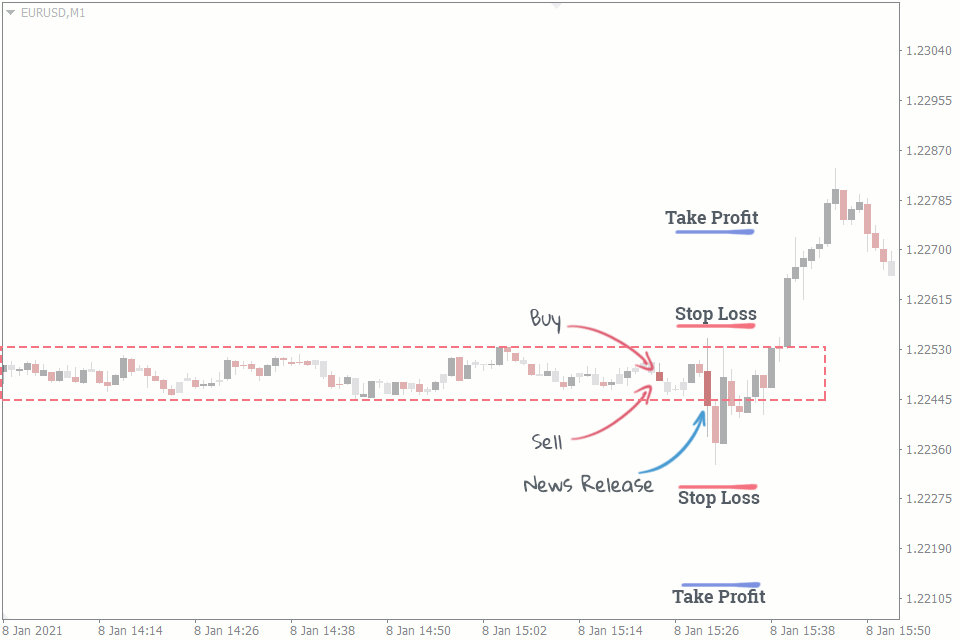
A common strategy is to place a buy stop order a certain number of pips (e.g., 15-20 pips) above the current market price and a sell stop order the same distance below the current price, a few minutes before the announcement. This is known as a straddle.
- Buy Stop Order: If the news is positive and the price shoots up, your buy stop order is triggered automatically, entering you into a long position.
- Sell Stop Order: If the news is negative and the price plummets, your sell stop order is triggered, entering you into a short position.
For each pending order, you must also set a stop-loss and a take-profit level. The stop-loss protects you from a whipsaw or a trade that goes wrong, while the take-profit secures your gains if the trade moves quickly in your favor. For example, you might set a 20-pip stop-loss and a 40-pip take-profit, aiming for a 1:2 risk-to-reward ratio.
Step 4: How to Manage the Trade After the News is Released?
Once the news is out and one of your pending orders has been triggered, trade management becomes your priority. The first immediate action is to cancel the other pending order. You do not want to be accidentally entered into a second trade if the market reverses.
Next, monitor the open position. The initial moments after a news release are often the most volatile. If the price moves quickly toward your take-profit target, you might let it run. However, if the trade moves into profit by a reasonable amount (e.g., 20 pips), a prudent step is to move your stop-loss to your entry point (breakeven). This action removes all risk from the trade. From that point on, the worst-case scenario is that the trade closes with no loss.
Sometimes, the market reaction is muted, or the price immediately reverses after triggering your entry. In these cases, it is often better to close the trade manually for a small loss or a small gain rather than waiting for it to hit your full stop-loss. Disciplined trade management is what separates successful news traders from gamblers.
What are the Essential Risk Management Rules for News Trading?
The essential risk management rules for news trading are to avoid high leverage, always use a hard stop-loss, and risk no more than 1-2% of your account on a single trade. These rules are non-negotiable because news trading exposes your capital to sudden, extreme volatility where prices can move against you with incredible speed. Without these safeguards, you risk catastrophic losses.
Why Should You Avoid Using High Leverage?
You should avoid using high leverage during news trading because it dramatically amplifies both potential gains and, more importantly, potential losses. Leverage allows you to control a large position with a small amount of capital, but during a news release, this becomes exceptionally dangerous. The market can experience widened spreads and severe slippage, meaning your entry and exit prices can be far from what you intended.
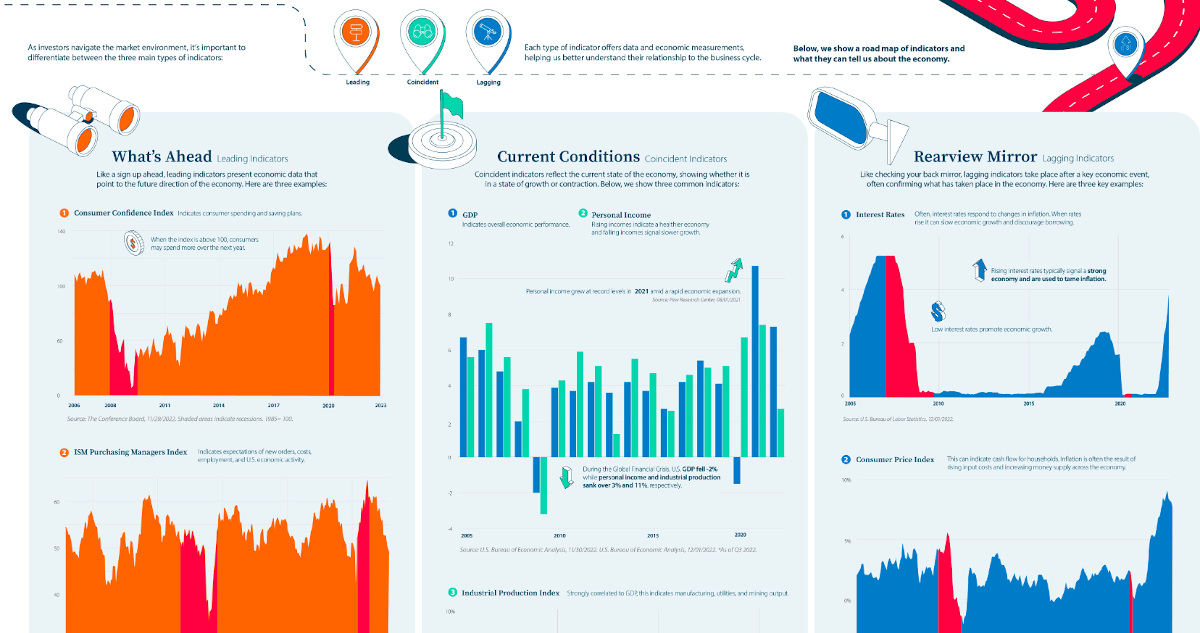
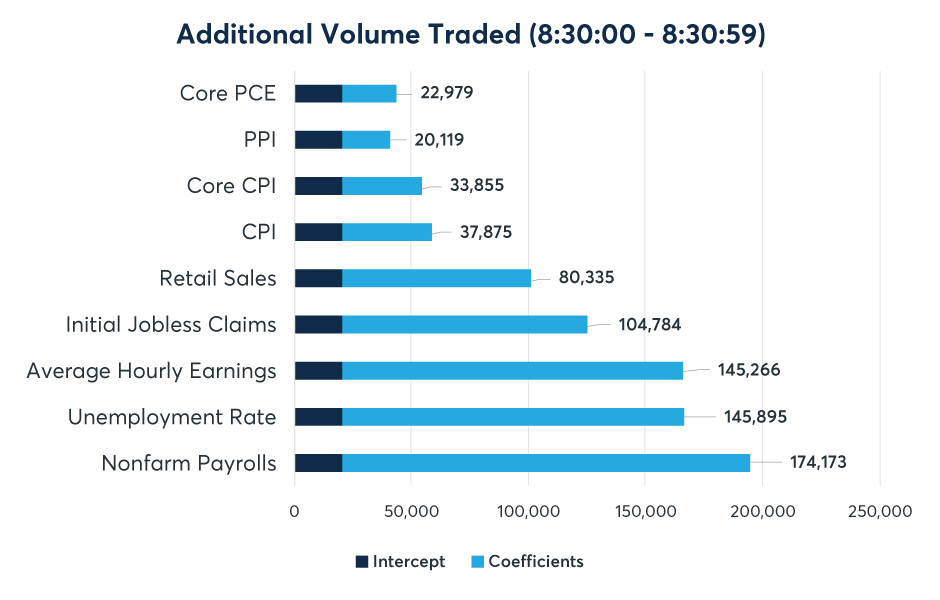
For instance, with 100:1 leverage, a price move of just 1% against you can wipe out your entire position margin. During a high-impact news event like Non-Farm Payrolls, a currency pair can easily move 0.5% to 1% in a matter of seconds. If you are caught on the wrong side of that move with high leverage, your account could be decimated before you have a chance to react.
To protect your capital, it is wise to reduce your leverage significantly when trading news. Many professional traders will use leverage of 10:1 or even lower. This ensures that a sudden, unexpected price spike does not result in a margin call or a devastating loss. Low leverage keeps your position size manageable and forces you to rely on strategy rather than over-leveraged bets.
What is the Role of a Stop-Loss in News Trading?
In news trading, the role of a stop-loss is to serve as your ultimate safety net. It is an automatic order placed with your broker to close your position at a specific price, thereby limiting your maximum loss on that trade. Its use is mandatory, not optional. The extreme volatility around a news release means the market can move against your position so quickly that you would not have time to close it manually.
Imagine the market whipsaws, where the price shoots up, triggers your buy order, then immediately reverses and plummets. Without a stop-loss, your losses would continue to mount as the price falls, potentially wiping out a large portion of your account balance. A pre-set stop-loss order ensures that your trade is closed automatically at the level you defined, capping your loss and preserving your capital for the next opportunity.
Furthermore, a stop-loss enforces discipline. It forces you to decide your maximum acceptable loss before you enter the trade, removing emotion from the decision-making process in the heat of the moment. It is the single most important risk management tool a news trader has.
How Much Capital Should You Risk Per Trade?
You should risk only a small, fixed percentage of your total trading capital per trade, with the widely accepted standard being the 1-2% rule. This means that for any single news trade, your potential loss, as defined by your stop-loss, should not exceed 1% or 2% of your account balance. This principle is fundamental to long-term survival and success in trading.
For example, if you have a $10,000 trading account, a 1% risk would be $100. This means you would set your position size and stop-loss distance so that if the trade hits your stop-loss, you only lose $100. Even if you experience a string of five consecutive losing trades, a rare but possible event during volatile periods, you would have only lost 5% of your total capital. You would still have 95% of your account left to trade and recover from those losses.
This rule prevents the kind of catastrophic loss that can end a trading career. It allows you to withstand the inevitable losing trades that are a part of any strategy, ensuring that no single event can take you out of the game. It fosters discipline and promotes a professional, business-like approach to trading.
What are Some Alternative Strategies and Advanced Concepts in News Trading?
Alternative news trading strategies involve advanced concepts like fading overreactions, straddling price, and managing technical risks like slippage, while differentiating between high and low-impact events. Furthermore, a deeper understanding of these approaches allows a trader to move beyond basic directional betting and adapt to the complex environment surrounding economic releases. These methods require more skill and a greater awareness of market mechanics, but they can offer unique opportunities that are not available with simpler strategies. Exploring these concepts provides a more complete toolkit for navigating the volatility that news brings to the forex market.
What Is the Difference Between Trading Before vs. After a News Release?
The primary difference between trading before versus after a news release lies in the trade-off between risk and confirmation. Trading before a news event is a highly speculative approach where a trader takes a position based on an anticipated outcome or market reaction. This strategy aims to capture the full, explosive price movement the instant the news is released. However, it carries immense risk. If the data is unexpected or the market reacts counterintuitively, the position can suffer an immediate and substantial loss. This is essentially a gamble on both the news outcome and the market’s interpretation of it.

In contrast, trading after the release is a more reactive and conservative strategy. This approach involves waiting for the initial volatility to subside and for a clear trend to emerge. A trader might wait five to fifteen minutes after the announcement to assess the market’s direction, letting the “weak hands” get shaken out. By waiting for confirmation, such as a price breakout from the initial news-driven range, the trader enters with more confidence. The downside is that a significant portion of the move may have already occurred, potentially leading to smaller profits. The key benefit is a reduction in risk, as you are trading based on the market’s demonstrated reaction rather than predicting it.
What is a News Fading Strategy?
A news fading strategy is a counter-trend approach where a trader intentionally trades against the initial, sharp price movement caused by a news release. The core principle behind this strategy is the observation that markets often overreact. The initial spike in price is frequently driven by algorithmic trading and an emotional rush of retail traders, pushing the currency pair to unsustainable levels. A fade trader anticipates that this initial momentum will wane and that the price will experience a retracement or correction back towards a more fundamentally justified level.

To execute a fading strategy, a trader does not enter the market immediately. Instead, they wait for signs that the initial move is losing steam. These signs can include the formation of reversal candlestick patterns, such as pin bars or engulfing candles on shorter timeframes, or a failure of the price to break through a key technical level like a pivot point or resistance. Once this exhaustion is identified, the trader enters a position in the opposite direction of the initial spike, setting a stop loss just above the recent high (for a short trade) or below the recent low (for a long trade). This strategy requires patience and strong risk management, as picking the top or bottom of a volatile move is inherently difficult.
What is a Straddle Trade Strategy for News Events?
The straddle trade is a non-directional strategy designed to profit from high volatility, regardless of whether the price moves up or down. This approach is particularly useful for major news events where a significant price swing is expected, but the direction is highly uncertain. The strategy involves placing two pending orders simultaneously before the news is released: a buy stop order above the current market price and a sell stop order below the current market price. These orders create a “channel” or “straddle” around the price.
When the news is announced, the resulting volatility is expected to push the price sharply in one direction, triggering one of the pending orders and opening a trade. For this to be effective, the price movement must be large enough to cover the spread and the distance of the losing side of the straddle to become profitable. Once one order is executed, the other order is immediately canceled. Many trading platforms offer a “One-Cancels-the-Other” (OCO) order type to automate this process. The main risk with a straddle is a “whipsaw” event, where the price triggers one order, reverses quickly to hit the stop loss, and then moves in the opposite direction, potentially triggering the second order for another loss.
How Do You Choose the Best Currency Pairs for News Trading?
Choosing the best currency pairs for news trading centers on two main factors: liquidity and direct relevance to the economic data being released. High liquidity is paramount because it ensures there are enough buyers and sellers in the market to absorb large order flows without causing chaotic price swings. This translates to tighter spreads and a lower risk of severe slippage. For this reason, major currency pairs like EUR/USD, USD/JPY, GBP/USD, and AUD/USD are the preferred choice for news traders. Their high trading volumes help maintain orderly market conditions even during volatile periods.
Equally important is relevance. The currency pair you trade must be directly impacted by the news release. For example, if the U.S. Non-Farm Payrolls (NFP) report is being released, it makes sense to trade pairs containing the U.S. dollar, such as EUR/USD or USD/JPY. Trading a cross pair like AUD/NZD during the NFP release would be illogical, as the news has little direct bearing on those economies. It is also wise to avoid exotic pairs during news events. These pairs have low liquidity, which means spreads can widen dramatically to un-tradable levels, and a single large order can cause disproportionate price movements, making them unpredictable and risky.
How Can You Manage Slippage and Widening Spreads?
Managing slippage and widening spreads is a critical technical skill in news trading, as both can quickly erode profits or increase losses. Slippage occurs when your trade is executed at a different price than what you requested, a common occurrence during the fast-moving conditions of a news release. A widening spread is the increase in the gap between the bid and ask price, which raises the cost of entering a trade.

To manage these challenges, consider the following tactics:
- Choose a reputable ECN broker. Electronic Communication Network (ECN) or Straight Through Processing (STP) brokers typically offer faster execution speeds and source liquidity from multiple providers, which can help minimize slippage and keep spreads tighter compared to market makers.
- Avoid market orders. During peak volatility, a market order can be filled at a much worse price than anticipated. Instead, using limit orders for entries and take-profits can provide more control, though they are not guaranteed to be filled if the price moves too quickly.
- Factor transaction costs into your strategy. Before a news release, assume that the spread will widen and that some slippage is likely. Build these potential costs into your risk-to-reward calculation to ensure a trade is still worthwhile. Do not trade if the potential profit is too small to overcome these costs.
How is Trading High-Impact News Different from Trading Low-Impact News?
The difference between trading high-impact and low-impact news is vast, affecting everything from expected volatility to strategic viability. High-impact news, such as central bank interest rate decisions, inflation reports (CPI), or major employment figures (NFP), almost always causes significant market reactions. These events can create price swings of 50 to 100 pips or more in just a few minutes. Trading them requires a well-defined plan, precise execution, and strict risk management due to the heightened risks of slippage and wide spreads. The potential for large, quick profits is high, but so is the potential for substantial losses.
On the other hand, low-impact news includes secondary economic indicators like manufacturing sentiment or weekly jobless claims (unless they deviate wildly from expectations). These releases typically cause minimal market reaction, perhaps a small price flicker of just a few pips, or sometimes no discernible movement at all. Spreads remain relatively stable, and the market often absorbs the new information without any significant directional bias. For most short-term news traders, these events are not worth trading. The potential price movement is often too small to cover the transaction costs (the spread) and offer a reasonable profit. While these figures contribute to the larger economic picture, they rarely provide the immediate volatility needed for a news-based trading strategy to succeed.