

Blog
Free vs Paid Forex Signals: Which One Is Better for You?

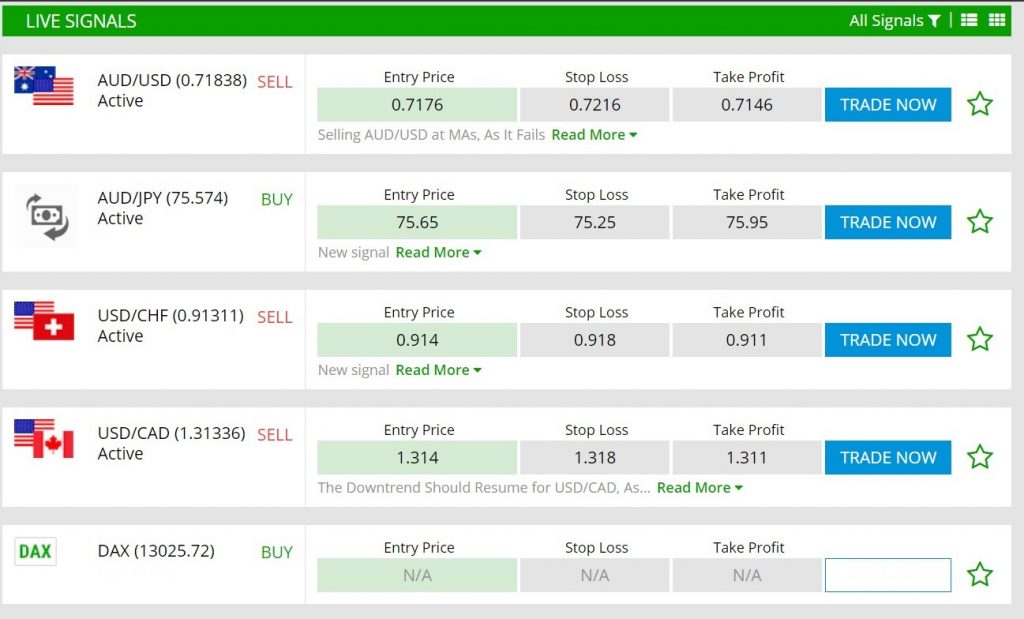
When choosing between forex signal providers, the best option depends entirely on your goals, experience level, and commitment to trading. For serious traders aiming for consistent performance and professional support, paid forex signals are unequivocally the better choice, while free signals are best suited for absolute beginners who want to learn the mechanics of trading without financial risk. Paid services are built on a business model that requires accuracy and reliability to retain subscribers, leading to higher-quality analysis, timely delivery, and dedicated customer support. In contrast, free signals often serve as a marketing tool for brokers or as a lead-in to a paid subscription, meaning they may lack the accountability and performance consistency needed for serious trading.
The primary difference between the two lies in their underlying business model and the level of accountability that results. Paid signal providers have a direct financial incentive to deliver accurate, profitable trade ideas because their revenue depends on customer satisfaction and retention. This alignment of interests means they are more likely to invest in expert analysts, robust technology, and transparent performance tracking. You are paying for a premium service that includes detailed trade rationale, ongoing support, and educational resources designed to help you succeed.
On the other hand, free forex signals operate on an indirect revenue model. Providers of free signals typically make money by earning commissions when you sign up with a partner broker or by eventually upselling you to their premium paid service. This can create a conflict of interest, as their main goal might not be your trading success but rather your conversion into a paying customer or a referral. While some free signals can be a good starting point, they generally come with less detailed analysis, potential delays, and no support system, making them less reliable for anyone trading with real capital.
Ultimately, the decision comes down to what you are trying to achieve. Are you simply exploring forex and want to practice on a demo account? A free service is a perfect, no-risk tool for that purpose. But if you are managing a live trading account and depend on external analysis to make informed decisions, investing in a reputable paid signal service is a critical step toward protecting your capital and improving your potential for consistent returns.
What Are Forex Signals?
A forex signal is a specific trade recommendation for a currency pair that includes all the necessary information to execute the trade, such as the entry price, stop loss, and take profit levels. Think of it as a trading “tip” or alert, usually created by an experienced human analyst or an automated trading algorithm. The main purpose of a signal is to provide traders, especially those with less experience or time, with a clear, actionable idea for entering the market. By following a signal, a trader can potentially capitalize on market opportunities without having to perform hours of complex technical or fundamental analysis themselves. It simplifies the decision-making process down to a few key data points.
Let’s explore the core components that make up a complete forex signal. Each piece of information is essential for proper trade management and risk control.
- Currency Pair: This tells you which market to trade. For example, the signal might specify EUR/USD (Euro vs. U.S. Dollar) or GBP/JPY (British Pound vs. Japanese Yen). It’s the most basic element, directing you to the correct chart.
- Action: This is the direction of the trade, either BUY (going long) or SELL (going short). A “BUY” signal suggests the analyst expects the currency pair’s value to rise, while a “SELL” signal suggests they expect it to fall.
- Entry Price: This is the specific price at which the signal provider recommends opening the trade. Sometimes it will be “at market,” meaning you should enter immediately at the current price. Other times, it will be a pending order, such as a “Buy Limit” or “Sell Stop,” which instructs your trading platform to open the position only if the market reaches that specific price level.
- Stop Loss (SL): The stop loss is a crucial risk management tool. It is a pre-determined price level at which your trade will automatically close if the market moves against you. For example, if you buy EUR/USD at 1.0850, a stop loss at 1.0820 would limit your potential loss to 30 pips. Its purpose is to protect your capital from significant drawdowns and catastrophic losses. No professional signal is complete without a stop loss level.
- Take Profit (TP): The take profit is the price level at which your trade will automatically close once it reaches a certain amount of profit. It’s the pre-planned exit point for a winning trade. Using the same example, if you buy EUR/USD at 1.0850, a take profit at 1.0950 means the trade will close automatically for a 100-pip gain once the price reaches that target. This helps lock in profits and avoids the emotional temptation to let a winning trade run too long and potentially reverse.
For instance, a complete signal might look like this:
Action: SELL GBP/USD
Entry Price: 1.2500
Stop Loss: 1.2550
Take Profit: 1.2400
This tells you exactly what to do: short the GBP/USD pair at 1.2500, with a built-in safety net to close the trade at 1.2550 if it goes wrong, and a target to secure your profit at 1.2400.
What Are the Two Main Types of Forex Signals?
The two main types of forex signals are free signals and paid signals, which are categorized based on whether they require a monetary payment from the trader. This fundamental distinction in cost also creates significant differences in the quality, reliability, business model, and support offered by the provider. As a trader, choosing between these two categories is one of the first and most important decisions you’ll make when deciding to incorporate signals into your strategy. The path you choose will heavily influence your learning curve, risk exposure, and potential for success.
To understand this better, let’s look at what defines each type and what you can typically expect from them.
What Defines a Free Forex Signal?
A free forex signal is a trade recommendation provided to traders at absolutely no monetary cost. You don’t have to pay a subscription fee to receive these alerts. However, it’s important to understand that “free” rarely means there isn’t a business objective behind it. Most free signals are offered for one of two reasons. First, they can be a lead generation tool. A provider might offer a limited number of free signals through a public channel, like a Telegram group, to showcase their service and entice users to upgrade to a more comprehensive paid subscription. This is a classic “freemium” model.

Second, many online brokers, such as XM or AvaTrade, offer free signals to their clients as a value-added service. Their goal is to encourage you to trade more frequently on their platform, as they earn revenue from the spreads or commissions on your trades. In this case, the signals are a marketing tool to attract and retain customers. Because of these business models, free signals often come with certain characteristics. They may be delivered with a delay compared to the paid version, contain less detail, or lack any underlying analysis. The frequency can also be lower, and there is typically zero customer support available if you have a question.
What Defines a Paid Forex Signal?
A paid forex signal requires a recurring subscription fee, which could be billed weekly, monthly, quarterly, or annually. In this model, the provider’s primary source of revenue is the subscription itself. This creates a direct and powerful incentive for the provider to deliver high-quality, accurate, and reliable signals. If their signals consistently lose money or are unreliable, subscribers will cancel, and the business will fail. This inherent accountability is the key differentiator between paid and free services.

Paid signal providers typically offer a much more professional and comprehensive service. You can expect real-time signal delivery via private channels like a dedicated app, email, SMS, or a private Telegram group. The signals are almost always accompanied by detailed analysis, including charts and explanations of why the trade is being taken. This educational component helps traders learn and grow. Furthermore, paid services usually provide a verifiable track record, often linking to third-party verification sites like MyFXBook, so you can review their past performance. Finally, they offer dedicated customer support to answer questions about signals, trade setup, or account management.
How Do Free and Paid Forex Signals Compare?
Paid signals generally excel in accuracy, support, and reliability, while free signals excel in cost-effectiveness by offering a no-risk entry point for learning. The comparison between them goes far beyond the obvious price tag. The differences are rooted in their core business models, which directly impact the quality of the service you receive. A paid provider’s success is tied to your success, creating an alignment of interests. A free provider’s success is often tied to upselling you or generating broker commissions, which can create a conflict of interest.
Here’s the breakdown of how they stack up against each other across the most important criteria for any trader.
How Do They Differ in Cost and Business Model?
The most apparent difference is the cost. Free signals cost nothing out of pocket, while paid signals require a subscription fee, which can range from $30 to over $200 per month depending on the provider. However, the true difference lies in the business model that this cost structure supports.
The business model for a paid signal service is straightforward: they provide a premium product directly to you, the consumer. Their entire business hinges on subscriber retention. To keep you as a paying customer, they must consistently provide valuable and accurate signals, excellent customer support, and transparent performance records. Their financial success is directly linked to the quality and reliability of their product. This model fosters accountability and a focus on delivering real results for the trader.
In contrast, the business model for free signals is indirect. They are not selling you signals; they are using signals to sell you something else. For instance, a provider might offer a free Telegram channel to build a large audience, which they then monetize by promoting a partner broker. They earn a commission for every person who signs up and trades with that broker. Another common model is using the free group as a funnel to advertise their own “VIP” or paid subscription service, showcasing only winning trades to create a perception of high profitability. In these cases, the provider’s primary goal isn’t necessarily your trading success but rather your conversion.
How Do They Differ in Accuracy and Reliability?
Accuracy and reliability are arguably the most critical factors when choosing a signal service, and this is where the gap between paid and free services widens considerably.
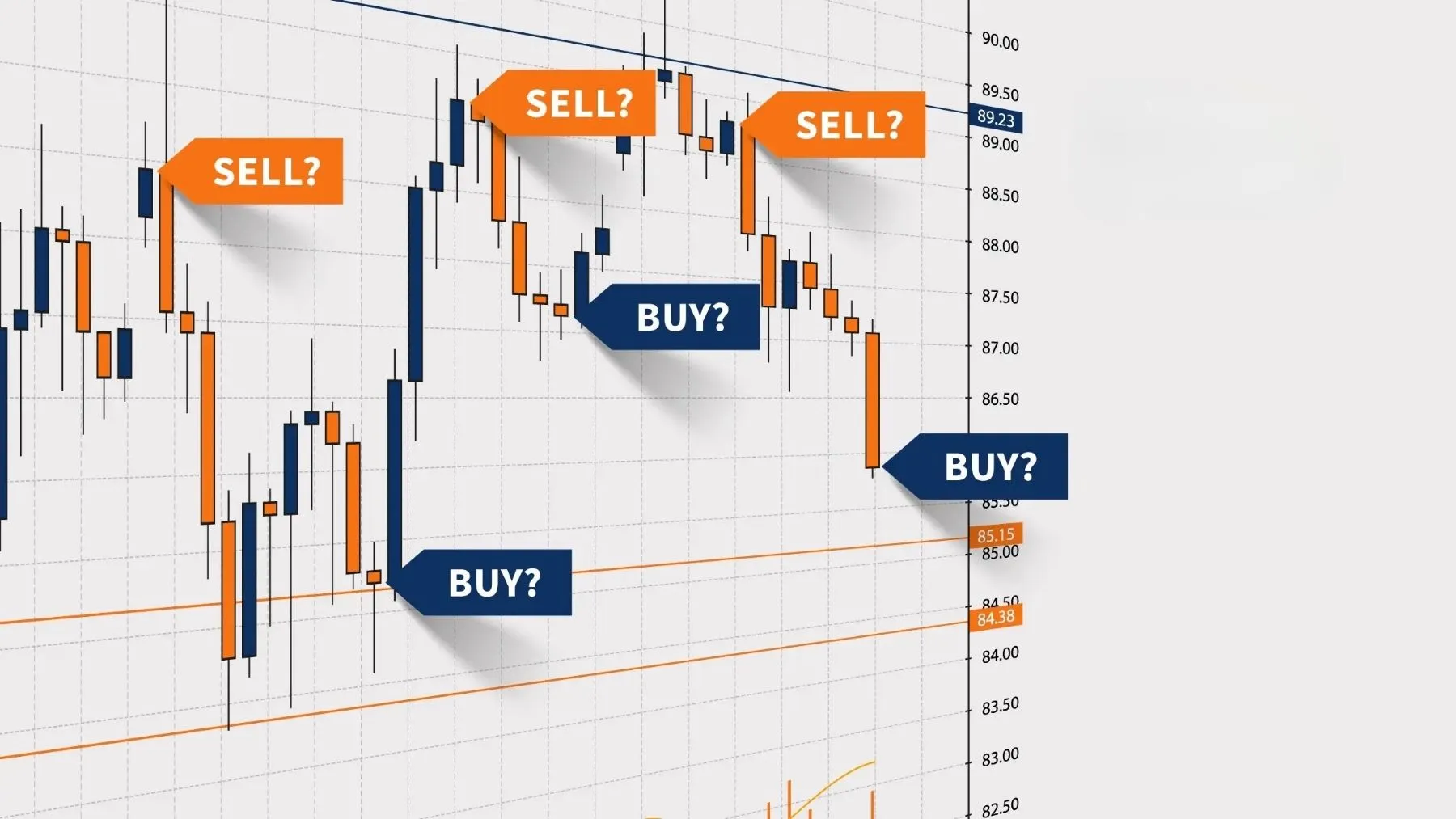
Paid providers have a powerful motivation to be accurate. Subscribers expect a positive return on their investment, and if a service consistently delivers losing signals, it will quickly lose its customer base. Because of this, reputable paid services invest in experienced analysts, sophisticated algorithms, and rigorous back-testing to ensure their strategies are sound. They often provide verified performance histories through platforms like MyFXBook, which offers a transparent, uneditable record of their trading results. This level of transparency builds trust and demonstrates a commitment to genuine performance.
Free signals, however, lack this built-in accountability. Since there is no direct financial relationship, the provider has little to lose if the signals are inaccurate. The performance of free signals can be inconsistent, and there is rarely any transparent, long-term track record provided. Many free providers engage in “cherry-picking,” where they only publicize their winning trades and ignore the losses, creating a misleading picture of their actual success rate. Reliability is also an issue. Free signals may be sent sporadically or with significant delays, which can make the entry price irrelevant by the time you receive the alert.
How Do They Differ in Customer Support and Analysis?
The level of service and educational value provided is another major point of difference. Trading can be complex, and having access to support and clear analysis can be invaluable, especially for newer traders.

Paid signal services almost always include some form of customer support. This could be through email, a live chat system, or a community forum where you can ask questions and interact with analysts and other traders. Furthermore, paid signals are typically accompanied by in-depth analysis. The provider will often share charts, explain the technical or fundamental reasons behind the trade idea, and outline the overall market context. This educational component is crucial because it doesn’t just tell you what to trade, it helps you understand why you are trading it, which can accelerate your own development as a trader.
Free signal services, on the other hand, usually operate on a “take it or leave it” basis. There is no customer support. If you have a question about a signal or how to set up the trade, you are on your own. The signals themselves are often just the raw data: “BUY EUR/USD at X, SL at Y, TP at Z.” There is no accompanying analysis, no charts, and no explanation. This approach turns trading into a blind copy-paste exercise, which does nothing to help you learn about the markets or develop your own trading skills.
What Are the Pros and Cons of Each Signal Type?
The primary advantage of free signals is their zero cost, but their major con is low reliability, whereas the main pro of paid signals is higher accuracy, but their con is the subscription fee. Understanding these trade-offs is key to choosing the right service for your needs. A tool that is perfect for a beginner practicing on a demo account could be disastrous for a serious trader managing real capital. Breaking down the advantages and disadvantages of each type provides a clear picture of what you can realistically expect.
Let’s explore the specific pros and cons to help you weigh your options more effectively.
What Are the Main Advantages of Free Signals?
Despite their potential drawbacks, free signals offer several distinct benefits, particularly for those just starting their trading journey.
- No Financial Risk: This is the most significant advantage. You can receive trade ideas and market alerts without any subscription fee or financial commitment. This allows you to explore the world of forex signals without having to invest any money upfront.
- Excellent for Practice: Free signals are a perfect tool for use with a demo trading account. Beginners can practice executing trades, setting stop loss and take profit orders, and getting a feel for market movements without risking any real capital. It’s a safe environment to learn the mechanics.
- Test a Provider’s Style: Many providers offer a free channel as a “trial” for their paid service. This gives you an opportunity to see how they operate. You can evaluate their communication style, the frequency of their signals, and the types of strategies they use (e.g., scalping, swing trading) to see if it aligns with your personal trading preferences before considering an upgrade.
- Basic Market Exposure: For someone completely new to forex, free signals can provide a simple introduction to different currency pairs and the basic components of a trade plan, like entry and exit points.
What Are the Main Disadvantages of Free Signals?
The “no-cost” nature of free signals often comes with a hidden price in the form of lower quality and higher risk.
- Lower Accuracy and Accountability: Without paying subscribers to answer to, providers have less incentive to maintain high accuracy. Performance is often unverified and can be inconsistent, making them unreliable for live trading.
- High Potential for Scams: The free signal space is unfortunately filled with fraudulent operators. Many use deceptive marketing, promising unrealistic returns to lure traders into signing up with unregulated brokers or into purchasing worthless trading courses.
- Lack of Support and Education: If you have a question or a problem, there is nobody to help you. Free signals are typically sent without any context or analysis, so they do little to help you learn and become a better trader.
- Often a Marketing Tool: Most free signals are not provided out of pure generosity. They are a marketing gimmick designed to achieve another goal, such as upselling you to a paid group or earning commissions from a partner broker, which may not have your best interests at heart.
- Delayed or Incomplete Information: It is common for free signals to be delayed, meaning the entry price is no longer valid. Some may even omit critical information like a stop loss level, which is a massive red flag and encourages reckless trading.
Which Forex Signal Is the Right Choice for You?
Your ideal choice is directly tied to your experience, budget, and trading goals, with beginners benefiting most from free signals for practice and serious traders requiring paid signals for performance. There is no single “best” option that fits everyone. The right signal service for you is the one that aligns with where you are in your trading journey and what you hope to achieve. A tool designed for a professional trader could be overwhelming for a novice, while a service for a beginner would lack the robustness a seasoned trader needs.
To make the right decision, you need to honestly assess your personal situation. Let’s profile the ideal user for each type to help you determine which category you fall into.
Who Should Choose Free Forex Signals?
Free forex signals are a valuable resource for a specific group of individuals who prioritize learning and exploration over immediate profitability. If you fit into one of the following profiles, starting with a free service is a logical and prudent choice.

You should choose free signals if you are an absolute beginner. If you are just starting and don’t yet understand terms like “pip,” “leverage,” or “stop loss” in a practical sense, free signals on a demo account are your best friend. They provide a risk-free environment to practice executing trades and familiarize yourself with your trading platform, like MetaTrader 4 or 5. You can learn the mechanics of setting orders without the emotional pressure of losing real money.
Another ideal user is the skeptical tester. Perhaps you have identified a few paid signal providers that look promising, but you are not ready to commit to a subscription. Many of these providers have free Telegram channels where they share occasional signals. You can join these channels to evaluate their communication style, the quality of their analysis (if any), and the general performance of their free alerts over a few weeks. This allows you to “try before you buy” and make a more informed decision.
Finally, free signals are suitable for traders with a zero budget. If you are eager to engage with the market but have no capital to spare for trading tools or subscriptions, free signals are your only option. However, it’s critical to approach them with extreme caution and acknowledge the higher risks involved, even on a small live account.
Who Should Choose Paid Forex Signals?
Paid forex signals are an investment in your trading career and are designed for those who have moved beyond the initial learning phase and are focused on performance and consistency.
You should choose paid signals if you are a serious and committed trader. If you view trading as a potential source of income and are dedicated to growing your account, then you need professional-grade tools. Investing in a reputable paid service is similar to a carpenter buying quality tools; it’s a necessary expense for doing the job properly. The subscription cost should be seen as a business expense that, ideally, a profitable strategy will cover.
Paid signals are also perfect for traders with limited time. Many people are drawn to forex but have full-time jobs, families, and other commitments that prevent them from spending hours analyzing charts each day. A reliable paid signal service effectively allows you to leverage the time and expertise of a professional analyst. You get high-probability trade setups delivered directly to you, saving you immense amounts of time and effort.
Lastly, anyone who values reliability, support, and transparency should opt for a paid service. If you want access to a verifiable track record, detailed analysis that helps you learn, and a support team to assist you with questions, a paid subscription is the only way to get it. When you are trading with significant capital, the peace of mind that comes from using a professional, accountable service is well worth the monthly fee.
What Else Should You Consider When Evaluating Signal Providers?
You should evaluate a provider’s track record, scam red flags, delivery methods, automation options, and signal generation process. Additionally, moving beyond the simple free versus paid debate requires a deeper look into the operational details that determine a service’s reliability and suitability for your trading style. Each of these elements provides critical insight into the quality and professionalism of the signal provider you are thinking of using.
How Can You Verify a Provider’s Track Record?
Verifying a provider’s claims is perhaps the most important step you can take before subscribing to a service. The best way to do this is by looking for third-party verified results. Platforms like MyFXBook or FXBlue link directly to a provider’s live trading account, pulling performance data straight from the broker’s server. This prevents any manipulation of the results. A provider that is transparent will proudly display a public link to their MyFXBook profile, showing key metrics like total gain, monthly profit, and drawdown. If a provider only shows screenshots of their supposed profits, you should be skeptical, as these can be easily faked.
To get a complete picture of a provider’s performance history, you should also look for these things:
- Historical Statements: Some providers offer downloadable account statements. While less secure than a live MyFXBook link, they can offer more detailed trade-by-trade information.
- User Reviews: Check independent review sites like Trustpilot or dedicated forex forums. Look for consistent feedback, but be aware that both positive and negative reviews can sometimes be fabricated.
- Trial Periods: A provider confident in their service may offer a short, low-cost trial. This allows you to see their performance and professionalism firsthand before making a larger commitment.
What Are Common Red Flags of a Forex Signal Scam?
Identifying a scam service can protect you from significant financial loss and frustration. Scammers often prey on the desire for quick and easy profits, using predictable tactics that become obvious once you know what to look for. The most telling sign is the promise of guaranteed profits or unrealistically high returns, such as “double your account in a week.” Trading involves inherent risk, and any legitimate provider will make this clear with a proper risk disclaimer. Lack of transparency is another major warning sign. If you cannot find information about the traders behind the signals or their strategy, proceed with caution.

You can spot a potential forex signal scam by watching out for these specific warning signs:
- Pressure to Use a Specific Broker: Scammers often earn large commissions by forcing you to sign up with a particular, and frequently unregulated, broker.
- No Verifiable Trading History: A refusal to provide a MyFXBook link or any third-party verified track record is a strong indicator that the advertised results are not real.
- Aggressive Marketing Tactics: This includes using images of luxury lifestyles like private jets and expensive cars to create a false impression of success and lure in unsuspecting customers.
- Vague or Non-Existent Strategy Details: A legitimate service will typically provide some insight into their trading methodology, whether it is based on scalping, swing trading, or fundamental analysis.
What Are the Different Ways Signals Are Delivered?
The method used to deliver signals directly impacts how quickly and efficiently you can act on them. The right delivery system for you will depend on your daily routine and trading preferences. Telegram is one of the most popular platforms due to its speed and ability to create community channels where traders can discuss the signals. Similarly, some providers use WhatsApp. The primary benefit of these instant messaging apps is real-time notification, but they almost always require you to manually enter the trade details into your own trading platform.
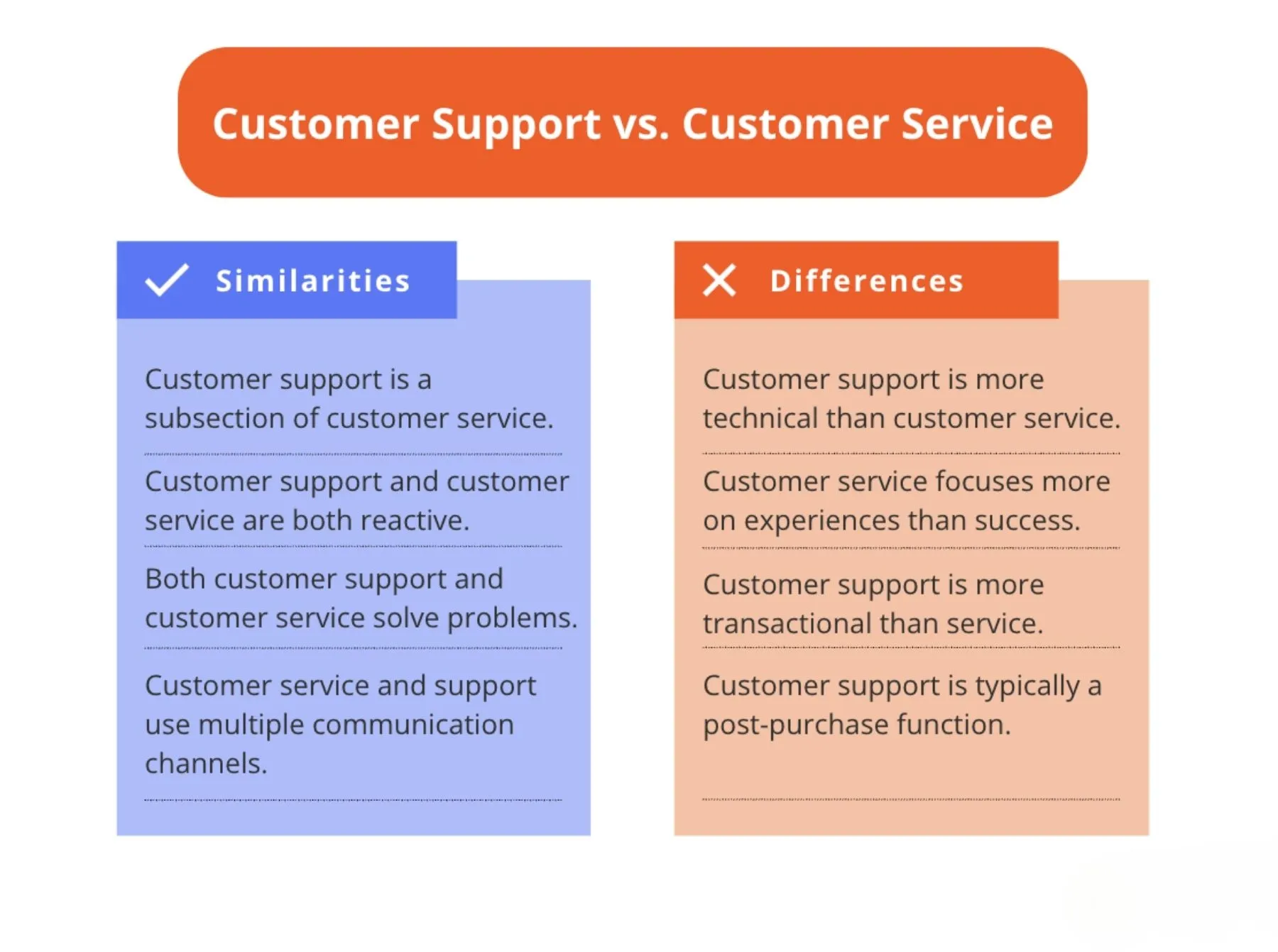
Each delivery method comes with its own set of advantages and disadvantages. Let’s see how they compare:
- Email and SMS: These methods are simple and accessible. However, they can be slower than other options, and a critical delay could affect your entry price. They are best for longer-term signals like swing or position trades.
- Mobile App: A dedicated mobile app often provides the best user experience, with push notifications, integrated analysis, and sometimes even direct trade execution features. These are typically associated with more established, paid services.
- MT4/MT5 Integration: For traders seeking speed and automation, direct integration with the MetaTrader 4 or MetaTrader 5 platform is ideal. This often involves a trade copier tool that automatically places the signal in your account.
Can You Automate Trading with Forex Signals?
Yes, you can automate trading with forex signals through a process commonly known as copy trading. This technology bridges the gap between receiving a signal and executing it. Instead of manually typing in the entry price, stop loss, and take profit levels, a specialized software tool, often called a trade copier, does it for you instantly. This software connects your trading account to the signal provider’s master account. When the provider opens or closes a trade, the copier software mirrors that exact action in your account within milliseconds. This eliminates the risk of human error and ensures you never miss a trade, even if you are away from your screen.

Many premium signal services offer this as a primary feature. The setup usually involves installing an Expert Advisor (EA) on your MT4 or MT5 platform and configuring your risk settings. For instance, you can set the copier to risk a specific percentage of your account per trade or use a fixed lot size. This automation is a powerful tool for maintaining discipline and removing emotional decision making from your trading. The main drawback is that you are placing complete trust in the provider’s strategy, as their losses will also be automatically copied to your account.
How Are Forex Signals Actually Generated?
Forex signals are primarily generated through two distinct methods: automated analysis conducted by algorithms or discretionary analysis performed by human experts. Automated signals are created by trading bots or Expert Advisors (EAs). This software is programmed with a set of rules based on technical indicators. For example, an algorithm might generate a buy signal when a currency pair’s price crosses above a specific moving average while the Relative Strength Index (RSI) is below a certain level. The key advantage here is the ability to scan dozens of markets 24/7 without emotion or fatigue. The system simply executes based on its code.

On the other hand, manual signals are the product of human analysts. These professional traders use a combination of technical, fundamental, and sentiment analysis to make their decisions. A human trader can interpret complex news events, such as an interest rate decision from a central bank, in a way that an algorithm cannot. This discretionary approach allows for greater flexibility and adaptability to unpredictable market conditions. Many of the most respected signal providers use a hybrid model, where they employ algorithms to scan for potential trade setups and then have human experts perform a final analysis to confirm whether the trade is worth taking.