

Blog
How Do Geopolitical Events, Conflicts, and Sanctions Impact Forex Prices?

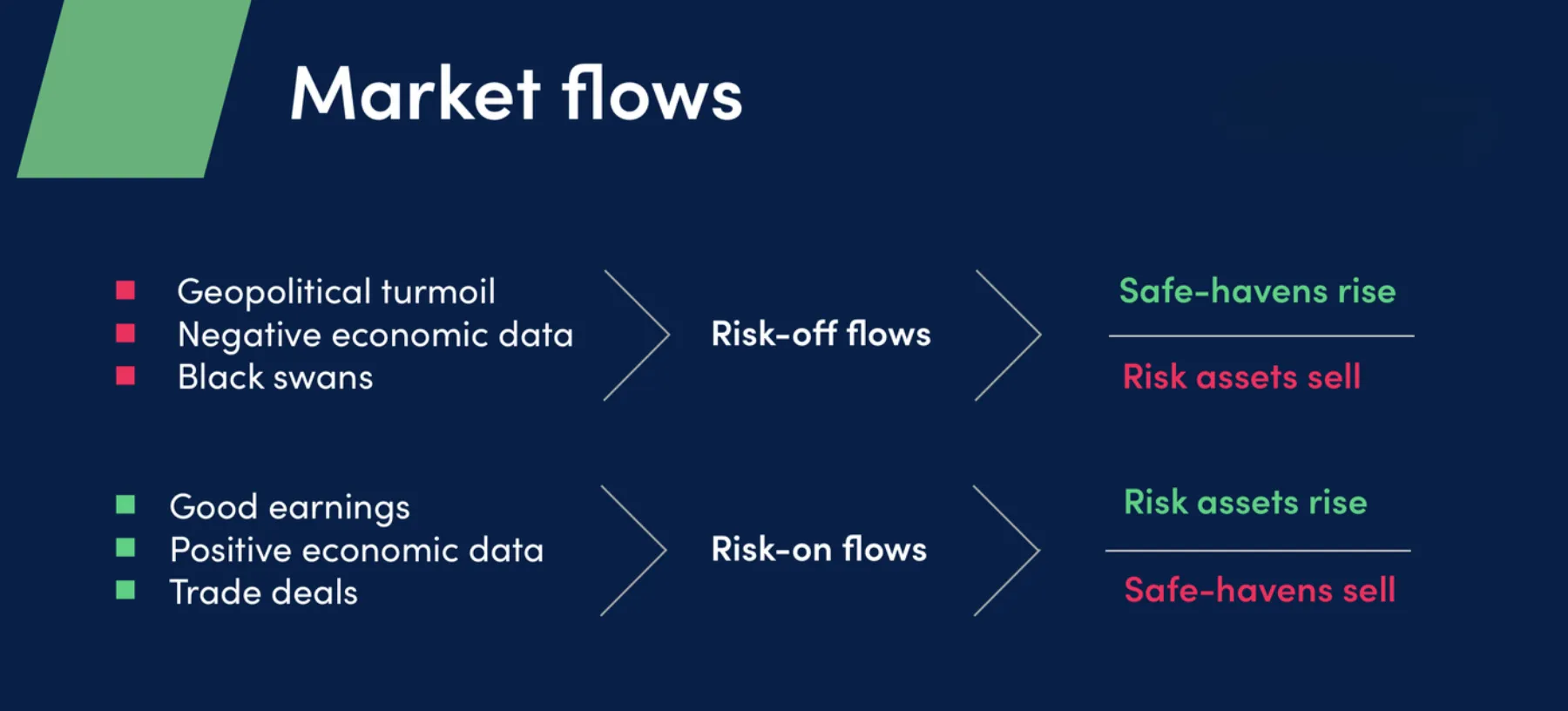
Geopolitical events, conflicts, and sanctions impact forex prices by creating economic uncertainty, altering investor risk sentiment, and disrupting international capital flows, which directly influences the supply and demand dynamics for currencies. When a crisis emerges, traders and investors often sell the currencies associated with the unstable region and buy currencies belonging to countries perceived as stable and secure. This flight to safety causes the value of the “risky” currency to fall while the “safe-haven” currency strengthens, creating significant volatility in the foreign exchange market.
The most direct impact comes from shifts in ‘risk sentiment’, where traders move capital from currencies of unstable regions to perceived ‘safe-haven’ currencies, causing the former to weaken and the latter to strengthen. This behavior is not based on a country’s immediate economic data but on the perceived future stability and security of its financial system. An unexpected conflict or political upheaval can instantly change the global appetite for risk, leading to large and rapid adjustments in currency valuations across the board.
Economic sanctions specifically impact forex prices by isolating a country’s economy, restricting its access to global capital and trade, which drastically reduces demand for its currency and leads to severe depreciation. By cutting a nation off from international payment systems or freezing its foreign assets, sanctions effectively make its currency less useful for global commerce. This reduction in utility and demand triggers a sharp sell-off, often causing the currency to collapse against major counterparts like the U.S. dollar or the Euro.
These powerful forces demonstrate that the forex market is not just driven by interest rates and inflation reports. It is deeply connected to global politics, security, and international relations. Understanding how events like military conflicts, elections, and trade disputes create ripple effects across currency pairs is essential for navigating the complexities of the world’s largest financial market. The following sections will explore these relationships in greater detail.
What Is the Direct Relationship Between Geopolitics and the Forex Market?
The direct relationship between geopolitics and the forex market is rooted in risk perception, where political instability and conflict drive investors to reallocate capital, directly altering currency supply and demand. In essence, the forex market acts as a global barometer for political and economic stability. When geopolitical tensions rise in a specific region, investors reassess the risk associated with holding that region’s currency and assets. This reassessment triggers a chain reaction that can cause rapid and substantial changes in currency values. Unlike economic data releases that are scheduled and anticipated, geopolitical events are often unpredictable, introducing sudden shocks to the market.
To understand this better, think of capital as being fluid and always seeking the best balance of safety and return. Geopolitical events fundamentally change this calculation. A stable political environment with predictable laws and strong institutions is attractive for investment, leading to capital inflows and a stronger currency. Conversely, an environment marked by conflict, sanctions, or political chaos is seen as high-risk. Investors will quickly move their money elsewhere to protect it, leading to capital outflows and a weaker currency. This dynamic isn’t just about big institutional investors. It includes corporations managing their international operations, pension funds, and even individuals. The collective action of all these participants responding to a geopolitical event is what drives the powerful price movements we see in the forex market.
How Does “Risk Sentiment” Drive Currency Fluctuations?
Risk sentiment is the collective mood or attitude of investors toward risk, and it is a primary driver of currency fluctuations during geopolitical events. This sentiment is often categorized into two modes: “risk-on” and “risk-off.” Understanding these two states is key to grasping how currencies react to global news.
A “risk-on” environment occurs when investors are optimistic about the global economy and feel confident taking on more risk for higher potential returns. During these times, capital flows into assets like stocks, commodities, and the currencies of emerging markets or countries with high growth rates. These are often called “risk currencies” or “high-beta” currencies. Examples include the Australian Dollar (AUD), the New Zealand Dollar (NZD), and the South African Rand (ZAR).
A “risk-off” environment is the opposite. It is triggered by fear, uncertainty, and instability, often stemming from a geopolitical crisis like a war, a terrorist attack, or a major political scandal. When investors become risk-averse, their priority shifts from seeking high returns to preserving their capital. This prompts a massive reallocation of funds. They sell their risky assets and move their money into lower-risk assets known as “safe havens.” In the forex market, this means selling risk-on currencies and buying safe-haven currencies like the U.S. Dollar (USD), the Swiss Franc (CHF), and the Japanese Yen (JPY). This surge in demand for safe-haven currencies causes their value to appreciate, while the increased supply of risk-on currencies on the market causes their value to depreciate. This is a direct supply-and-demand effect driven purely by a change in global sentiment.
How Do Capital Flows Respond to International Instability?
International instability triggers rapid and often dramatic shifts in capital flows, a phenomenon known as capital flight. When a country experiences a geopolitical crisis, such as a coup, civil war, or the imposition of heavy sanctions, both foreign and domestic investors lose confidence in the nation’s economic future and political stability. Fearing that their assets could be frozen, devalued, or seized, they rush to move their money out of the country.
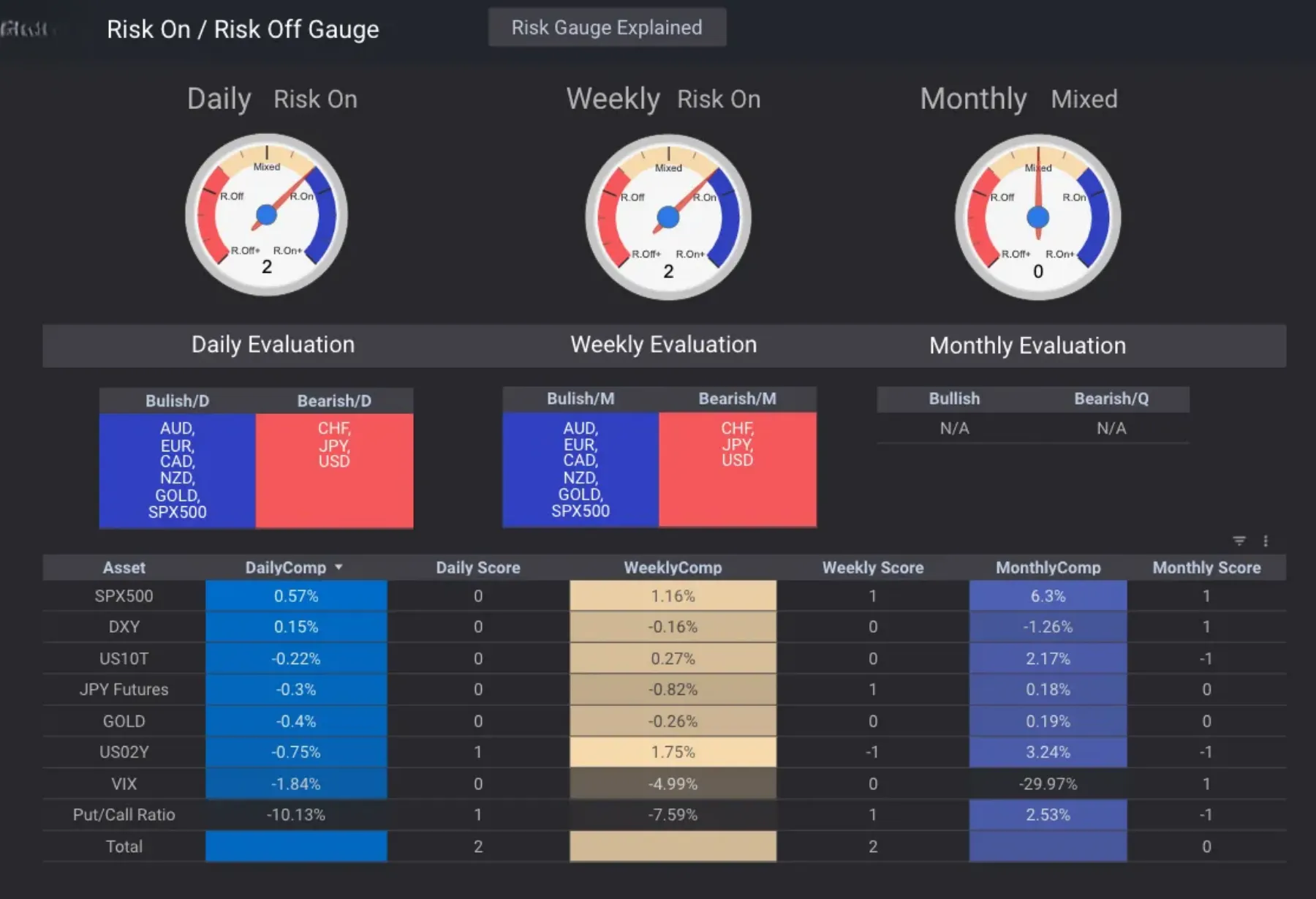
This process directly impacts the nation’s currency. To move money out, investors must sell their assets denominated in the local currency (like stocks, bonds, or property) and then sell the local currency itself to buy a more stable foreign currency, typically the U.S. dollar. This action floods the forex market with the local currency, massively increasing its supply. At the same time, demand for that currency evaporates. With supply soaring and demand plummeting, the currency’s value goes into a freefall, a process known as rapid depreciation. For instance, the threat of conflict or severe sanctions can cause a currency to lose a significant portion of its value in a matter of days or even hours.
Conversely, countries perceived as stable and secure become beneficiaries of this capital flight. The capital leaving the unstable region needs a safe place to go. As a result, nations with strong legal systems, stable governments, and liquid financial markets, such as the United States, Switzerland, and Japan, experience capital inflows. As investors from around the world rush to buy assets in these safe-haven countries, they must first buy the local currency (USD, CHF, or JPY). This surge in demand causes the safe-haven currencies to appreciate. This dual effect, where one currency weakens dramatically while another strengthens, is a hallmark of how the forex market prices in geopolitical risk.
What Types of Geopolitical Events Most Significantly Move Currencies?
The main types of geopolitical events that move currencies are wars and military conflicts, economic sanctions, and major elections or political transitions, all of which introduce high levels of uncertainty. These events are so impactful because they fundamentally threaten economic stability, disrupt trade, and alter the flow of capital on a global scale. While minor political disagreements may cause small ripples in the market, these major events can trigger tidal waves of volatility, leading to sharp and sustained movements in currency pairs. Forex traders and investors monitor these developments closely, as they often override traditional economic indicators like GDP growth or employment data in the short term.
Let’s explore each of these categories. Each type of event affects currencies through different mechanisms. Military conflicts directly impact a nation’s productive capacity and government finances. Economic sanctions are a form of financial warfare, designed to cripple an economy by cutting it off from the world. Elections and political transitions create uncertainty about future economic and foreign policy. Recognizing which type of event is unfolding helps traders anticipate the potential direction and magnitude of a currency’s movement. For example, the market’s reaction to a surprise election result might be sharp but short-lived, whereas the impact of a prolonged war could cause a currency to trend downwards for months or even years.
How Do Wars and Military Conflicts Impact Forex Prices?
Wars and military conflicts have a profoundly negative impact on a currency’s value due to the immense economic and social disruption they cause. The immediate effect is a collapse in investor confidence. Foreign and domestic capital flees the conflict zone, leading to massive currency depreciation as explained by capital flight. Beyond this initial shock, the long-term economic damage ensures sustained pressure on the currency.

First, government spending skyrockets as funds are diverted to the military effort. This often leads to huge budget deficits, which governments may finance by printing more money. This increase in the money supply can lead to high inflation, which erodes the purchasing power of the currency and causes its value to fall. Second, a nation’s productive capacity is severely damaged. Infrastructure like roads, ports, and factories may be destroyed, and the labor force is disrupted. This leads to a sharp decline in economic output and exports, reducing the foreign demand for the country’s goods and, by extension, its currency.
Furthermore, supply chains are broken. A country at war may be unable to export its key commodities, such as oil, gas, or agricultural products. This not only hurts its own economy but can also have global consequences, leading to price shocks and volatility in other markets. For instance, when a major oil-producing nation is involved in a conflict, the resulting uncertainty around oil supplies can cause oil prices to spike, impacting commodity-linked currencies around the world. The currency of the aggressor nation also suffers, as it is often hit with sanctions and international isolation, further crippling its economy. In short, war creates a perfect storm of negative economic factors that almost always leads to a weaker currency.
What Is the Effect of Economic Sanctions on a Currency’s Value?
Economic sanctions are a powerful geopolitical tool designed to pressure a country’s government by damaging its economy, and their effect on the target country’s currency is almost always severe and negative. Sanctions work by restricting a nation’s ability to participate in the global economy. This can take several forms, each of which weakens the currency.

One common form is restricting access to international capital markets. This means the country’s government and corporations cannot borrow money from foreign lenders or sell bonds to international investors. This chokes off a vital source of foreign currency, making it harder to finance imports or pay off existing debts. Another powerful sanction is freezing the foreign reserves of a country’s central bank. These reserves are typically held in major currencies like the U.S. dollar and are used to stabilize the domestic currency. When these assets are frozen, the central bank loses its ability to intervene in the forex market to support its currency’s value, leaving it vulnerable to a collapse.
Furthermore, sanctions often target key industries like energy or banking, and they can include trade embargoes. By making it difficult or impossible for other countries to buy the sanctioned nation’s exports or sell it essential imports, demand for the target country’s currency plummets. When no one needs your currency to buy your goods, its value falls. The impact is felt not only by the sanctioned nation but also by its trading partners. For example, when sanctions were placed on Russian energy, European countries that relied on Russian gas faced an energy crisis, which in turn put downward pressure on the Euro.
How Do Major Elections and Political Transitions Affect Forex?
Major elections and political transitions are a significant source of currency volatility because they create uncertainty about a country’s future economic, fiscal, and trade policies. The forex market dislikes uncertainty above all else. In the weeks and months leading up to a contentious election, a currency may weaken or trade sideways as investors wait for a clear outcome before committing capital.
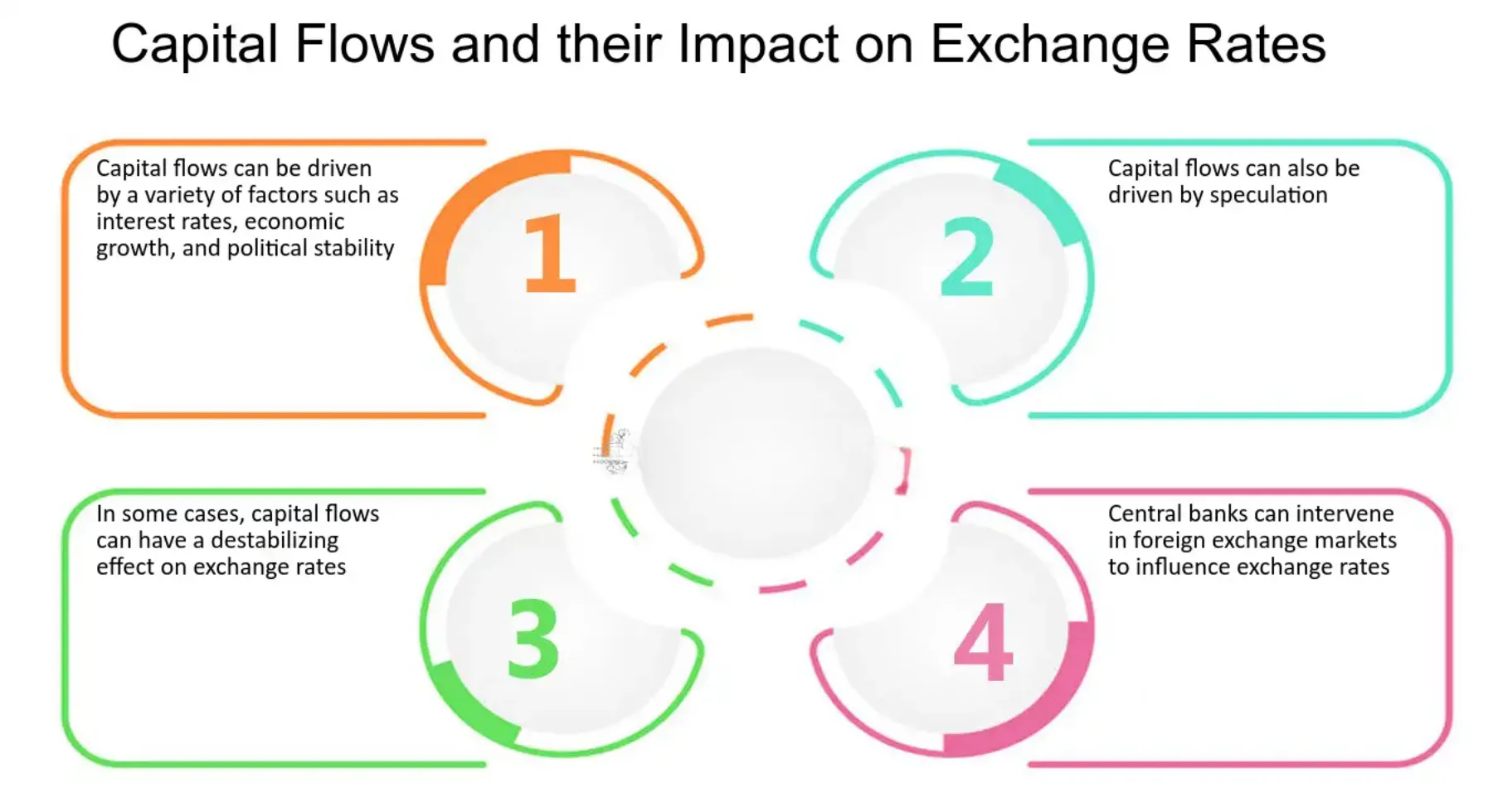
The platform of the leading candidates is a key factor. For example, if a candidate is promising large-scale fiscal stimulus (increased government spending), traders might anticipate higher inflation and a weaker currency in the long run. Conversely, a candidate promising fiscal discipline and pro-business reforms might be seen as positive for the currency. The stance on trade is also critical. A candidate advocating for protectionist policies and tariffs could trigger fears of a trade war, which is generally negative for the currency of a country that relies on exports. The market’s reaction during the vote count can be extremely volatile, with currency values swinging wildly as results come in.
Once a winner is declared, the focus shifts to the transition of power and the implementation of the new government’s policies. A smooth and peaceful transition is reassuring to markets. However, a contested election or a chaotic transfer of power can extend the period of uncertainty and cause the currency to weaken further. The market will closely watch the new administration’s first moves, especially regarding the budget, central bank appointments, and international relations. Any deviation from expected policy can trigger another round of volatility. The Brexit referendum in the UK is a classic example, where the unexpected “Leave” vote caused an immediate and dramatic collapse in the value of the British Pound due to the profound uncertainty it created about the UK’s future trade relationships.
Which Currencies Are Most Affected During Geopolitical Crises?
During geopolitical crises, risk-sensitive and commodity-linked currencies are most negatively affected, while traditional safe-haven currencies like the USD, CHF, and JPY typically strengthen. This clear divergence is one of the most reliable patterns in the forex market during times of global stress. The world’s currencies can be broadly divided into these two camps based on how they react to widespread fear and uncertainty. The currencies that suffer the most are those tied to emerging markets, global growth, and commodity exports. Investors perceive them as less stable and quicker to sell when trouble arises.
On the other side of the spectrum are the safe havens. These are the currencies of countries with deep, liquid financial markets, stable political systems, and a history of being a reliable store of value. When a crisis hits, whether it’s a war, a financial panic, or a pandemic, global capital instinctively flows toward these currencies for protection. This “flight to quality” is a self-fulfilling prophecy. Because everyone believes these currencies are safe, the act of everyone buying them makes them stronger, reinforcing their safe-haven status. Understanding this fundamental dichotomy is crucial for navigating the forex market when geopolitical tensions are high. Let’s break down the characteristics of each group.
What Defines a “Safe-Haven” Currency?
A “safe-haven” currency is a currency that is expected to retain or even increase in value during times of global market turmoil and uncertainty. Investors flock to these currencies not to generate high returns, but to preserve their capital when riskier assets are falling in value. Several key characteristics define a safe-haven currency:

1. Political and Economic Stability: The country must have a long-standing, stable government and a predictable legal and regulatory environment. Investors need to be confident that their assets will not be subject to sudden political changes or expropriation.
2. Strong Financial System and Liquidity: The currency must have a large, open, and highly liquid financial market. This means investors can easily buy and sell the currency in large amounts without causing massive price swings. The U.S. Treasury bond market is the most liquid in the world, which underpins the dollar’s safe-haven status.
3. Positive Current Account Balance or Reserve Status: A country that is a net creditor to the rest of the world (like Japan) or whose currency is held in vast quantities by other central banks (like the U.S. Dollar) has an inherent strength.
The primary safe-haven currencies are:
- The U.S. Dollar (USD): This is the world’s ultimate safe haven. As the global reserve currency, most international trade and debt are denominated in USD. During a crisis, everyone needs dollars, creating immense demand.
- The Swiss Franc (CHF): Switzerland’s long history of political neutrality, a secure and secretive banking system, low government debt, and consistent current account surpluses give the CHF its safe-haven appeal.
- The Japanese Yen (JPY): Japan is the world’s largest creditor nation, meaning it owns more foreign assets than it owes to foreigners. During a global crisis, Japanese investors tend to sell their foreign assets and bring their money home, a process called repatriation. This involves selling foreign currency and buying JPY, which drives up its value.
What Are “Risk-On” and Commodity Currencies?
“Risk-on” currencies, often referred to as high-beta currencies, are those that tend to perform well when the global economy is growing and investor confidence is high. They are the opposite of safe havens. When a geopolitical crisis erupts and sentiment turns “risk-off,” these are typically the first currencies to be sold off. Their value is closely tied to the health of the global business cycle, investor risk appetite, and, in many cases, the prices of raw materials.

A major subset of risk-on currencies are commodity currencies. These are the currencies of countries whose economies are heavily dependent on the export of natural resources like oil, minerals, or agricultural products. Their value often moves in tandem with the prices of their key commodity exports. When global growth is strong, demand for commodities is high, and these currencies strengthen. When a geopolitical crisis sparks fears of a global recession, commodity prices often fall, dragging these currencies down with them.
Some of the most well-known risk-on and commodity currencies include:
- The Australian Dollar (AUD): Australia is a major exporter of iron ore, coal, and other industrial metals. The AUD is therefore highly sensitive to global manufacturing activity and commodity prices, particularly those influenced by demand from China.
- The New Zealand Dollar (NZD): The NZD is linked to global risk sentiment and the prices of agricultural exports, such as dairy products.
- The Canadian Dollar (CAD): Canada is a major oil exporter, so the CAD often has a strong correlation with the price of crude oil.
- Emerging Market Currencies: Currencies like the South African Rand (ZAR), the Mexican Peso (MXN), and the Turkish Lira (TRY) are also considered risk-on. They offer higher potential returns but are also more vulnerable to shifts in global risk sentiment and capital flight during crises.
What Are Other Key Considerations for Trading Forex During Geopolitical Events?
Traders must consider historical precedents, distinguish geopolitical shocks from economic data releases, implement strict risk management, use specialized tools, and understand that currency impacts are not uniform. Additionally, a nuanced approach that combines historical context with modern risk management techniques is essential for navigating the volatile conditions that geopolitical events create in the forex market. By looking beyond the headlines, traders can better prepare for sudden market shifts and protect their capital from unpredictable price swings. A comprehensive strategy involves not just reacting to news but anticipating potential outcomes based on a deeper understanding of market drivers.
What Are Major Historical Examples of Geopolitics Moving the Forex Market?
History provides clear examples of how geopolitical events can cause massive and immediate shifts in the forex market. One of the most prominent cases is Brexit, the United Kingdom’s 2016 referendum to leave the European Union. In the hours after the “Leave” vote was confirmed, the British Pound (GBP) experienced a flash crash, falling over 10% against the US Dollar to a 31 year low. This move was driven purely by the political outcome and the resulting economic uncertainty, not by any preceding economic data.

Another powerful example is the Russia-Ukraine conflict in 2022. Following the invasion, Western nations imposed severe sanctions on Russia, leading to a collapse of the Russian Ruble (RUB). The currency lost nearly half its value against the USD in just a few weeks. At the same time, the Euro (EUR) also weakened considerably due to Europe’s geographical proximity, its reliance on Russian energy, and the general flight to safety that benefited the US Dollar. A final case is the US-China trade tensions that escalated between 2018 and 2019. The imposition of tariffs and protectionist rhetoric caused significant volatility in the Chinese Yuan (CNH) and the US Dollar (USD), as markets priced in the risks of a global economic slowdown.
What Is the Difference Between Geopolitical Impact and Economic Data Impact?
While both geopolitical events and economic data releases drive forex prices, they differ fundamentally in their nature, predictability, and market reaction. The primary distinction is that economic data impact is largely scheduled and anticipated, whereas geopolitical impact is often sudden and unpredictable. Economic data releases, such as Non-Farm Payrolls (NFP) or Consumer Price Index (CPI) reports, are published on a public calendar. Traders know the exact time of the release and have consensus forecasts to compare the actual numbers against. The market reaction, though volatile, is centered around a specific moment and is based on whether the data meets, beats, or misses expectations.
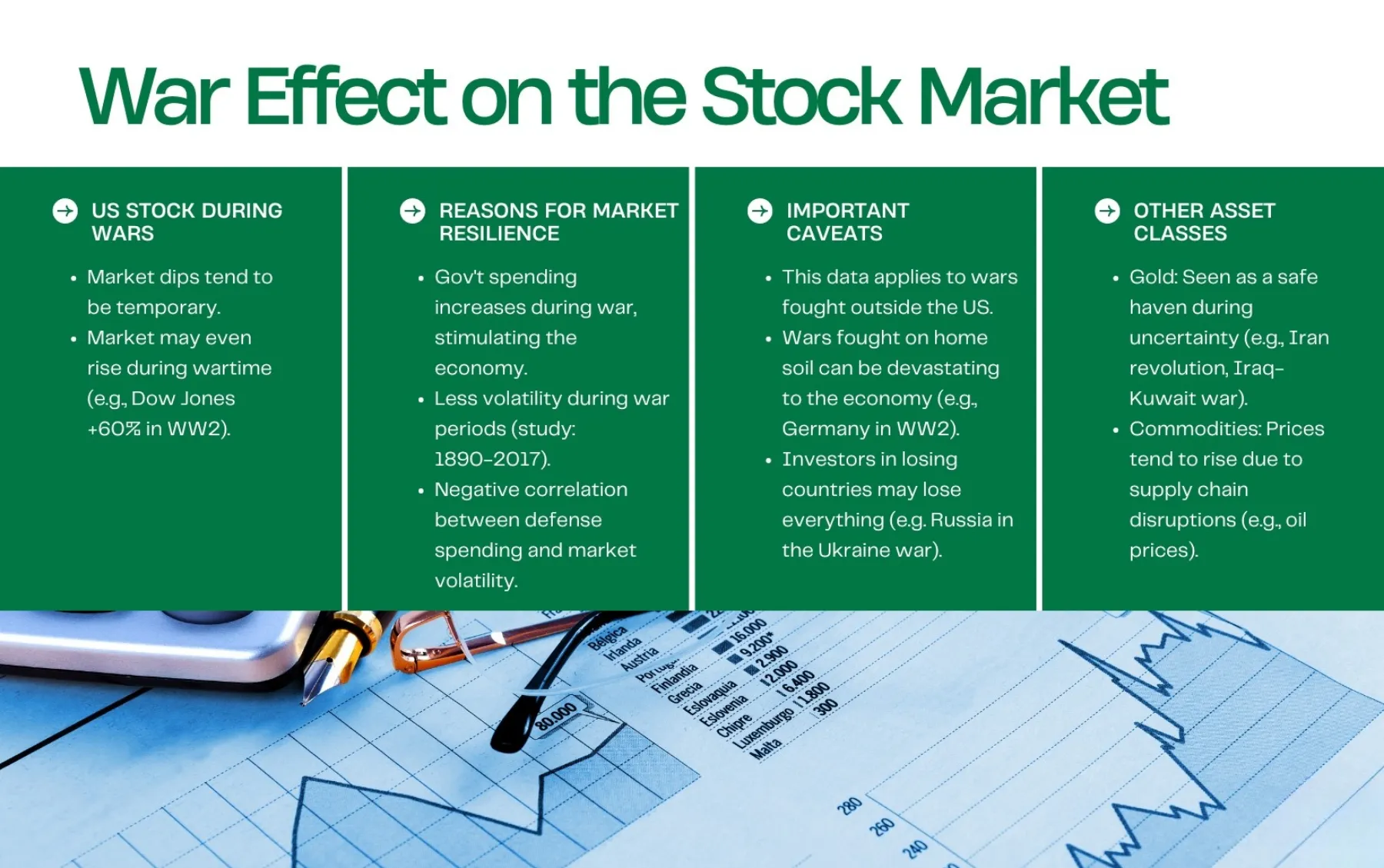
In contrast, geopolitical events like military conflicts, terrorist attacks, or surprise election results are typically unscheduled shocks. They introduce a level of raw uncertainty that economic data does not. The market reaction is driven by fear and a rapid reassessment of risk, often leading to more severe and prolonged volatility. You’ll notice that during these events, technical analysis can break down, and market liquidity may dry up, causing wider bid-ask spreads and “gapping” prices where the market jumps from one price to another without trading in between.
How Can Traders Manage Forex Risk During High Uncertainty?
Effectively managing risk is paramount when trading during periods of high geopolitical uncertainty. Because market movements can be swift and irrational, traders should adopt defensive strategies to protect their capital. A foundational technique is the disciplined use of stop-loss orders. These orders automatically close a losing trade once it reaches a predetermined price level, preventing catastrophic losses during a sudden market crash. It is wise to place them at a safe distance to avoid being “stopped out” by short term volatility while still limiting downside exposure.
Furthermore, traders should immediately reduce their position sizes. Trading with smaller lots than usual ensures that any single loss represents a smaller percentage of the overall account balance. This is directly related to avoiding over-leveraging. While leverage can amplify profits, it equally magnifies losses, and a highly leveraged position can be wiped out in seconds during a geopolitical shock. Finally, diversifying into safe-haven currencies can be a prudent strategy. Currencies like the Swiss Franc (CHF), Japanese Yen (JPY), and the US Dollar (USD) often strengthen during global crises as investors sell riskier assets and move capital to perceived safety.
Are There Tools to Measure Geopolitical Risk?
Yes, there are specialized tools designed to quantify and measure geopolitical risk, which advanced traders and institutional investors use to inform their strategies. The most well known of these is the Geopolitical Risk (GPR) Index, an economic indicator created to measure the frequency of news articles concerning geopolitical tensions. This index works by scanning leading international newspapers for keywords related to war, conflict, and political instability. When the frequency of these articles increases, the GPR Index rises, signaling elevated risk in the global environment.

A rising GPR Index can serve as an early warning system for potential market volatility and a flight to safety. For example, a trader might notice a sharp spike in the index before a crisis fully unfolds. This could prompt them to reduce exposure to high risk emerging market currencies and increase holdings in safe-haven assets like the JPY or CHF. While these indices are not direct trading signals, they provide valuable context and a data driven measure of market sentiment. They help traders move beyond subjective interpretations of news headlines and incorporate a more objective risk assessment into their analysis.
Does Geopolitical Impact Affect All Currency Pairs Equally?
The impact of a geopolitical event is rarely uniform across all currency pairs. Its effect is typically concentrated based on geographical proximity, economic ties, and the overall role a currency plays in the global financial system. The most direct impact is felt by the currencies of the nations directly involved in the event. For instance, if a conflict breaks out in a specific region, the currencies of those countries will experience the most immediate and severe volatility due to capital flight and economic disruption.

Beyond the directly involved parties, there is a regional ripple effect. A crisis in the Eurozone, for example, will have the greatest impact on EUR pairs like EUR/USD and EUR/GBP. However, it will also affect currencies of close trading partners like the Swiss Franc (CHF) and Polish Zloty (PLN). The final layer of impact is global. If an event is significant enough to rattle worldwide confidence, it can trigger a broad “risk-off” sentiment. In such a scenario, investors sell assets perceived as risky, such as the Australian Dollar (AUD) or New Zealand Dollar (NZD), and buy safe-haven currencies like the USD and JPY. This is how a regional crisis can ultimately affect a pair like AUD/JPY, even when neither Australia nor Japan is directly involved.