

Blog
What is the Central Bank’s Role in the Forex Market?


The central bank’s primary role in the forex market is to implement monetary policy to manage its country’s currency value, maintain economic stability, and influence exchange rates. As the main financial authority, a central bank is the single most powerful actor affecting a currency’s supply and demand. Its decisions on interest rates, inflation control, and economic growth directly dictate the attractiveness of holding its currency, making its announcements and actions the focal point for forex traders and international investors. Every move a central bank makes sends ripples through the global financial system.
A central bank’s core mandate typically centers on two domestic goals: maintaining price stability by controlling inflation and promoting maximum sustainable employment. These objectives, while focused inward, have profound effects on the foreign exchange market. When a central bank acts to cool inflation by raising interest rates, it simultaneously makes its currency more attractive to foreign investors seeking higher returns. Conversely, actions taken to stimulate employment, such as lowering rates, can make the currency less appealing.
The most powerful tools central banks use to influence currency values are interest rate adjustments, open market operations, and unconventional policies like quantitative easing. Interest rates are the headline tool, directly impacting capital flows. Open market operations are the day-to-day mechanism for managing the money supply to keep interest rates in line with the bank’s target. These instruments work together to shape the financial environment and, by extension, the perceived strength or weakness of a nation’s currency.
Forex traders and investors scrutinize every word from central bank governors, from official policy statements to public speeches, searching for clues about future policy direction. This “forward guidance” has become a tool in itself, as the mere expectation of a policy change can move markets long before any action is taken. Understanding how these institutions operate is fundamental to navigating the complexities of the forex market.
What is a Central Bank?
A central bank is a nation’s primary financial institution responsible for implementing monetary policy, managing the currency, and overseeing the commercial banking system. It functions as the operational core of a country’s financial infrastructure, acting as the bank for both the government and the commercial banks themselves. Think of it as the ultimate authority on money and credit for an entire economy. Major examples that forex traders watch closely include the U.S. Federal Reserve (the Fed), the European Central Bank (ECB), the Bank of Japan (BoJ), and the Bank of England (BoE). Each of these institutions holds immense power over its respective currency, the U.S. Dollar, the Euro, the Japanese Yen, and the British Pound.
To understand this better, let’s explore its key functions. First and foremost, a central bank is tasked with maintaining the stability of the financial system. It acts as the “lender of last resort” for commercial banks. If a private bank faces a short-term cash shortage and cannot borrow from other banks, the central bank can step in to provide emergency loans. This backstop prevents a liquidity crisis at one bank from spreading and causing a systemic collapse, which protects the entire economy. By ensuring the banking sector remains stable and liquid, the central bank fosters confidence, which is essential for both domestic economic activity and international investment.
Another core responsibility is the issuance and management of the national currency. The central bank is the only entity with the legal authority to print physical money (notes and coins). It also manages the country’s money supply, which is the total amount of currency in circulation. By controlling the supply of money, it directly influences its value, both domestically in terms of purchasing power and internationally in terms of its exchange rate. This control is exercised through its monetary policy tools, which are designed to either expand or contract the money supply to meet its economic objectives.
Finally, central banks manage a country’s foreign exchange reserves. These reserves are large stockpiles of foreign currencies, gold, and other international assets. Holding these reserves allows the central bank to intervene directly in the forex market if necessary. For instance, if its own currency is depreciating too rapidly, a central bank can sell its foreign currency reserves to buy back its own currency, thereby increasing demand and supporting its value. While direct intervention is less common for major economies today, the management of these reserves is a critical function that underpins the stability and credibility of the national currency on the global stage.
What is the Primary Mandate of a Central Bank?
The primary mandate for most modern central banks is a dual objective focused on achieving price stability by controlling inflation and fostering maximum sustainable employment. While these goals are domestic, their pursuit has a direct and powerful impact on the foreign exchange market because the tools used to achieve them alter the value of the nation’s currency. Central banks like the U.S. Federal Reserve are explicitly guided by this dual mandate, while others, like the European Central Bank, have a primary objective of price stability, with employment as a secondary consideration. Regardless of the specific wording, the tension between controlling inflation and promoting growth is at the heart of every central bank’s decision-making process.
Let’s explore these mandates in detail.
How Does Controlling Inflation Affect a Currency?
Controlling inflation is arguably the most critical function of a central bank, as it directly protects a currency’s purchasing power. Specifically, when a central bank successfully keeps inflation low and stable, it builds global confidence in its currency, making it more attractive to hold and invest in. High or unpredictable inflation erodes the value of money over time. If a currency loses 10% of its purchasing power in a year due to inflation, any investment denominated in that currency effectively starts from a 10% loss. International investors will avoid currencies from countries with runaway inflation because their returns would be wiped out.
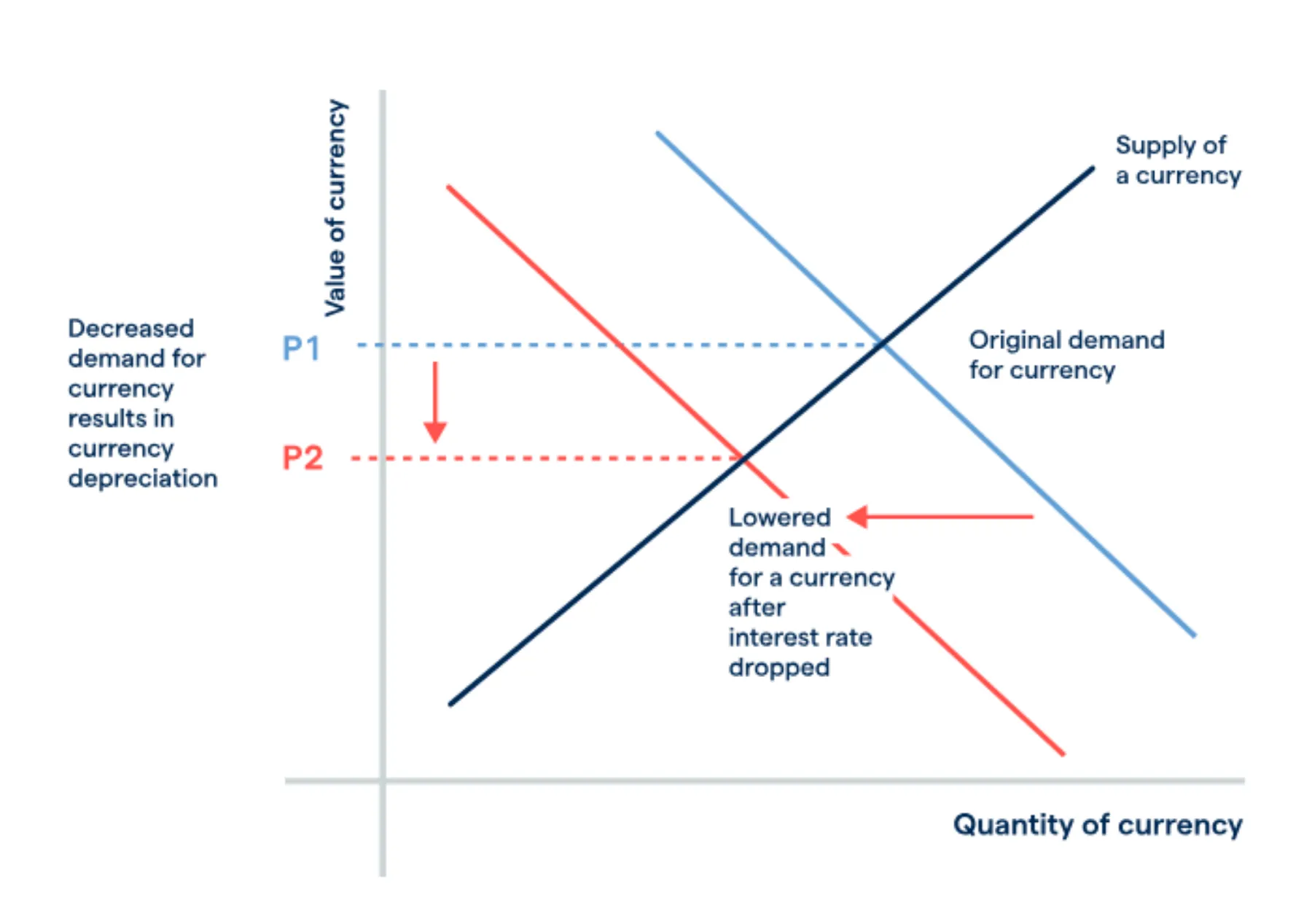
Most major central banks, including the Fed and the ECB, have an inflation target of around 2%. This level is considered low enough to not distort economic decisions but high enough to avoid the dangers of deflation (falling prices), which can stifle economic activity. When inflation rises above this target, it signals that the economy is overheating. To combat this, the central bank will typically implement a “hawkish” or “tightening” monetary policy. The main tool for this is raising the policy interest rate. Higher interest rates make borrowing more expensive, which slows down spending and investment, cools the economy, and brings inflation back toward the target. For forex traders, this action is a strong bullish signal. Higher interest rates offer a better return, attracting foreign capital and increasing demand for the currency, causing it to appreciate.
Conversely, if inflation is running too low or there is a risk of deflation, the central bank will adopt a “dovish” or “loosening” policy. It will lower interest rates to encourage borrowing and spending, stimulating economic activity. This makes the currency less attractive to foreign investors seeking yield, often leading to its depreciation.
How Does the Goal of Full Employment Impact Forex?
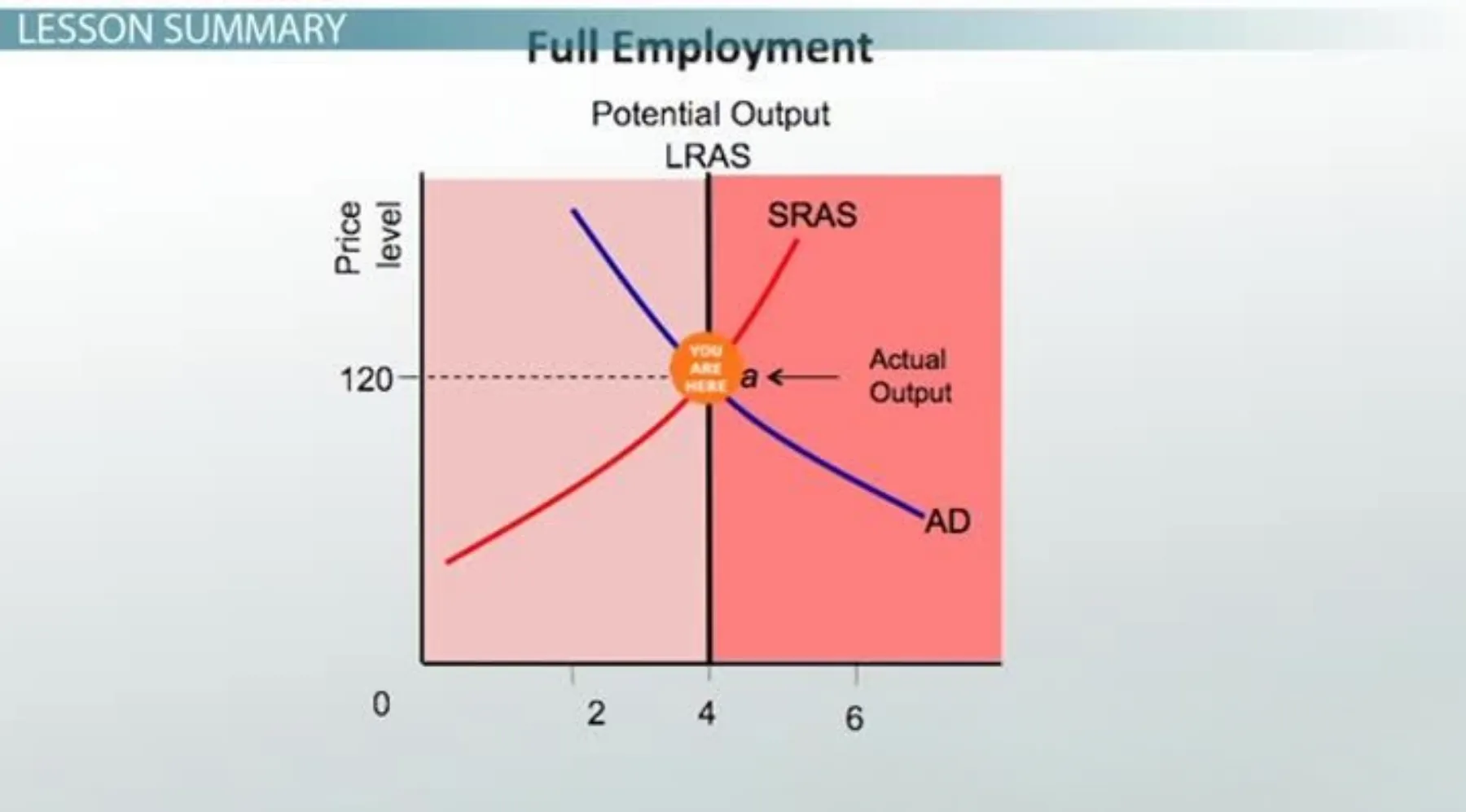
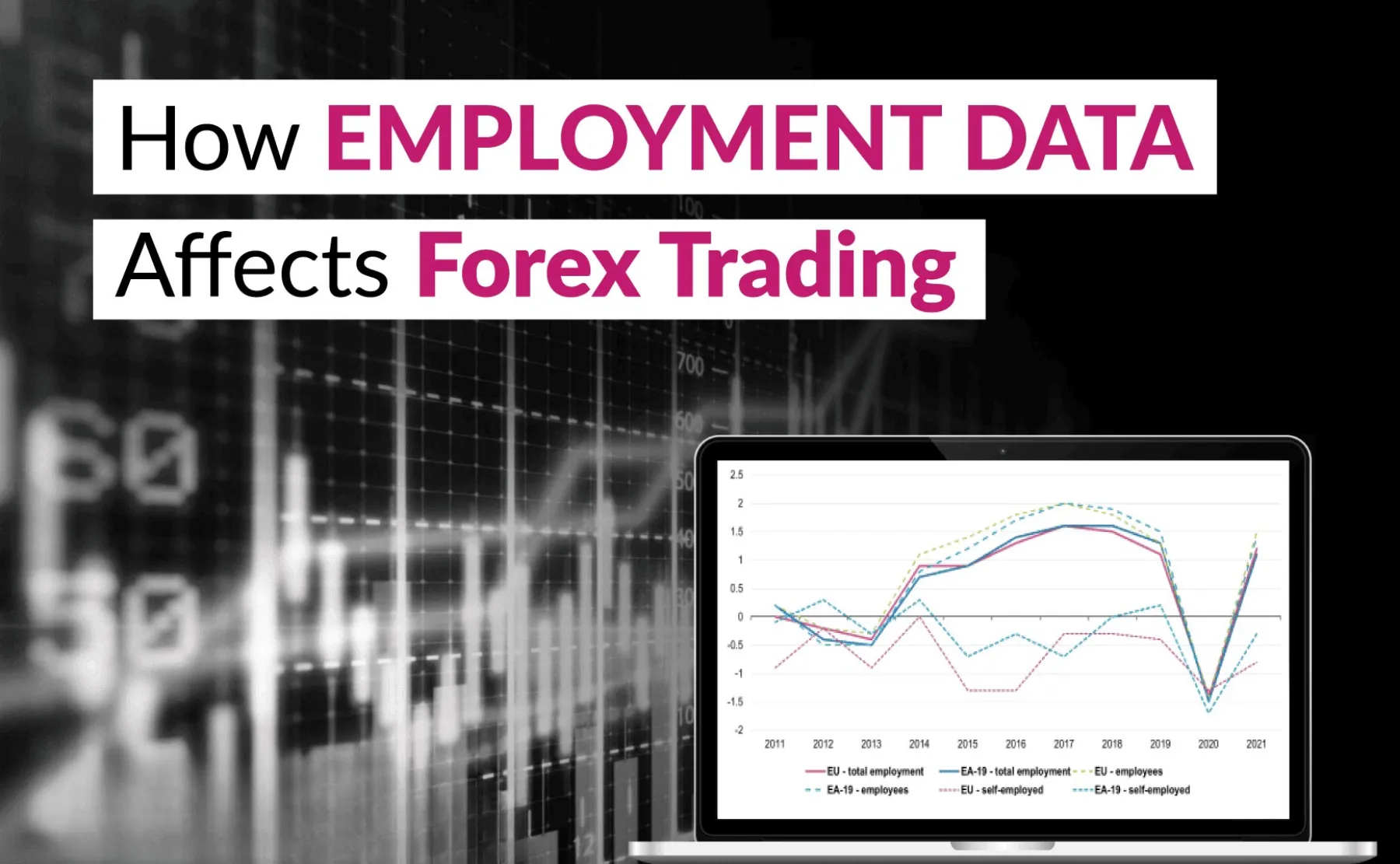
The goal of achieving maximum sustainable employment is the other side of the dual mandate coin. Specifically, strong employment data signals a healthy and growing economy, which often leads forex market participants to anticipate tighter monetary policy and a stronger currency. Employment indicators, such as the monthly Non-Farm Payrolls (NFP) report in the United States, are some of the most closely watched economic releases. A strong jobs report, showing high job creation and low unemployment, suggests that consumers have money to spend and businesses are confident enough to hire.
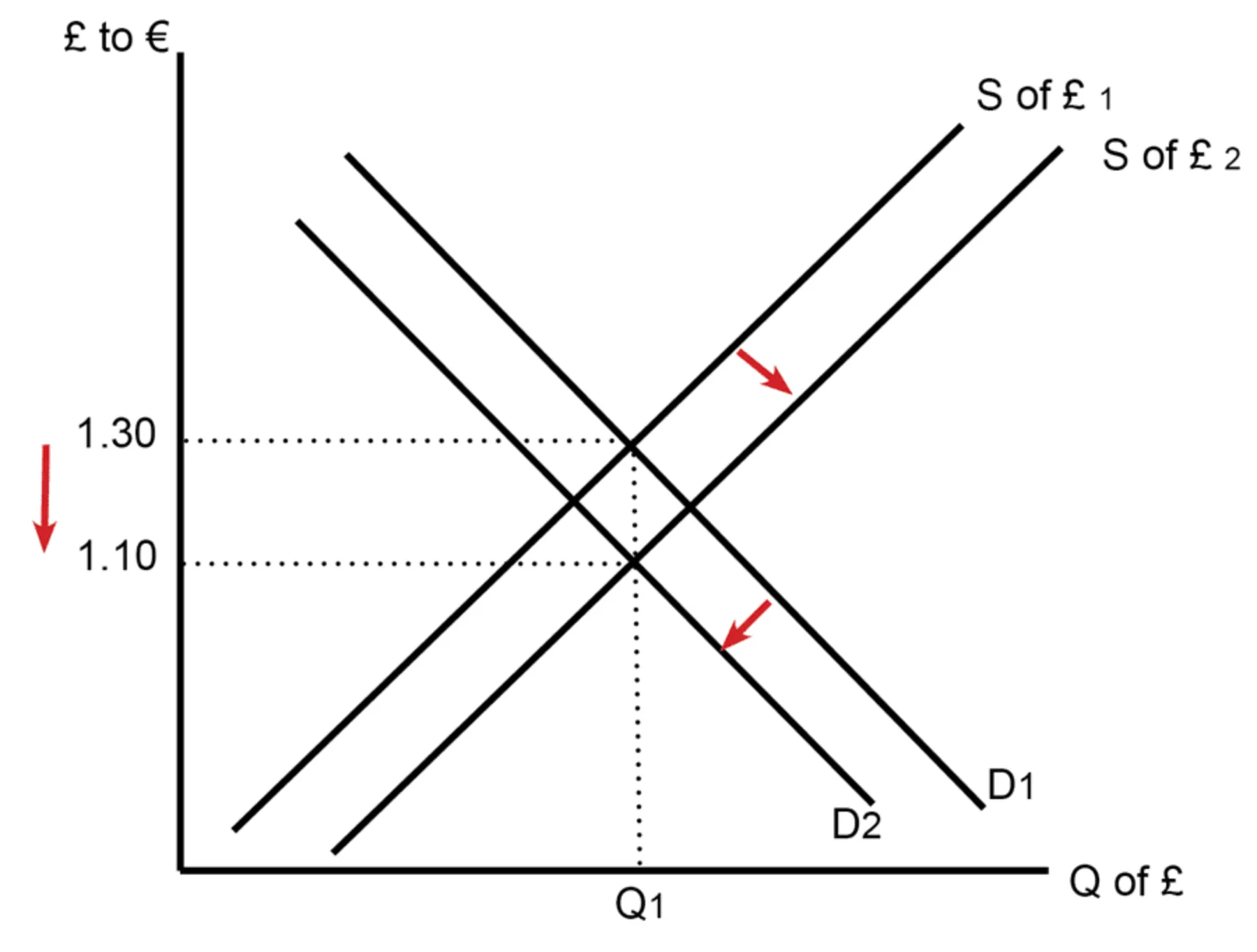
This economic strength can create inflationary pressures. As more people work and earn wages, demand for goods and services increases, which can push prices up. Forex traders know that a central bank with a dual mandate cannot ignore a red-hot labor market. They will anticipate that the central bank may need to raise interest rates to prevent the economy from overheating and keep inflation in check. As a result, a positive employment report often causes the currency to strengthen immediately, even before the central bank has made any official announcement. The market prices in the expectation of future rate hikes.
On the other hand, weak employment data, such as rising unemployment or sluggish job growth, indicates a slowing economy. This reduces the likelihood of inflation and may even prompt the central bank to consider lowering interest rates to stimulate growth. Forex traders react to this by selling the currency, anticipating a more dovish policy stance, which leads to its depreciation. The constant interplay between inflation data and employment figures provides the fundamental backdrop for nearly all major currency movements.
What are the Main Policy Tools Central Banks Use to Influence Currency?
The main policy tools central banks use to implement monetary policy and influence currency values are the policy interest rate, open market operations (OMOs), and reserve requirements. In recent times, unconventional tools like quantitative easing (QE) and quantitative tightening (QT) have also become prominent. These instruments work in concert to manage the money supply, control the cost of credit, and signal the central bank’s economic outlook, all of which have a profound effect on the foreign exchange market. The policy interest rate is the most visible and powerful of these, but the others play essential supporting roles in making monetary policy effective.
Let’s explore these key tools.
What are Interest Rates (Policy Rate)?
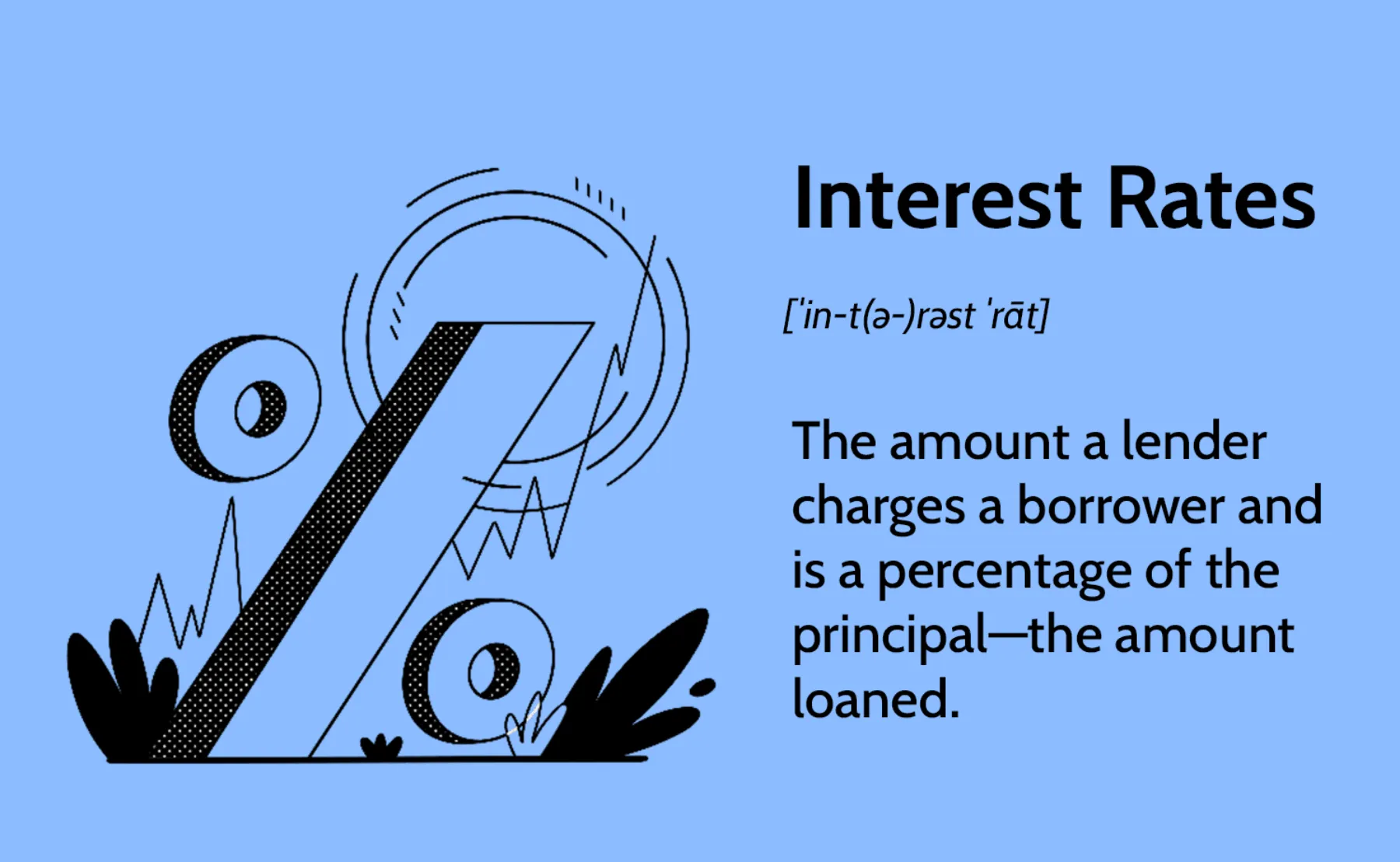
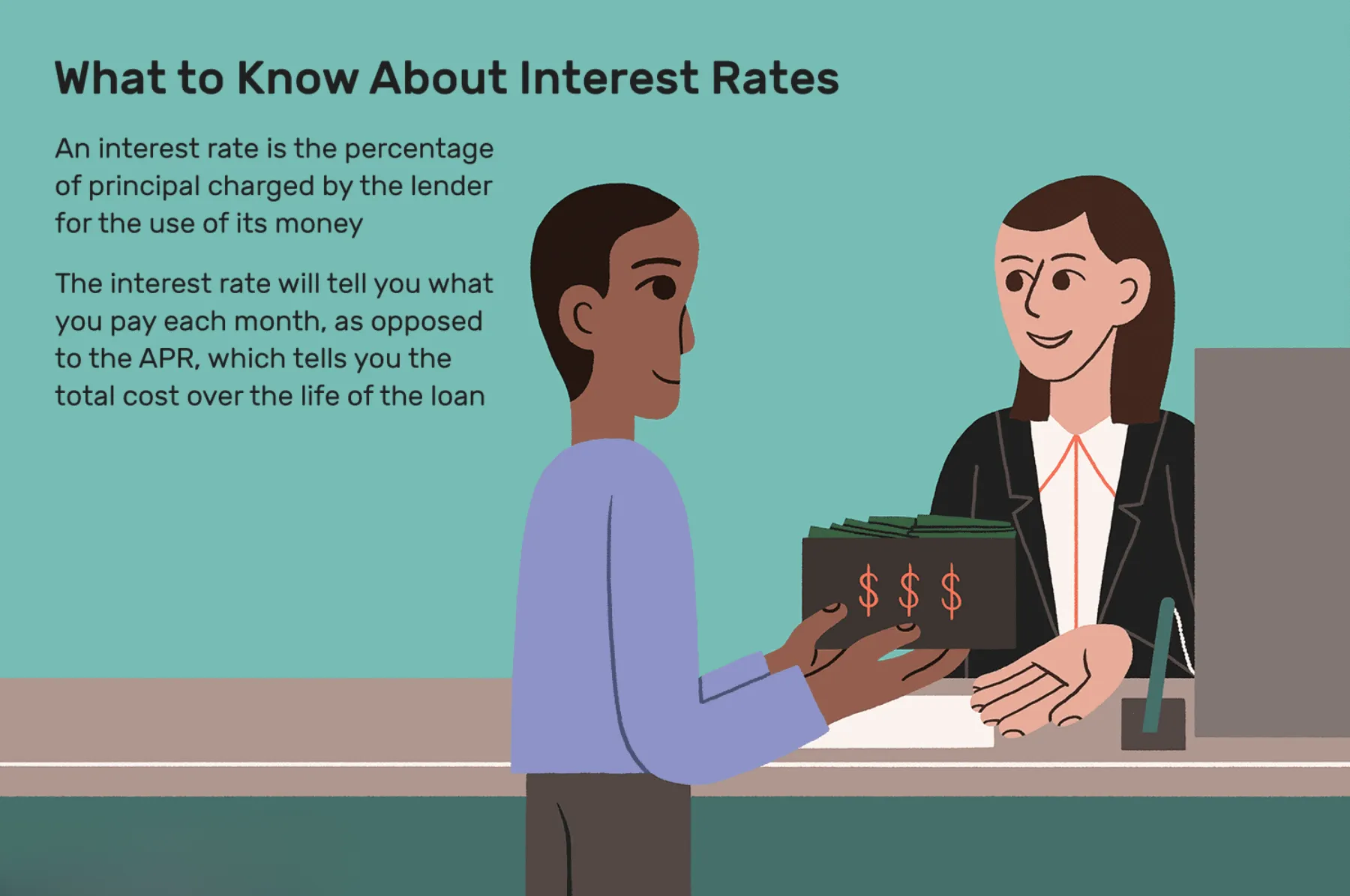
The policy rate is the primary tool of monetary policy and represents the interest rate at which commercial banks can borrow money from the central bank. Specifically, this rate serves as the foundational benchmark for all other interest rates within an economy, from mortgages to corporate bonds. Different central banks have different names for their policy rate. For example, in the United States, it is the Fed Funds Rate; for the European Central Bank, it is the Main Refinancing Rate; and for the Bank of England, it is the Bank Rate.
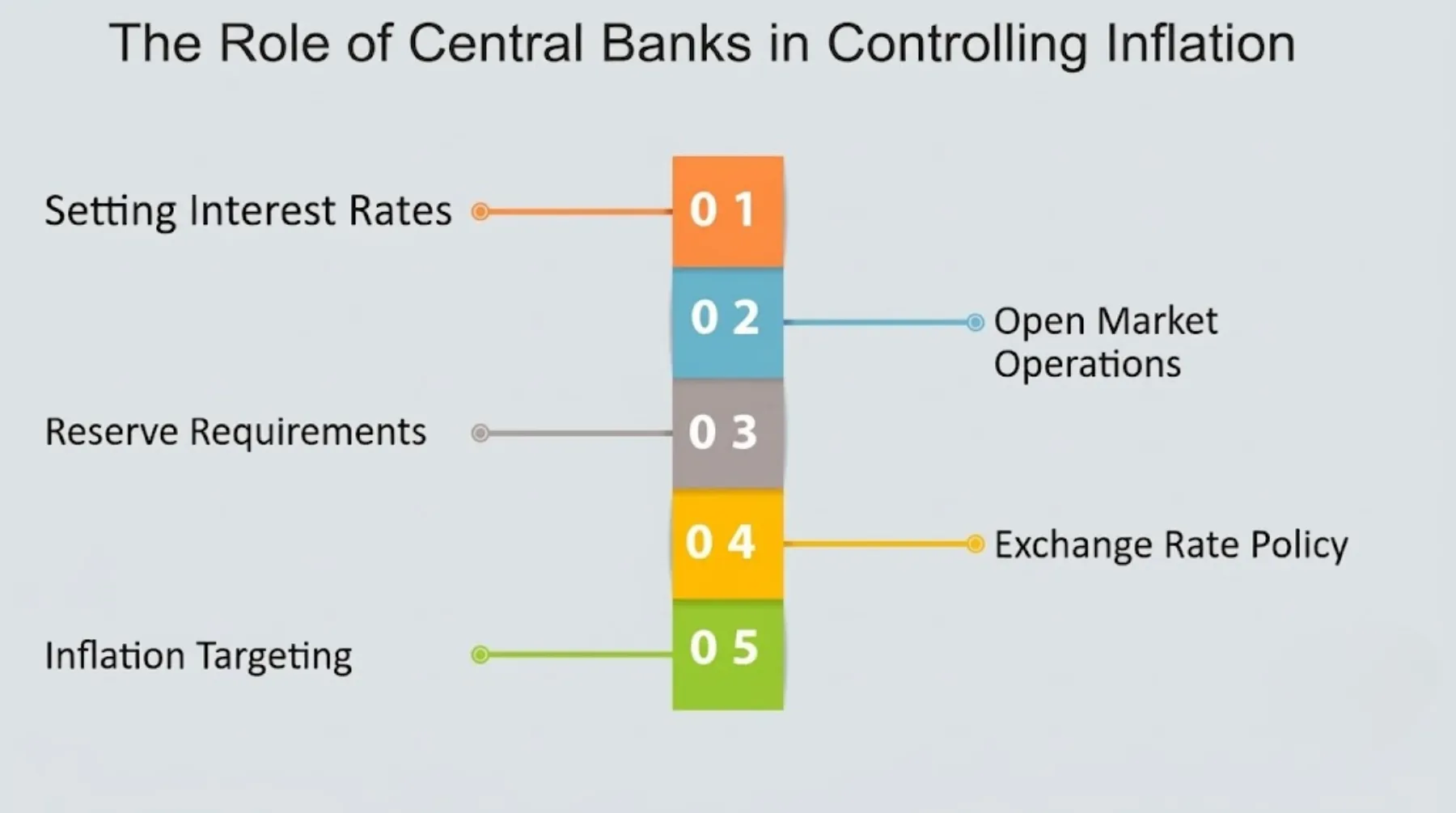
When a central bank changes its policy rate, it creates a ripple effect throughout the entire financial system. If the policy rate is raised, commercial banks must pay more to borrow from the central bank, so they, in turn, charge higher interest rates on loans to their customers, including individuals and businesses. This makes borrowing more expensive, which tends to slow down economic activity and curb inflation. Conversely, when the policy rate is lowered, it becomes cheaper for commercial banks to borrow, leading them to offer lower interest rates on loans. This encourages borrowing and spending, which stimulates the economy. For the forex market, the policy rate is the single most important factor, as it dictates the “yield” or return an investor can earn by holding a currency.
What are Open Market Operations (OMOs)?
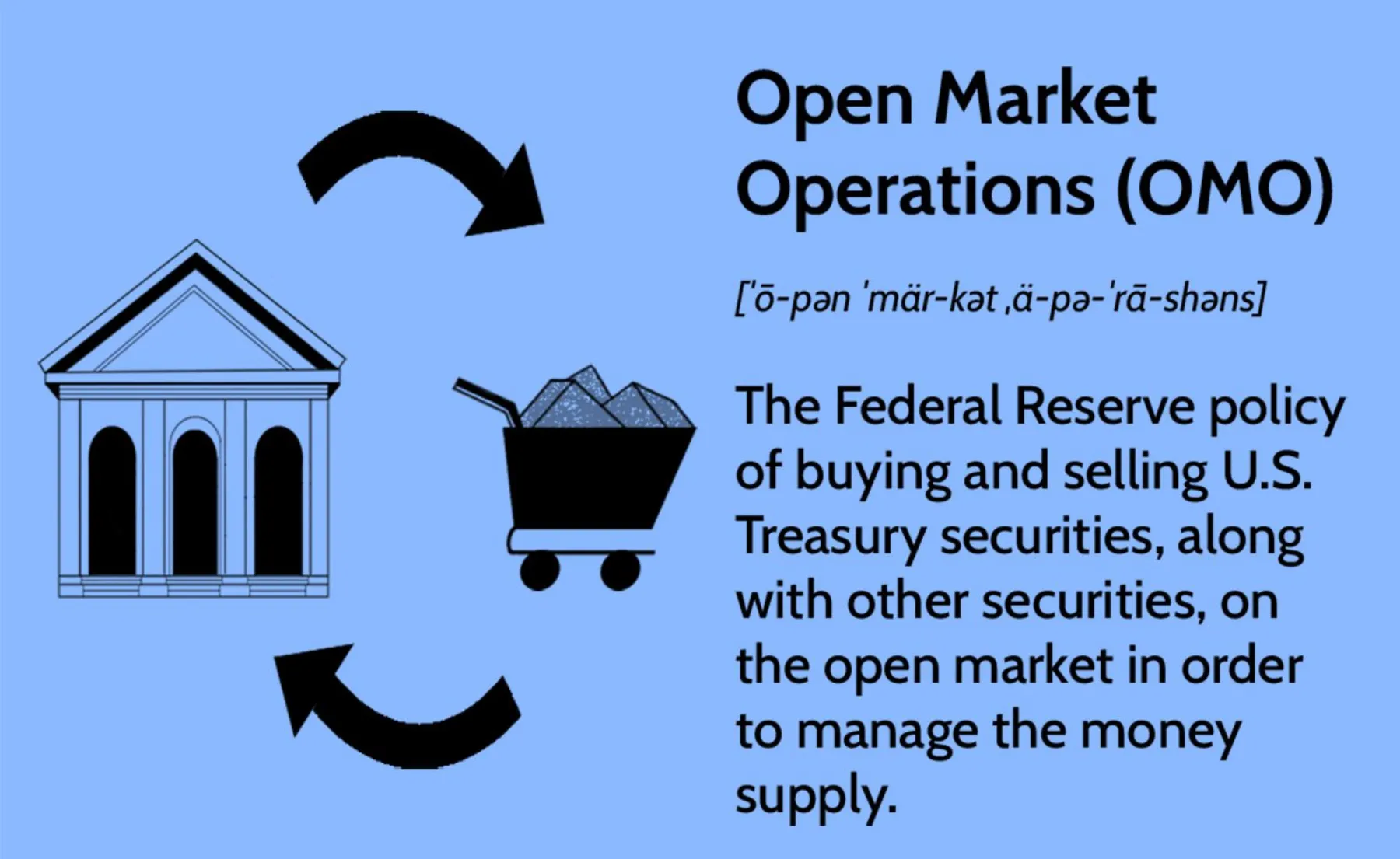
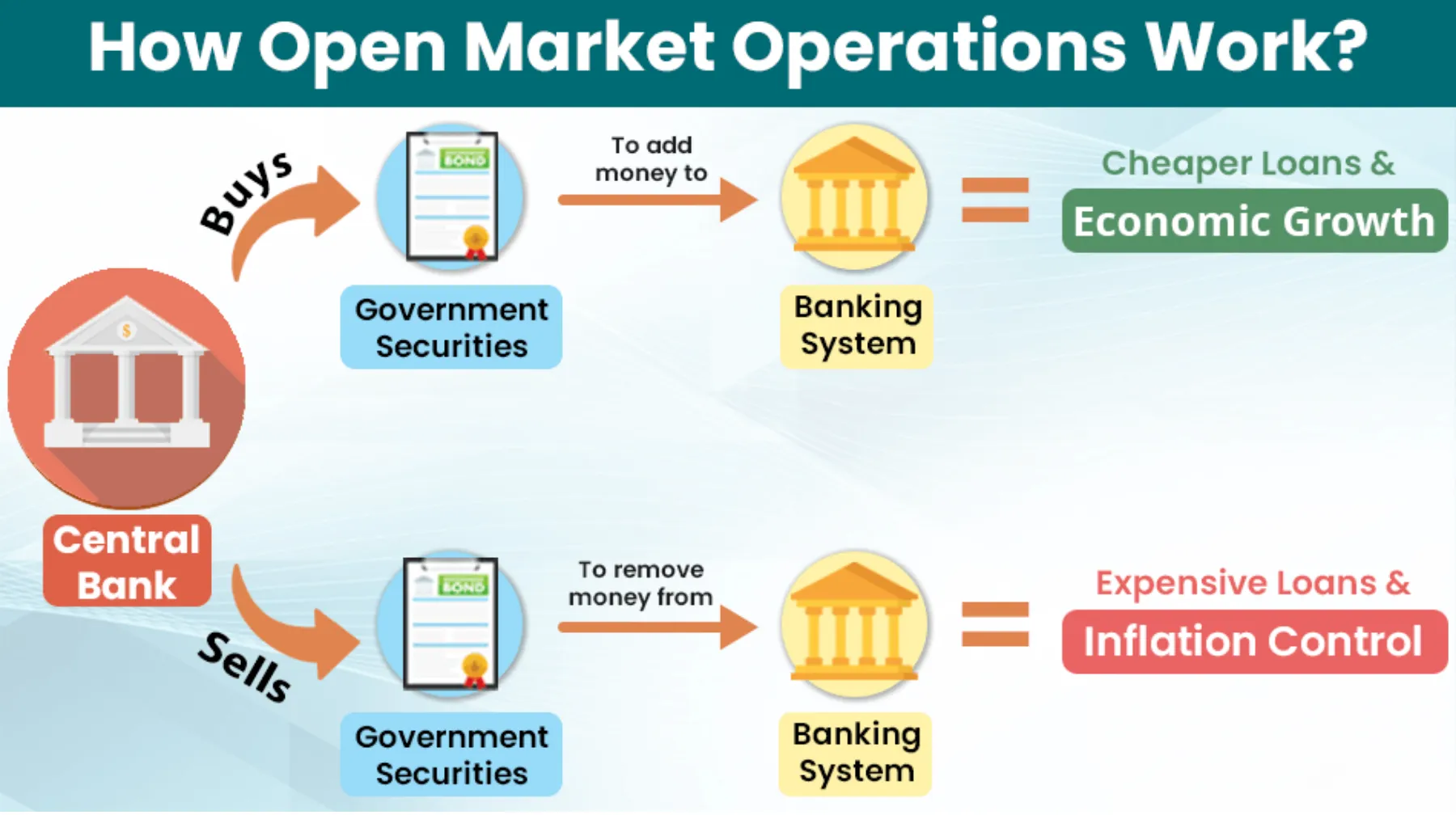
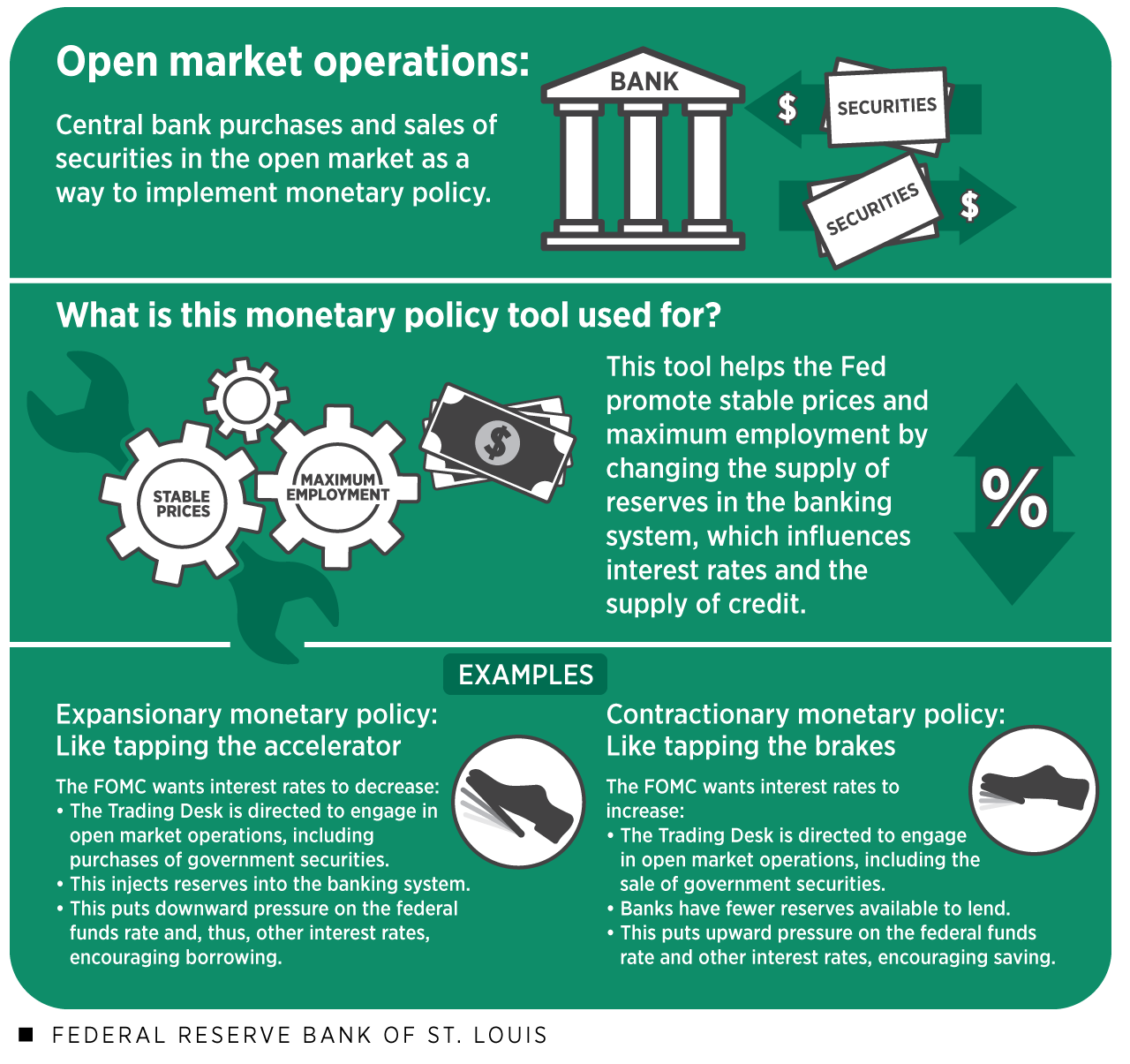
Open Market Operations are the day-to-day activities a central bank undertakes to control the money supply and keep the policy rate near its target. Specifically, OMOs involve the buying and selling of government securities, such as bonds, in the open market with commercial banks. This process directly adds or removes money from the banking system, influencing the availability of credit.
When the central bank wants to lower short-term interest rates or increase the money supply (an expansionary or “dovish” stance), it purchases government securities from commercial banks. The central bank pays for these securities by crediting the banks’ reserve accounts, effectively injecting new money into the financial system. With more money on hand, banks have more to lend, and the increased supply of funds pushes interest rates down.
Conversely, when the central bank wants to raise short-term interest rates or decrease the money supply (a contractionary or “hawkish” stance), it sells government securities to commercial banks. The banks pay for these securities by drawing from their reserve accounts, which removes money from the financial system. With less money available to lend, the cost of borrowing increases, pushing interest rates up. OMOs are the technical engine that ensures the central bank’s targeted policy rate becomes a reality in the market.
How Do Central Bank Interest Rate Decisions Affect Forex Values?
Central bank interest rate decisions directly affect forex values by altering the financial return, or yield, that investors can earn on assets denominated in a particular currency. This change in yield influences the direction of global capital flows, as investors move their money around the world in search of the highest risk-adjusted returns. The simple principle is that capital is attracted to higher yields and repelled by lower yields. As this capital moves across borders, it creates demand or supply for currencies, causing their exchange rates to rise or fall accordingly. This cause-and-effect relationship is one of the most fundamental drivers of the forex market.
Let’s explore this mechanism in more detail.
Why Do Higher Interest Rates Typically Strengthen a Currency?
Higher interest rates generally cause a currency to strengthen because they make holding that currency more profitable for international investors. Specifically, a higher policy rate leads to higher yields on a country’s financial assets, such as government bonds and savings deposits, attracting a flow of foreign capital. This phenomenon is often referred to as “hot money” chasing higher yields. Imagine an international investment fund with billions of dollars to manage. If the U.S. Federal Reserve raises its interest rates while the European Central Bank keeps its rates unchanged, the fund can earn a better return by investing in U.S. dollar-denominated assets compared to Euro-denominated ones.
To make these investments, the fund must first convert its money, for instance, from Euros to U.S. Dollars. This action involves selling Euros and buying U.S. Dollars on the foreign exchange market. When thousands of investors, funds, and corporations all do this simultaneously, it creates a massive increase in demand for the U.S. Dollar. According to the basic economic principle of supply and demand, when demand for an asset (in this case, the USD) increases while its supply remains relatively constant, its price will go up. In the forex market, the “price” of a currency is its exchange rate. Therefore, the influx of capital seeking higher returns causes the U.S. Dollar to appreciate, or strengthen, against other currencies like the Euro.
Why Do Lower Interest rates Typically Weaken a Currency?
Lower interest rates typically cause a currency to weaken because they reduce the financial incentive for foreign investors to hold it. Specifically, a rate cut lowers the yield available on a country’s financial assets, prompting investors to sell that currency and seek better returns elsewhere. This process, known as capital outflow, has the opposite effect of a rate hike. Let’s consider the reverse scenario. Suppose the Bank of England decides to cut its interest rate to stimulate a slowing UK economy, while interest rates in the United States remain stable.
An investor holding UK government bonds or keeping cash in British Pound savings accounts will now earn a lower return. This investor might decide to sell their British Pound-denominated assets and move their capital to the United States to purchase U.S. Treasury bonds, which now offer a relatively higher yield. To do this, they must sell their British Pounds (GBP) and buy U.S. Dollars (USD) on the forex market. When many investors make this same logical decision, it creates a huge increase in the supply of British Pounds being sold in the market. At the same time, demand for the Pound decreases because it has become a less attractive currency to hold. This combination of rising supply and falling demand causes the price of the British Pound to fall. As a result, the Pound depreciates, or weakens, against the U.S. Dollar and other major currencies.
What Else Should Forex Traders Know About Central Banks?
Forex traders must understand central bank influence beyond interest rates, including their communication strategies, unconventional policies, direct market interventions, and the differences between institutions in developed versus emerging markets. Additionally, a deeper knowledge of these factors allows traders to anticipate market movements with greater accuracy and manage risk more effectively. Understanding which banks hold the most sway and the tools they use provides a critical edge in navigating currency fluctuations.
Which Central Banks are the Most Influential in the Forex Market?
The foreign exchange market is dominated by a few key players whose policies have far-reaching effects on global currency values. These are often referred to as the “major” central banks because their currencies are the most traded. The U.S. Federal Reserve (Fed) is paramount, as the U.S. dollar is the world’s primary reserve currency. The European Central Bank (ECB) governs monetary policy for the Eurozone, making its decisions highly impactful for the euro, the second most traded currency. The Bank of England (BoE) manages the British pound, a major currency in global finance. In Asia, the Bank of Japan (BoJ) wields considerable influence over the Japanese yen, often used as a safe-haven currency. Finally, the Swiss National Bank (SNB) is known for its active and sometimes dramatic interventions to manage the Swiss franc’s value.
Traders closely monitor these institutions for several reasons.
- Their interest rate decisions directly affect borrowing costs and investment flows.
- Their policy statements provide clues about future economic health and monetary direction.
- Their actions can create or reduce market volatility, presenting both risks and opportunities.
How Does Forward Guidance from a Central Bank Impact Forex?
Forward guidance is the communication tool central banks use to signal their future policy intentions to the public and financial markets. Instead of surprising the market, a bank might state its intention to keep interest rates low until certain economic conditions, like a specific unemployment rate or inflation target, are met. This transparency is designed to manage expectations and reduce uncertainty. For forex traders, these statements can be just as powerful as an actual interest rate change. If a central bank hints at future rate hikes, its currency may strengthen immediately, even if the hike is months away. Conversely, signaling a prolonged period of low rates can weaken a currency.
This communication impacts forex markets in three primary ways.
- Reduces Surprise: It helps to smooth market reactions, preventing the extreme volatility that can come from unexpected policy shifts.
- Influences Long-Term Rates: By signaling future intentions, central banks can influence longer-term bond yields and borrowing costs.
- Creates Trading Opportunities: The language, tone, and specific phrasing in press conferences, meeting minutes, and official reports are scrutinized by traders for subtle shifts in outlook.
What is Quantitative Easing (QE) and How Does It Affect Currencies?
Quantitative easing, or QE, is an unconventional monetary policy tool used when traditional methods like lowering interest rates are no longer effective, often because rates are already near zero. During QE, a central bank purchases long-term securities or other assets from the open market. This action injects new money into the economy, increasing the overall money supply. The primary goals are to lower long-term interest rates, encourage lending and investment, and stimulate economic activity. The most common effect of QE on a currency is devaluation. By massively increasing the supply of a currency, its value relative to other currencies tends to fall. This can be an intended consequence, as a weaker currency makes a country’s exports cheaper and more competitive on the global market.
Forex traders watch for QE announcements because of their predictable impact.
- Initiation of QE: The announcement of a new QE program typically leads to a sharp decline in the value of the associated currency.
- Tapering: When a central bank signals it will slow down or “taper” its asset purchases, the currency often strengthens in anticipation of a tighter money supply.
- Completion of QE: The end of a QE program can also cause the currency to appreciate as the downward pressure from an expanding money supply is removed.
Can Central Banks Directly Intervene in the Forex Market?
Yes, central banks can and do directly intervene in the forex market to influence their currency’s exchange rate. This practice, known as foreign exchange intervention, involves the central bank buying or selling its own currency in exchange for foreign currencies. To weaken its currency, a central bank will sell its own currency and buy foreign currencies, increasing its own currency’s supply on the market. To strengthen it, the bank will buy its own currency using its foreign currency reserves, reducing its supply. These actions are typically taken to stabilize a volatile currency, correct a perceived misalignment, or support the country’s economic objectives, such as boosting exports with a weaker currency.
Direct intervention can be executed in different ways.
- Sterilized Intervention: The central bank offsets the intervention’s impact on the domestic money supply by conducting a separate open market operation, preventing changes to domestic interest rates.
- Unsterilized Intervention: The central bank allows the intervention to alter the domestic money supply, which can affect interest rates and have a more lasting impact on the exchange rate.
- Verbal Intervention: Sometimes, just the threat of intervention from a central bank official is enough to move the market, as traders adjust their positions in anticipation of a potential large-scale transaction.
What is the Difference Between a Developed and an Emerging Market Central Bank?
The roles and impacts of central banks from developed and emerging markets differ substantially, largely due to variations in economic stability, institutional credibility, and policy objectives. A central bank in a developed economy, like the U.S. Federal Reserve or the European Central Bank, typically operates with a strong mandate for price stability. These institutions have high credibility, and their policy announcements are transparent and closely followed, resulting in predictable market reactions. Their currencies are stable, highly liquid, and often serve as global reserve currencies. Their primary tools are interest rates and, more recently, quantitative easing and forward guidance.
In contrast, central banks in emerging markets often face a dual mandate: controlling inflation while also promoting economic growth and maintaining financial stability. Their credibility can be lower, and their actions may be perceived as being influenced by political pressures. This can lead to greater currency volatility and less predictable market reactions. These banks frequently use direct foreign exchange intervention to manage their exchange rates and may hold large foreign reserves to defend against currency crises. While developed market central bank actions cause global ripples, emerging market central bank policies tend to have a more localized or regional impact, though a crisis in a large emerging economy can have wider contagion effects.