

Blog
What Is the Non-Farm Payroll (NFP) Report and How Do You Trade It?

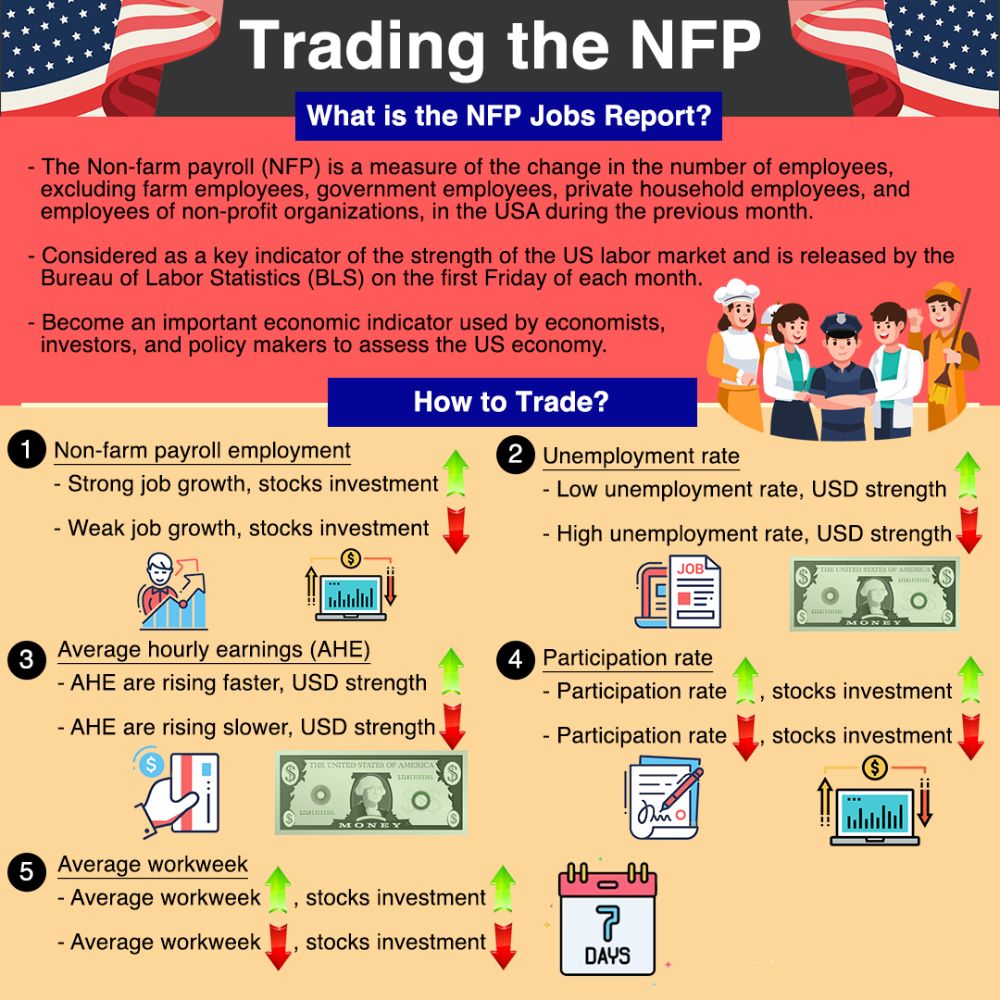
The Non-Farm Payroll (NFP) report is a key United States economic indicator that measures the monthly change in the number of paid employees, excluding the farming sector, and is traded by taking a position based on whether the data is stronger or weaker than forecast. To trade the NFP, you can use three primary strategies: taking a directional position before the release based on analysis, trading the initial volatility spike during the announcement, or waiting for the market to stabilize and trading the resulting trend after the release.
The NFP report is a critical piece of economic data because it serves as a primary barometer of US economic health, directly influencing the value of the US Dollar and shaping the monetary policy decisions of the Federal Reserve. A strong report indicates economic growth and can lead to a stronger dollar, while a weak report suggests economic trouble and can weaken the currency. This direct link to central bank policy makes it one of the most watched reports by traders globally.
This highly anticipated report is released on a predictable schedule, which allows traders to prepare for its impact. The Bureau of Labor Statistics releases the Non-Farm Payroll report on the first Friday of every month at precisely 8:30 AM Eastern Time (ET). This consistent timing creates a monthly focal point for financial markets, leading to a surge in trading activity and volatility centered around this specific moment.
Understanding the components of the NFP report and its market implications is essential for anyone looking to navigate the foreign exchange markets. The extreme volatility it generates can present both significant opportunities and substantial risks. By learning about the data itself and the core strategies used to trade it, you can develop a more informed approach to managing one of the biggest market-moving events on the economic calendar.
What Is the Non-Farm Payroll (NFP) Report?
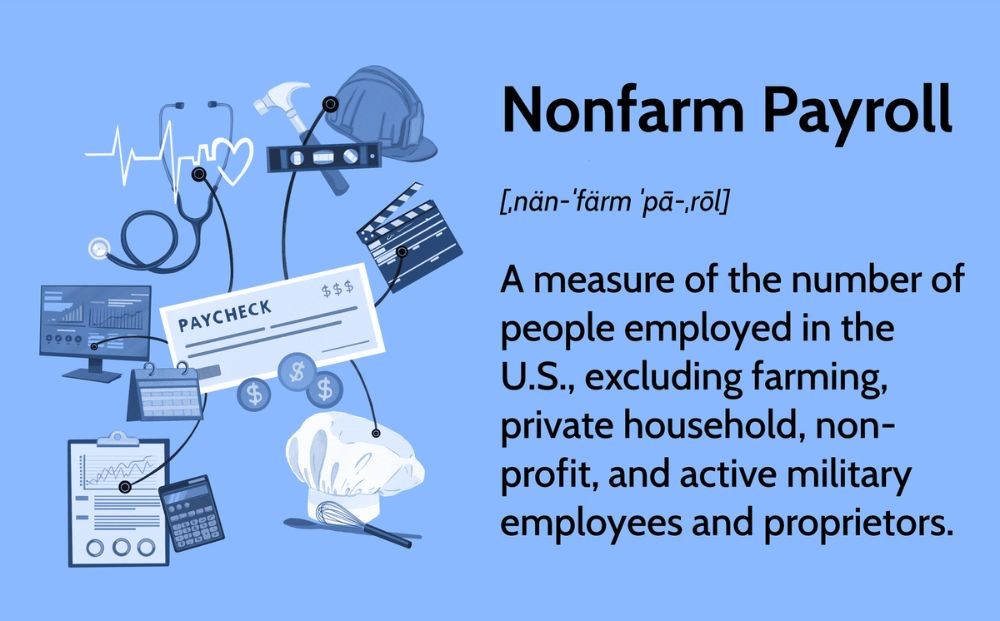
The Non-Farm Payroll (NFP) report is a key US economic indicator from the Bureau of Labor Statistics that measures the monthly change in paid workers, excluding farm employees, government workers, private households, and non-profits. To understand this better, let’s break down exactly what the report covers and where its information originates. The NFP is arguably the most important piece of economic data released each month because it provides a timely snapshot of the health of the American labor market, which is a cornerstone of the entire economy. When businesses are hiring, it means they are confident in future economic growth, and consumers with stable jobs have more money to spend. This cycle of employment and spending drives economic activity. The reason certain sectors are excluded is to provide a cleaner picture of the core business economy. Farm employment is highly seasonal and can skew the data, while government jobs are not a direct reflection of commercial business conditions. Similarly, private household employees and workers at non-profit organizations are excluded to focus purely on the business sector’s job creation engine. The final number you see, such as “+250,000,” tells you that 250,000 net new jobs were added to the economy in the previous month.
What Key Data Points Does the NFP Report Include?
The NFP release is not just a single number, it is a comprehensive employment situation summary that includes three critical data points released simultaneously. Each one tells a different part of the story about the labor market.
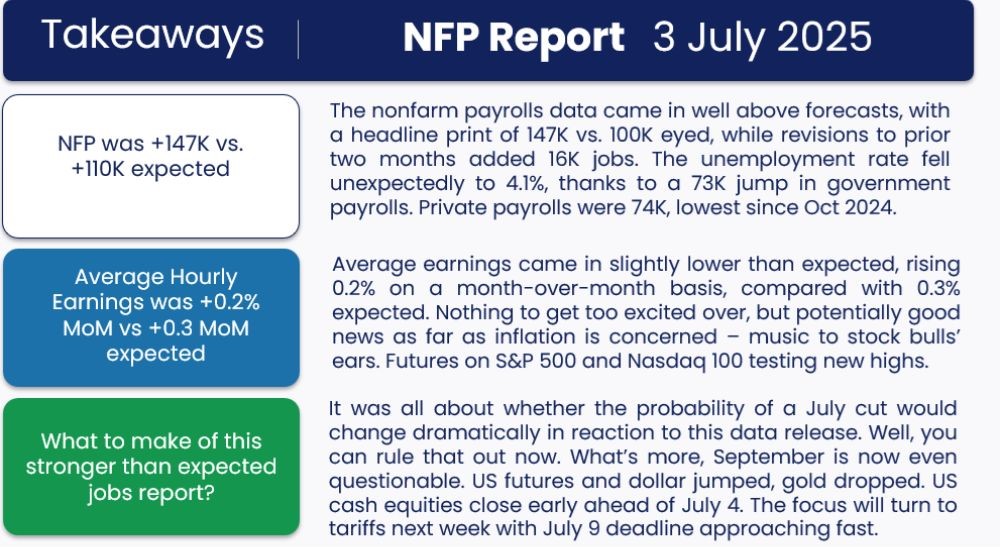
First is the headline Non-Farm Payroll figure itself. This is the number that grabs all the attention. It represents the net change in jobs created or lost during the previous month. A number that is higher than what economists predicted (the “consensus forecast”) is seen as a sign of a strong, expanding economy. Conversely, a number that is lower than expected suggests the economy might be slowing down. For example, if analysts forecast 180,000 new jobs but the report shows 250,000, this is a strong “beat” and is typically very positive for the US Dollar.
Second is the unemployment rate. This figure is presented as a percentage of the total labor force that is unemployed but actively seeking employment. A falling unemployment rate is generally a sign of a healthy economy, as it means more people are finding work. However, traders also look at the labor force participation rate, which is released alongside it. Sometimes, the unemployment rate can fall for the “wrong” reason, such as people giving up on their job search and leaving the labor force entirely. A truly strong report shows a falling unemployment rate combined with a stable or rising participation rate.
Third, and increasingly important, is average hourly earnings. This data point measures the change in the average wages paid to employees. It is a key indicator of labor cost inflation. If wages are rising quickly, it can signal future consumer price inflation, which might prompt the Federal Reserve to raise interest rates to cool down the economy. Therefore, a strong increase in average hourly earnings is often seen as a “hawkish” signal (favoring higher interest rates) and can be very positive for the US Dollar, even if the headline NFP number is just average.
Where Does the NFP Data Come From?
The data for the NFP report is meticulously collected and compiled by the U.S. Bureau of Labor Statistics (BLS) from two separate and distinct monthly surveys. Understanding these two sources helps clarify why the report is so comprehensive.
What Is the Non-Farm Payroll (NFP) Report and How Do You Trade It? – 1
The first source is the Establishment Survey, officially known as the Current Employment Statistics (CES) survey. This is where the headline NFP number and the average hourly earnings data come from. The BLS contacts approximately 144,000 businesses and government agencies, representing about 697,000 individual worksites. These establishments are asked to provide data on the number of employees on their payroll, their wages, and the hours they worked. Because it surveys businesses directly, it’s considered a very reliable measure of job creation and wage pressures within the commercial and government sectors.
The second source is the Household Survey, officially the Current Population Survey (CPS). This survey is responsible for the unemployment rate figure. Instead of contacting businesses, the BLS surveys about 60,000 eligible households across the country. Individuals are asked about their employment status, whether they are working, and if not, whether they are actively looking for a job. This survey captures a broader picture of employment, including self-employed individuals and agricultural workers, which are excluded from the Establishment Survey. The differing methodologies of these two surveys are why you can sometimes see conflicting signals, such as the headline NFP number rising while the unemployment rate also unexpectedly ticks up.
Why Is the NFP Report So Important for Forex Traders?
The NFP report is important for forex traders because it is a primary gauge of US economic health, directly influencing the US Dollar’s value and guiding the Federal Reserve’s interest rate decisions, which drive market volatility. In the world of economic indicators, the NFP report stands out as a top-tier, market-moving event that consistently generates a powerful reaction across global financial markets. Its importance stems from the deep insights it provides into the American economy, which, as the largest economy in the world, has a profound effect on international markets and currency valuations. For a forex trader, ignoring the NFP report is like a sailor ignoring the weather forecast for a hurricane. The data contained within the report has the power to shift market sentiment in an instant, reverse established trends, and create enormous price swings in a matter of seconds.
Let’s explore why it carries so much weight. The health of the labor market is a direct reflection of overall economic conditions. When businesses are confident about the future, they hire more workers. When consumers have jobs, they have income to spend on goods and services, which in turn fuels corporate profits and further economic expansion. The NFP figure, therefore, acts as a critical pulse check on the US economy. While indicators like Gross Domestic Product (GDP) are also important, they are lagging indicators, reporting on activity from the previous quarter. The NFP, on the other hand, is released monthly and provides a much more current view, making it an invaluable tool for traders trying to gauge the present state and future direction of the economy. A string of strong NFP reports signals a robust economy, boosting investor confidence and attracting capital from around the world, which increases demand for the US Dollar.
The most direct and powerful link between the NFP report and the forex market is its influence on the Federal Reserve’s monetary policy. The Fed operates under a dual mandate from Congress: to promote maximum employment and maintain stable prices. The NFP report is the single most important piece of data for evaluating the “maximum employment” part of this mandate. A strong jobs report, especially when accompanied by rising wages (average hourly earnings), can signal that the economy is heating up and that inflation may be on the horizon. This puts pressure on the Fed to adopt a “hawkish” stance, meaning it is more likely to raise interest rates to prevent overheating. Higher interest rates make a currency more attractive to foreign investors seeking better returns, thus strengthening the US Dollar. Conversely, a weak NFP report indicates a slowing labor market, giving the Fed reason to adopt a “dovish” stance and consider lowering interest rates to stimulate the economy. This makes the US Dollar less attractive and typically causes its value to fall.
Because the US Dollar is the world’s primary reserve currency, its fluctuations have a ripple effect across the entire forex market. The NFP report doesn’t just impact USD pairs. Its results influence global risk sentiment. A surprisingly strong report can boost confidence in the global economic outlook, leading to increased demand for riskier assets and commodity currencies like the Australian or Canadian Dollar. A shockingly weak report, however, can trigger a “risk-off” event, where investors flee to safe-haven currencies like the Japanese Yen or Swiss Franc. This global interconnectedness means that no matter which currency pairs a trader focuses on, the NFP release is an event that demands attention, careful planning, and a solid risk management strategy.
When Is the NFP Report Released?
The Non-Farm Payroll (NFP) report is consistently released on the first Friday of every month at 8:30 AM Eastern Time (ET) by the U.S. Bureau of Labor Statistics. This highly predictable schedule is one of the features that makes the NFP such a significant event for traders around the world. Unlike other economic events that can be sporadic or announced with little warning, the NFP release is a fixed point on the economic calendar. This consistency allows traders, investors, analysts, and financial institutions to prepare well in advance for the potential volatility that accompanies the release. Knowing the exact day and time enables market participants to clear their schedules, conduct pre-release analysis, and set up their trading strategies before the data hits the wires. This anticipation builds throughout the week, often causing markets to trade in tighter ranges in the hours leading up to the announcement as traders hold off on making large commitments.
The specific timing of 8:30 AM ET is also meaningful. This time is one hour before the New York Stock Exchange opens at 9:30 AM ET. Releasing the data at this time allows financial markets a full hour to digest the information and react before the US equity markets begin trading. For forex traders, however, the reaction is instantaneous, as the currency markets operate 24 hours a day, five days a week. The release occurs during the overlap of the London and New York trading sessions, which is typically the period of highest liquidity and trading volume in the forex market. This ensures that a maximum number of market participants are active and ready to trade the news, contributing to the massive price swings often seen in the minutes following the release.
For traders located outside the United States, it is essential to translate 8:30 AM ET into their local time zone. For instance, a trader in London would need to be ready at 1:30 PM GMT during standard time. A trader in Tokyo would be watching the release late in the evening at 9:30 PM JST. This global participation is what makes the NFP a truly worldwide financial event. Furthermore, traders must be keenly aware of changes related to Daylight Saving Time (DST). The United States and Europe, for example, do not switch their clocks on the same dates. This can cause the release time in a trader’s local zone to shift by an hour for a few weeks a year. Forgetting to account for DST changes can cause a trader to miss the event entirely or be caught unprepared, which can be a costly mistake given the speed at which the market moves.
To stay informed, traders can rely on high-quality economic calendars provided by most brokerage platforms and financial news websites. These calendars automatically adjust for local time zones and DST changes, providing a reliable countdown to the release. The official source for the release schedule is the Bureau of Labor Statistics (BLS) website, which publishes its schedule for the entire upcoming year well in advance. This transparency and predictability are hallmarks of the NFP report and are central to its role as a cornerstone event for financial markets.
How Does the NFP Report Directly Affect Forex Markets?
The NFP report directly affects forex markets by causing immediate and significant volatility, primarily in US Dollar pairs, as traders react to whether the job numbers beat, meet, or miss economic forecasts. When the clock strikes 8:30 AM ET on the first Friday of the month, the forex market transforms. In the seconds following the release, liquidity can momentarily dry up and then flood back in, causing currency prices to jump or fall dramatically. This initial reaction is driven by high-frequency trading algorithms and institutional traders who have systems designed to read the data and execute massive orders faster than a human can even process the numbers. The core of the market’s reaction is a simple comparison: is the actual NFP number better or worse than what the market was expecting? Economists are polled before the release, and their average prediction forms the “consensus forecast.” A number that is significantly different from this forecast will almost always trigger a powerful market move. For example, if the market expects 150,000 new jobs and the report shows 300,000, the surprise positive data will cause a rapid surge in the value of the US Dollar.
How Do Strong vs. Weak NFP Numbers Impact the US Dollar?
The relationship between the NFP data and the US Dollar is typically quite direct, based on what the numbers imply for the health of the US economy and future Federal Reserve policy.
A strong NFP report is characterized by a headline job creation number that is higher than the consensus forecast, often accompanied by a low or falling unemployment rate and rising average hourly earnings. This combination paints a picture of a robust, growing economy. The market’s reaction is usually swift and positive for the US Dollar. A strong report increases the probability that the Federal Reserve will adopt a more “hawkish” monetary policy, meaning it will be more inclined to raise interest rates to keep inflation under control. Higher interest rates attract foreign capital from investors seeking higher returns on their investments, which increases demand for the US Dollar and pushes its value up. For instance, if the EUR/USD was trading at 1.0850 before a strong NFP release, you could see it drop sharply to 1.0800 or lower in a matter of minutes as the dollar strengthens against the euro.
Conversely, a weak NFP report is one where the headline number falls short of expectations. This might be coupled with a rising unemployment rate or stagnant wage growth, signaling that the economy is slowing down. This type of report typically weakens the US Dollar. A weak labor market reduces the pressure on the Federal Reserve to raise interest rates. It might even increase the chances of the Fed adopting a “dovish” policy and cutting interest rates to stimulate economic growth. Lower interest rates make the US Dollar less attractive to foreign investors, causing its value to fall. In this scenario, you could see the EUR/USD pair, which was trading at 1.0850, spike upwards to 1.0900 or higher as the dollar weakens.
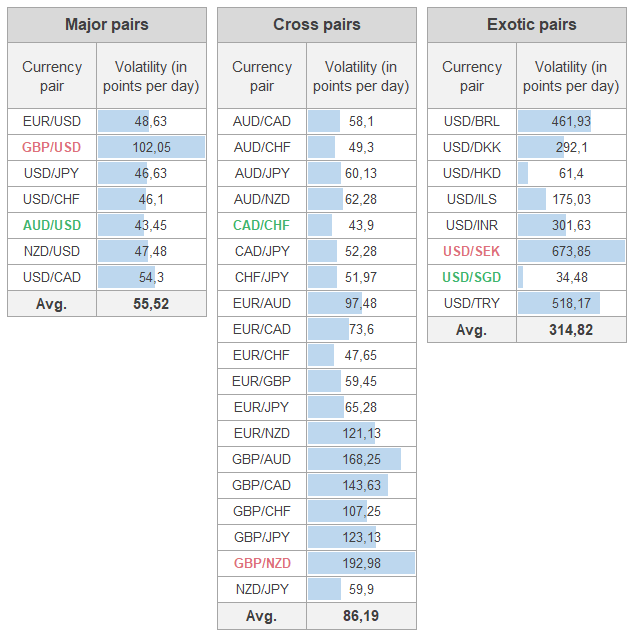
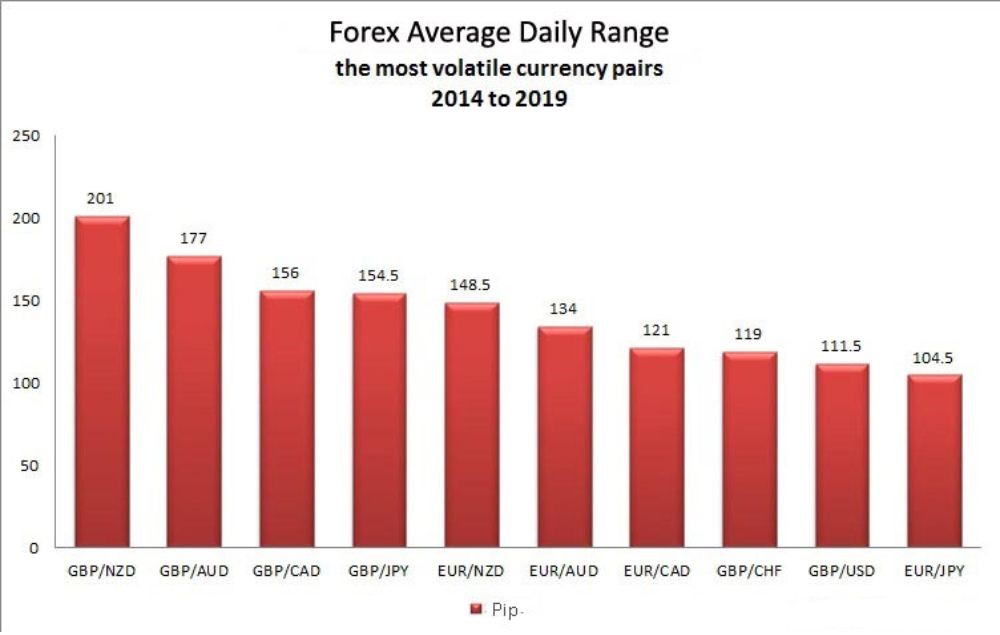
Which Currency Pairs Are Most Volatile During the NFP Release?
While the NFP report impacts the entire financial world, its effect is most pronounced and immediate in currency pairs that include the US Dollar. These pairs experience the highest levels of volatility and trading volume during the release.
What Is the Non-Farm Payroll (NFP) Report and How Do You Trade It? – 1
The most affected pairs are the major currency pairs, which are the most widely traded pairs in the world. These include:
- EUR/USD (Euro/US Dollar): As the most traded currency pair globally, it sees immense volume and volatility during the NFP release. A strong NFP will typically cause EUR/USD to fall, while a weak NFP will cause it to rise.
- GBP/USD (British Pound/US Dollar): Often called “the Cable,” this pair is also extremely sensitive to NFP data and can experience very sharp movements.
- USD/JPY (US Dollar/Japanese Yen): This pair’s reaction can be amplified by its sensitivity to interest rate differentials. A strong NFP report, signaling potential US rate hikes, can send USD/JPY soaring.
- AUD/USD (Australian Dollar/US Dollar): As a commodity-linked currency, the Aussie dollar is often seen as a “risk-on” currency. A strong NFP can have a mixed effect, but generally, a strengthening USD will push AUD/USD lower.
Another key instrument to watch is the US Dollar Index (DXY). The DXY measures the value of the US Dollar against a weighted basket of six major currencies (EUR, JPY, GBP, CAD, SEK, CHF). It provides a clean and direct view of the dollar’s overall strength or weakness following the NFP release and is a favorite among traders for gauging the market’s immediate reaction.
What Are the Core Strategies for Trading the NFP?
The core strategies for trading the NFP are grouped by timing and include trading before the release based on forecasts, trading during the initial spike, or trading after the volatility subsides. Each approach comes with its own unique set of risks and potential rewards, catering to different trading styles and risk tolerances. There is no single “best” way to trade the NFP. The right strategy depends on your experience level, your psychological fortitude, and your overall trading plan. Some traders thrive on the adrenaline of the initial release, while others prefer a more measured and analytical approach once the dust has settled. Understanding these three fundamental approaches is the first step toward developing a coherent plan for navigating this major market event. Let’s look at how each of these strategies works in practice, highlighting the potential benefits and the significant risks you need to manage.
How Can You Trade Before the NFP Announcement?
Trading before the NFP announcement is a directional strategy that involves taking a position in the market based on your analysis and prediction of the NFP data. This is arguably the highest-risk approach because it is a direct bet on the outcome of the report. To form a directional bias, traders analyze a variety of leading economic indicators that are released in the days and weeks prior to the NFP. These can include the ADP National Employment Report, which is a private-sector employment report, weekly Initial Jobless Claims data, and sentiment surveys like the ISM Manufacturing and Non-Manufacturing PMI reports, which have employment components.
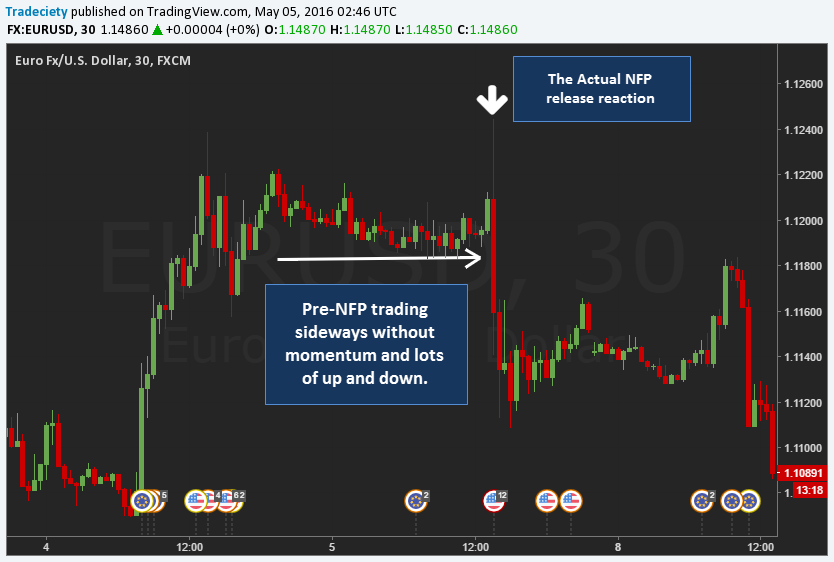
If this preliminary analysis suggests that the labor market is strong and the NFP number is likely to beat expectations, a trader might decide to buy the US Dollar (for example, by selling EUR/USD or buying USD/JPY) before 8:30 AM ET. The potential reward is significant. If the prediction is correct, the trader is already in the position when the market makes its explosive move, allowing them to capture the full price swing without suffering from the slippage that can occur during the release. However, the risk is equally large. If the data comes out contrary to the trader’s expectation, the market will move violently against the position, potentially triggering a substantial loss in seconds. This strategy is best suited for experienced traders who have a deep understanding of economic fundamentals and a very robust risk management plan, including clearly defined stop-loss orders.
How Can You Trade During the NFP Announcement?
Trading during the NFP announcement focuses on capturing the immediate volatility spike, regardless of the direction. This approach does not require a prediction of whether the data will be good or bad. Instead, it aims to profit from the fact that the price is likely to move a significant distance in one direction. The most common technique used for this is the straddle strategy. This involves placing two pending orders simultaneously just a few minutes before the report is released. A buy-stop order is placed a certain number of pips above the current market price, and a sell-stop order is placed the same distance below the current price.
When the NFP data is released, the price is expected to surge in one direction, triggering one of the pending orders and entering the trader into a position. The trader would then immediately cancel the other, untriggered order. For example, if the price spikes upward, the buy-stop order is activated, and the sell-stop order is cancelled. While this sounds straightforward, it is fraught with practical dangers. First is slippage, where the extreme volatility causes your order to be filled at a much worse price than you intended. Second, brokers dramatically widen their spreads (the difference between the buy and sell price) during the release, making it more difficult to achieve profitability. Lastly, the market can “whipsaw,” where the price spikes up, triggers the buy order, then rapidly reverses and goes down, stopping the trader out for a loss.
How Can You Trade After the NFP Announcement?
Trading after the NFP announcement is the most conservative and patient strategy, often recommended for newer traders. This approach involves waiting for the initial, chaotic price action to subside before making any trading decisions. Instead of trying to catch the first explosive move, the trader waits for the first 15 to 30 minutes after the release to pass. This allows the market to fully digest the headline number, the unemployment rate, the wage data, and any revisions to previous months’ data. During this time, the wild price swings often calm down, spreads return to normal levels, and a clearer, more sustainable trend begins to emerge.

Once the initial volatility is over, the trader can analyze both the data and the market’s reaction to it. For example, if the report was strong and the US Dollar rallied, the trader can look for a technical entry point to join the newly established uptrend. This might involve waiting for a small pullback to a key support level or a moving average before entering a long USD position. The main advantage of this strategy is that it avoids the extreme risks of slippage and whipsaws that are present during the release itself. The trade-off is that you might miss out on a portion of the overall move. However, for many, the benefit of trading in a more stable and predictable market environment far outweighs the cost of the missed pips from the initial spike. This method prioritizes confirmation and risk management over trying to be the first one in the trade.
What Are the Advanced Concepts and Risks of Trading NFP?
Advanced NFP trading involves understanding its connection to monetary policy, its impact on multiple asset classes, and managing the severe risks of volatility, leverage, and slippage. Furthermore, moving beyond the basic buy or sell decision requires a deeper look into common mistakes, specific risk management tactics, and the influence of related economic indicators.
What Are the Most Common Mistakes to Avoid When Trading NFP?
The most frequent error traders make is using excessive leverage, which magnifies both gains and losses in a highly volatile environment. Another major pitfall is ignoring fundamental risk management principles. This includes failing to set a stop-loss or setting it too tight, leading to a premature exit on a volatile price swing. Many traders also fall into the trap of having unrealistic expectations, believing the NFP release is a guaranteed opportunity for quick profits. This mindset often leads to impulsive decisions and chasing the market. Finally, a critical mistake is trading without a pre-defined plan. A solid plan outlines your entry and exit points, position size, and maximum acceptable loss before the report is even released.
To avoid these common issues, a trader should focus on a structured approach.
- Calculate position size based on your account balance and risk tolerance, not on a desire for huge profits.
- Always define your stop-loss and take-profit levels before entering a trade.
- Treat the NFP as just another trading opportunity, not a lottery ticket.
How Can You Effectively Manage Risk During the NFP Release?
Effective risk management during the NFP release is paramount due to extreme price swings. The first line of defense is using a hard stop-loss order to define your maximum loss on a trade. However, you must be aware of slippage, which is the difference between the expected price of a trade and the price at which the trade is actually executed. During NFP, high volatility can cause significant slippage, meaning your stop-loss may trigger at a worse price than intended. Another key technique is to reduce your position size substantially compared to your normal trades. This limits your potential loss if the market moves against you unexpectedly. For more risk-averse traders, the best strategy might be to stay out of the market entirely during the first few minutes of the release, waiting for the initial volatility to subside before looking for a clearer trend.
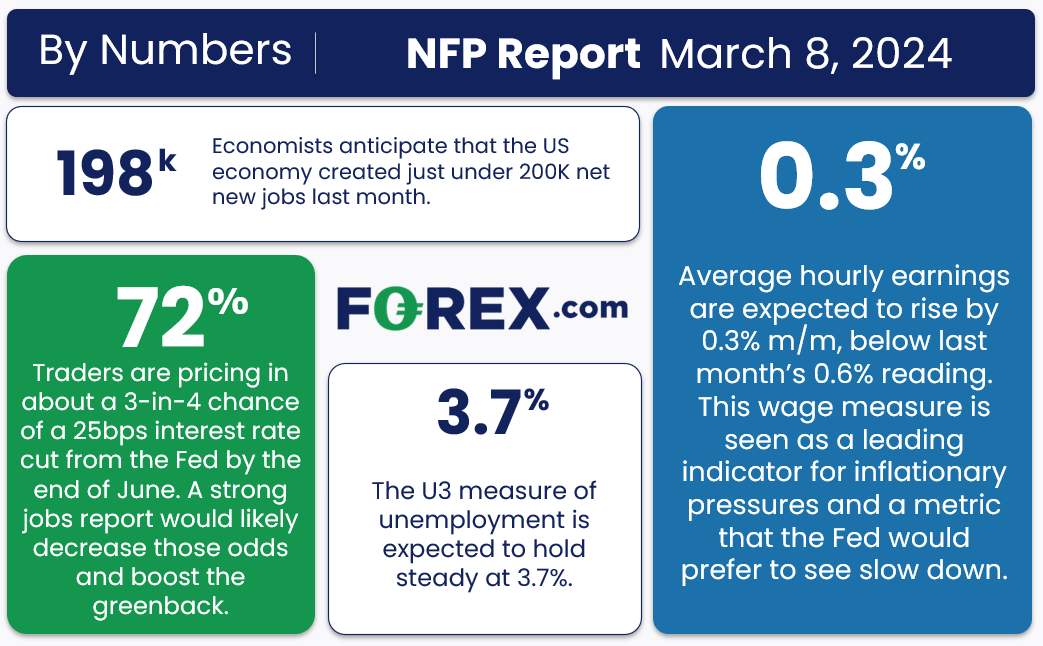
To put this into practice, consider these actions before the release.
- Set wider stop-loss orders than usual to account for initial price spikes.
- Trade with a position size that is 50% or less of your standard size.
- If you are uncertain about the market’s direction, accept that sitting on the sidelines is a valid and often wise trading decision.
What Is the Difference Between the NFP and the ADP Employment Report?
The primary difference is that the NFP is a government report covering both public and private sector jobs, while the ADP report is a private-sector-only report compiled by a private company. The Automatic Data Processing (ADP) National Employment Report is released two days before the official NFP data, typically on the first Wednesday of the month. Because of its timing, many traders use the ADP number as a potential indicator for the NFP figure. However, its predictive accuracy can be inconsistent. The two reports use different methodologies; the NFP is based on a survey of households and establishments, while the ADP report is based on actual payroll data from its clients. This methodological difference often leads to significant variations between the two numbers. While a very strong or very weak ADP report might hint at the NFP’s direction, it should not be the sole basis for a trading decision.

Traders should analyze the two reports with these distinctions in mind.
- The NFP is the more comprehensive and market-moving report.
- The ADP report is a useful supplementary indicator but is not a reliable predictor.
- Large discrepancies between ADP and NFP can themselves cause market volatility as expectations are adjusted.
How Does NFP Data Influence Federal Reserve Monetary Policy?
The NFP report directly influences Federal Reserve monetary policy because the Fed has a dual mandate: to achieve maximum employment and maintain price stability. A strong NFP report, showing robust job growth and low unemployment, suggests the economy is heating up. This can lead to inflationary pressures. In response, the Federal Reserve might adopt a hawkish stance, signaling or implementing interest rate hikes to cool the economy down. Higher interest rates make borrowing more expensive, which can slow down economic activity and curb inflation. Conversely, a weak NFP report indicates a slowing economy. This may prompt the Fed to adopt a dovish stance, considering interest rate cuts to stimulate economic growth and encourage hiring. The Fed’s reaction to NFP data is a major reason why the report has such a profound impact on financial markets, particularly the U.S. dollar and bond yields.
The connection works through this chain of logic.
- Strong employment data signals economic strength, potentially leading to inflation.
- The Federal Reserve combats inflation with higher interest rates (hawkish policy).
- Weak employment data signals economic weakness, prompting the Fed to cut rates to stimulate growth (dovish policy).
Does the NFP Report Affect Other Asset Classes Like Gold and Stock Indices?
Yes, the NFP report’s impact extends far beyond the currency market, creating significant ripple effects in other asset classes like gold and stock indices. Gold, priced in U.S. dollars, has an inverse relationship with the currency. A strong NFP report typically leads to a stronger U.S. dollar, which puts downward pressure on the price of gold (XAU/USD) because it becomes more expensive for holders of other currencies. Conversely, a weak NFP report can weaken the dollar, making gold more attractive. For stock indices like the S&P 500, the effect can be more complex. A strong jobs report indicates a healthy economy, which is generally bullish for corporate earnings and stock prices. However, if the report is so strong that it raises fears of aggressive Federal Reserve rate hikes, it could spook the market and cause a sell-off.
What Is the Non-Farm Payroll (NFP) Report and How Do You Trade It? – 1
You will often see these immediate reactions in the market.
- Gold (XAU/USD): A stronger-than-expected NFP often causes gold prices to fall as the U.S. dollar strengthens.
- Stock Indices (S&P 500): A positive NFP is usually bullish, but an overly hot report can be bearish if it implies imminent rate hikes.
- Bonds: A strong NFP report can cause bond prices to fall (and yields to rise) as investors anticipate higher interest rates from the Fed.